REVIEW · TOKYO
Guided Tour of Walking and Photography in Asakusa in kimono
Book on GetYourGuide →Operated by LightSpeedStar Inc. · Bookable on GetYourGuide
Kimono photos in Asakusa hit different. This 4-hour walking tour mixes a proper kimono dressing session with photo guidance around Senso-ji, Nakamise, and the Sumida River, so your outfit fits the scenery instead of looking like an add-on.
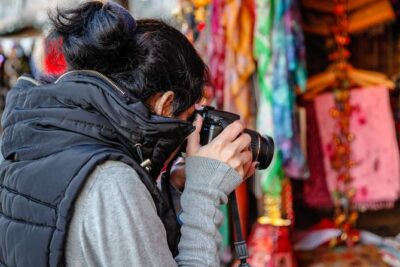
I love that the guide (like Emiko, who’s been praised for kindness) has both kimono dressing and tour qualifications, and can explain the culture behind what you’re seeing. I also like that you’re not just pointing your own camera—your guide will take pictures for you with your camera.
One consideration: the schedule is quick and it’s mostly on foot, and if you’re even a little late to the meeting point, things can feel rushed. Show up on time and use the WhatsApp contact if anything feels off.
In This Review
- Key points to know before you go
- Asakusa in a Kimono: what makes this photo-walk work
- The pre-walk part: kimono selection, hairstyle, and fitting time
- First big photo moment: Kaminarimon Gate and getting your stance right
- Nakamise Shopping Street: kimono-friendly shopping lanes and classic street shots
- Senso-ji Temple: prayers, pagoda views, and the photo story arc
- Timing note that matters
- Sumida River Terrace: cherry blossoms and Skytree as your final kimono backdrop
- How Emiko-style guiding turns a rental outfit into real memories
- Price and value: is $116 a fair deal for a kimono photo guide?
- What you need to know about timing, pace, and meeting up
- Who should book this kimono walking and photography tour
- Should you book the Asakusa kimono photo-walk?
- FAQ
- Where is the meeting point?
- How long is the tour?
- What’s included in the price?
- Do I get help with the kimono and hairstyle?
- Will the guide take photos for me?
- What should I do if I have questions before the tour?
Key points to know before you go
- Qualified kimono + guide skills: the same person handles dressing guidance and guiding, so there’s less confusion.
- You’ll be photographed with your camera: you can focus on posing, not fiddling with settings.
- Photo spots picked for kimono framing: Kaminarimon, Nakamise, and views that pair well with the outfit.
- Small group size (up to 7): it helps keep attention on you for better photos.
- Emphasis on cultural context: not just sightseeing—there’s guidance on what to notice.
Asakusa in a Kimono: what makes this photo-walk work
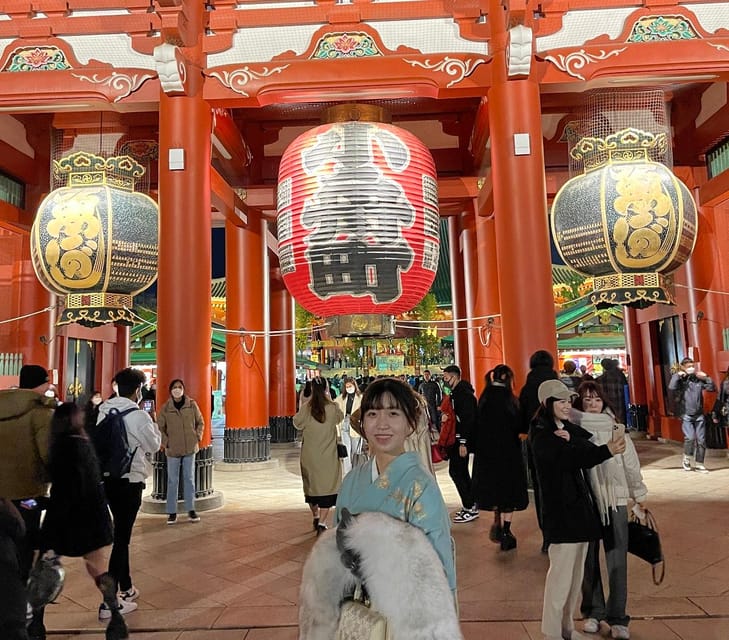
Asakusa is one of those Tokyo areas where the backdrops feel built for photos: temple gates, old-school shopping streets, and classic river views. The big difference here is the format. You start by getting dressed properly, then you walk those iconic spots while a guide helps you frame shots that match the look.
I like that the tour is built around the idea that kimono photos shouldn’t feel random. If you’ve ever worn a costume-style outfit in a real place and noticed it doesn’t quite fit the background, you’ll understand why this matters.
You also get a guide who’s there for more than checklists. The experience is set up so you get context as you go, plus practical advice so you know where to stand, when to angle, and how to make the kimono look intentional in every photo.
You can also read our reviews of more tours and experiences in Tokyo.

The pre-walk part: kimono selection, hairstyle, and fitting time
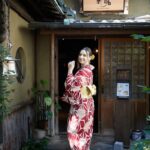
Before you hit the streets, you’ll go to the kimono shop and choose your kimono. From there, you select a hairstyle, then the kimono gets adjusted so it sits correctly as you walk. This part takes about an hour.
This is the step most people underestimate. A kimono that’s slightly off—too loose, too short, or awkward at the waist—can make you feel self-conscious and can mess up photos. Getting it fitted on-site makes a noticeable difference, especially when you’re moving between temple stairs, shopping lanes, and a river terrace.
In the reviews, Emiko gets praised not only for being kind, but also for helping people choose the best kimono and supporting the whole dressing process. One review also mentioned that the rental place offers hairstyle work and that you can pay extra if you want more customization. That lines up with the tour detail that an option fee for kimono items isn’t included, so you might want to budget a bit if you’re aiming for a specific look.
Practical note: the guide contacts you about 7 days before the date about the kimono. That’s your window to sort out preferences early so you don’t arrive and feel rushed.
First big photo moment: Kaminarimon Gate and getting your stance right
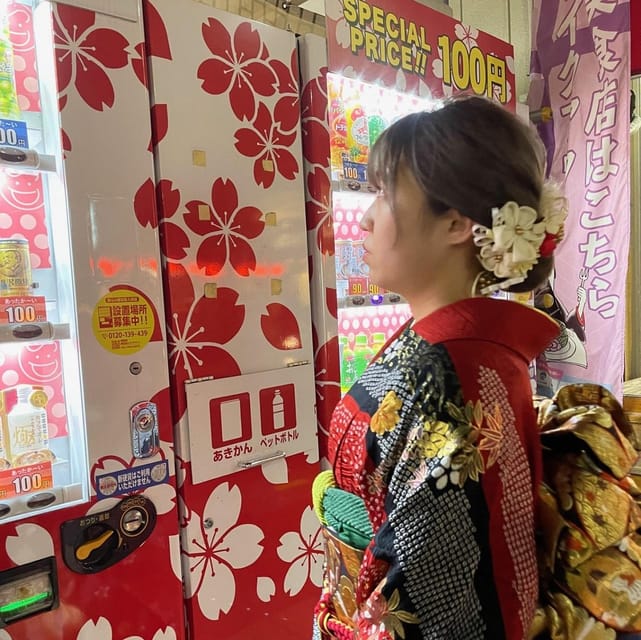
Once you’re dressed, the walk begins from Asakusa Station (Ginza Line), with the guide meeting you at Asakusa Sta. 1 gate. You’ll see the guide standing with a Lightspeedstar logo (orange), which helps when you’re navigating Tokyo station crowds.
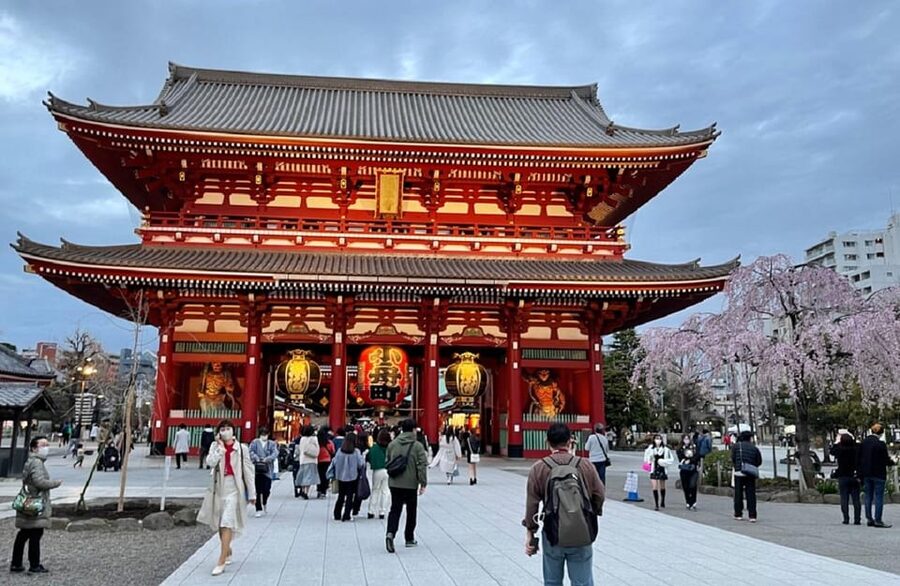
Your first major stop is Kaminarimon Gate—the Kaminari Gate that’s essentially the headline of Asakusa. You’ll visit, then have time for sightseeing and walking, with photos built into the moment.
This is exactly where having a guide matters. A gate like this looks good from many angles, but not every angle flatters a kimono. The guide will point out the spots that blend well with the outfit, and they’ll also take photos for you using your camera, so you can pose without handing off your phone again and again.
You’ll also get a free-time window later for Kaminarimon again, which is useful if you want to try a second outfit-related look or just reset after the first round.
Nakamise Shopping Street: kimono-friendly shopping lanes and classic street shots
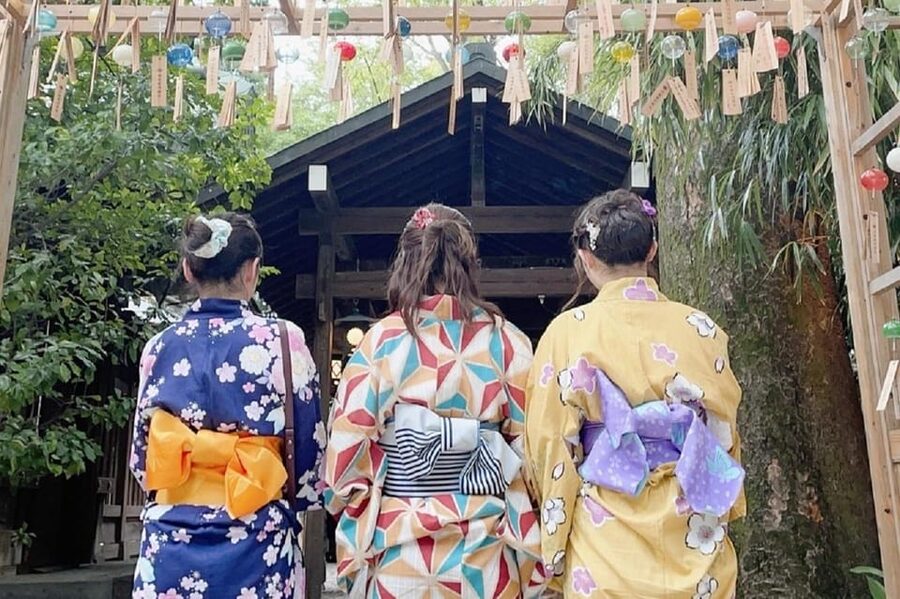
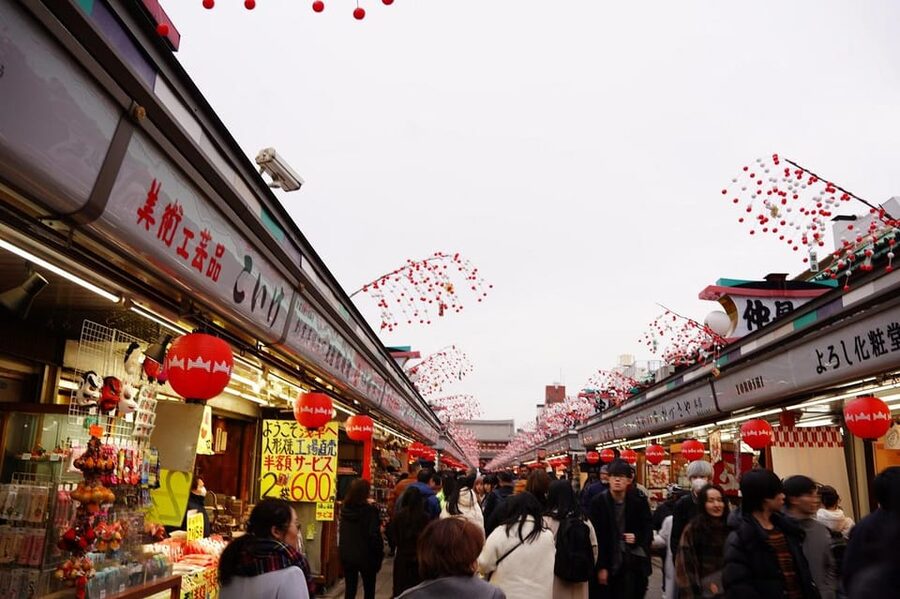
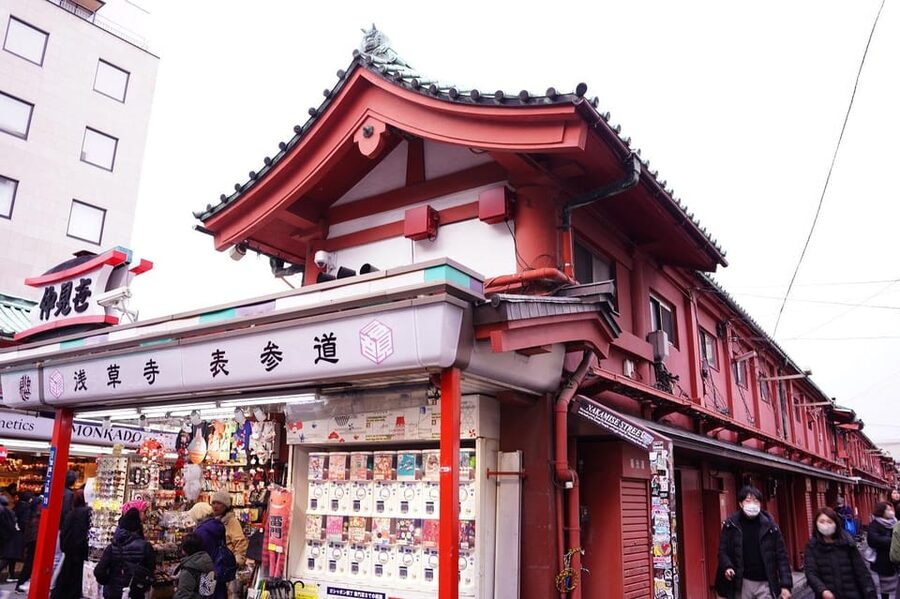
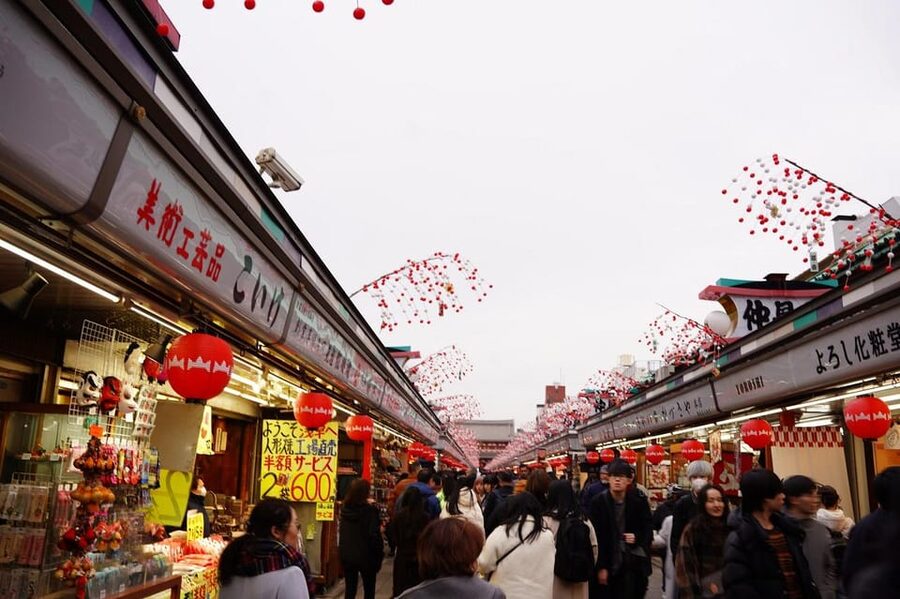
Next comes Asakusa Nakamise Shopping Street. It’s one of the oldest shopping streets in Japan and it’s lined with long-established shops plus souvenir stores aimed at tourists.
Walking Nakamise in kimono feels extra right because the street reads as old Tokyo even in modern times. The guide’s job here is to keep you moving at a photo-friendly pace: enough time to shop or glance at stalls, but not so slow that the whole tour turns into a shuffle.
You should also know what to expect. Entrance fees aren’t part of the tour, so the main costs along Nakamise are on you: snacks, small souvenirs, and anything you decide you can’t leave without. This can be a great chance to buy practical gifts while you’re still in the heart of Asakusa.
If you’re picky about photos, Nakamise is where you’ll get a lot of variety: your kimono patterns against shop facades, gate-adjacent scenes, and street-level compositions that show you’re really in the neighborhood, not just at a landmark.
Senso-ji Temple: prayers, pagoda views, and the photo story arc
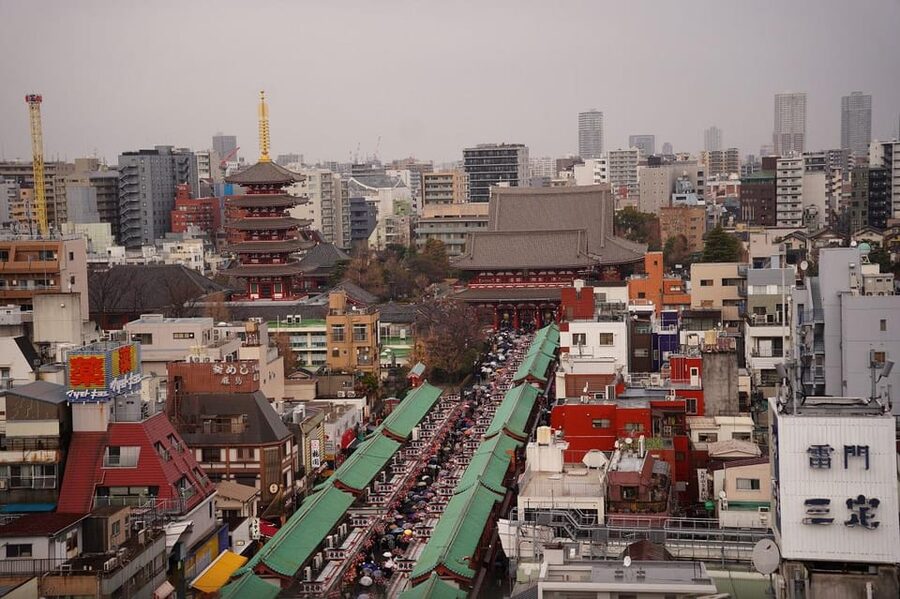
From Nakamise, you head to Senso-ji Temple for sightseeing and a walk that takes about 25 minutes.
Senso-ji is over 1,000 years old, and you can offer prayers there. The five-story pagoda is one of the essential visual motifs tied to Asakusa, and it often shows up in paintings and souvenirs because it’s such a strong landmark.
This stop is more than just a photo backdrop. The guide offers cultural perspective, and that changes how you look. Instead of rushing to get a single shot, you notice details that make your photos feel like a story: the gate framing, the temple landmark shape, and how your kimono color works against temple architecture.
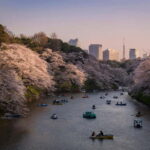
The tour also sets you up to capture a layered view when conditions allow—cherry blossoms with Senso-ji and Tokyo Skytree in one photo. Cherry blossoms are seasonal, so if you’re not in peak bloom, you’ll still get the classic temple + skyline photography idea; you just won’t always get blossoms in the frame.



Timing note that matters
Your time is structured. You’re getting about 25 minutes at Senso-ji, then you return toward Kaminarimon again with another window. That means you shouldn’t plan to treat this like a full temple exploration. If you want deep temple wandering and longer prayer sessions, you might want to add extra time on your own after the tour ends.
Sumida River Terrace: cherry blossoms and Skytree as your final kimono backdrop
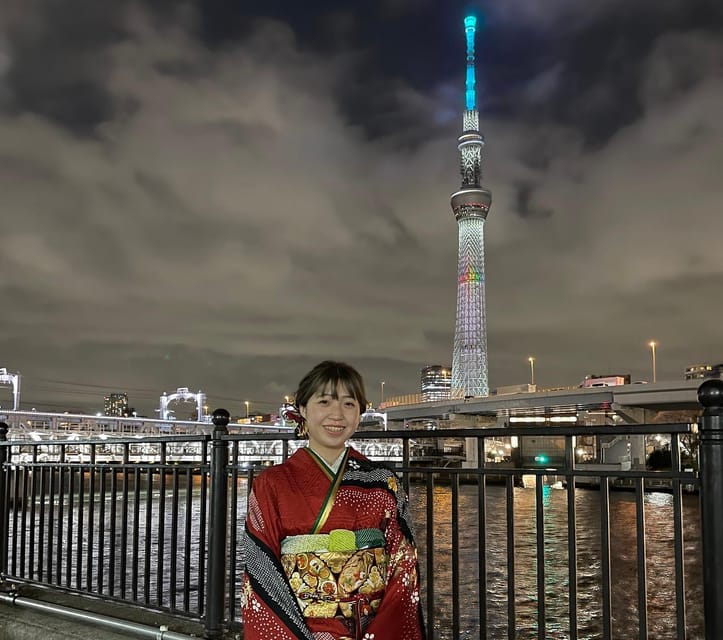
After the temple area, you head to the Sumida River Terrace. The walk includes a stop at Asakusa’s riverside area on the left bank, around the Shirahige Bridge downstream direction. Your time here is about 30 minutes, and this is the moment designed for your kimono + skyline shots.
The framing is the point. The river terrace gives you open space and distance—exactly what you need when you want your kimono in the foreground and Tokyo Skytree in the background. The tour explicitly calls out taking photos with Tokyo Skytree (and cherry blossoms, when they’re present) as the backdrop.
This is also when the guide taking photos for you pays off most. Outdoors at the terrace, it’s easy to get distracted by people walking, boats, or the skyline itself. Having someone else handle the timing and camera position lets you enjoy the view and still leave with photos that look like they were planned.
How Emiko-style guiding turns a rental outfit into real memories
The tour’s most praised element in reviews is the guide experience—especially Emiko. People highlight her kindness and the way she walks you through the dressing fitting, while also sharing cultural knowledge and practical suggestions.
Here’s what that means for you on the ground:
- You’ll understand what you’re looking at, instead of just collecting landmark names.
- You’ll get better choices for where to stand for photos in each scene.
- You’ll likely feel less awkward in kimono, because someone is guiding your pace and your posing.
One review also mentions that the guide helped with selection—choosing the kimono and supporting the best pick from the options at the shop. That’s important because kimono choice can go two ways: either you love what you picked, or you spend the whole day feeling like you’re wearing something that doesn’t suit you. If the guide helps with the decision, you avoid the second scenario.
And yes, some reviews mention lots of photos and video. The tour description says the guide will take pictures for you with your camera; if your guide also captures video, treat it as a bonus, not a guarantee. Still, the overall direction is clear: you’re meant to leave with strong media, not just a couple of snapshots.
Price and value: is $116 a fair deal for a kimono photo guide?
At $116 per person for a 4-hour experience, this is priced like a “you’re paying for the whole package” tour. The included pieces matter:
- Kimono fixed standard fee (so you’re not guessing what’s included)
- An English-speaking guide (plus live tour guide availability in English/Chinese/Japanese)
- A guide with both kimono dressing and tour qualifications
What’s not included:
- Kimono option fee
- Entrance fees
- Transportation
- Food and drinks
- Personal expenses
So the value question boils down to this: are you the type of traveler who wants less coordination and better photos? If yes, this can feel efficient because you get dressing, photo planning, and guided pacing tied together. You’re not trying to solve kimono logistics yourself, then figure out composition in Asakusa while also translating menus.
If you’re traveling super budget-style, you might prefer to rent a kimono and go solo, but you’ll miss the photo coaching and you’ll spend more time handling your own camera. If photos matter to you more than squeezing in every possible stop, this price makes sense.
The small group size (limited to 7) also supports the value. It’s not a big cattle-car tour, which usually means more attention and easier photo coordination.
What you need to know about timing, pace, and meeting up
The whole experience runs about 4 hours, and it’s on foot between key areas. That matters because kimono dressing can take up energy, and then you’re moving through a few distinct zones quickly.
The pace is built for photos and landmarks, not for long detours. Plan to wear comfortable footwear that still works under your kimono setup, and be ready for short walking segments between stops.
You’ll also return to the kimono shop together to return the clothing, which is part of the flow. If you chose a next-day return option, the guide can advise where to go in kimono the next day. That’s a nice option if you want more time in the outfit without rushing your evening.
Finally, use the systems that reduce stress:
- You’ll get contact about kimono details about 7 days before.
- You can contact the company via WhatsApp if you have questions or if anything seems off.
- The guide meets you at Asakusa Sta. 1 gate, orange logo visible.
One negative datapoint you should consider: there was a report of a late start after the tour wasn’t found quickly, leading to a 45-minute wait. That’s rare, but it’s a reminder that meeting-point clarity matters. Being early and using WhatsApp if needed are your best tools.
Who should book this kimono walking and photography tour
This tour fits best if you want:
- Kimono photos that look like they belong in Asakusa, not just a costume snapshot.
- A guide who handles both dressing guidance and photo direction.
- A small group experience that keeps the day manageable in 4 hours.
It’s also a good option for families. One review specifically mentioned a 2-year-old enjoying the experience, and the guide being helpful for that situation. Of course, every child is different, so use common sense with pace and breaks, but the setup is at least compatible with family travel.
If you’re in a wheelchair, you’ll be glad to know the tour is marked wheelchair accessible.
If you hate structured time, or you want hours of slow temple wandering and deep shopping, you might find the pacing a bit tight. In that case, you’d be happier renting kimono on your own and building your own route.
Should you book the Asakusa kimono photo-walk?
I’d book this if photos are a priority and you don’t want to wrestle with kimono logistics, photo composition, and landmark timing all at once. The combination of a guide with kimono dressing qualifications, photo coaching at specific Asakusa spots, and the fact that the guide takes pictures for you with your camera makes it feel like a complete, hands-on experience.
I’d think twice if you’re very sensitive to schedule pressure or if you rely on flawless punctuality without any backup plan. If that’s you, still book—but arrive early, communicate via WhatsApp if anything feels off, and keep expectations realistic for a walking tour in busy Asakusa.
FAQ
Where is the meeting point?
You meet at Asakusa Station on the Ginza Line, at gate 1. The guide stands there with the company Lightspeedstar logo in orange.
How long is the tour?
The tour lasts about 4 hours.
What’s included in the price?
The price includes the kimono fixed standard fee and an English-speaking guide. Entrance fees, transportation, food, and drinks are not included.
Do I get help with the kimono and hairstyle?
Yes. You’ll go to the kimono shop to select a kimono, choose a hairstyle, and have the kimono adjusted. The fitting takes about an hour.
Will the guide take photos for me?
Yes. The guide will take pictures for you with your camera at the photo stops.
What should I do if I have questions before the tour?
The guide contacts you about 7 days before about the kimono. You can also contact the company by WhatsApp if you need help or have questions.