REVIEW · TOKYO
Tokyo: Asakusa and Skytree Go-Kart Tour and Photo Shoot
Book on GetYourGuide →Operated by Monkey Kart · Bookable on GetYourGuide
Tokyo in a go-kart beats the usual sightseeing. This Monkey Kart tour pairs costume-fueled fun with a guided ride through Tokyo’s most photogenic corners, while your guide snaps pictures as you roll by.
I especially like the small group size (up to 6). It means more personal guidance, less waiting, and a smoother flow when you’re learning signals and positioning.
One thing to consider: the driving permit rules are strict. You’ll need a valid 1949 Geneva Convention IDP hardcopy (paper booklet), and this ride isn’t suitable for everyone (including pregnant travelers and people over set height/weight limits).
In This Review
- Key things to know before you go
- Tokyo Go-Karting for about $67: what that buys you
- Meeting at Oshiage and how to start smoothly
- The permit rules that can make or break your ride
- Costume up: making Asakusa feel like a scene
- Cruising Asakusa, Skytree, and Akihabara in one guided loop
- The photo shoot: action shots without doing the work
- Safety and street sense: how first-timers stay calm
- Weather, gloves, and what to wear
- Who should book Monkey Kart’s Asakusa–Skytree–Akihabara ride
- Should you book? My practical take
- FAQ
- How long is the go-kart tour?
- Where does the tour start?
- Do I return to the same meeting point?
- Is there a live guide and what language do they speak?
- How big is the group?
- What’s included in the price?
- What do I need to bring to drive?
- What IDP type is required for driving in Japan?
- Are online or soft copies of the permit valid?
- Is alcohol allowed during the tour?
Key things to know before you go
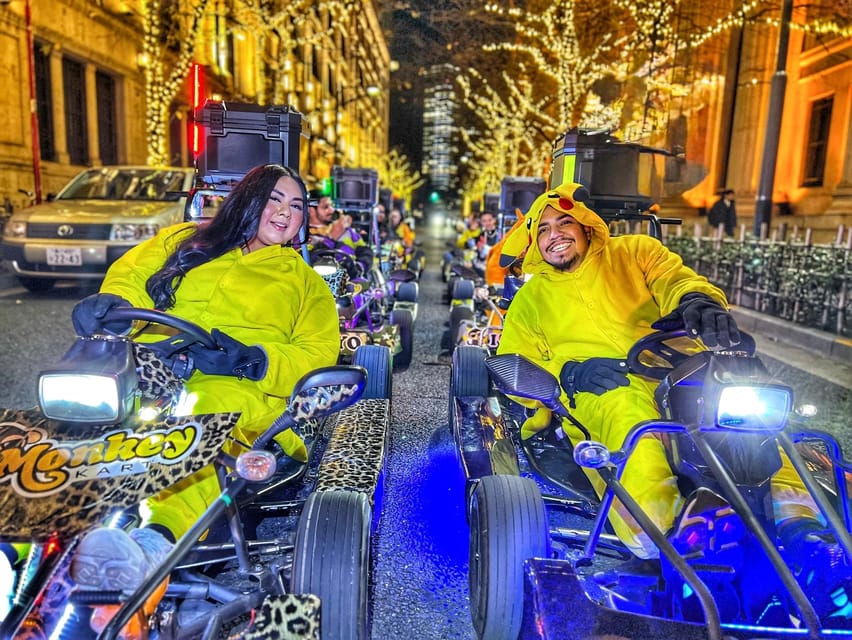
- Asakusa, Skytree, and Akihabara in one hour: you’ll cover major neighborhoods without spending your day hopping trains.
- Costume option: dress up as your favorite character and lean into the silly fun.
- Guide photo shoot included: you’ll get action shots during the drive, not just a single posed photo.
- Small group (max 6): easier instructions and tighter control for a first-time driver.
- Strict IDP rules: the accepted permit type is very specific, and online copies are not valid.
- Arrive 20 minutes early: it keeps the briefing and gear-up from turning into a stress spiral.
Tokyo Go-Karting for about $67: what that buys you
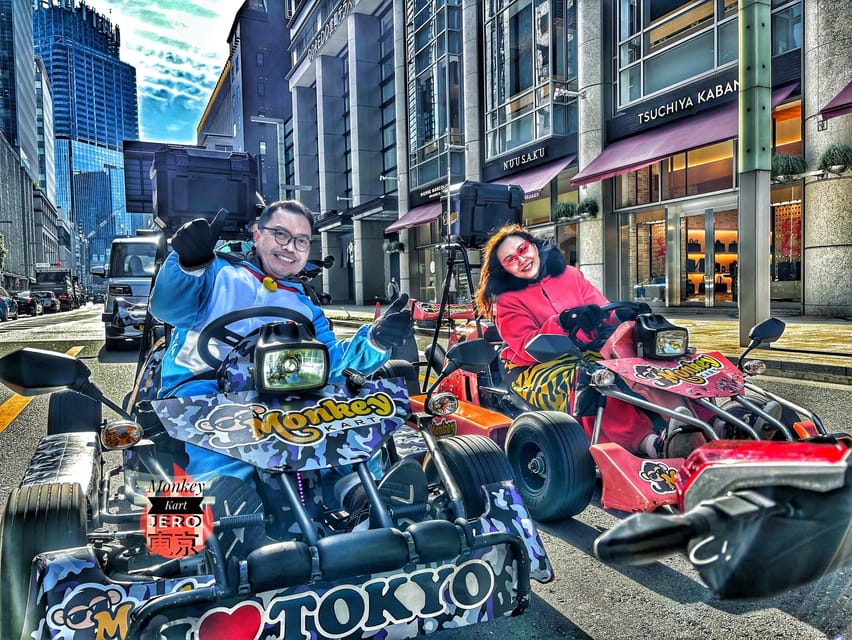
The price is listed as $67 per person for a 1-hour experience. For Tokyo, that sounds like a splurge until you break it down: you’re paying for the kart, a guide, a costume, and the photoshoot all bundled together.
The value here is less about “just driving” and more about the whole package. A go-kart tour can be fun, but it gets better when someone handles routing and timing while you focus on the ride. That’s what you’re buying: a guide-led loop through central Tokyo areas plus a photo service you don’t have to think about.
Also, note what’s not included: optional insurance. If you’re the type who sleeps better with extra coverage, you may want to ask about it when you book. And if you don’t drive, check with the operator about alternatives—one submitted review mentioned a Can-Am bike option for people who don’t drive, but it’s not spelled out in the core tour details you provided.
You can also read our reviews of more tours and experiences in Tokyo.
Meeting at Oshiage and how to start smoothly
Your meeting point is about a 7-minute walk from Oshiage Station, and the activity ends back at the same spot. That simple “start and finish here” setup matters in Tokyo, where efficient planning is half the battle.
Arrive 20 minutes before your time. This isn’t just to be polite. You’ll need time for a quick check-in, guidance, and gear setup before you’re expected to drive. If you show up late, you’re more likely to feel rushed during the safety briefing—exactly when you want to be calm and listening.
Small group format helps with this. With up to 6 participants, you should get clearer instructions and less confusion lining up karts. Many people also feel nervous at first—especially in Tokyo traffic—so having the briefing time buffer is a real comfort.
One more practical note: this is described as a street drive experience. Plan your day so you’re not coming straight from a long commute with tired legs and zero patience. Your future self will thank you.
The permit rules that can make or break your ride
This is the part you must treat seriously: your driving authorization.
You’ll need an International Driving Permit (IDP) in the 1949 Geneva Convention format, and it must be a hardcopy. The tour instructions explicitly say drivers are required to get a hardcopy paper booklet issued by the official agency in your country (examples given include AAA, AA, CAA, and others).
Key points that often trip people up:
- Online or soft copies are not valid.
- 1968 Vienna Convention and several other permit styles are not recognized by Japan (the instructions specifically list them).
- For drivers with licenses from France, Switzerland, Taiwan, Germany, Monaco, and Belgium, you need a Japanese translation of your local license. The information says you can obtain the physical copy from JAF (Japan Automobile Federation).
- Permits from several countries listed in the instructions are not allowed to drive in Japan, and you’re told to check whether your country issues the 1949 Geneva Convention Permit.
My advice: confirm everything before you leave home, and don’t wait until you land. If you show up without the correct paper authorization, the fun ends fast.
Also: alcohol and drugs are not allowed, and intoxication is prohibited. So plan for a clean, sober ride day.
Costume up: making Asakusa feel like a scene
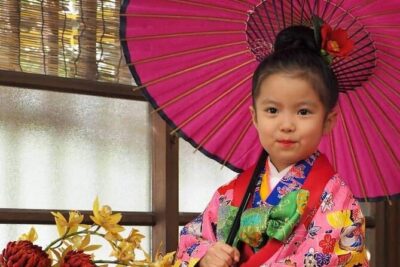
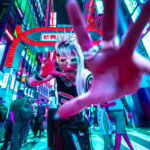
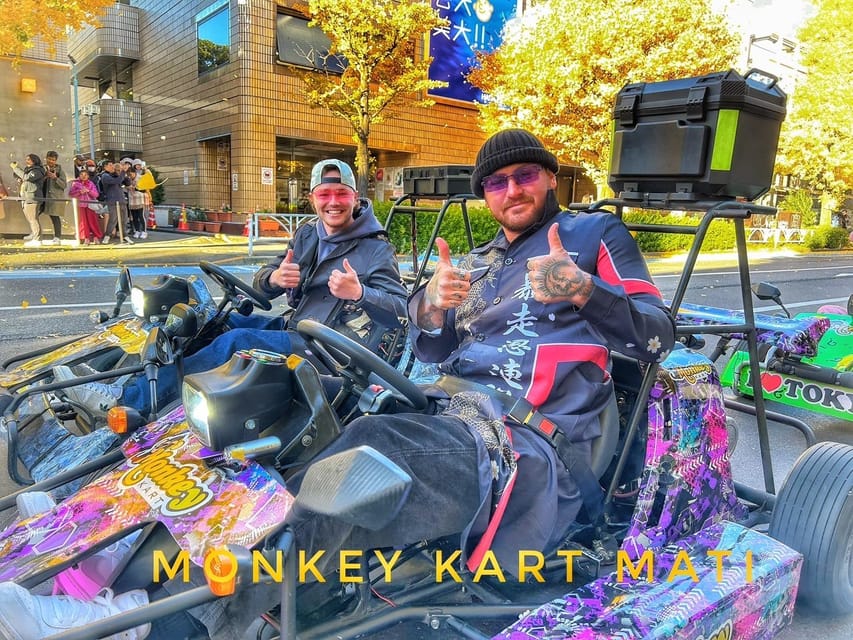
Before you drive, you get the option to dress in a costume of your favorite character. This is one of the best “value-per-minute” parts of the tour because it turns a normal street drive into a performance.
In practice, it also changes the vibe of the ride. People tend to relax when they’re wearing something fun, and your guide can guide the group more smoothly when everyone is game. It’s also an easy way to create photos with personality—especially when the route passes through famous neighborhoods like Asakusa.
Just be practical about it. Choose something that fits well and doesn’t snag while you move and check your gear. The tour includes a costume, so you’re not forced to pack anything special. But you should still dress for driving comfort.
If you’re traveling with friends, costumes can become a mini-competition (best character, best color, best look for Tokyo streets). It’s not required, but it’s a big part of why this experience feels different from a standard sightseeing tour.
Cruising Asakusa, Skytree, and Akihabara in one guided loop
The route is built around three Tokyo areas: Asakusa, Skytree, and Akihabara. The marketing line is straightforward, but what it means for you is the real win: you’re getting quick access to a lot of Tokyo identity without turning your trip into a logistics puzzle.
Here’s what each area brings to your ride:
- Asakusa: classic Tokyo energy, where street life and sightseeing overlap. This is a great place to feel the contrast between slow walking sightseeing and fast motion street driving.
- Skytree area: a major Tokyo landmark zone. Even if you’re not studying architecture, you’ll enjoy the skyline feel and the sense of scale as you drive through the surrounding streets.
- Akihabara: tech and pop culture atmosphere. Seeing it from the driver seat feels way more alive than photos on a screen.
Your guide drives lead, so you don’t have to worry about missing key points. That matters. In Tokyo, street navigation can be mentally exhausting. Here, you just focus on driving, following signals, and enjoying the ride.
One small thing to watch: in your group formation, it helps to pay attention early. There’s a review note about hand signals being hard to see from farther back. So don’t tune out during the first few minutes. If you catch the signals quickly, you’ll feel much more confident as the tour moves.
The photo shoot: action shots without doing the work
Photos are included, and your guide takes them during the drive. You don’t have to stop to manage your camera or beg a stranger to capture your kart pose. That’s the whole point.
At the end, your guide will airdrop or email you all the photos taken. For most people, this is the easiest “keepsake” system because it means no awkward download stations and no hunting for a memory card later.
How to get better results:
- Smile with your whole face, not just your mouth. Fast motion pictures love strong expressions.
- Keep your head up and eyes forward when you’re driving. You’ll get natural angles as you pass through major areas.
- If it’s cold, keep your hands steady. One review mentioned gloves were provided when the weather got chilly, which helps. (So yes, you may get unexpected comfort gear.)
Guide names show up often in the feedback you provided, including people like Lewis, Shuma, Adam, TK, Lara, Hanna, Ken, Jerome, and Shoma. The consistent theme is that guides time the photo moments well and keep the experience fun, not stiff.
Safety and street sense: how first-timers stay calm
Go-karts on city streets sound intimidating. The good news is that the tour is structured around a guide-led formation and instruction, and many people in the feedback say they felt safe as long as they followed directions.
If you’re nervous, here’s what to do:
- Listen carefully during the briefing and don’t rush your learning curve.
- Follow the hand signals and keep distance as instructed.
- Drive smoothly. Aggressive steering or sudden moves only make it harder for the group behind you.
A helpful detail from the way the experience is described: your guide leads so you don’t have to decide routes or chase landmarks. That reduces the biggest cause of anxiety—navigation stress.
Also, small group size helps you feel less chaotic. With only up to 6 participants, instructions are clearer and karts are easier to manage. Many people also mention locals waving or giving thumbs-up as you drive past. That’s a reminder to keep your pace controlled and respectful—Tokyo sidewalks are busy, even when you’re in the road.
Weather, gloves, and what to wear
The tour notes that it may be rescheduled due to rain. So don’t build your entire schedule around a single fixed time slot without flexibility.
Weather is also where real-world comfort matters. One review mentioned the organizers surprised someone with gloves when it got cold. That’s a great sign the operator plans for seasonal conditions.
Still, I recommend you dress for Tokyo weather on the day:
- Wear layers you can move in.
- Use shoes with good grip.
- If you tend to get cold easily, bring something warm under your jacket, even for mild days.
If you want photos that look great, avoid bulky items that mess with your costume fit. But also don’t sacrifice comfort—nothing ruins a “character moment” like numb hands.
Who should book Monkey Kart’s Asakusa–Skytree–Akihabara ride
This is a strong pick if you want Tokyo in motion, not just photos on foot. It’s especially good for:
- People who like fun, themed activities (costume option is a big deal).
- First-time drivers who want a guide leading the way.
- Groups that want something different from the standard temples-and-museums day.
- Anyone who values photos but doesn’t want to do the behind-the-lens work.
It’s not a fit for everyone. The tour data says it’s not suitable for pregnant women, and there are physical limits: over 331 lbs (150 kg) and over 5 ft 9 in (180 cm) are listed as not suitable.
If you fall into those limits, skip this and look for alternative experiences that match your comfort level. The point is to have fun, not to push your body.
Also remember: you need the correct international permit paperwork. If you’re missing the 1949 Geneva Convention hardcopy IDP paper booklet, you can’t make it work at the last second.
Should you book? My practical take
Book it if you want a high-energy, photo-forward Tokyo experience that covers Asakusa, Skytree, and Akihabara in one guided hour. The cost makes more sense when you remember you’re getting go-kart + guide + costume + photoshoot, not just a driving rental.
I’d especially recommend booking if:
- You’re already planning to be in the Oshiage/Skytree area anyway.
- You want an activity that feels like a story, not another “we walked there” day.
- You’re traveling with friends and will enjoy the costume moment.
Don’t book it if:
- You don’t have the correct hardcopy 1949 IDP and (if needed) the Japanese translation.
- You’re unsure you can drive comfortably with the instruction you’ll receive.
- Your schedule can’t handle a possible rain reschedule.
If you’re prepared with the permit paperwork, arrive early, and listen during the briefing, this is one of those Tokyo experiences that turns the volume up—loud streets, big landmark vibes, and photos you’ll actually want to keep.
FAQ
How long is the go-kart tour?
The duration is listed as 1 hour.
Where does the tour start?
The start is about a 7-minute walk from Oshiage Station.
Do I return to the same meeting point?
Yes. The activity ends back at the meeting point.
Is there a live guide and what language do they speak?
There is a live tour guide, and the language provided is English.
How big is the group?
The tour is limited to a small group of up to 6 participants.
What’s included in the price?
Included items are the tour guide, go-kart, photoshoot, and costume.
What do I need to bring to drive?
You need an International Driving Permit (IDP).
What IDP type is required for driving in Japan?
The instructions say you need a 1949 Geneva Convention International Driving Permit, and it must be a hardcopy paper booklet issued by the official agency in your country.
Are online or soft copies of the permit valid?
No. The instructions state that online copy/soft copy permits are not valid.
Is alcohol allowed during the tour?
No. Alcohol and drugs are not allowed, and intoxication is prohibited.