REVIEW · TOKYO
Tokyo Shinjuku Night Photo Tour with Pro Gota
Book on Viator →Operated by Shinjuku Night Photo Tour with Pro Gota · Bookable on Viator
Tokyo at night looks different once someone teaches you where to stand. This Shinjuku night photo tour with Pro Gota sends you to neon streets, lantern-lit alleys, and quieter shrine moments, all with a plan and a photographer in your corner.
I like that you don’t just wander with a phone. You get professionally edited photos (at least 20) plus a guided night route through places like Golden Gai and Shintoshin Pedestrian Bridge.
The main thing to consider is movement: you’ll walk about 3 km and you may stand for extended periods, so it’s not ideal if that’s hard for you.
In This Review
- Key takeaways before you go
- Why Shinjuku Night Photography Works So Well
- Price and What $85.89 Buys You in Real Terms
- Getting Started: Meeting Point and How the Evening Sets Up
- Shinjuku 3-Chome + Welcome Drink: Start With the Right Lighting
- Hanazono Shrine Photo Session: The Calm Break in the Middle
- Golden Gai: Narrow Alleys and Moody, Cinematic Portraits
- Kabukicho and the Godzilla Head: Neon Energy for Bold Shots
- Jouenji Temple Lantern Shoot: Traditional Warmth in Nishi-Shinjuku
- Shintoshin Pedestrian Bridge: Skyline-Backlit Night Portraits
- The Photos: At Least 20 Professionally Edited Results
- Pro Gota’s Style: Attentive Guidance and Local Insight
- Walking About 3 km: Who This Tour Is Best For
- When This Tour Delivers the Best Value
- Should You Book This Shinjuku Night Photo Tour?
- FAQ
- How long is the Shinjuku night photo tour?
- What does the tour cost?
- Is a welcome drink included?
- How many photos will I receive?
- Where does the tour start and where does it end?
- How much walking is involved?
- Is this a private tour?
- What places are included in the photo stops?
- Can I participate if I don’t speak English well?
- What if my plans change and I need to cancel?
Key takeaways before you go
- Pro Gota guides you through Shinjuku’s best photo zones, not random stops
- A welcome drink at a bar is included, so you start the night in the right mood
- Hanazono Shrine, Golden Gai, Kabukicho, Jouenji Temple, and Shintoshin Bridge give you variety in one loop
- You receive at least 20 professionally edited photos, so you’re not stuck sorting hundreds of shots
- Private tour feel means it’s just your group, not a giant crowd experience
Why Shinjuku Night Photography Works So Well
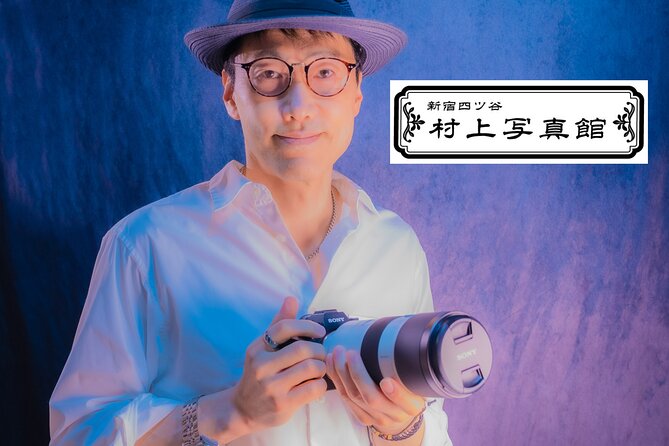
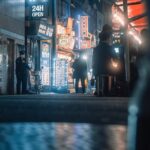
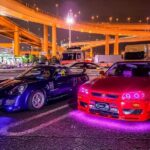
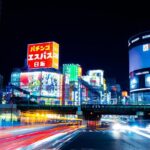
Shinjuku is made for night photos. The glow of signs, the contrast between busy areas and calm corners, and the way streets funnel light toward you all help create images that feel cinematic instead of flat.
What makes this tour especially useful is that you’re not trying to figure out the route yourself while also juggling camera settings or the stress of picking a good spot. Pro Gota helps you hit multiple “vibes” in one evening: warm bar-and-restaurant lighting in Shinjuku 3-chome, narrower alley energy at Golden Gai, neon-and-street intensity at Kabukicho, and then a more traditional, softer scene with lanterns at Jouenji Temple.
And because the schedule is built around photo moments, you spend less time moving aimlessly and more time getting the kind of shots that usually take a lot of trial and error.
You can also read our reviews of more tours and experiences in Tokyo.
Price and What $85.89 Buys You in Real Terms
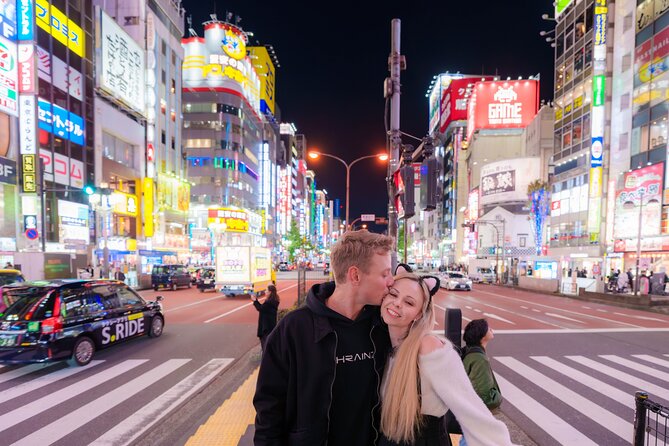
At $85.89 per person for about 1 hour 30 minutes, you’re paying for three things that are hard to replicate on your own: a pro photographer, a structured route, and editing.
First, a photographer’s eye matters at night. Even if your phone or camera is decent, night scenes demand timing, angles, and positioning so people don’t look washed out next to bright signage. Second, the route is doing real work for you: you’re covering multiple standout areas in Shinjuku rather than picking just one neighborhood.
Third, the editing is included. You get at least 20 professionally edited photos, which is the part most DIY efforts miss. Sorting and editing photos can turn a fun night into an after-trip chore. Here, you’re handed polished results you can actually share.
One practical note: since this is a private tour/activity, the value often feels best if your group wants a more personal pacing rather than a high-volume group session.
Getting Started: Meeting Point and How the Evening Sets Up
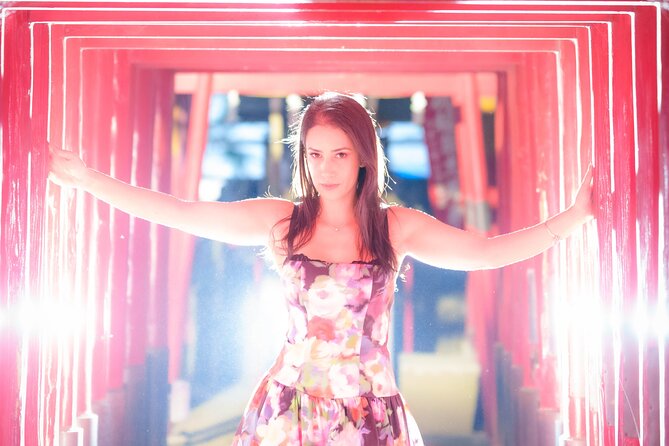
You meet at Marugo GrandeJapan in Shinjuku (Shinjuku City, Shinjuku, 3-chōme, 6-14 1F). The tour ends at 1-chōme-3-17 Nishishinjuku, near a FamilyMart Nishi-Shinjuku 1-Chome store.
I like that the meeting point is specific. In Shinjuku, that kind of clarity saves time and reduces the early-jitters feeling you can get when it’s already dark and streets look similar.
Timing-wise, the total experience runs about 1 hour 30 minutes, so plan to arrive with enough buffer that you’re not rushing at the start. Once you begin, expect the rhythm to be: short walk, photo setup, shoot, move to the next scene.
Shinjuku 3-Chome + Welcome Drink: Start With the Right Lighting
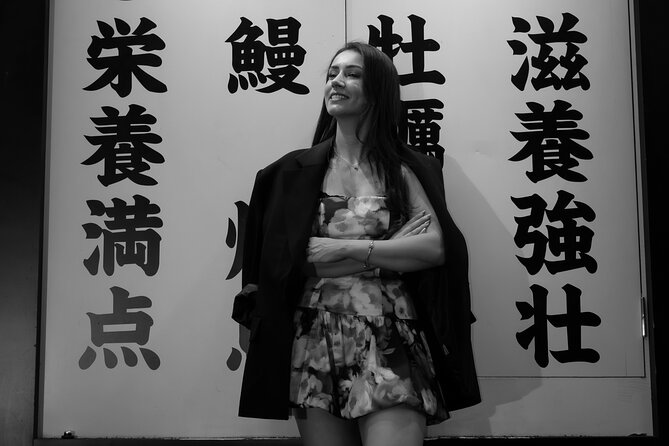
Your first stop is Shinjuku Sanchome, where the tour begins with a welcome drink at a bar. That sounds like a small extra, but it actually changes the tone of the whole session.
A bar with warm light is a great way to ease into night portrait work. People tend to relax more quickly in a casual setting, and Pro Gota can get you comfortable before you head into high-contrast neon zones. It’s also a helpful moment if you’re a little camera-shy. Instead of jumping straight into “pose now,” you start with a low-pressure reset.
This stop is also where the tour gives you a sense of the area’s rhythm: bars and restaurants around you, people moving in the background, and Shinjuku feeling like it’s already in motion.
Hanazono Shrine Photo Session: The Calm Break in the Middle
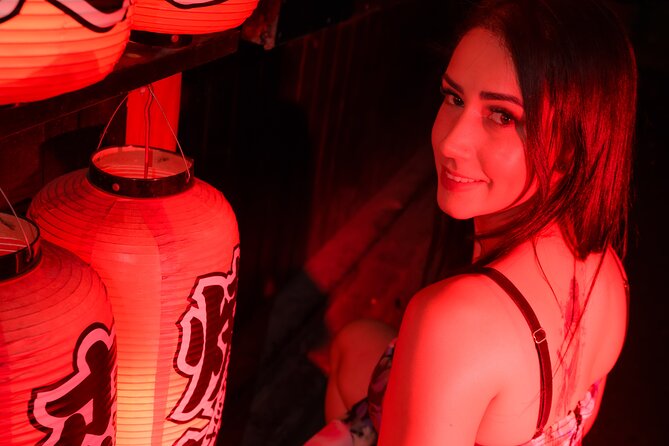
After the energetic start, you step into a different mood at Hanazono Shrine. The attraction here is the contrast: Shinjuku can feel loud and crowded visually at night, and a shrine scene offers a quieter, more historic atmosphere right in the city.
For photos, that calm matters. Instead of only bright signage and hard edges, you gain softer, more traditional character. This stop helps your final photo set avoid being “all neon all night,” which is often what happens when people self-guide with no plan.
A practical takeaway: this is the part of the night where you’ll likely want to slow down a bit and let your photographer guide positioning. Shrine photography rewards patience more than speed.
Golden Gai: Narrow Alleys and Moody, Cinematic Portraits
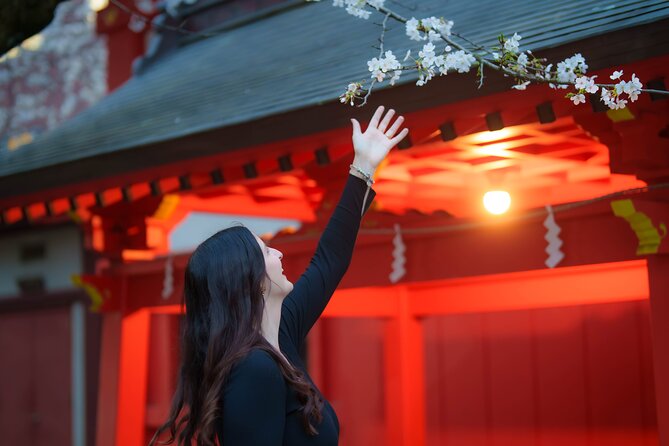
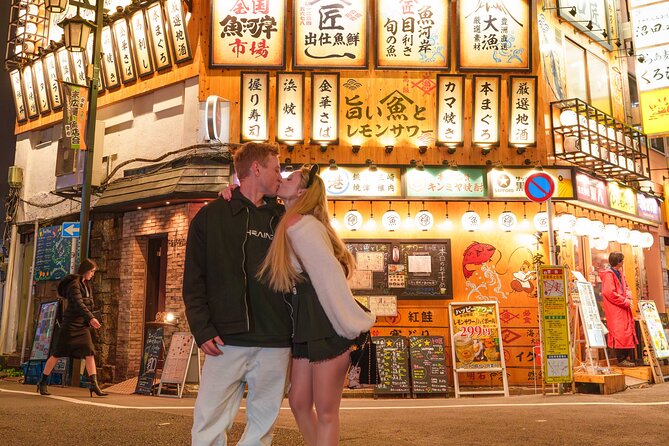
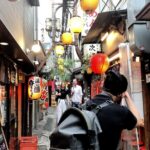
Next comes Golden Gai, one of Tokyo’s most unique nightlife districts. The description says it all: narrow alleys, colorful signs, and a retro atmosphere. That mix is perfect for moody, cinematic portraits—especially at night, when the alley lighting makes backgrounds feel layered instead of messy.
Golden Gai is also a great stop if you want photos that feel more specific to Tokyo. It’s not just a general cityscape shot; it’s about capturing a recognizable atmosphere that you can’t easily recreate in another neighborhood.
Here’s what I’d watch for if you’re new to night photography: alley spaces can change your composition quickly. The photographer’s job is to pick angles where signage and people flow give you good framing. Going with that plan is the whole point of booking a pro route.
Kabukicho and the Godzilla Head: Neon Energy for Bold Shots
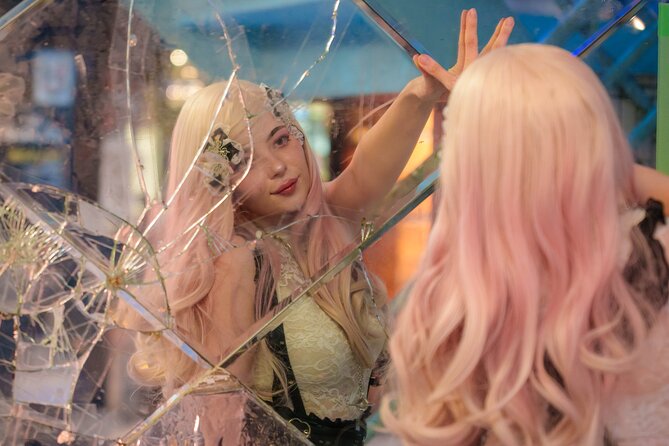
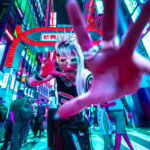
Then you move into Kabukicho, Tokyo’s famous nightlife district, including a stop for the Godzilla Head area. If Shinjuku 3-chome is warm and Golden Gai is moody, Kabukicho is the “turn it up” moment.
This is where neon and busy streets become your backdrop for bold, colorful photos. If you’re after images that look like they belong on a Tokyo poster, this is the area that does that job.
One reason this tour works is that the stops are arranged to build your photo set. Instead of repeating the same style of shot in the same kind of lighting, you rotate through different “photo languages”: warm bar light, shrine calm, alley mood, and neon energy.
Jouenji Temple Lantern Shoot: Traditional Warmth in Nishi-Shinjuku
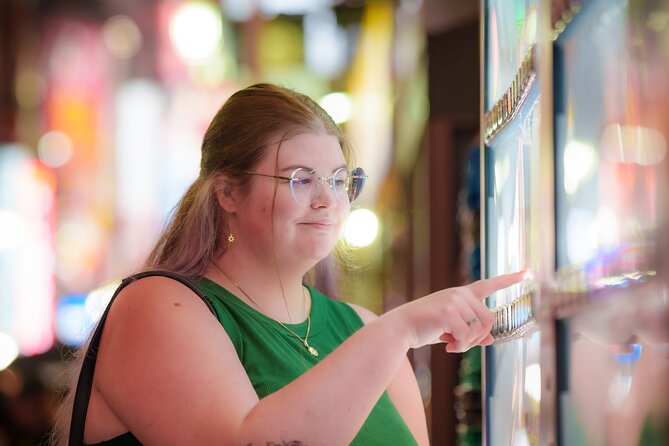
At Jouenji Temple in Nishi-Shinjuku, you get the lantern photo shoot. This is one of those shifts that makes your whole gallery feel more complete.
Lantern scenes add a warm glow that tends to flatter portraits. You’re no longer fighting pure neon brightness; you’re working with a softer, more forgiving light source. Even if your camera work is basic, a lantern-lit environment can make your photos look more intentional.
Also, the tour description frames this as a peaceful, atmospheric hidden-in-plain-sight moment. That’s a useful travel concept: the “best shots” aren’t always the loudest locations. They’re often the ones that balance the intensity of the surrounding city.
Shintoshin Pedestrian Bridge: Skyline-Backlit Night Portraits
Your final photo session is at Shintoshin Pedestrian Bridge for a night view shoot. This is where you capture Shinjuku with the skyline as a backdrop, which is a classic “big Tokyo at night” look.
This stop is also a good closing chapter for the evening. By this point, you’ve already gathered detail shots (signs, alleys, lanterns). The bridge view adds scale and context, making it easier for your photos to tell the story of where you were and what the night felt like.
If you like photos that look like postcards but still include you in the frame, this is the part of the tour that supports that style. The skyline background gives you instant place identity.
The Photos: At Least 20 Professionally Edited Results
The tour includes photo delivery: you receive at least 20 professionally edited photos after the session. That’s a big deal for two reasons.
First, you’ll actually have enough images to choose from without spending your whole trip (and vacation time after the trip) culling and editing. Second, “professionally edited” means you’re not left guessing how to fix noise, color balance, and contrast from night shooting.
From the guest feedback you shared, Pro Gota’s approach is hands-on and attentive, which matters because the edit can only correct so much. Getting good composition and flattering positioning during the shoot helps the final results look polished.
Pro Gota’s Style: Attentive Guidance and Local Insight
The photographer behind the tour is Pro Gota, also mentioned as Gota-san. A theme that shows up is that he’s kind, attentive, and professional, with experience (one guest noted 15 years).
I also like that the tour isn’t only photo mechanics. The tour adds context about Japanese culture and the places you visit—history and meaning tied to what you’re photographing. That turns your photos into more than just pretty frames. They become snapshots you can connect to a real location and its vibe.
One practical detail from guest experience: if language is a concern, you might be able to communicate using Google Translate. That’s not something you should rely on blindly, but it’s reassuring to know it can work.
Walking About 3 km: Who This Tour Is Best For
The tour involves walking about 3 km and may include standing for extended periods. That’s the biggest “fit” question.
This experience is a strong match if you:
- enjoy street scenes and night atmospheres
- want edited photos without spending hours learning night photography
- prefer a guided route through distinct neighborhoods
- like the idea of a private tour where your group sets the pace
It’s less ideal if you:
- have trouble walking that distance or standing for long stretches
- need lots of frequent breaks, since the tour is structured around photo stops
Also consider this: the duration is short, so it moves. If you want a slow wander with lots of downtime, this might feel too scheduled.
When This Tour Delivers the Best Value
This tour is usually great value when you care about results. Specifically, the “payoff” is strongest if you want:
- a set of at least 20 usable photos (edited, not raw)
- a clear, planned route through places like Golden Gai and Kabukicho
- a welcome start with a drink, which helps you enjoy the night rather than treating it like a chore
If you’re the kind of traveler who loves to plan photo walks, you might still enjoy it—because you’ll be comparing your own instincts to a pro’s selection of angles and timing. But the real bargain feeling comes from getting editing and guidance bundled together.
Should You Book This Shinjuku Night Photo Tour?
Book it if you want an efficient night in Shinjuku with a photographer who can guide you to varied scenes and deliver edited results you can use right away. The mix of bar start, shrine calm, Golden Gai alley mood, Kabukicho neon, Jouenji lantern warmth, and Shintoshin skyline is exactly the kind of variety that makes a one-night photo set feel complete.
Skip or rethink if walking and standing for a couple of hours is hard for you, or if you’d rather spend the evening freely wandering without a planned route. For night photography, structure is the point here—and that comes with a bit of physical commitment.
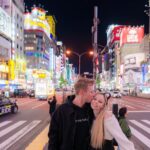
If you’re on the fence, ask yourself: do you want a phone full of similar selfies, or a curated set of edited photos with you in them, from multiple Shinjuku atmospheres? This tour leans hard toward the second option.
FAQ
How long is the Shinjuku night photo tour?
It runs about 1 hour 30 minutes.
What does the tour cost?
The price is $85.89 per person.
Is a welcome drink included?
Yes, a welcome drink at a bar is included at the start of the tour.
How many photos will I receive?
You’ll receive at least 20 professionally edited photos.
Where does the tour start and where does it end?
It starts at Marugo GrandeJapan in Shinjuku 3-chome (6-14 1F). It ends near FamilyMart Nishi-Shinjuku 1-Chome store (1-chōme-3-17 Nishishinjuku).
How much walking is involved?
The tour involves walking approximately 3 km.
Is this a private tour?
Yes, it’s described as a private tour/activity, meaning only your group participates.
What places are included in the photo stops?
The tour includes Shinjuku 3-chome, Hanazono Shrine, Golden Gai, Kabukicho (including the Godzilla Head area), Jouenji Temple, and Shintoshin Pedestrian Bridge.
Can I participate if I don’t speak English well?
The provided info doesn’t guarantee translation support, but at least one guest reported being able to communicate using Google Translate.
What if my plans change and I need to cancel?
You can cancel up to 24 hours in advance for a full refund.