REVIEW · TOKYO
Photoshoot with Professional Photographer in Tokyo
Book on Viator →Operated by Japan Awaits · Bookable on Viator
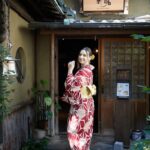
Tokyo photos should look like you belong here. This private shoot pairs a pro photographer with a route built around your interests, so you’re not stuck pleading with strangers for one more selfie.
I especially like that it’s private for just you and your partner, which keeps things relaxed and personal. I also like the promise of a solid photo return: you’ll get at least 10 edited photos after your session, with deliverables that scale for longer shoots.
The main thing to think about is time. A 1-hour session can feel tight if you want to change outfits, so you may want the longer option if you’re planning multiple looks.
In This Review
- Key takeaways before you book
- Why a pro photoshoot beats DIY in Tokyo’s crowds
- From Shibuya, your route is built around you
- Shibuya, the scramble, and after-dark side streets
- Harajuku and Omotesando: fashion streets plus clean architecture
- Meiji Shrine and Yoyogi Park: calm green for couple shots
- Asakusa and Sensō-ji: classic Tokyo close-up details
- Akihabara and Ueno Park: tech neon and a green breather
- Markets and older-temple vibes: fish-auction drama and sacred streets
- Tokyo Station, Ginza, and the Imperial gardens
- Kanda Shrine, Kitanomaru Park, and Edo-style pond calm
- Anata no Warehouse: the cyberpunk curveball in Kawasaki
- Photos you get back: edited counts, unedited versions, and timing
- Price and value for couples at $209.79
- Quick practical notes on weather and pacing
- Should you book this Shibuya-based photoshoot?
- FAQ
- Where does the photoshoot start and end?
- Is this a private photoshoot?
- How many edited photos do I get for a 1-hour session?
- How many edited photos do I get for a longer session?
- When will I receive the edited photos?
- Are the locations chosen based on my interests?
- Do I need to pay for transportation to the locations?
- Is the photographer English-speaking?
- Does the shoot depend on weather?
- When do I get confirmation after booking?
Key takeaways before you book
- Private, couples-first setup: just your group, so you move at a human pace.
- Customized location choice based on your interests and objectives, not a fixed “look left, look right” script.
- Professional street-style results with attention to composition and the surrounding scene (with photographers named Yosuke and Isreal in feedback).
- Clear photo deliverables: 10–12 edited photos for a shorter session, 20–22 edited photos for a longer one.
- No transportation included, so plan on trains or taxis before you arrive at Shibuya.
- Weather matters: it requires good weather, with options if it’s canceled for that reason.
Why a pro photoshoot beats DIY in Tokyo’s crowds
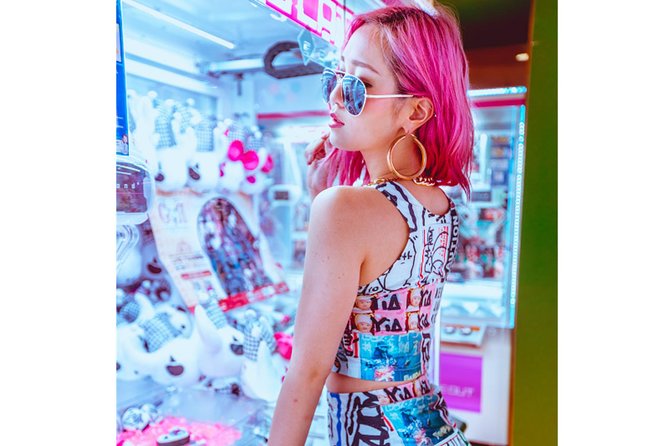
Tokyo is photo-friendly, but it can be awkward for couples. Too many people. Too many requests. Too many “Could you take one more?” moments that turn a fun trip into a mission.
A professional photoshoot fixes that. You get someone focused on you—pose guidance, camera angles, and timing—while Tokyo does what it does best in the background: storefront light, temple textures, street signs, and that never-ending “where do we even look?” energy.
I also like that this isn’t about chasing one perfect landmark. Instead, your photographer chooses the best nearby stops for the style you want—street scenes, traditional streets, neon shopping zones, or softer parks. That’s how you end up with photos that feel like your day, not a stock postcard.
The catch: you’ll still be walking. And because you’re in public spaces, you’ll want to dress comfortably and be ready to move steadily.
You can also read our reviews of more tours and experiences in Tokyo.
From Shibuya, your route is built around you
This experience starts in Shibuya and ends back at the meeting point, so you’re not planning an all-day logistics puzzle. Your photographer is English-speaking and works with you to select locations based on your interests and objectives.
That “pick locations based on you” part matters more than it sounds. A couple who wants Harajuku fashion and a couple who wants quiet shrine forest portraits will need different timing, different streets, and different pacing. The route selection helps you get the look you actually want instead of forcing a single theme.
In practical terms, it also means you can steer the shoot away from places you don’t care about. You might love street photography style around places like Omotesando and Aoyama (that style is specifically called out by a photographer named Yosuke in feedback). Or you might want classic temple-area details and incense-stall energy in Asakusa.
One more useful note: the photos include both edited photos and unedited versions. You’re not just getting a final set—you’re also getting the rawer backup versions for more variety.
Shibuya, the scramble, and after-dark side streets
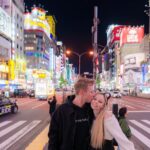
Shibuya is the obvious place to start for a reason: it’s one of Tokyo’s most recognizable photo settings. You’ve got Shibuya Station, the famous bronze Hachiko statue, and the “everyone crossing at once” feeling near the big scramble intersection. Even if you’ve seen it on Instagram, in person it has that kinetic, go-all-directions energy that looks great in photos with motion and street contrast.
You also get options for the mood. The experience includes a stop that’s described as a small side street with mostly shopping and a few restaurants—especially worthwhile after dark. That’s your chance at photos that feel less “giant landmark” and more “Tokyo at street level,” with signs, doorways, and warm lighting.
Two practical considerations:
- The famous spots can be crowded. A pro helps you time angles and spacing so you don’t get stuck waiting while everyone recreates the same shot.
- You’ll likely do a mix of wide shots (for the setting) and closer couple frames (for connection). If you want more close-ups, tell your photographer early.
Harajuku and Omotesando: fashion streets plus clean architecture
If your Tokyo wish list includes fashion, you’ll probably love the Harajuku-to-Omotesando stretch included here. Harajuku is known for colorful street fashion and quirky stores, with Takeshita Street right by the station area. It’s busy, yes—but that’s also why it’s visually strong for couple photos: bright details, playful styling, and eye-catching storefronts.
Then you can shift into a more design-forward look with Omotesando—including the sloping boulevard atmosphere in Omotesando Avenue and the architecturally noted shopping streets around Omotesando Hills. There’s also a stop at Tokyu Plaza, described as a beautifully designed entrance and one of Tokyo’s most “instagrammable” spots. (If you like sharp lines and modern façades in your photos, this is your area.)
Here’s the real value: you’re covering different photo styles without needing to change neighborhoods on your own. A single shoot can go from playful street-shopping textures to smoother, more editorial-looking architecture.
A heads-up: Takeshita Street can be extremely busy at times. If you hate shoulder-to-shoulder crowd shots, say so up front. Your photographer can still use the area for background context while positioning you where you can breathe.
Meiji Shrine and Yoyogi Park: calm green for couple shots
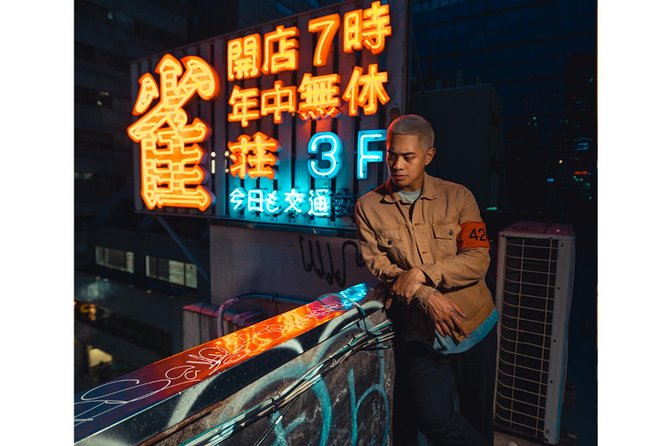
Tokyo’s parks are useful in photos because they break the visual noise. The experience includes Meiji Shrine, with its forested setting, plus Yoyogi Park, a major green escape near Harajuku.
This is the part of your shoot that can feel like a mental reset. Temple grounds and green spaces give you:
- softer backgrounds (less chaos behind you),
- natural light that flatters faces,
- and calmer body language.
If you’re aiming for classic “we’re in Tokyo” portraits but want them to look peaceful rather than crowded, Meiji Shrine plus Yoyogi Park can do that in a way that a shopping street can’t.
Bonus timing idea (not a guarantee, just a strategy): if you want park shots with a calmer feel, you’ll generally want your photographer to handle crowd-heavy transitions carefully. Pro planning makes a big difference here—especially when you’re trying to keep photos looking intentional instead of surrounded.
Asakusa and Sensō-ji: classic Tokyo close-up details
Asakusa gives you older Tokyo vibes—craft shops, street-food energy, and the kind of everyday texture that makes photos feel lived-in. The experience includes stops around Nakamise Street near Sensō-ji, plus Asakusa Shrine, also known as Sanja-sama.
Sensō-ji is described as Tokyo’s oldest temple, which matters because the setting isn’t just pretty—it’s historically “weighty” even in a photo. You get strong visual cues: stone textures, temple gates, lantern-like details, and streets that feel like they’ve been doing the same rhythm for a long time.
Sanja-sama (Asakusa Shrine) adds another layer. Shrine grounds can give you cleaner portrait backdrops—arches, pathways, and traditional elements that frame a couple nicely.
Possible drawback: this is one of the most popular areas, so crowds are a factor. A pro can help you choose angles where people blend into background rather than stealing attention. If you want photos that look intimate, tell your photographer your preference for close framing versus wide “show the whole street” compositions.
Akihabara and Ueno Park: tech neon and a green breather
Tokyo’s variety is real, and the route here plays that card. Akihabara is included as the electronics shopping hub—ranging from tiny stalls to bigger stores like Yodobashi Multimedia Akiba. If you love tech branding, store signage, and that energetic “you can shop forever here” feel, it’s a strong photo zone.
Then you can switch gears to Ueno Park, described as Tokyo’s largest green space and one of its most popular attractions. Ueno Park is perfect for a reset: you can get greenery, softer background tones, and more breathing room between crowd-heavy stops.
If you’re planning outfits, this is a smart place to match your look to the scene:
- For Akihabara, brighter details often photograph well against electronics signage.
- For Ueno Park, simpler outfits can make your faces pop against the calmer background.
Also, the experience includes Hibiya Park later near the Imperial area (another park option). So if you like green in your photos, you can end up with a mix—shrines, parks, and calmer portrait-friendly settings.
Markets and older-temple vibes: fish-auction drama and sacred streets
The itinerary includes a stop at a sprawling wholesale fish market, described with viewing areas and a popular tuna auction. Even if you’re not there for the full auction experience, market areas are visually intense: fish stalls, equipment shapes, and the feeling of Tokyo’s work-life energy.
Just keep expectations realistic. Market scenes can be hard to photograph if you want a very posed, “studio clean” look. But they can deliver photos with personality—motion, contrast, and that “this is happening right now” feel.
The experience also includes the “oldest temple” element in the Tokyo classic zone (Sensō-ji is already part of Asakusa here). That combination is powerful: you can get both street-life drama and then switch to sacred, traditional calm.
One practical tip for you: if markets are part of your must-do list, wear comfortable shoes and be ready for standing and walking in tight spaces.
Tokyo Station, Ginza, and the Imperial gardens
If you want big-city elegance, Ginza is included—packed with high-end boutiques plus ritzy cocktail and sushi bars. For photos, that typically translates into polished streetscapes, clean storefront looks, and a more “night-out Tokyo” vibe.
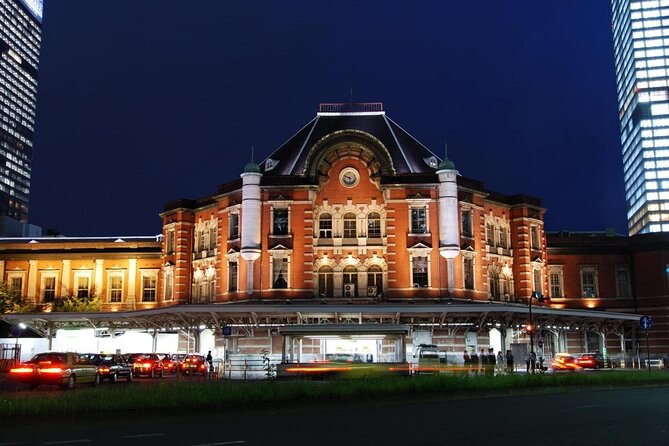
You also get Tokyo Station, famous for its beautiful red brick building. This is the kind of architecture that instantly turns a couple photo into something you’d frame. It’s also a strong “time stamp” location—so if you want your photos to feel like a narrative, Tokyo Station helps anchor the story.
Then there’s the Imperial Palace grounds, described with scenic gardens and tours of the grounds, plus a quieter area around Hibiya Park near the Imperial Palace and Ginza. Gardens can help you get softer, calmer couple shots after busier districts.
And yes, there’s a route option for cherry-blossom type scenery too—there’s a stop noted as a small park known for spring blossom on the outer side of the imperial palace moat.
If you’re thinking about photos that look less like “we visited a place” and more like “we lived a day in Tokyo,” this zone does that job well.
Kanda Shrine, Kitanomaru Park, and Edo-style pond calm
Some of the most satisfying photos are the ones that feel less like a theme park. This experience includes Kanda Shrine, described as dating back about 1,270 years (with the current structure rebuilt multiple times due to fire and earthquakes). That gives you traditional shrine energy without feeling like you’re only in the biggest tourist center.
It also includes Kitanomaru Park, near the Nippon Budokan area, plus other palace-era settings such as a public park laid out in an Edo-period style on the site of a Shogun villa.
These stops can add variety in your final set:
- shrine textures and traditional gates,
- open park space for easier posing,
- and historical-feeling pathways and ponds.
Potential drawback: since these are not the only stops available, your exact selection depends on your photographer’s route plan and timing. If these are your top picks, be clear about that in your initial preferences.
Anata no Warehouse: the cyberpunk curveball in Kawasaki
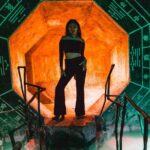
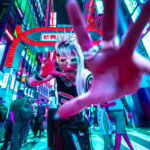
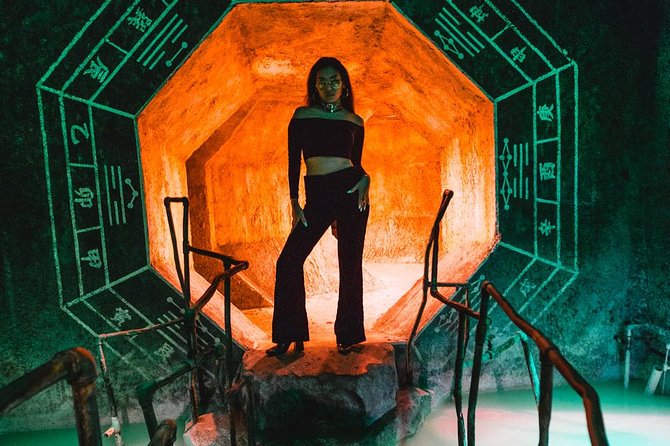
Not all Tokyo photos have to look like Tokyo streets. The experience includes Anata no Warehouse in Kawasaki, described as a five-story arcade facility built to look like the former Kowloon Walled City from Hong Kong, with a cyberpunk aesthetic.
This is where your photos can turn from “travel snapshots” into “stylish character scenes.” If you like dramatic lighting, dense textures, and a film-still vibe, this stop is a great way to add contrast to more traditional Tokyo settings.
One consideration: arcade spaces are visually busy by nature. That’s exactly why a pro matters—composition and positioning are what prevent the final photos from looking like visual clutter.
Photos you get back: edited counts, unedited versions, and timing
Here’s what you can plan on. For a 1-hour session, you receive 10–12 edited photos plus unedited versions. For a 2-hour session, you receive 20–22 edited photos plus unedited versions.
You should also expect delivery within a few days for the edited photos. That’s useful if you’re still in Tokyo while waiting, or if you want photos ready for sharing soon after your trip.
My favorite part of this setup is the editing structure paired with the unedited backups. Edited photos give you the polished hero images. Unedited versions give you options if you want to compare timing, expressions, or framing.
Outfits matter too. The experience notes that changing outfits is often enjoyed, but a 1-hour session may not give enough time for wardrobe changes. If you want multiple looks—street style then shrine-garden calm—consider booking the longer option.
Price and value for couples at $209.79
At $209.79 per person, this isn’t the cheapest activity in Tokyo. But it often feels fair when you compare it to the real cost of making good photos happen on your own.
Think about what you’re buying:
- a professional with camera skill and composition,
- someone who can guide posing so you don’t waste half your time figuring out what to do with your hands,
- and a guaranteed deliverable set (10–12 or 20–22 edited photos).
You also get the major convenience factor: you don’t have to ask strangers to take photos of both of you. In a city where people are busy and crowded, that alone can save stress.
The one value dip: transportation to/from attractions isn’t included. You’ll want to factor in train or taxi costs on top. The good news is the experience starts near major transit in Shibuya, and the activity is near public transportation overall.
If you’re traveling as a couple and you care about photos that feel intentional, this is one of the easier “pay once, benefit a lot” deals.
Quick practical notes on weather and pacing
This experience requires good weather. If it’s canceled due to poor weather, you’ll be offered a different date or a full refund. That’s the simplest version of the weather gamble—no endless debates.
Pacing-wise, plan for walking between stops and for short transitions. Because your locations can vary based on your interests, the shoot feels tailored, but you still want a calm mindset: treat it like a guided photo walk, not a sprint.
Also, if you want to look your best, don’t overstuff your plan. Come dressed for the first half, and if you’re doing outfit changes, the longer session option is the safer bet.
Should you book this Shibuya-based photoshoot?
Book it if:
- you’re traveling as a couple and want photos that look like Tokyo, not like a rushed phone snap,
- you want custom location choices instead of a fixed sightseeing route,
- and you value getting a set of edited images quickly, with a clear count.
Skip it or reconsider if:
- you’re allergic to walking in crowded areas,
- you need super-specific timing for one landmark only,
- or you’re booking with shaky weather expectations.
If you want a strong photo story from your Tokyo trip—and you’d rather spend money on pictures than on chasing strangers for them—this is an easy yes.
FAQ
Where does the photoshoot start and end?
It starts in Shibuya, Tokyo, Japan. The activity ends back at the meeting point.
Is this a private photoshoot?
Yes. It’s a private photoshoot with only your group participating.
How many edited photos do I get for a 1-hour session?
For a 1-hour session, you get 10–12 edited photos plus unedited versions.
How many edited photos do I get for a longer session?
For a 2-hour session, you get 20–22 edited photos plus unedited versions.
When will I receive the edited photos?
You’ll receive the edited photos within a few days.
Are the locations chosen based on my interests?
Yes. The photographer will choose locations based on your interests and objectives.
Do I need to pay for transportation to the locations?
Transportation to and from attractions is not included.
Is the photographer English-speaking?
Yes. The photoshoot includes an English-speaking professional photographer.
Does the shoot depend on weather?
Yes. The experience requires good weather. If canceled due to poor weather, you’ll be offered a different date or a full refund.
When do I get confirmation after booking?
You receive confirmation at booking time unless you book within 7 days of travel, in which case confirmation is provided within 48 hours (subject to availability).