REVIEW · TOKYO
Tokyo Sumo Morning Practice Tour w/ Ring-Side Seat + Photo Shoot
Book on Viator →Operated by MagicalTrip Inc. · Bookable on Viator
Tokyo sumo practice feels almost unreal. You’re going to a working sumo stable (heya) for a morning session, then you finish with a calm walk at Kiyosumi Gardens. The setup is simple: show up early, watch training up close, and get a photo moment built in.
My favorite part is how serious the practice feels. There’s no circus vibe—just stretching, repetitive drills, and training bouts the way this sport actually runs. I also love the human touch from the guide, with Marie mentioned again and again for making the rules and routine click fast.
One thing to plan for: stable rules are strict, including where you can go and how photography works. You may end up in a less-than-front row seat if you’re late, and photo permissions can vary depending on the stable that morning.
In This Review
- Key things you’ll notice on this Tokyo sumo tour
- Morning sumo at a heya: what you’re really buying
- Getting there the easy way: meeting point and timing that matters
- Stop 1: the sumo stable practice (tatami-only viewing and close-up training)
- Your guide makes the difference: Marie’s role in understanding sumo
- Stop 2: Kiyosumi Gardens cool-down and where to take a breath
- The “ring-side seat” idea and what you should expect in reality
- Value check: is $99.10 worth it?
- Who this tour suits best (and who should think twice)
- Weather, etiquette, and the rules you’ll actually encounter
- Should you book this Tokyo sumo morning practice tour?
- FAQ
- What time does the tour start?
- How long is the Tokyo sumo morning practice experience?
- Where do I meet for the tour?
- Is there an admission fee to watch the practice?
- Is the tour suitable for children?
- Is photography allowed during the practice?
- What happens if the sumo stable cancels the practice?
Key things you’ll notice on this Tokyo sumo tour
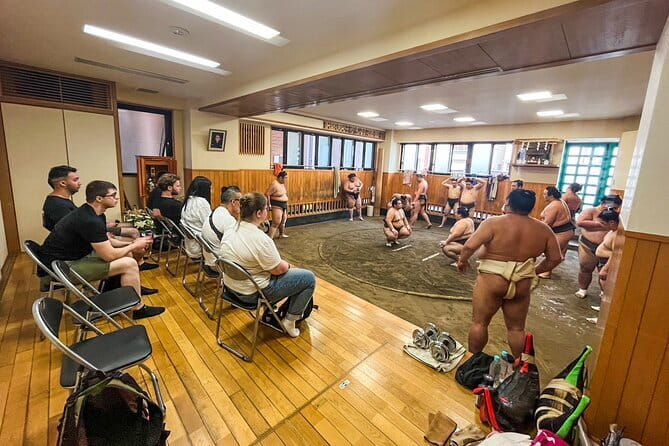
- A real morning practice at a heya: you watch training at the source, not a staged performance
- Small group access: capped at 10 travelers, which keeps the viewing calmer
- Close seating is first-come: arrive on time to maximize your view from inside the stable
- Guide commentary helps you understand what you’re seeing: Marie is specifically praised for this
- Photo session included, but not guaranteed in every way: stable policies can limit photos
Morning sumo at a heya: what you’re really buying
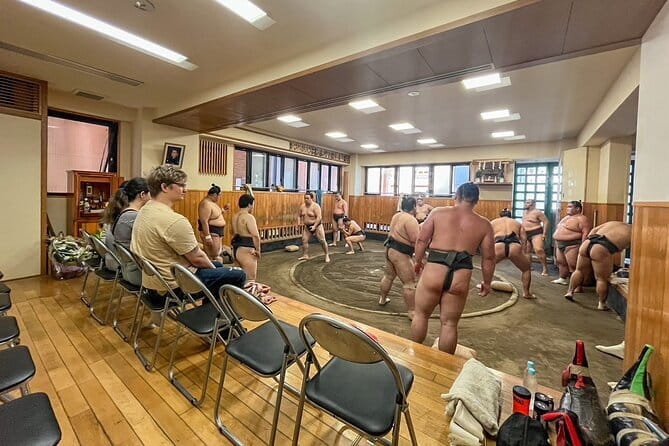
This tour is built for people who want the straight answer on sumo. You’re not just looking at big guys in traditional outfits—you’re watching training that’s clearly structured, intense, and deeply ritualized. Even if you only know the basics, you’ll leave with a better sense of how wrestlers spend their mornings and why that matters.
You’re also paying for access, not spectacle. The session is free of separate admission fees, but the real value is being guided into the stable routine with commentary so you don’t have to guess what each drill is for. And because the group is small, you’re more likely to get a respectful viewing experience that doesn’t feel like a crowd event.
You can also read our reviews of more tours and experiences in Tokyo.

Getting there the easy way: meeting point and timing that matters
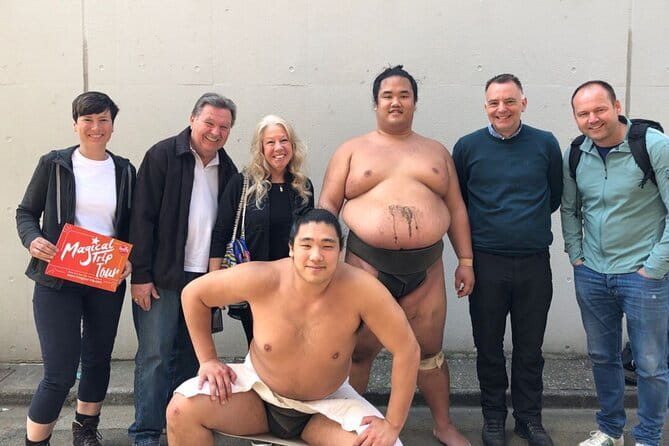
You meet at Koto City’s Kiyosumi area at 8:30am, specifically at 3-chōme-11-1 Kiyosumi, Tokyo (near Kiyosumi Shirakawa Station). The tour starts promptly, and late arrivals won’t be able to join, with no refunds or rescheduling for missed tours—so I strongly suggest you treat this like an early train appointment.
Two small practical tips make a big difference. First, use the restroom before you go in—restroom access may not be available during practice. Second, dress for real weather; Japan swings hard, with summer heat reported up to 40°C and winter lows down to -5°C.
Also keep an eye on how you’ll move once inside. Only tatami areas are accessible, and other zones are off-limits, so wear clothing you can stand and watch comfortably in.
Stop 1: the sumo stable practice (tatami-only viewing and close-up training)
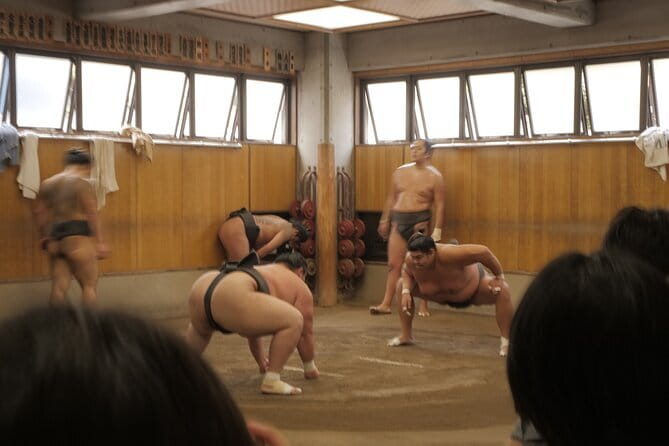
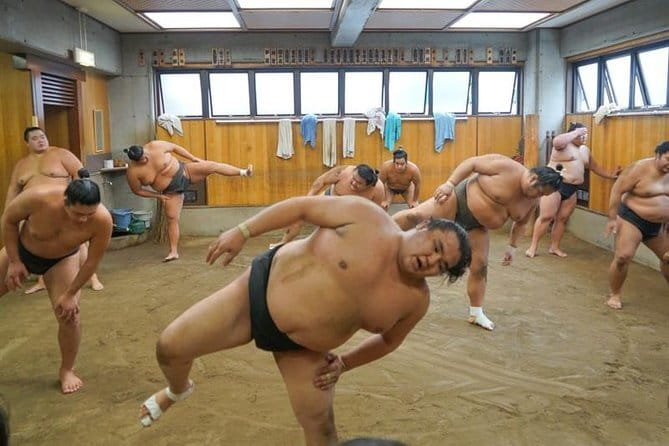
This is the heart of the tour: about 1 hour 30 minutes watching a morning practice at a sumo stable in Kiyosumi. You’ll be accompanied by a guide who answers questions and puts structure around what you’re seeing. The viewing itself is close, but it’s not a free-for-all—inside the stable, you’re expected to follow their rules.
Here’s what this stop typically feels like in practice:
- You watch stretching and repetitive drills that look simple but are clearly part of a much bigger routine.
- You see training bouts that feel as close to competition prep as you can get without being in a tournament.
- You’ll notice the wrestlers are focused. The routine isn’t built for an audience, so the best mindset is to observe quietly.
Seating is first-come, first-served inside the stable. Some groups end up in earlier rows, others farther back—one review noted being in the back row—but the overall point is the wrestlers still train without letting spectators distract them. If you want the best view, arrive early and be ready when you’re called to sit.
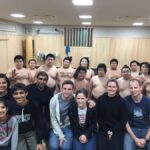
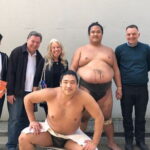
Photography is a “maybe” situation. The included photo moment is part of the tour, but the stable’s policy controls what’s allowed that day—taking photos of wrestlers, and even photos with wrestlers, may or may not be permitted. I’d plan for the guide to explain what’s possible once you’re there, rather than assuming everything is guaranteed.
If you leave the stable during practice, you can’t count on re-entry. So if you think you might need to step out, do it calmly and early—don’t treat it like a casual museum visit.
Your guide makes the difference: Marie’s role in understanding sumo
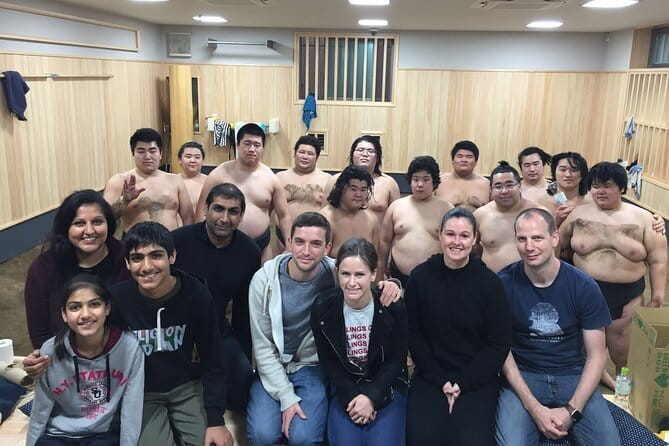
This tour lives or dies by interpretation. You’re watching a sport with traditions and routines that aren’t obvious at first glance. That’s why the guide matters so much, and Marie is repeatedly praised for being passionate and clear about what you’re seeing.
In practical terms, what a good guide does here is translate the invisible stuff:
- what the training sequence is trying to accomplish
- what you should watch for during bouts
- how to think about sumo as a sport, not just a spectacle
If you’re a total beginner, that context can turn a cool video into something you genuinely understand. If you’re already a sumo fan, it helps you connect the morning drills to the larger world of rikishi training and discipline.
Stop 2: Kiyosumi Gardens cool-down and where to take a breath
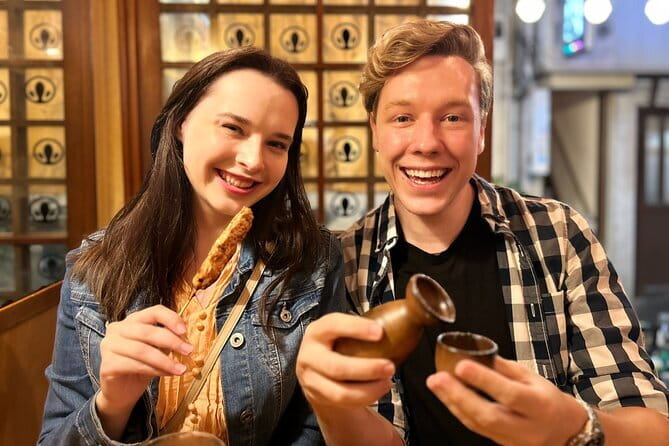
After the practice, you head to Kiyosumi Gardens for about 30 minutes to cool down. This part is lower intensity by design. You’ve just watched a high-focus training session, so it’s a nice counterbalance: a chance to slow your pace and let the experience settle.
It also gives you time to ask any last questions while you’re not standing inside the stable. If you’re the type who wants to keep learning, this is where you can circle back—especially if something during practice made you wonder how it works.
Then the tour ends back at the meeting point.



The “ring-side seat” idea and what you should expect in reality
The tour name promises ring-side seating, and what that means on the ground is close, intentional viewing. Inside the stable, you’re placed based on seating availability, and that’s first-come, first-served. So if the front row is a big deal for you, the best strategy is simple: get there early, don’t show up at the last minute, and follow the guide’s instructions.
One more reality check: the stable you visit can affect photography rules. The photo shoot is included, but some days might have tighter restrictions than others. If your priority is photos with the wrestlers, keep expectations flexible. I’d also focus on getting good observational photos only when the stable allows it.
Value check: is $99.10 worth it?

At $99.10 per person, this tour isn’t a bargain buffet. But it also isn’t priced like a generic city activity. You’re paying for access to a morning practice, a small group limit (maximum of 10 travelers), and guided commentary that makes the sport easier to understand.
What pushes the value higher:
- You watch real training at a stable, not a performance staged for tourists.
- The admission to attend the practice is free (no separate entrance fee).
- You get a built-in photo moment, which often costs extra on other experiences.
- The tour is time-efficient at about 2 hours, which fits easily into a Tokyo morning schedule.
What might lower the perceived value for some people:
- If you mainly want action and don’t care about explanation, you may enjoy it less than a sumo fan would.
- If your must-have is lots of photos or lots of interaction, stable policies can limit what you’re allowed to do.
For most sumo fans, though, the math works. You’re essentially buying a guided, respectful pass into a place most visitors never see.
Who this tour suits best (and who should think twice)
This is best for people who want sumo as a sport and a discipline. If you love watching training, you’ll likely enjoy the structure: stretching, drills, and bout practice with the wrestlers clearly intent on their work. Reviews also point out that the experience feels authentic, with no hokey get-in-the-ring style staging.
It’s also a strong fit if you’ll be in Tokyo but not during tournament season. A morning stable practice is the closest thing many visitors can get to seeing how rikishi prepare day to day.
This is less ideal if:
- you can’t commit to a prompt 8:30am start
- you strongly need flexible plans if the practice schedule changes
- you’re traveling with someone under 12 (you can’t enter the stable under that age)
Weather, etiquette, and the rules you’ll actually encounter
A few stable rules shape the experience more than you might expect. Only tatami areas are accessible, and other spaces are off-limits. The stable can also refuse entry or participation if you behave disruptively or disrespect their regulations, without refund.
Photography rules vary by stable. Even if you arrive ready for the photo session, permission depends on the day’s policy. If photos are important to you, take the guide’s lead on what’s allowed and what’s not.
Finally, remember that the practice schedule can be adjusted last minute depending on the wrestlers’ condition or tournament commitments. If the stable cancels, you get a full refund promptly. Practice length can also vary, so the 2-hour estimate is a guide, not a strict promise.
Should you book this Tokyo sumo morning practice tour?
If you’re a sumo fan or you want the real thing, I think this is an easy yes. The small group size, the guide’s explanation (Marie gets real praise here), and the fact that you’re watching training in an actual stable all add up to a meaningful morning.
Book it if you’re willing to follow rules, arrive on time, and treat the stable like a workplace, not an attraction. If you need a lot of photo freedom or lots of interaction, go in with flexible expectations based on stable policy.
If you want Tokyo experience that feels both traditional and practical—where you learn what sumo practice looks like when no tournament is happening—this one delivers.
FAQ
What time does the tour start?
The tour starts at 8:30am.
How long is the Tokyo sumo morning practice experience?
It runs about 2 hours total (with an approximate 1 hour 30 minutes at the stable and 30 minutes at Kiyosumi Gardens).
Where do I meet for the tour?
You meet at 3-chōme-11-1 Kiyosumi, Koto City, Tokyo 135-0024, Japan, near Kiyosumi Shirakawa Station.
Is there an admission fee to watch the practice?
No. There is no separate entrance fee for attending the sumo morning practice.
Is the tour suitable for children?
The tour is only available to guests aged 12 and over. Guests under 12 are not permitted inside the sumo stable.
Is photography allowed during the practice?
Photography is subject to each sumo stable’s policy. Depending on the day, taking photos of the wrestlers or with the wrestlers may not be allowed.
What happens if the sumo stable cancels the practice?
If the stable cancels, you receive a full refund promptly.