REVIEW · TOKYO
Tokyo: Kimono Dressing, Walking, and Photography Session
Book on GetYourGuide →Operated by AKIZAKURA · Bookable on GetYourGuide
Tokyo’s kimono look isn’t just for photos. In Yanaka, you get real silk kimono dressing, guided manners, and shrine-side walking with a pro-style photo session.
I especially love two things: first, the option to choose from about 50 kimono or yukata (so you’re not stuck in a random rental pattern), and second, the way the guide teaches kimono behavior—how to walk, sit, and carry yourself while dressed. You also get a walk designed around photogenic local spots, not a hurried stop-and-go loop.
One consideration: this is rain or shine, and the route can involve walking plus some steps and a hill. If you have knee or leg issues, you’ll want to plan for that before you book.
In This Review
- Key highlights at a glance
- Yanaka in kimono: the part that feels different
- Dressing you: silk kimono and the 50+ choice factor
- The walk in kimono etiquette: learning the small rules that matter
- Your photo session: Yanaka spots plus shrine time
- AKIZAKURA’s upcycled umbrella: more than a prop
- Shrine visit: learning prayer, wishes, and respectful behavior
- Optional upgrades: hair, makeup, tea ceremony, and pro photos
- Weather-proof and stress-proof: rain or shine with a plan
- Price ($67) and value: what you’re really paying for
- Who should book this kimono session?
- Should you book this tour?
- FAQ
- What’s included in the $67 per person?
- Are the kimono and yukata authentic?
- How do I choose which kimono I’ll wear?
- Is there an option for a professional photographer?
- Can I add hair and makeup?
- Is the tea ceremony included?
- Where do we meet?
- Does the tour run in bad weather?
- What languages are supported?
- Do children need to be booked too?
Key highlights at a glance
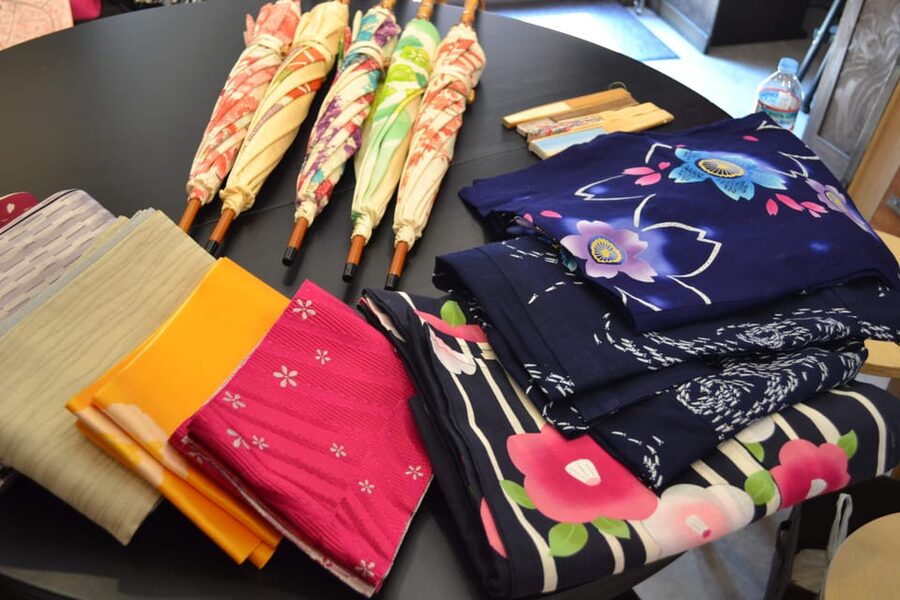
- Silk kimono, not stiff tourist costumes made the traditional way
- Pick your outfit from 50+ kimono/yukata options after booking
- Etiquette practice for walking, sitting, and shrine manners
- Yanaka district photos in a quieter, old-town feel
- AKIZAKURA upcycled umbrella used during your walk
- Big photo output shot with iPhone 14 Pro (professional add-on available)
Yanaka in kimono: the part that feels different
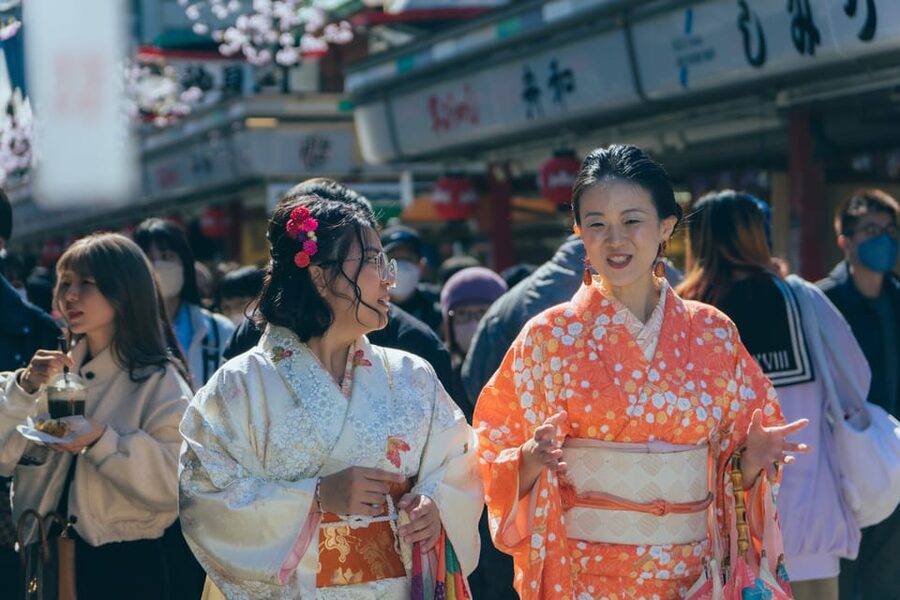
Yanaka is one of those Tokyo neighborhoods where the pace sits lower. You’re walking through a lived-in, older-style district rather than sprinting through the most crowded temple circuits. Put on a kimono, and suddenly you’re not only sightseeing—you’re performing the same slow, careful rhythm that the outfit was designed for.
The heart of this experience is that you’re not just dressed and released. The guide helps you learn how to move in kimono, how to hold yourself, and how to behave at shrine spots. That’s what turns the day from a costume moment into a cultural one.
You can also read our reviews of more tours and experiences in Tokyo.

Dressing you: silk kimono and the 50+ choice factor
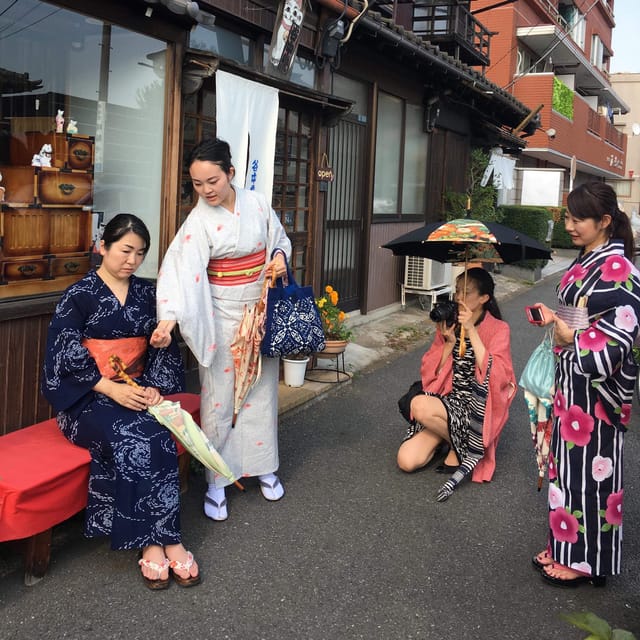
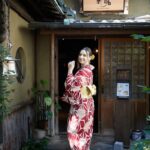
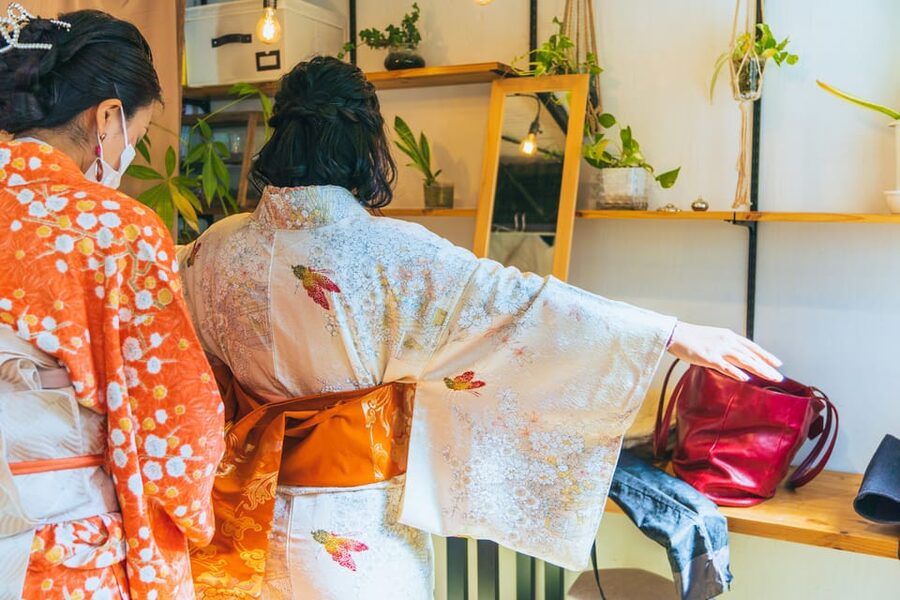
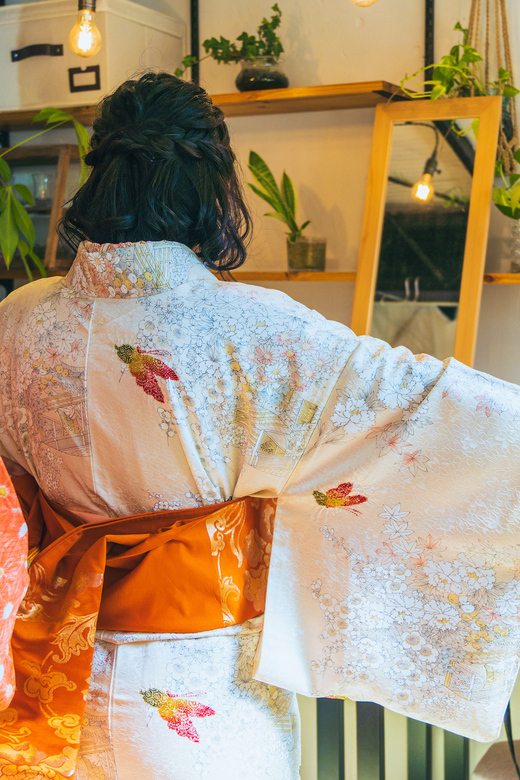
This tour offers authentic outfits, made from silk in winter and switching to yukata (summer cotton kimono) in summer. That seasonal swap matters more than you might think. Silk (winter) tends to feel more structured and formal; yukata (summer) is lighter and more about comfort and breathability. Either way, you’re wearing something that looks and feels right in the context of the season.
After you book, you choose your outfit by replying to your guide’s message (sent by email or WhatsApp within about 12 hours). You pick your kimono before the day, so you avoid the awkward part of rushing decisions in the dressing moment. You can choose from more than 50 options, and the overall quality level is a big theme in the feedback: guests repeatedly note that the kimonos feel high-quality and beautiful, with accessories handled for you.
Once you arrive, you’re guided through dressing with all the necessary kimono accessories included. The experience is designed for beginners too—you don’t need prior knowledge to look (and move) like you belong in the outfit.
The walk in kimono etiquette: learning the small rules that matter
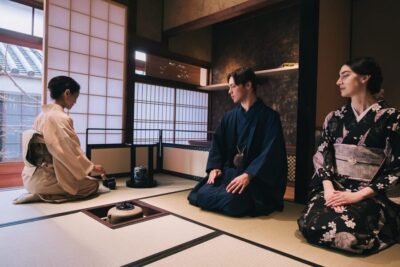
Wearing a kimono changes how your body wants to move. The biggest value here is that the guide teaches you how to work with it instead of fighting it.
You’ll learn:
- how to walk in kimono (shorter steps, careful turns)
- how to sit down properly so the outfit stays smooth
- how to handle basic posture and behavior while you’re out photographing
If you’ve ever seen kimono photos that look stiff, it’s usually because the person isn’t using the outfit’s natural movement rules. Here, you’re coached on those rules so your photos look relaxed rather than posed-by-force.
You also get behavior-style guidance that connects to shrine manners later in the tour. That continuity matters: you learn the basics during the walking portion, then you apply them naturally at the religious setting.
Your photo session: Yanaka spots plus shrine time
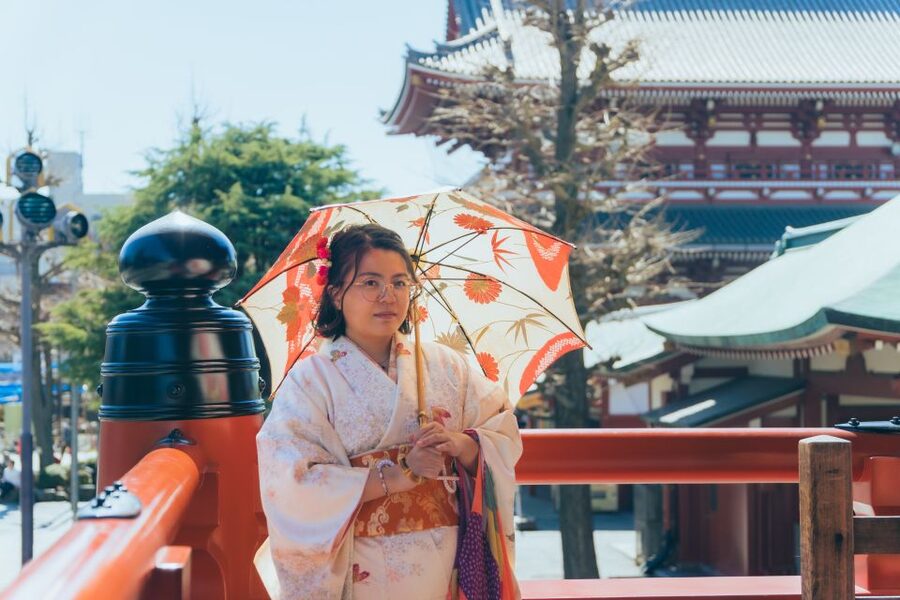
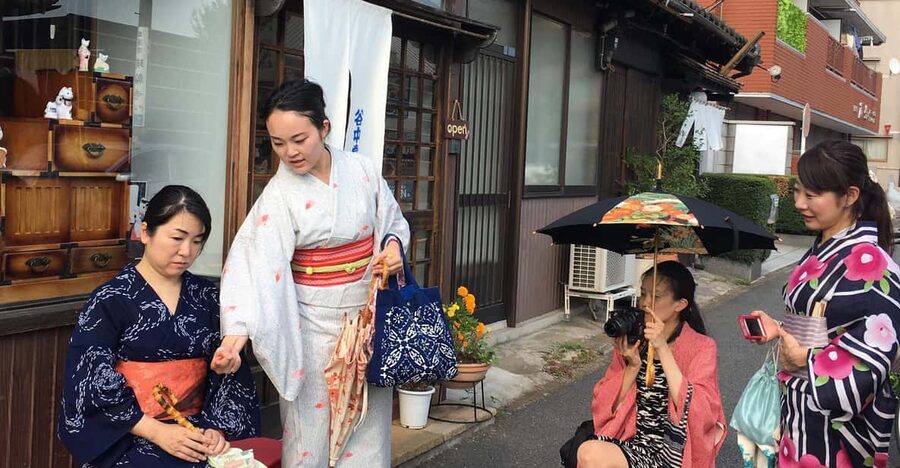
The tour is built around photographing you at multiple scenic points as you walk through Yanaka. You’ll have chances for commemorative photos along the way, not just one quick family snapshot at the end.
For the standard session, the guide shoots with an iPhone 14 Pro. Many guests are impressed that a phone camera can produce photos that look polished, with good direction and timing. You also get a rain backup: a plastic umbrella is included if the weather turns.
If you want to level it up, there’s an option to arrange a professional photographer shoot for an additional JPY 13,000. That’s worth considering if you’re picky about portrait quality, lighting, or you want a higher volume of more formal shots.
A practical tip based on how this is run: don’t try to out-race the guide’s plan. Let the pacing guide your posing. Guests often come away with lots of photos because the guide takes time at the photogenic stops and adjusts direction so you can keep looking natural.
AKIZAKURA’s upcycled umbrella: more than a prop
During the walk, you carry AKIZAKURA’s kimono upcycled umbrella. This isn’t just an extra item to hold. It’s part of the overall identity of the experience, and it gives your photos a consistent visual element as you move through the neighborhood.
Umbrella photos can look generic in many places, but here it’s treated like part of the outfit styling and the route flow. Even better: it helps if rain shows up, since the tour is designed to run in weather changes.




Shrine visit: learning prayer, wishes, and respectful behavior
A major moment is the shrine portion. You’ll walk to a beautiful shrine area where you can take photos, and the guide also explains how to pray and participate in traditional shrine rituals. Some guests describe learning the steps, including the rhythm of the prayer process and how to clap or make wishes respectfully.
Why this is valuable: it’s easy to treat shrines like photo sets. Here, you get the cultural context so you’re not only photographing a place—you’re acting with basic understanding. The guide also shares shrine rules, which helps you feel less like you’re guessing in a sacred space.
One more reality check: the shrine area and the route can involve steps and a hill. In one shared experience, the dressing/tea area included four flights of stairs, and getting to the shrine involved climbing. If stairs are tough for you, consider bringing help with pacing, taking breaks, or asking about the day’s route details ahead of time.
Optional upgrades: hair, makeup, tea ceremony, and pro photos
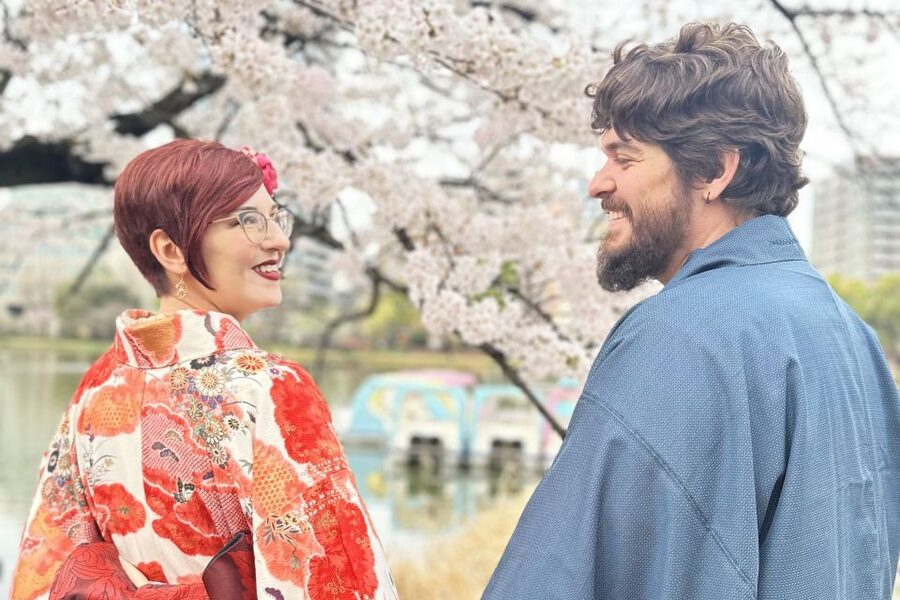
This tour includes the outfit, accessories, umbrella, and photo shooting with the iPhone 14 Pro baseline.
But if you want the day to feel like a complete “event,” there are add-ons:
- professional hair and makeup (additional fee)
- tea ceremony (additional fee)
- professional photographer for higher-end photos (+JPY 13,000)
These upgrades can make sense if you’re aiming for photos that look closer to a traditional portrait session, not just vacation documentation. Guests who added hair/makeup often say the photos turned out especially impressive because the styling holds up better through multiple angles and lighting changes.
If you’re going for the most authentic overall experience, the tea ceremony add-on can also help you slow down after the walking and photos. Just remember the earlier note about stairs/hill on the day.
Weather-proof and stress-proof: rain or shine with a plan

Japan weather is Japan weather. The tour runs rain or shine, and the kit includes a plastic umbrella in the event of rain. Guests repeatedly highlight that even on rainy days, the guide still captured strong photos and kept the session moving.
What I like about this setup is that it reduces decision stress. You’re not stuck wondering if you’ll get the kimono look in decent weather. Your guide’s job is to handle the day’s conditions, and the included rain gear helps you stay comfortable enough to keep moving and posing.
Price ($67) and value: what you’re really paying for
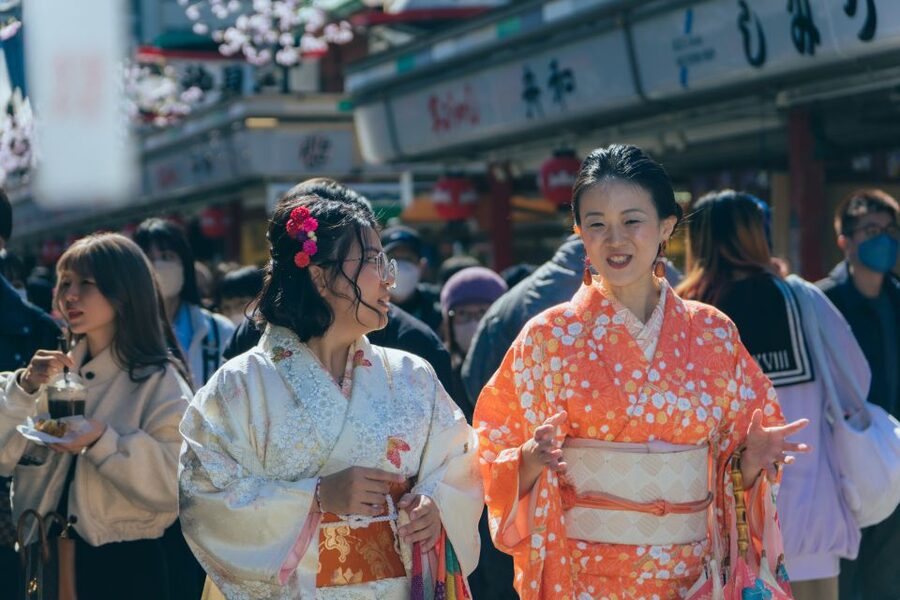
At $67 per person, this is not the cheapest way to wear a kimono in Tokyo. But it’s also not priced like a full luxury photo production.
The value comes from three places:
- Authentic outfit and accessories (real silk kimono or yukata) plus the help putting it on
- Coached etiquette so you look natural while walking and acting respectfully
- Guided photography with iPhone 14 Pro, plus multiple photo opportunities along the route
You’re paying for the human parts: someone who knows how kimono movement changes your posture, someone who knows where photos will work, and someone who can explain shrine behavior so your day feels respectful. In other words, you’re buying time, guidance, and thoughtful structure—not just clothing rental.
If you’re a solo traveler or a couple, the base cost can feel like it does a lot of work for you, because you don’t need to crowd-source photos from strangers. If you’re a group, you should still find value, especially if everyone wants outfit styling and photos taken consistently.
Who should book this kimono session?
This is a strong fit if:
- you want a kimono experience that includes etiquette learning, not just a wardrobe change
- you care about photos but don’t want to spend your whole day dealing with camera logistics
- you prefer a quieter old-town feel rather than the most crowded temple zones
- you’d like to learn how to behave at a shrine in a basic, guided way
It may be less ideal if:
- you have major mobility limits and stairs/hills are difficult for you (the route can include both)
- you want a super long, freeform self-guided neighborhood wander (this is structured around dressing + walk + shrine + photos)
Should you book this tour?
Yes, if your goal is a kimono day that feels like Tokyo culture, not just cosplay-by-the-hour. The combination of real silk/yukata, the chance to choose your outfit from a large selection, and the guided etiquette plus photo direction is where the experience earns its spot.
Before you book, ask yourself one simple question: do you want help acting naturally in kimono? If the answer is yes, this is an excellent value. If the answer is no and you just want quick selfies, you may find simpler rentals better suited to your style.
FAQ
What’s included in the $67 per person?
Kimono or yukata, all necessary accessories, AKIZAKURA’s kimono upcycling umbrella, shooting with an iPhone 14 Pro, and a plastic umbrella if it rains.
Are the kimono and yukata authentic?
Yes. The tour offers authentic kimono made from silk in winter and yukata (summer cotton kimono) in summer, produced in the traditional way.
How do I choose which kimono I’ll wear?
After booking, you’ll receive a message by email or WhatsApp to help you choose your kimono. You choose your kimono before the day of the tour (the selection is done after booking and before the tour date).
Is there an option for a professional photographer?
Yes. A professional photographer can be arranged for an additional JPY 13,000.
Can I add hair and makeup?
Yes. Professional hair and makeup can be added for an additional fee.
Is the tea ceremony included?
Tea ceremony is not included by default, but it can be added for an additional cost.
Where do we meet?
After booking, you’ll be sent the detailed meeting place with photos. The start point is about a 5-minute walk from Sendagi station, and the tour ends back at the meeting point.
Does the tour run in bad weather?
Yes. It takes place rain or shine, and you’ll have a plastic umbrella included if needed.
What languages are supported?
The tour is offered in English and Japanese.
Do children need to be booked too?
All persons accompanying the tour are charged, except children under 2 years old, regardless of whether they dress in a kimono or not.