REVIEW · TOKYO
Mt Fuji Day Trip from Tokyo by Car with Photographer Guide
Book on Viator →Operated by Travel Assist Japan LLC · Bookable on Viator
Four stops beat a long transit day.
This private Mt. Fuji outing turns a headache of connections into a smooth, photo-friendly countryside day, with a guide who helps you catch the angles as you hop between viewpoint zones. I also like the hotel pickup and drop-off piece—less commuting stress, more time looking up at the mountain and enjoying the north-side sights.
You get a comfortable private vehicle and an itinerary built around the Fuji Five Lakes area and the Oshino ponds region (UNESCO Mt. Fuji). One thing to keep in mind: this is heavily weather-dependent. When it’s cold and cloudy, Mt. Fuji can hide, and the day can feel unusually quiet for something you booked to see the iconic peak.
In This Review
- Key Things I’d Book This For
- Private Car + Photo Guide: Where the Value Really Shows
- The 8:00 am Start to a 9-Hour Loop Outside Tokyo
- Stop 1: Arakurayama Sengen Park and Its 400 Steps
- Small practical note
- Stop 2: Oshino Hakkai—Super Clear Water and House Views
- Photo tip that comes from how these ponds work
- Stop 3: Saiko Iyashi no Sato Nemba for Fuji Behind Old Roof Houses
- Who will love this stop
- Stop 4: Kitaguchi Hongu Fuji Sengen Jinja Shrine and Photo-Forward Lanterns
- Real-world consideration
- Comfort, Safety, and the “We Can Talk” Part of Private Touring
- Price and Logistics: Is $1,150 per Group Worth It?
- Weather Is the Boss: What Happens When Mt. Fuji Disappears
- Who Should Book This Mt. Fuji Private Day Trip?
- Should You Book This Tour?
- FAQ
- FAQ
- How long is the Mt. Fuji day trip from Tokyo?
- What time does the tour start?
- How big is the group?
- Is pickup and drop-off included?
- What transportation is used?
- Are admission fees included?
- Is lunch included?
- Is there a vegetarian option?
- Is a mobile ticket used?
- What if the weather is bad and Mt. Fuji can’t be seen?
- What is the cancellation window?
Key Things I’d Book This For
- A private driver/guide so your schedule can flex instead of running on tight public-transport timing
- Photo help built into the day, not just sightseeing and hope-for-the-best
- North-side Fuji focus, including Oshino Hakkai and the Fuji lakes area viewpoints
- Simple logistics: hotel pickup and drop-off mean you don’t have to plan routes
- Four major stops with short-to-moderate time blocks (you’re never stuck for hours in one place)
Private Car + Photo Guide: Where the Value Really Shows
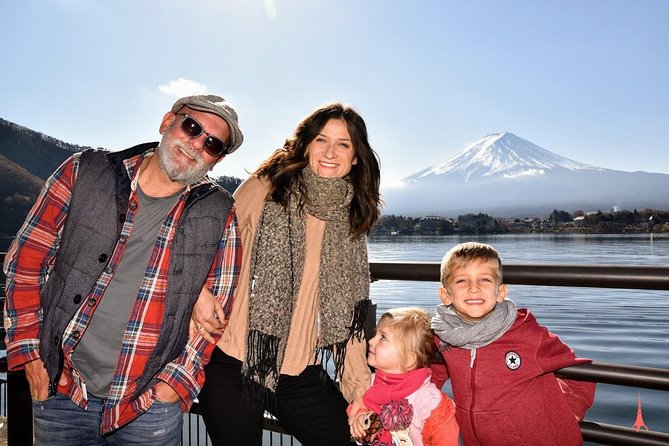
Most Mt. Fuji day trips fall into two buckets: cheap group buses, or very expensive private rides. This one lands in the private category, but the best part isn’t just comfort. It’s the way a private car changes your day.
With hotel pickup and drop-off, you don’t spend your morning decoding train transfers and walking between stations. You’re ready to start at 8:00 am with a driver and a guide who can position the vehicle for the next stop. That matters because the north side of Mt. Fuji involves dispersed sites, and you’re doing more than one viewpoint.
The second value point is the photo guide approach. You’re not just being told where to stand—you’re getting help timing the shots as the scenery shifts through the day. In the feedback I saw, guides like Fumi were described as friendly and helpful, with conversation and laughs that made the time feel lighter even when the weather didn’t cooperate.
This is also a private group (up to 6 people). That size is small enough for a personal feel, but large enough that you can split the cost with friends or family and make it actually comparable to a higher-priced “special day.”
You can also read our reviews of more tours and experiences in Tokyo.

The 8:00 am Start to a 9-Hour Loop Outside Tokyo
Plan on roughly 9 hours total. The pace is structured around four key stops, each timed so you’re not stuck far away from amenities or repeating long drives back through the city.
Here’s what the flow feels like on paper:
- Morning begins with a scenic drive out of Tokyo
- Then you rotate through a viewpoint park, the Oshino ponds area, a traditional-roof village, and a shrine area with easy photo framing
- You return to Tokyo at the end of the day via the same “you don’t have to figure it out” pickup/drop-off setup
You’ll also want to keep in mind that the stops are a mix of lookouts, walking paths, and photography angles. You don’t need to be an athlete, but you do need moderate physical fitness, especially because one stop is built around a lot of steps.
Stop 1: Arakurayama Sengen Park and Its 400 Steps
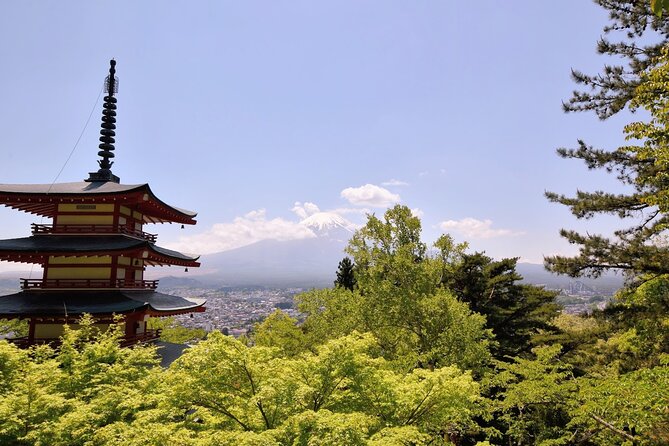
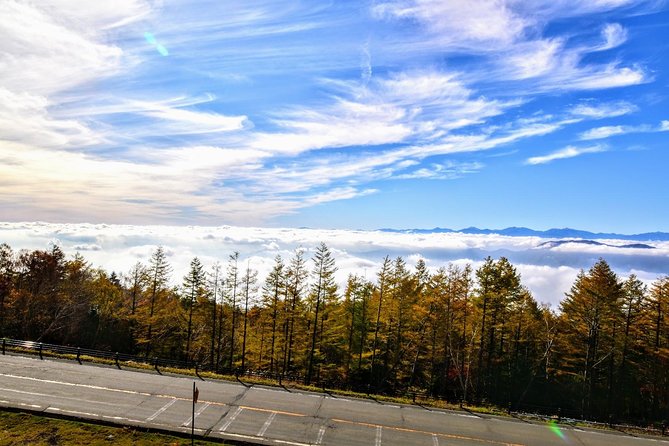
This is the first viewpoint stop: Arakurayama Sengen Park. The big feature here is the stairway climb—about 400 steps—leading to a dramatic, well-known perspective.
Even though it’s one of the more famous areas on this kind of itinerary, it earns its spot because:
- You’re earning the view with elevation
- The park layout supports quick photo setups
- You get a classic “Mt. Fuji framed by a viewpoint” feeling if skies cooperate
Admission here is free, and the time block is around 40 minutes. That’s enough to climb at your pace, take photos, and still have time to settle into the next stop without rushing.
Small practical note
If it’s cold or slick outside, treat the steps like stairs, not a workout. You’ll be glad to have that flexibility early in the day rather than after hours in transit.
Stop 2: Oshino Hakkai—Super Clear Water and House Views
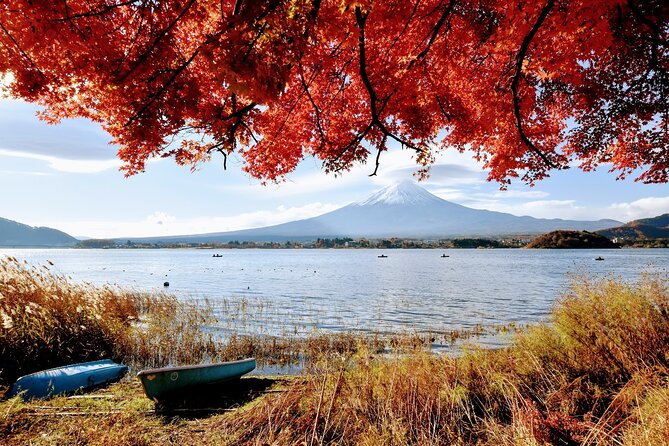
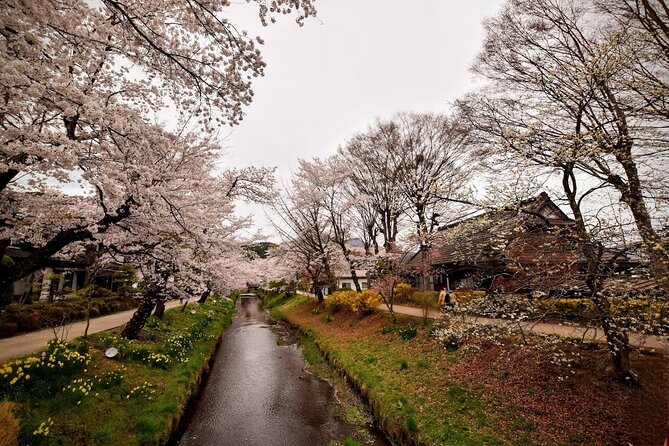
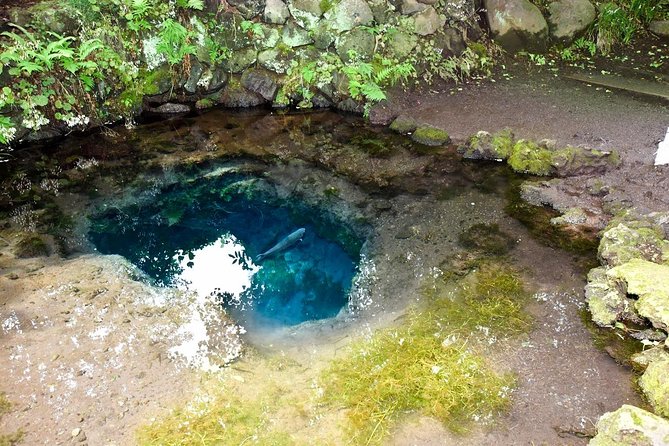
Next up is Oshino Hakkai, famous for the spring-fed ponds connected to Mt. Fuji’s water system. The experience here is simple: you walk through the area, look at the water, and enjoy the small-town atmosphere.
The water is described as super clear, even to the point that you can taste it. Whether you taste or just watch, it’s a refreshing change of pace from pure “Fuji lookout” stops. It’s also a chance to see local Japanese houses along the way, which helps your photos feel more lived-in rather than just postcard mountains.
Time here is about 30 minutes and admission is free. In a day where you’re trying to catch Mount Fuji in good light, a free, short stop is a smart tool. You get something meaningful without burning your schedule.



Photo tip that comes from how these ponds work
Ponds and water reflections are picky. If the air is hazy or the wind is up, reflections can blur. If the weather is stable, you’ll likely spend less time waiting and more time shooting.
Stop 3: Saiko Iyashi no Sato Nemba for Fuji Behind Old Roof Houses
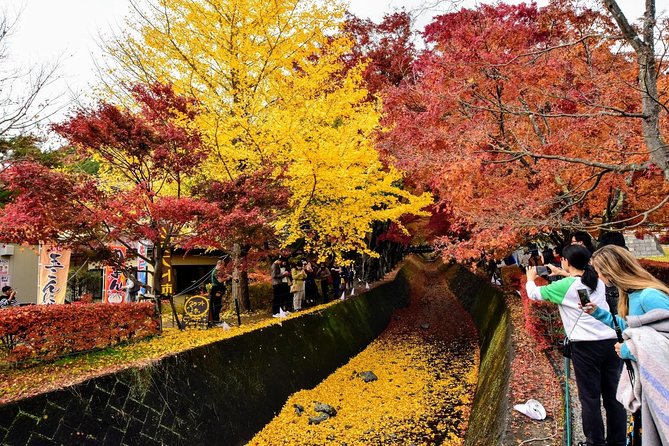
This stop is a crowd favorite for one reason: you’re not only chasing Mt. Fuji. You’re photographing traditional homes with the mountain as a background layer.
Saiko Iyashi no Sato Nemba is described as a village of around 100-year-old detached roof houses. The houses create texture and depth in your photos, and the viewpoint timing gives you a chance to capture Mt. Fuji behind the structures.
Time here is about 40 minutes, but the key detail is that admission is not included. That matters because you’re already paying a premium for private logistics, so you’ll want to budget for the one paid stop in the itinerary.
The day’s itinerary notes it as a great photo spot, and the reason is straightforward: this is where your Fuji images can look more than just “mountain in the distance.” The architecture turns it into a story.
Who will love this stop
- If you like travel photos with human-scale details (roofs, paths, corners)
- If you want variety beyond shrines and lakes
- If you like quieter moments where your camera can slow down
Stop 4: Kitaguchi Hongu Fuji Sengen Jinja Shrine and Photo-Forward Lanterns
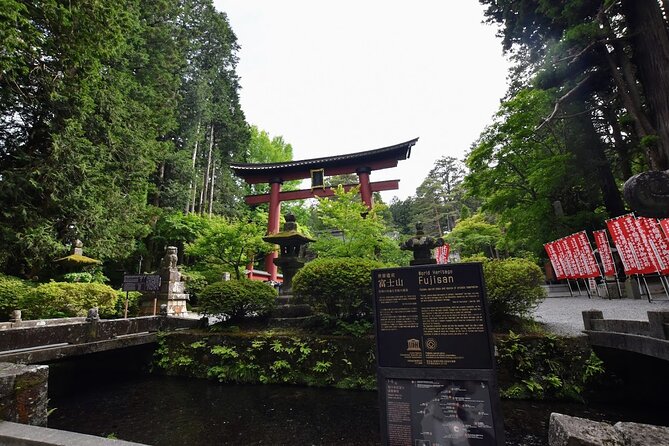
The final stop is Kitaguchi Hongu Fuji Sengen Jinja Shrine. This is where the itinerary leans into atmosphere and tradition rather than only scenery.
The signature feature is the path lined with sacred stone lanterns on both sides leading toward the main building. It’s a strong framing setup for photos—your eye naturally walks down the center line, and the lanterns help create symmetry.
Time is about 40 minutes, admission here is free, and there’s also entrance behind the shrine for a trail toward Mt. Fuji. Even if you don’t go far, the presence of that trail gives the area a sense of purpose.
Real-world consideration
Shrines tend to be more enjoyable when you can slow down. With a private tour, you typically have less “bus pressure.” Still, this is a timed day, so don’t expect long hikes here—think of it as photo and atmosphere time.
Comfort, Safety, and the “We Can Talk” Part of Private Touring
Private tours often sell comfort, but what I value most is the way private touring changes how the day feels.
A review mentioned a guide named Tony running a nice tour in a luxurious car, with a very comfortable ride. Another mentioned Fumi sharing stories, laughs, and ideas for the rest of the Japan stay—so the guide wasn’t only a driver who kept moving, but a person who helped you connect your day trip to the larger trip.
That “we can talk” element is more than entertainment. It can help you:
- Understand what you’re looking at in plain language
- Adjust expectations when weather shifts
- Decide what deserves your time within the time limits
One more comfort note: this is a private vehicle, and a review described the driver as an expert at getting around safely. That’s not a small detail. On day trips outside the city, calm driving and good route choices help you arrive ready to enjoy the stops.
Price and Logistics: Is $1,150 per Group Worth It?
Let’s do the honest math. The price is $1,150 per group for up to 6 people. If you fill all seats, that’s about $191 per person. If you’re a smaller group, the per-person cost goes up fast.
So is it worth it? For me, it depends on what you’re buying:
You’re paying for:
- Hotel pickup/drop-off (so you’re not managing trains and transfers)
- Private transport between dispersed sights
- A photo guide who helps you get usable shots
- A flexible, smaller-group experience versus being squeezed into a bus schedule
You might not love it if:
- Your budget is tight and you’re happy to manage transit yourself
- You’re only interested in the peak view and weather is uncertain (more on that next)
- You expected a bargain-day price
One review even flagged that it felt very expensive and they wouldn’t do it again. That’s a useful reminder: private cars are premium pricing, and if Mt. Fuji is obscured, you need to be emotionally flexible about the day’s payoff.
Weather Is the Boss: What Happens When Mt. Fuji Disappears
This is the part you can’t ignore. The experience requires good weather. If the day turns cold and cloudy, Mt. Fuji may not show clearly—or at all.
In feedback I saw, one group didn’t even get to see Mt. Fuji because it was cold and cloudy. That changed the tone of the trip. On the other hand, the day still included the stops and the guide/driver experience, so it wasn’t wasted time—just not the big mountain reveal they hoped for.
Here’s how to manage this risk:
- Dress warm. Even in Japan, a cold cloudy day can feel sharper outdoors, especially at viewpoint parks and shrines.
- Keep your expectations open: you’re not only booking a mountain view, you’re booking a north-side Fuji day.
- If Mt. Fuji does show even partially, you’ll likely get better photos than you think—because the scenery stops are set up for framing.
If this tour is canceled due to poor weather, you’ll be offered another date or a full refund. That safety net helps, but it still means you should plan for some schedule flexibility if you can.
Who Should Book This Mt. Fuji Private Day Trip?
This fits best if you:
- Want maximum ease with hotel pickup and drop-off
- Care about photography and appreciate hands-on help getting better angles
- Travel with 3–6 people and can split the group cost
- Prefer a structured day with key stops rather than building your own route
It might not fit if you:
- Are on a strict budget and don’t mind public transport
- Have zero interest in shrines, villages, or pond walks unless Mt. Fuji is perfectly visible
- Don’t like walking on steps (Arakurayama’s stairway is a real factor)
Should You Book This Tour?
If your priority is comfort plus photo support, I’d say yes—with one condition: you have to be ready for weather variability. The itinerary is built with multiple stops that can still work even when the mountain is shy, and the private setup removes the biggest friction points of a Fuji day.
But if you’re traveling solo or as a couple and cost is the deciding factor, do the math on per-person pricing and compare it to what you’d spend on transit and admissions. Private convenience is real, yet it’s not cheap—and you’ll feel that sharply if Mt. Fuji is hidden.
FAQ
FAQ
How long is the Mt. Fuji day trip from Tokyo?
It runs about 9 hours.
What time does the tour start?
The start time is 8:00 am.
How big is the group?
This is a private tour/activity, with only your group participating, up to 6 people.
Is pickup and drop-off included?
Yes. Hotel pickup and drop-off are included.
What transportation is used?
The tour includes transport by private vehicle.
Are admission fees included?
Some stops are free, but admission fees are not included overall. One stop, Saiko Iyashi no Sato Nemba, specifically has an admission ticket not included.
Is lunch included?
No, lunch is not included.
Is there a vegetarian option?
Yes. A vegetarian option is available if you advise at booking.
Is a mobile ticket used?
Yes, the tour offers mobile ticket entry.
What if the weather is bad and Mt. Fuji can’t be seen?
The experience requires good weather. If it’s canceled due to poor weather, you’ll be offered a different date or a full refund.
What is the cancellation window?
You can cancel up to 24 hours in advance for a full refund.