REVIEW · TOKYO
Mount Fuji 1-Day Trip: the Hottest Photography Tour
Book on GetYourGuide →Operated by REOTRIP TECHNOLOGY LIMITED · Bookable on GetYourGuide
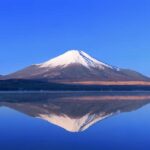
Fuji day feels like a photo scavenger hunt. This one-day trip is built for people who want Mount Fuji angles without the headache of trains, schedules, and language, and it packs in classic viewpoints like Arakurayama Sengen Park and Oshino Hakkai. I really like the way the route keeps you moving between high-impact spots while still building in stops to rest, reset, and shoot.
Two things I especially liked: the big-name view stops (with the Chureito Pagoda scene and Mount Fuji framed in the distance), and the friendly, hands-on guidance from a live guide like Louis, who helps keep the day smooth and your photos on track. The one drawback to factor in is the day is long at 10 hours, plus you’ll be on your feet for viewpoints, including a climb of 397 steps at Arakurayama.
In This Review
- Key moments you’ll actually care about
- Why this day trip is such a good Mount Fuji photography plan
- Tokyo pickup to Lake Kawaguchi: the ride that sets your shooting mood
- Arakurayama Sengen Park and the Chureito Pagoda steps
- Hikawa Clock Shop: quick stop, easy shots, and a breather
- Oshino Hakkai: eight springs, reflection chances, and calm contrast
- Lawson Kawaguchiko Station: a built-in break and a small comfort boost
- Oishi Park and Lake Kawaguchi flower timing: lavender and the rest
- Price and value: what $83 buys you in real terms
- Logistics that affect your day (the stuff I’d plan around)
- Who this Mount Fuji hottest photography tour fits best
- Should you book this one-day Mount Fuji photo tour?
- FAQ
- How long is the Mount Fuji 1-Day Trip?
- Where do you meet in Tokyo?
- What’s included in the price?
- What’s not included?
- What should I bring for the day?
- Is there a free cancellation option?
Key moments you’ll actually care about
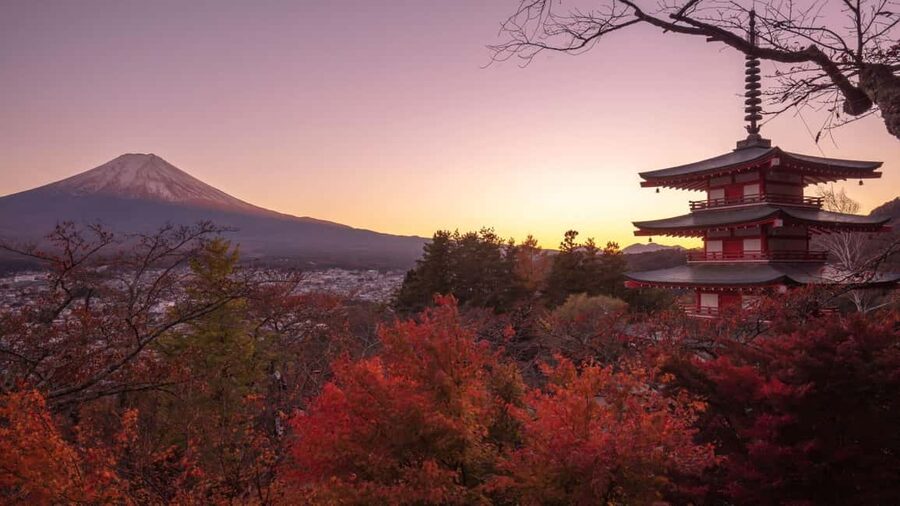
- Arakurayama Sengen Park: chase the Chureito Pagoda composition with Mount Fuji in the background
- 397 steps to a viewpoint that’s famous for a reason
- Oshino Hakkai: eight spring pools that make a clean, reflective foreground for your Fuji photos
- Lawson Kawaguchiko Station stop: quick photo break plus a complimentary ice cream, tea, or coffee
- Oishi Park seasonal color: plan your flower timing with lavender, cosmos/begonias, kochia, or autumn maple color
- Stress-free logistics: round-trip transfers from Tokyo with a guide and route handling
Why this day trip is such a good Mount Fuji photography plan
If you’re serious about photos, Mount Fuji days can turn stressful fast. Visibility changes, crowds swarm, and timing matters. This tour is designed to lower the chaos by handling the heavy lifting: you get guided transportation, a set sequence of stops, and a schedule that aims to balance walking with actual shooting time.
What makes it work for photography is the mix of subject matter. You’re not only chasing one scenic postcard. You’ll shoot Mount Fuji in different moods and settings: a shrine-park viewpoint with a famous pagoda foreground, mountain-side views that work even when the weather is shifting, and the spring-pool reflections of Oshino Hakkai. By the end of the day, you’re also shooting flower fields at Lake Kawaguchi, which is where the day’s color payoff really lands.
And yes, the guide element matters. Having a live guide who coordinates timing and keeps the day flowing means you can focus on your camera settings, your framing, and not whether you’re heading to the right entrance.
One more practical note: this tour is built around photogenic momentum. Even the “break and photo stop” moments are scheduled so you don’t feel stranded. That’s a big deal when you’re hauling gear and you want the day to stay worth it.
You can also read our reviews of more tours and experiences in Tokyo.

Tokyo pickup to Lake Kawaguchi: the ride that sets your shooting mood
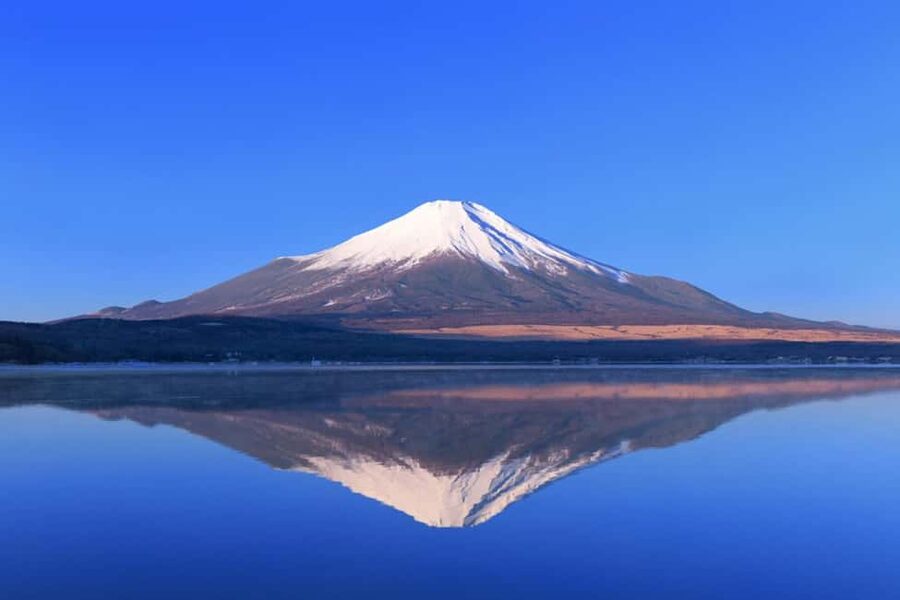
Your day starts with one of two Tokyo meeting points: JR Tokyo Station Marunouchi South Exit or Tokyo Mode Gakuen. From there, you ride by bus/coach toward the Fuji area, with about 2.5 hours of travel time.
That may sound long, but it’s not dead time. It’s the moment to do your prep: charge batteries, check your memory cards, and get clear on what you want from each stop. Mount Fuji is all about composition, and you’ll get more out of the day if you mentally pre-plan what each location is for—pagoda foreground, reflective pools, or flower fields.
This tour also makes a smart trade-off: instead of you piecing together local transit, you get round-trip transfers handled for you. That reduces decision fatigue and language friction, which is especially helpful if you’re on a tight schedule.
Arakurayama Sengen Park and the Chureito Pagoda steps
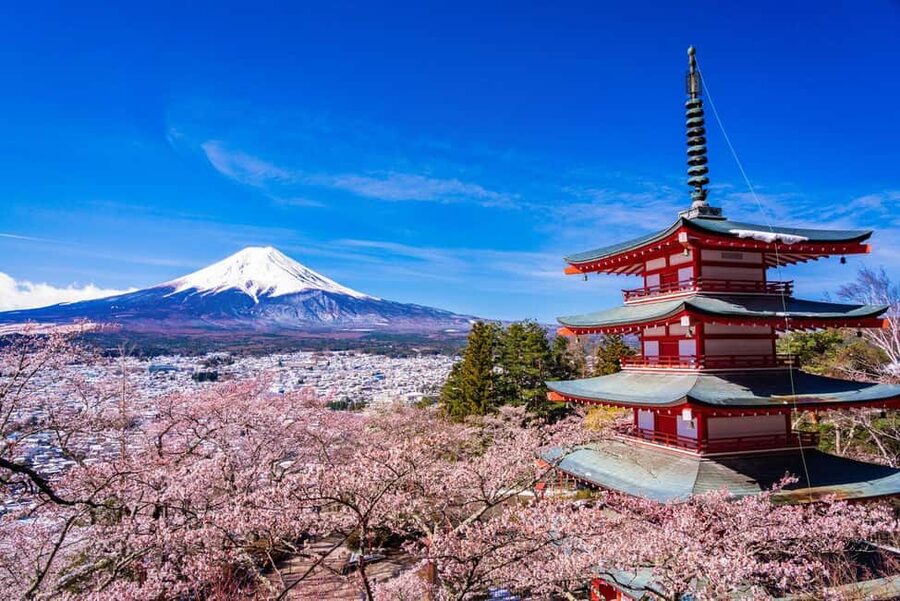
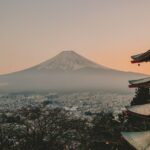
Arakurayama Sengen Park is your first real “wow” moment and a photography anchor for the whole day. The park is known as one of those places photographers keep on their bucket list, and the reason is visible instantly: you can create a classic layered composition with Mount Fuji and the landmark Chureito Pagoda.
You’ll spend about 1 hour here, and you’ll also be climbing 397 steps to reach the viewpoint. This is the part of the day where comfortable shoes are not optional. The steps are straightforward, but it’s still a physical commitment, and it can be tiring if you’re not used to walking on uneven steps and slopes.
Why it’s worth it: the views aren’t only about seeing Fuji. They’re about framing. At this stop, you can include a strong foreground element (the pagoda) so your photo doesn’t feel flat or distant. You also get a sense of place: the pagoda sits against a broader urban/rural context that helps your photo tell a story, not just show a mountain.
A consideration for the day: visibility can change with weather and seasons. Even if Fuji is partially veiled, this area can still produce strong compositions, because the pagoda and the surrounding streets can carry the frame while you wait for clearer sight lines.
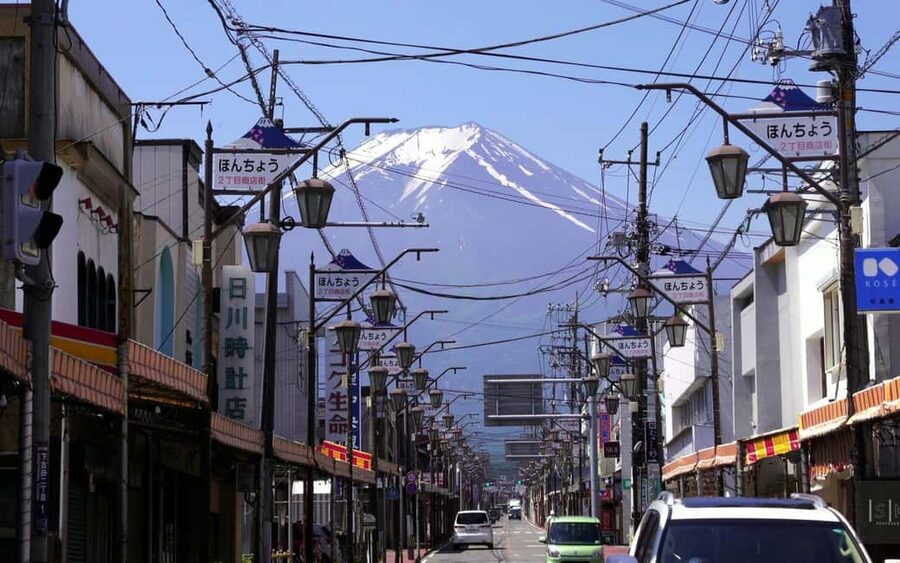
Hikawa Clock Shop: quick stop, easy shots, and a breather
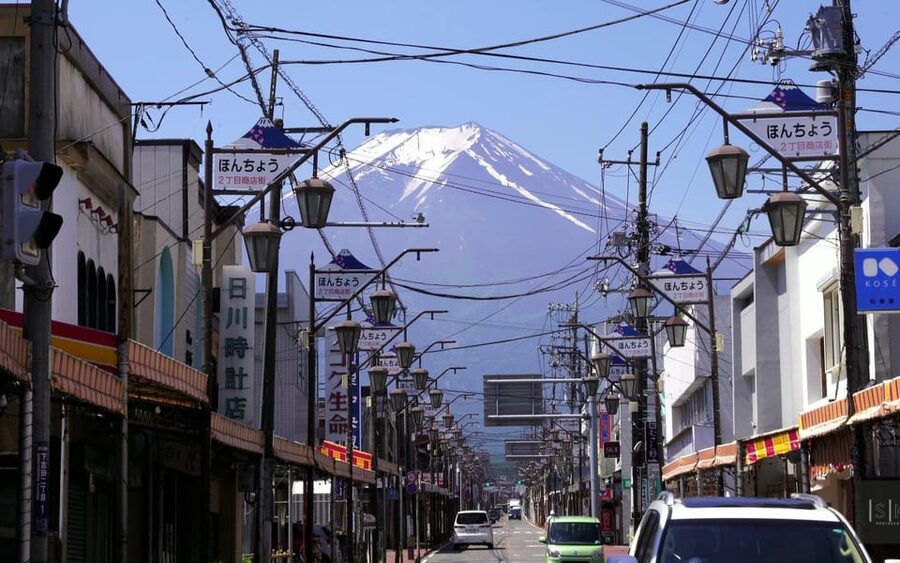
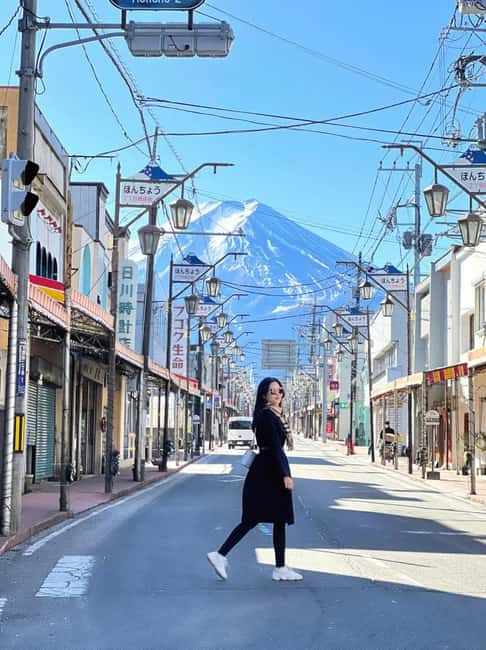
After the main park, you’ll head to Hikawa Clock Shop for a break and photo stop. This is less about a long stay and more about timing and variety. The shop area is a well-known Fuji-adjacent photo spot, and the value here is that you get a “pause and shoot” moment without losing the day’s momentum.
This stop also gives you something you’ll appreciate later: a breather before you move deeper into the scenery around Lake Kawaguchi. When you’re photographing all day, a short reset matters. It keeps your energy steady for Oshino Hakkai and the flower park later.
If you like street details and small landmarks in your photos, this is a good moment to grab close-to-midrange shots that complement your wider Fuji images.
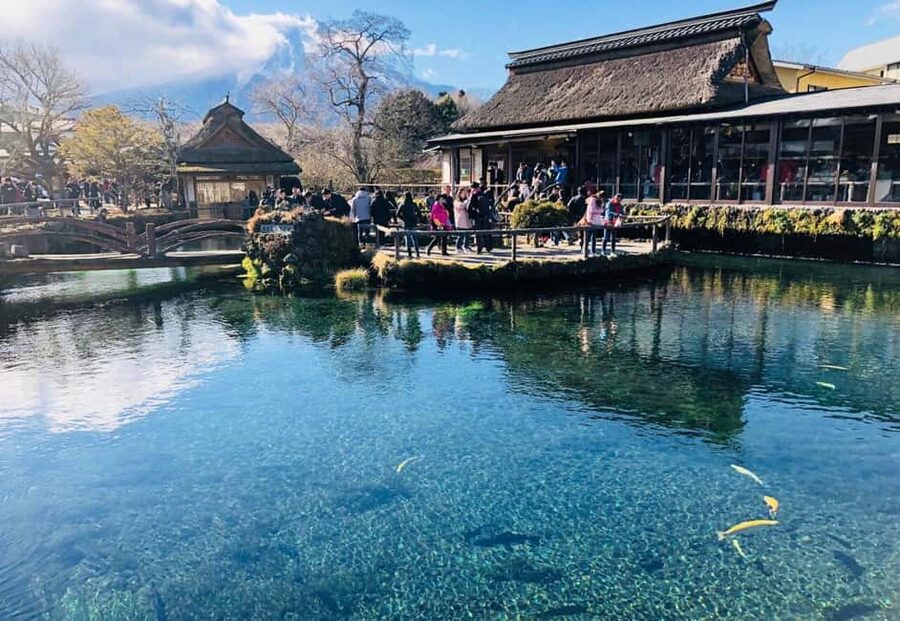
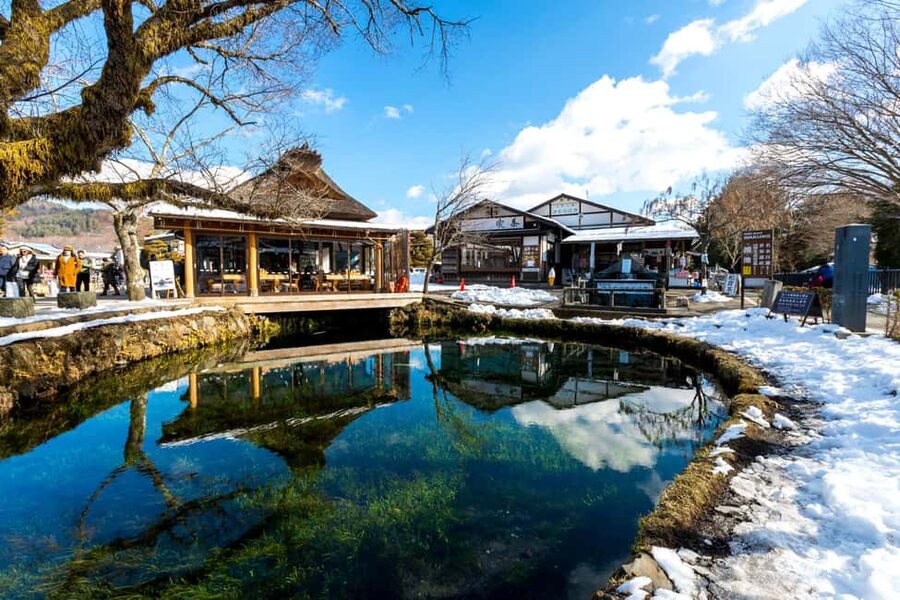
Oshino Hakkai: eight springs, reflection chances, and calm contrast
Next up is Oshino Hakkai, where the scene shifts from viewpoints to water and texture. You’ll have about 1.5 hours here for sightseeing and scenic views along the way.
The headline is simple and visual: eight pristine spring pools shaped by the mountain. This matters because it gives you a different kind of Fuji photo. Instead of a skyline composition, you get a reflective foreground and a landscape that feels more intimate. Even if Fuji isn’t perfectly clear, the pools and their surrounding features can still create strong images.
Why I think this stop is such good value: it adds variety without requiring extra transportation planning. Many people get stuck doing only “one kind” of Fuji photo. Oshino Hakkai gives you an entirely different look—water reflections, clean edges, and a calm setting that’s a nice counterweight after the earlier steps and viewpoints.
One practical tip: water areas can be slippery. Take your time moving around, and keep an eye on footing so your shot timing doesn’t turn into a risk.


Lawson Kawaguchiko Station: a built-in break and a small comfort boost
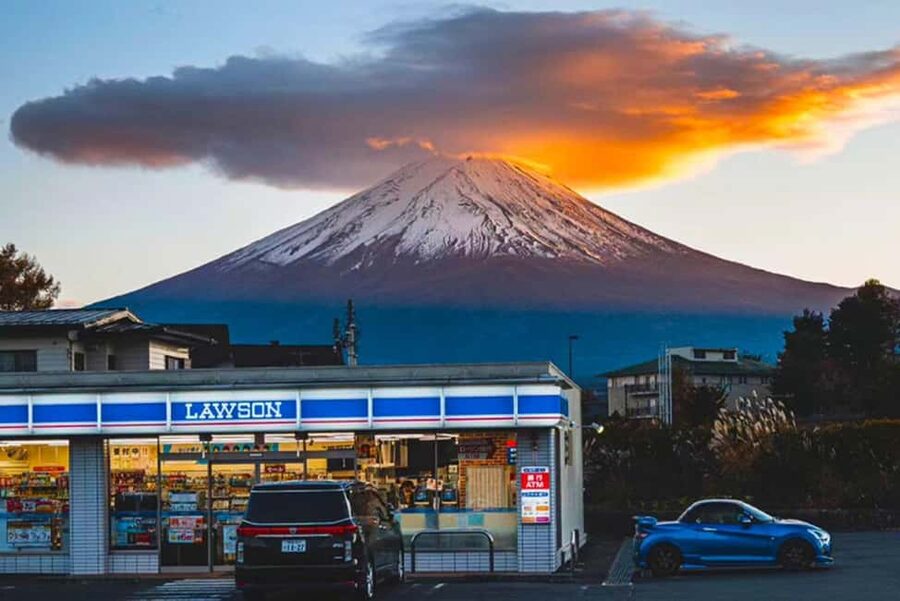
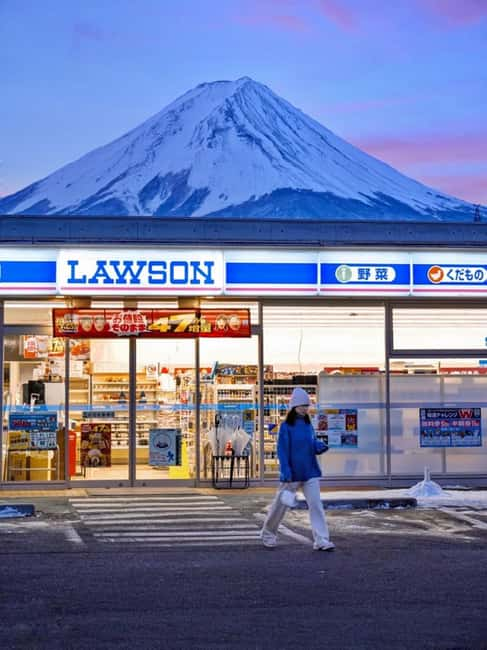
From Oshino Hakkai, you’ll stop at LAWSON Kawaguchiko Station in the Lake Kawaguchi area. This is another scheduled break and photo stop, and it’s timed well—just enough time to reset without pulling you away from the next big scenery hit.
You’ll also get a complimentary choice of ice cream, tea, or coffee, which is a small detail that makes the day easier to manage. When you’re walking and shooting for hours, those small comfort moments can keep you from burning out early.
You should expect that food and drinks beyond that are not included, so it helps to plan for snacks if you know you’ll need them. Still, the built-in option here is a nice perk, especially if you’re traveling with a camera bag and want to stay light.
Oishi Park and Lake Kawaguchi flower timing: lavender and the rest
The day’s final big scenery payoff is Oishi Park, with about 1 hour there. This is where you get the “sea of flowers” feeling that makes Fuji photos look more seasonal and more personal.
The key is that the flower scene is seasonal, and your best shots depend on what time of year you go. Here’s what you can plan around:
- Lavender: June and July
- Begonias and cosmos: July to September
- Kochia: October
- Maple Corridor: only from October 20 to November 23
If you’re traveling specifically for one color—purple lavender, orange-red autumn maple, or warm-toned kochia—use that date window to guide your booking. It’s one of the easiest ways to improve your odds of getting the exact Fuji-with-color photo you want.
Why this stop feels worth the effort: you’re ending with beauty that’s closer to “everyday eye candy,” not just landmark spotting. Your earlier shots are often about iconic structures and reflections. Oishi Park gives you a more natural, colorful foreground that makes the mountain look even bigger by comparison.
Also, Lake Kawaguchi area viewpoints tend to offer multiple angles in a compact area, so you can keep shooting as the light shifts. Bring the same patient mindset you’d use at a viewpoint: try wide frames, then switch to mid-close details that include flower patterns.
Price and value: what $83 buys you in real terms
At $83 per person for a 10-hour day, the value depends on what you’d otherwise do on your own. If you tried to plan this kind of Fuji day solo, you’d spend a lot of time figuring out transit timing, managing transfers between scattered spots, and dealing with navigation. This tour trades that mental workload for a structured day with round-trip transfers.
What’s included is meaningful: round-trip transfers, a tour guide, and the costs connected to operating the day like tolls, parking, and fuel. What’s not included is also straightforward: food and drinks (aside from the complimentary ice cream/tea/coffee at the Lawson stop) and attraction admissions.
So you should ask yourself one question: do you want a guided, pre-set shooting route, or do you want to control every detail yourself? If you’re short on time or you’d rather spend effort on the photos instead of logistics, $83 can feel like a good trade.
This tour also offers a comfort factor that’s hard to quantify: your guide helps keep the day moving through the main stops, which is a big deal when you’re chasing seasonal views and want to spend your limited time at each location.
Logistics that affect your day (the stuff I’d plan around)
A few practical details can make your experience smoother:
- You’ll receive an email the day before with your pick-up location, the guide contact info, and the bus license plate number. Check it so you don’t waste time at the wrong spot.
- Expect schedule changes due to traffic, weather, holidays, or crowds. If something runs late, refunds can’t be requested for those uncontrollable factors.
- You’re allowed one piece of luggage for free. If you bring additional luggage larger than 20 inches, it costs 17 USD.
What to bring:
- Comfortable shoes for the 397 steps and walking time
- Comfortable clothes you can move in for a full day outdoors
If you’re carrying a camera, think about your “photo-ready” setup. You’ll likely want to be quick on your feet at each stop, especially at the steps and near water.
Who this Mount Fuji hottest photography tour fits best
This is a great match if you:
- Want a high-impact Fuji photo day without building a transit plan
- Enjoy iconic compositions like Chureito Pagoda and reflection-style scenes like Oshino Hakkai
- Care about seasonal color at Lake Kawaguchi and want your flower stop to land at the right time of year
- Prefer a guided rhythm so you can focus on shooting instead of route-finding
It may be less ideal if you:
- Want a slow, wandering itinerary with long unstructured time at each spot
- Struggle with stairs and standing for long periods
- Need full control over food choices or wish all entrances are included (they are not)
One more note: the day runs 10 hours, with travel time baked in. You’ll get plenty of photo moments, but you should come in ready for a long day outside.
Should you book this one-day Mount Fuji photo tour?
If your goal is one memorable, photo-focused Mount Fuji day with less stress and a plan that hits the major visual hits, I think it’s a strong choice. The combination of Chureito Pagoda views, Oshino Hakkai spring pools, and the seasonal flower payoff at Oishi Park is exactly the kind of Fuji mix that delivers variety, not just repetition.
I’d book it if you’re time-limited and you want the guide help—like a friendly coordinator such as Louis—to keep the day smooth. I’d also book it if you’re excited about getting the flower season right, since those windows (lavender, kochia, and the Maple Corridor dates) can make or break your final photos.
But if you’d rather travel at your own pace, plan every minute, and manage transfers yourself, you might prefer building your own route. This tour is at its best when you want the route handled and you want to spend your energy on photography.
FAQ
How long is the Mount Fuji 1-Day Trip?
The trip runs for 10 hours.
Where do you meet in Tokyo?
You’ll meet at either JR Tokyo Station Marunouchi South Exit or Tokyo Mode Gakuen. The exact meeting point can vary by option booked.
What’s included in the price?
The price includes a tour guide, round-trip transfers to and from the meeting point, and costs like tolls, parking, and fuel. A complimentary ice cream, tea, or coffee is provided at the Lawson Kawaguchiko Station stop.
What’s not included?
Food and drinks (other than the complimentary item) and attraction admissions are not included.
What should I bring for the day?
Bring comfortable shoes and comfortable clothes.
Is there a free cancellation option?
Yes. You can cancel up to 4 days in advance for a full refund.