REVIEW · LISBON
Alfama Photo Walk – Lisbon Photography Experience Led by a Local
Book on Viator →Operated by Photograph Lisbon · Bookable on Viator
A few turns in Alfama can change your whole photo style. This 3-hour walk turns Lisbon’s oldest-feeling neighborhood into a practical lesson in reading light and finding shots you’ll actually want later. I like how it’s built around real street conditions: narrow lanes, shifting brightness, and everyday scenes that don’t pose for the camera.
Two things I especially appreciate: you get hands-on guidance that fits your level, and you move through a tight route that includes motion (trams), architecture, and wide views in one go. The main drawback to plan for is the physical side: this is a hilly, on-foot neighborhood walk, so good walking shoes matter.
In This Review
- Key highlights you’ll care about
- Why Alfama Street-Light Helps You Improve Fast
- Meeting at Chafariz das Moiras: The 3-Hour Flow That Works
- Stop 1 in Alfama: Narrow Streets, Changing Light, Real Daily Life
- Stop 2: Graca and São Vicente for Trams in Motion
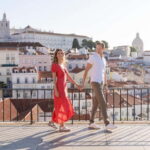
- Stop 3: Miradouro de Santo Estevão Rooftops and Tagus Views
- Stop 4: Igreja de São Miguel Square and Classic Lisbon Framing
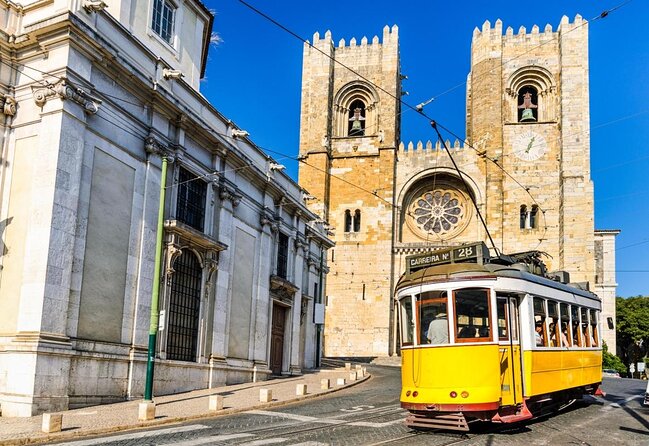
- Stop 5: Lisbon Cathedral for Dramatic Light and Urban Layers
- What You Learn Here That You Can Use Tomorrow
- 1) How to read light as you walk
- 2) Practical shooting positions
- 3) Motion handling for trams
- 4) A slower pace for composition
- 5) Local context so photos mean something
- Camera Gear, Footwear, and the Real Comfort Level
- Price and Value: What $112.82 Pays For
- A Note on Communication and Show-Up Basics
- Who This Tour Suits Best (and Who Might Want Something Else)
- Should You Book the Alfama Photo Walk?
- FAQ
- How long is the Alfama Photo Walk?
- How much does the tour cost?
- Where do I meet and where does it end?
- Is the tour private?
- Is the tour offered in English?
- Do I need to bring my own camera or phone?
- Are there any paid admissions at the stops?
- Is hotel pickup provided?
- Do I need good weather?
- When will I get confirmation after booking?
Key highlights you’ll care about
- A small group (max 5) means the guide can actually help with your specific shots
- Carlos Reveles-style coaching pairs technique with local context, not just camera talk
- Street-light practice in Alfama helps you see how brightness shifts block to block
- Calçada de São Vicente tram shots add motion control to your skills
- Miradouro de Santo Estevão and Lisbon Cathedral give you both wide compositions and dramatic architecture
Why Alfama Street-Light Helps You Improve Fast
Alfama is perfect for photography because it constantly changes the rules. You’ll be walking through tight streets where shadows move quickly, walls catch light differently, and open sky suddenly appears just when you need a wider frame. That makes it a great place to learn something many people skip: how to notice light, not just aim at a subject.
I like that this experience treats Alfama as a classroom. Instead of just going sightseeing, the guide leads you to practical angles and shooting spots. You’ll also learn how to time your photos with the light during the walk, which is the kind of skill that pays off on every future stop in Lisbon.
You can also read our reviews of more tours and experiences in Lisbon.

Meeting at Chafariz das Moiras: The 3-Hour Flow That Works
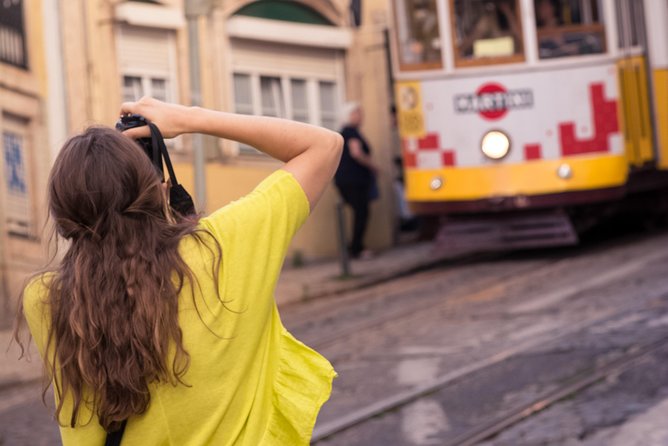
The walk starts at Chafariz das Moiras (Largo do Correio-Mor area) and ends at Largo da Sé near the Cathedral. The route is designed to keep you moving but not rushed, with time for composition built into the pacing. That matters because most street photos are won or lost in the few seconds when your frame clicks—standing there too long feels awkward, but leaving too early means missing the right moment.
You’ll be in a small group, up to 5 travelers, which is a big quality signal. It’s easier for the guide to notice what you’re photographing—especially if you’re using a phone, a compact camera, or a larger setup. The tour is in English, and you’ll receive a mobile ticket for the experience.
Stop 1 in Alfama: Narrow Streets, Changing Light, Real Daily Life
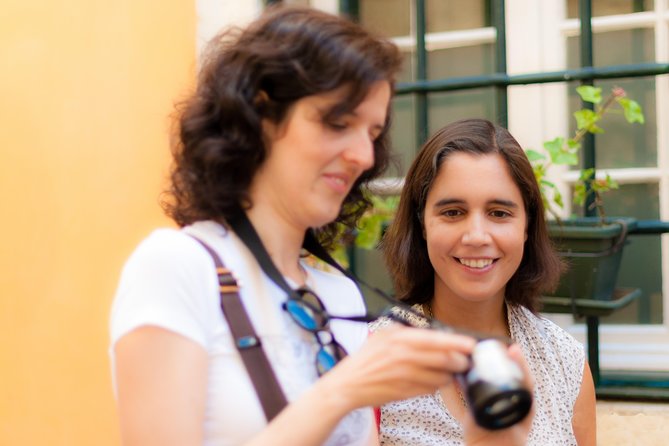
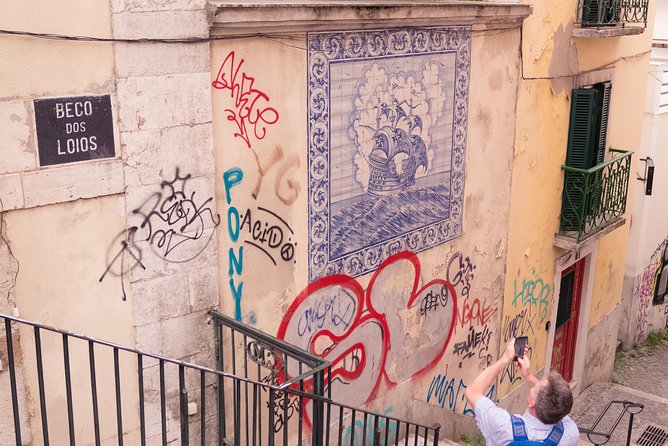
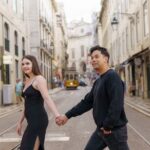
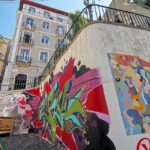
Your first hour is the heart of the walk: Alfama. This is where you’ll get the most immediate results because the district is packed with texture—stone, tiles, stairways, doorways, and laundry lines you can frame like street still-life. The narrow streets also force you to think about your position. You can’t always shoot straight-on, and you start learning how to use turns, corners, and partial views to create depth.
What I find valuable here is the focus on technique plus local context. You’re guided to practical shooting positions and taught how to read the light as the walk moves through different brightness levels. That means you’re not just collecting random pretty photos—you’re learning how to predict what will look good if you turn left at the next bend.
Tip to take with you: when the street gets darker, switch from chasing bright subjects to looking for contrast—faces in doorways, lit signs, reflective details, or bright walls catching side light. Alfama is great for this because the lighting changes fast.
Stop 2: Graca and São Vicente for Trams in Motion
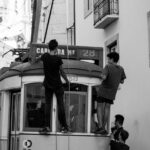
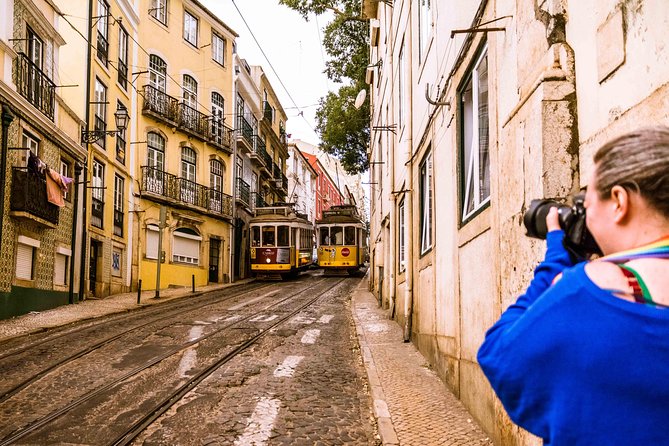
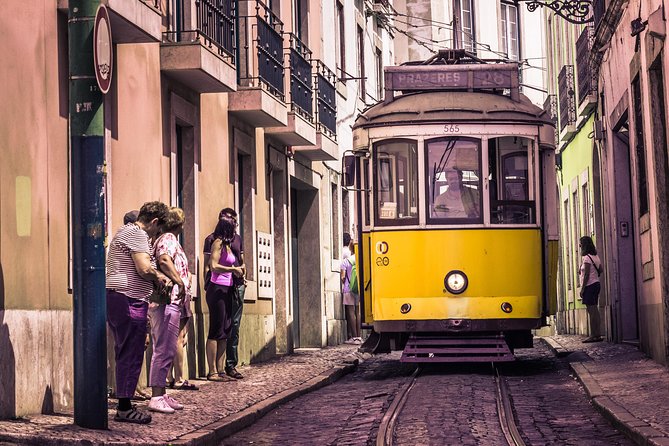
Next comes a change of pace: Graca & São Vicente, with special attention to trams in motion along Calçada de São Vicente. Motion photography sounds intimidating, but the guide’s job here is to make it workable. You’ll practice balancing a moving subject (the tram) with static elements like architecture and street lines.
This is a smart skill lesson because Lisbon is full of movement: trams, pedestrians, and shifting crowds. Learning how to handle one moving subject here gives you a template you can reuse later in the city.
You’ll also spend time near Igreja de São Vicente de Fora, where architectural framing becomes the focus. Architectural photos are about discipline: straight lines, layered depth, and knowing when to include or exclude distractions. Doing tram shots and then switching to church architecture in the same segment helps you train your eye to adjust quickly.
Practical drawback to note: motion shots usually take a few tries. If you’re the impatient type, you might feel like you’re waiting. The walk is paced so you can attempt multiple frames, but you should still expect the learning curve.
Stop 3: Miradouro de Santo Estevão Rooftops and Tagus Views
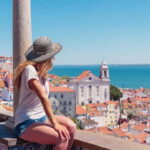
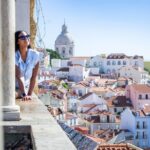
At Miradouro de Santo Estevão, you’re meant to slow down. This stop is about wide compositions: rooftops over Alfama plus a view that reaches toward the Tagus River. Lookouts are where you learn something different from street-level photography: how to build a layered image.
From a viewpoint, your job becomes arranging the scene. Foreground details help, rooftops can act like leading lines, and the river adds scale. If you only shoot one angle, you’ll miss better light and cleaner compositions.
I like that the time here is focused—about 30 minutes—so you can test a few frames, adjust your stance, and then move on without getting stuck. With views like this, it’s tempting to linger, but a limited window helps you work deliberately.


Stop 4: Igreja de São Miguel Square and Classic Lisbon Framing
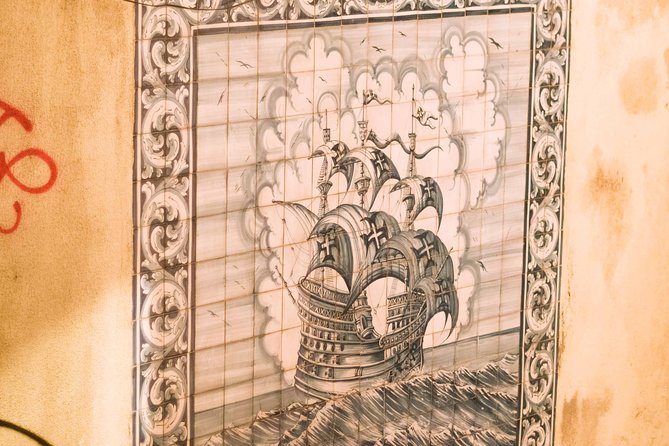
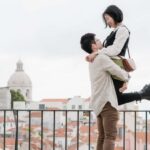
Next, the tour shifts to Igreja de São Miguel, a neighborhood square surrounded by classic Lisbon visuals. This is one of those stops that can feel simple at first—small chapels, local activity, and lots of framing options.
The value here is learning how to make smaller scenes look like stories. Squares are where people naturally gather, and that gives you human scale for the architecture. Even if you’re not trying to capture portraits, you can use the activity as movement inside a still frame.
What to try: frame using edges. Churches and chapels usually come with structures that create natural borders—arches, doorway shapes, railings, or wall corners. Use them to funnel attention toward the main subject.
Also, this stop is a reminder that not every great photo is a huge view. Some of the best Lisbon images are made from careful framing at eye level.
Stop 5: Lisbon Cathedral for Dramatic Light and Urban Layers
The walk ends at Lisbon Cathedral (Lisbon’s oldest church). This final stop is built for payoff. You’ll get dramatic light, plus urban layers—the city wrapping around the church like a backdrop you can use for depth.
Ending here makes sense for photo coaching because it pulls together everything you’ve practiced:
- reading light in changing streets
- handling composition in architecture
- using layers to create depth
- finishing with a subject that’s visually strong from multiple angles
Spend time close-up as well as wider. Cathedral exteriors can produce strong detail shots (stone textures and shapes) and also provide bigger compositions where your surrounding streets add context.
If you’re carrying a phone camera, this is still a great stop. Darker areas can trick phone auto-exposure, so try a couple of different exposures or tap-focus where needed. If you’re using a camera, you can experiment with shutter speeds to keep nearby details crisp while managing the overall brightness.
What You Learn Here That You Can Use Tomorrow
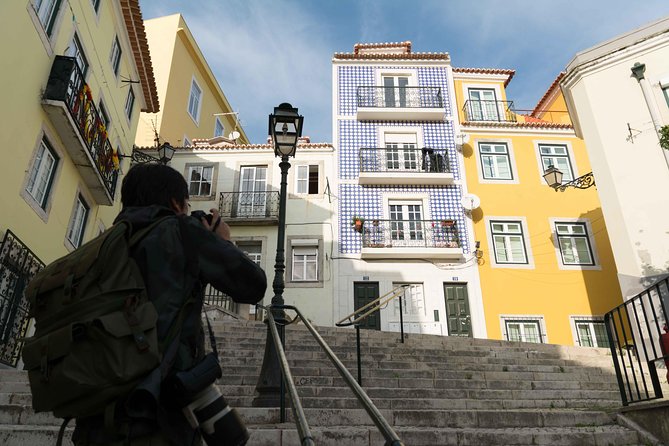
This tour isn’t just a route. It’s a set of photo habits that transfer well beyond Alfama.
1) How to read light as you walk
You’re taught to notice light changes across the district, not just at one perfect moment. Once you understand direction and shadow behavior, street photography gets easier fast.
2) Practical shooting positions
The guide takes you to spots where your composition will naturally work. That saves you the frustrating trial-and-error that happens when you’re alone and don’t know where the best angles are.
3) Motion handling for trams
You practice with a moving subject while keeping static elements balanced. That’s useful for your next Lisbon day, since the city offers tons of motion.
4) A slower pace for composition
The walk is paced to allow time for creativity, and that’s a big deal. Street photography can’t be done at a sprint if you want more than quick snapshots.
5) Local context so photos mean something
The guide shares stories and neighborhood context, which helps you capture images that feel connected to place. Even if you never write a caption, your photos tend to look better when you understand what you’re seeing.
Camera Gear, Footwear, and the Real Comfort Level
The tour includes instruction, but it does not include photography equipment—so bring your own camera or phone. That’s fine. The instruction is adapted to your equipment and experience level, so you won’t be forced into a DSLR-only world.
You should also plan for walking. Reviews and the route itself point to hilly terrain in Lisbon, so bring shoes that can handle uneven streets and inclines. You’ll feel the uphill more than you expect, especially if you’re coming from a hotel far from the meeting area.
Snacks and drinks aren’t included, so if you’re sensitive to low energy, consider carrying water. The walk is only a few hours, but the combination of walking and photo focus can make you forget to snack.
Price and Value: What $112.82 Pays For
At $112.82 per person for about 3 hours, the real value isn’t the sightseeing. It’s the combination of:
- small-group size (max 5)
- photo instruction tailored to your setup
- time built in for composition
- guided access to specific shooting spots
- local cultural context
If you’ve ever tried to “learn street photography” solo, you know how expensive the wasted time can be. Here, you pay for direction. Even if you consider yourself intermediate, having someone show you practical angles and how to work with light is usually worth the cost.
Also, because group discounts are offered, it can be a better deal if you come with friends and your schedules line up. In Lisbon, small-group coaching tends to beat standard walking tours for photographers because your attention stays on technique, not just landmarks.
A Note on Communication and Show-Up Basics
One important practical lesson: this is not described as a private tour, and there are only up to 5 travelers. That means your spot is part of a shared schedule, and it can be adjusted like a standard group activity.
If you have special requests or need clarity, send your messages early and reply when you get a response. And on the day, arrive on time at Chafariz das Moiras. For a photo walk, missing the start can mean missing the planning that gets you to the right light at the right moment.
Who This Tour Suits Best (and Who Might Want Something Else)
This experience is a great fit if you:
- want to improve street photography without guesswork
- like learning from a professional photographer guide
- enjoy photo walks that combine motion, architecture, and viewpoints
- want a relaxed pace that still gets you to strong locations
It may be less ideal if you:
- don’t like walking on hills
- expect the tour to provide camera gear
- only want long time at viewpoints or extended indoor time
Should You Book the Alfama Photo Walk?
Yes, if your goal is to leave Lisbon with photos that look intentional—not just lucky. This walk gives you a focused training path: Alfama light, tram motion, rooftop-wide views, and then a strong architectural finish at Lisbon Cathedral.
I’d especially recommend booking early in your stay so you can apply the techniques the rest of your trip. The guide, Carlos Reveles, is described as friendly and tuned in to finding iconic spots, with advice that supports you while still letting you work your own way.
Book it if you’re willing to do some uphill walking and bring your own camera (or a phone you trust). If you want help with street photography fundamentals in a compact, small-group format, this is one of the more direct ways to get there.
FAQ
How long is the Alfama Photo Walk?
It runs for about 3 hours.
How much does the tour cost?
The price is $112.82 per person.
Where do I meet and where does it end?
You start at Chafariz das Moiras (Largo do Correio-Mor) and end at Largo da Sé.
Is the tour private?
No. It has a maximum of 5 travelers.
Is the tour offered in English?
Yes, it is offered in English.
Do I need to bring my own camera or phone?
Yes. Photography equipment is not included, so you must bring your own.
Are there any paid admissions at the stops?
The stops listed include admission tickets that are free.
Is hotel pickup provided?
No hotel pickup or drop-off is included.
Do I need good weather?
Yes. The experience requires good weather, and if it’s canceled due to poor weather, you’ll be offered a different date or a full refund.
When will I get confirmation after booking?
Confirmation is received at the time of booking.
If you want, tell me what camera you’re using (phone, mirrorless, DSLR, etc.) and your photo style (people, architecture, night shots), and I’ll suggest how to prepare and what to focus on during each stop.