REVIEW · TOKYO
Tokyo:Genuine Tea Ceremony, Kimono Dressing, and Photography
Book on GetYourGuide →Operated by AKIZAKURA · Bookable on GetYourGuide
Dress up, sip matcha, and learn calm. This experience pairs a genuine tea ceremony in kimono with two standout parts I really like: you watch the matcha process up close and then make your own matcha, and you walk to a local shrine for respectful posing and photos while dressed the part. The one thing to keep in mind is that you’ll need to choose your outfit in advance by the day before, since your look is the centerpiece of the whole session.
In a small group of up to 3 participants, the pacing feels personal rather than rushed. You also get practical touches, like table/chair options for anyone who needs help staying comfortable during the sitting parts, plus rain coverage with a plastic umbrella if the weather turns.
For me, the value is that this isn’t just photos and tea—it’s also about posture, behavior, and how to act in and around a shrine while wearing traditional clothing. And yes, the experience includes iPhone 14 Pro-style shooting so you leave with real keepsakes, not just memories in your head.
In This Review
- Key highlights you’ll feel right away
- From Kimono Dressing to Matcha: How the 2.5 Hours Runs
- Choosing Your Kimono/Yukata: Silk Kimonos and 50+ Options
- The Tea Ceremony Teacher: Watch Up Close, Then Make Your Own Matcha
- Tea Ritual Etiquette Meets Shinto Shrine Behavior
- Shrine and Tea Room Photos: Posing That Actually Looks Natural
- Comfort, Timing, and Small-Group Pace (So You Don’t Feel Crushed)
- Price and Value: What You’re Paying For at $115
- Who This Experience Suits Best (And When to Skip)
- Should You Book This AKIZAKURA Tea Ceremony and Kimono Experience?
- FAQ
- How long is the Tokyo tea ceremony experience?
- What languages do the instructors speak?
- How many people are in the group?
- How do I choose my kimono or yukata?
- What is included in the price?
- Is there seating support if I need help during the ceremony?
- Can I book a professional photographer, hair, or makeup?
- Does the experience run in bad weather?
- Do I need to book for everyone who comes with me?
Key highlights you’ll feel right away
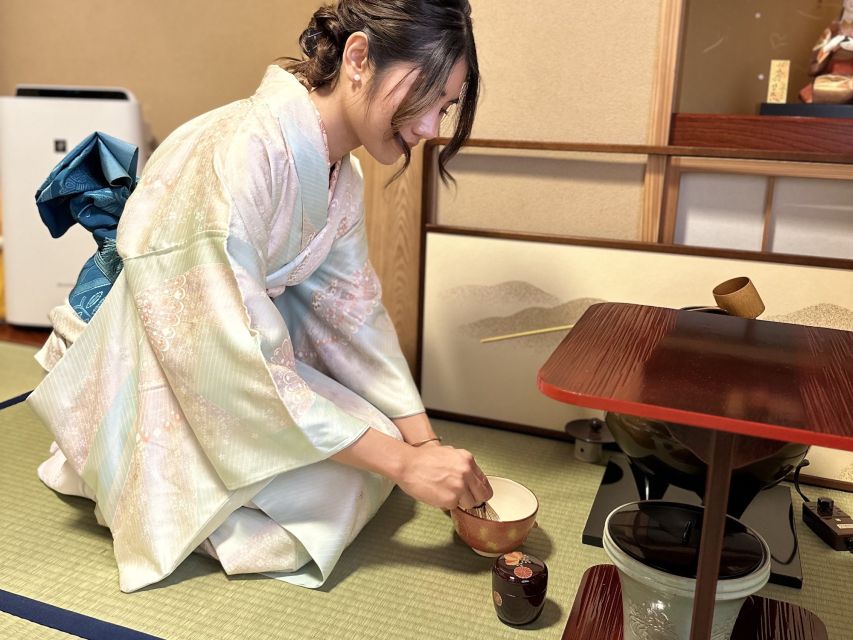
- Hands-on matcha making: you’ll enjoy a professionally prepared matcha and then make your own
- Kimono or yukata, picked from 50+ choices including authentic silk kimonos
- Guided shrine etiquette: walking, sitting down, and respectful behavior
- Photo time at a local shrine and tea room with iPhone 14 Pro shooting included
- Small group vibe limited to 3 people for a calmer, more attentive experience
- Rain or shine with umbrella support and a consistent plan
From Kimono Dressing to Matcha: How the 2.5 Hours Runs
This is a 2.5-hour experience that moves with purpose: outfit first, then the tea ritual, then a shrine visit designed for both correct behavior and great photos. The format matters, because kimono and yukata are not “get dressed and forget it.” You’re taught how to walk and sit so the clothing works the way it’s meant to.
The tempo is also built for teaching. You’ll get close-up watching, clear explanation in English (and Japanese support), and time to try. The tour leans toward a calm, respectful feel—not a performance where someone else does everything while you just watch.
A good sign: the experience includes comfort support. If the sitting parts are challenging, there’s equipment such as table/chairs to help you avoid leg pain from kneeling or sitting on the floor.
You can also read our reviews of more tours and experiences in Tokyo.

Choosing Your Kimono/Yukata: Silk Kimonos and 50+ Options
Your outfit is more than a costume here. You choose your kimono (or yukata in summer) ahead of time, and that choice is part of the experience from the beginning.
A few practical details you’ll want to plan around:
- You must choose your kimono by the day before the tour.
- After booking, you’ll get help picking your outfit via GetYourGuide or WhatsApp, and you should reply after checking.
- Clothing options are wide: you can pick from more than 50 yukata or kimono.
- Kimonos offered include authentic silk options made in traditional ways.
Why this matters: you’ll take photos in and around a shrine, so your outfit really does shape how the day looks on camera. Reviews tied to this point mention careful attention to how the outfit, accessories, and styling work together, with extra care given to details.
Also note the season logic: yukata in summer time and kimono in winter time. If you’re traveling across seasons, that’s a neat way to get the “right” textile feel for the weather.
The Tea Ceremony Teacher: Watch Up Close, Then Make Your Own Matcha
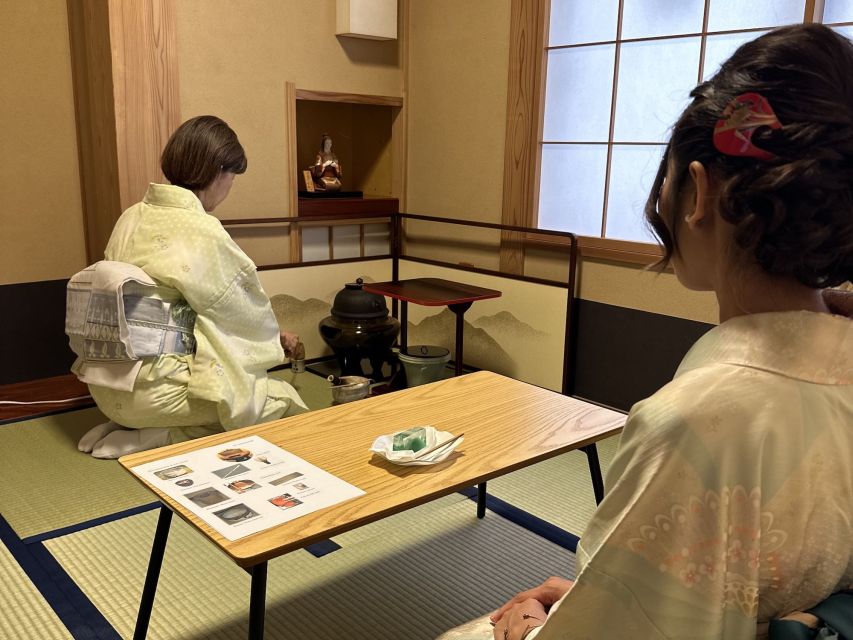
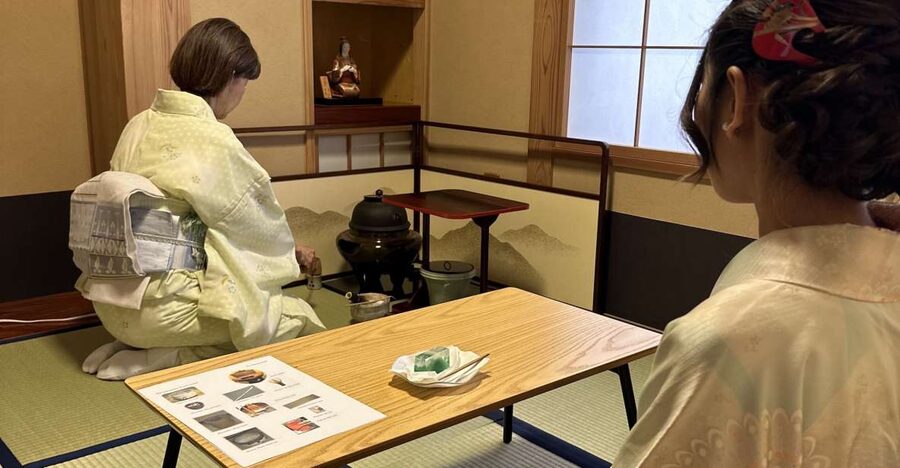
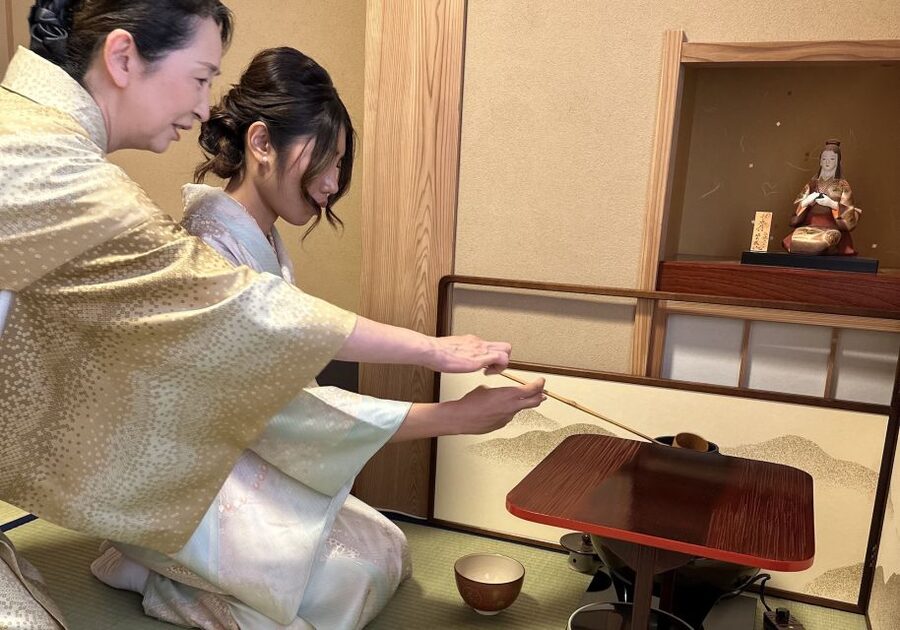
The heart of the experience is a genuine matcha tea ceremony guided by an experienced tea teacher. You’ll see the intricate process up close and learn what each step is for—not just what to do, but why the ritual is handled with care.
You get two matcha moments:
- Professionally prepared matcha, so you can taste the baseline first.
- Your own matcha, where you try the process yourself.
That “watch first, then do” rhythm is the difference between a quick demo and real understanding. Matcha isn’t complicated on paper, but it is precise in hand movements and timing. In this setup, you’re coached while you practice.
During the ceremony, you’ll also get sweets alongside your matcha. That helps you slow down and enjoy the full flavor sequence instead of rushing through the tasting.
Tea Ritual Etiquette Meets Shinto Shrine Behavior
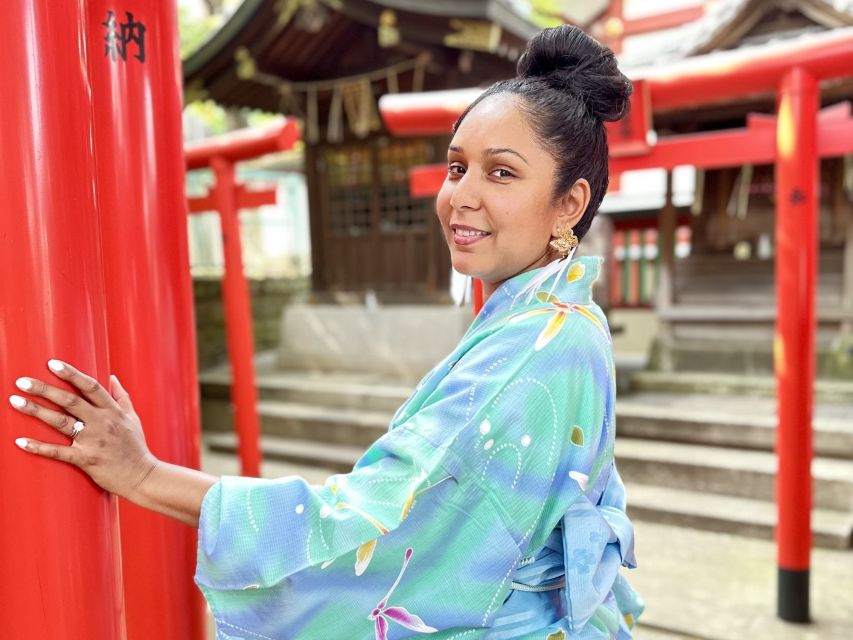
After the tea part, the day shifts into shrine etiquette—because being in kimono changes how you move, sit, and behave. The experience includes guidance on walking manner and on how to sit down properly while dressed in traditional clothing.
This is also where you’ll learn practical “what do I do with my hands and feet” behavior. People often worry about messing up around sacred spaces. Here, you’ll be shown the respectful way to behave and pray at a Shinto shrine, rather than guessing.
One more practical touch: the tour includes instruction on pattern of behavior and sitting-down movement. It’s not only about correctness; it’s about making your body comfortable enough to keep your posture respectful in photos, too.
Shrine and Tea Room Photos: Posing That Actually Looks Natural
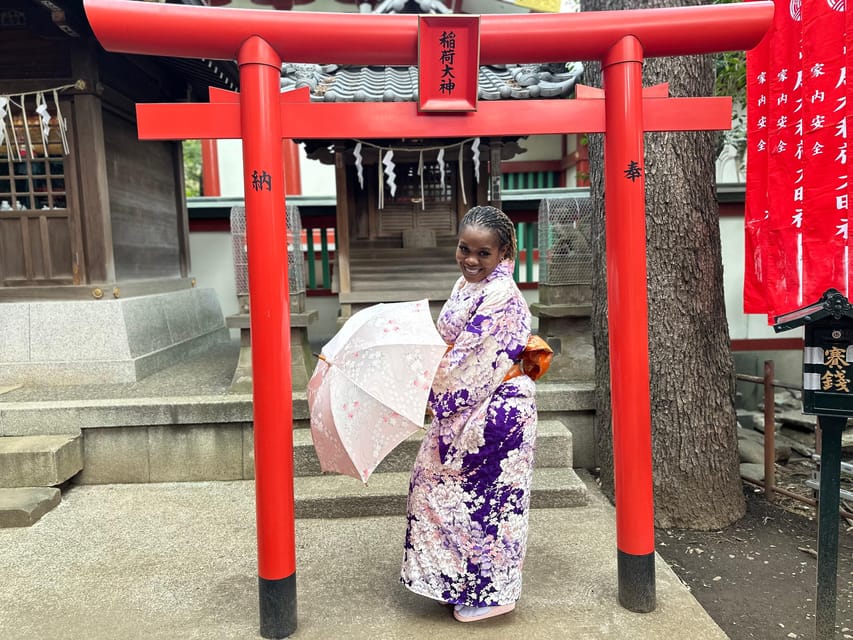
If your main goal is photos, this still works, because the photo time is built around actions you’re already practicing: correct posture, controlled walking, and calm ritual movement. That gives your pictures more life than a rushed “stand here and smile” session.
What’s included:
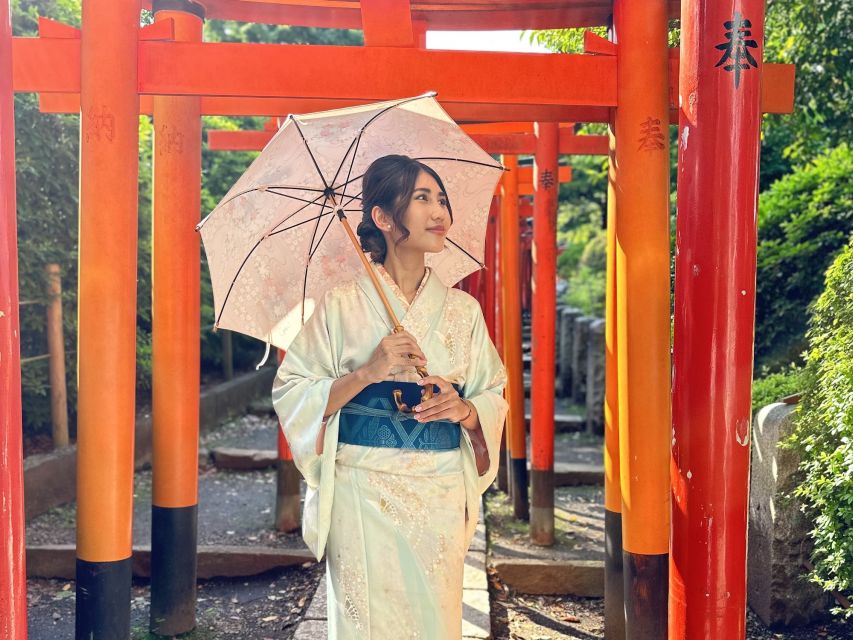
- Lots of commemorative photos at a local shrine and at the tea room.
- Shooting with an iPhone 14 Pro (so the framing and quality aren’t an afterthought).
- An included umbrella: the experience includes AKIZAKURA’s Kimono Upcycled Umbrella, which also becomes a style element during the walk.
A key detail: the photos feel integrated with the day, not tacked on. You’re being directed, which helps you avoid that common travel-photo problem where everyone looks stiff because nobody told you how to stand while wearing an obi and layered sleeves.
If you want even more, professional photography is available for an additional fee. And if you’d like to look extra polished, professional hair and makeup can also be added at extra cost.





Comfort, Timing, and Small-Group Pace (So You Don’t Feel Crushed)
Small group matters with kimono. With a limit of 3 participants, the instructor has time to adjust how you’re dressed, show movements slowly, and keep the day from feeling like a conveyor belt.
The experience is also rain or shine. If it rains, there’s a plastic umbrella provided. This is good to know because you’ll still be walking and photographing outside part of the time.
For comfort, the tour anticipates a real issue: sitting on the floor for ceremonies can be tough. They can provide a table, chairs, and other equipment so you don’t have to fight pain just to participate.
Practical tip for you: wear comfortable socks and clothes underneath your outfit planning. Since you’ll be changing into kimono/yukata, you’ll want a base layer that’s easy to remove and doesn’t feel restrictive.
Price and Value: What You’re Paying For at $115
At $115 per person for about 2.5 hours, this isn’t a budget “activity.” But it also isn’t just paying for tea. You’re paying for:
- Kimono/yukata dressing with obi and accessories
- A guided tea ceremony with matcha and sweets
- Time and instruction to make your own matcha
- A shrine walk with etiquette guidance
- iPhone 14 Pro-style photography support
- Umbrella included for the walk
- Rain support if needed
Where the extras start:
- Professional photographer shoots (additional cost)
- Professional hair and makeup (additional cost)
To judge value, think about what’s hard to DIY in Tokyo: finding a real ceremony teacher, arranging kimono dressing, learning shrine etiquette, and timing a photo session so it doesn’t look forced. This package bundles those pieces into a guided flow.
Also, there’s a detail you should plan around for group members: all persons accompanying the tour are charged, even if they aren’t dressed in a kimono. If you’re traveling with friends who might just want to watch, make sure you understand that they still count as part of the booking.
Who This Experience Suits Best (And When to Skip)
This is a great fit if you:
- Want a cultural activity that includes hands-on learning, not just sightseeing
- Care about photos, but prefer them guided and respectful over random
- Like the idea of wearing traditional clothing that comes with etiquette coaching
- Appreciate a smaller, calmer group setting
It might be less ideal if you:
- Want a purely casual, no-prep experience, because outfit selection happens by the day before
- Hate any chance of rain-related walking, even with an umbrella and plastic rain gear support
- Are traveling with someone who expects to tag along without being part of the booking cost
Should You Book This AKIZAKURA Tea Ceremony and Kimono Experience?
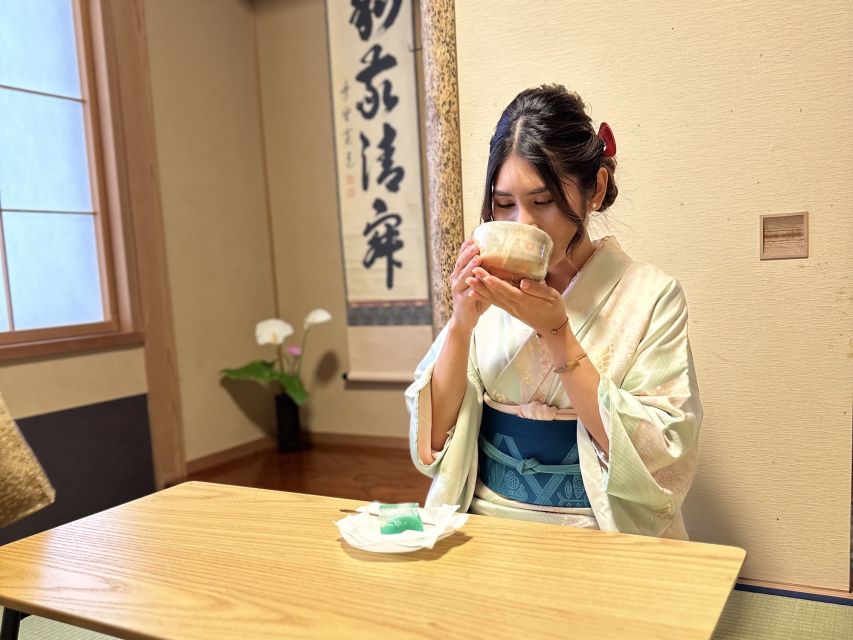
I’d book it if you want one high-impact, culturally grounded morning in Tokyo that combines three things in one: kimono dressing, a real matcha ceremony with hands-on practice, and a shrine visit where you learn how to behave in a respectful way.
If you’re the type who likes details—how to move, how to sit, how ritual steps connect—you’ll leave feeling like you understood something, not just snapped a few photos. And because it’s small group and intentionally paced, it’s also a good option when you’re tired of crowded tours.
If you’re on the fence, decide based on this: do you want the experience to teach you how Japan looks in real daily ritual, even for a short time? If yes, this is a strong choice.
FAQ
How long is the Tokyo tea ceremony experience?
The experience lasts about 2.5 hours (starting times vary by availability).
What languages do the instructors speak?
The instructor provides the experience in English and Japanese.
How many people are in the group?
It’s a small group limited to 3 participants.
How do I choose my kimono or yukata?
You must choose your kimono/yukata for the day by the day before the tour. After you book, you’ll receive a message via GetYourGuide or WhatsApp to help you choose, and you should reply.
What is included in the price?
Matcha green tea and tea sweets are included, along with kimono/yukata clothing, obi, and accessories. You also get AKIZAKURA’s kimono upcycling umbrella and shooting with an iPhone 14 Pro.
Is there seating support if I need help during the ceremony?
Yes. If you need it, the provider can provide a table, chairs, and other equipment to help avoid leg pain from sitting on the floor.
Can I book a professional photographer, hair, or makeup?
Yes. A professional photographer is available for an additional fee, and professional hair and makeup services are also available for an additional fee.
Does the experience run in bad weather?
Yes, it runs rain or shine. A plastic umbrella is provided if it rains.
Do I need to book for everyone who comes with me?
Yes. All persons accompanying the tour are charged, regardless of whether they wear a kimono.