REVIEW · TOKYO
Tokyo: Private Makeover Photography Studio in Luxury Kimono
Book on GetYourGuide →Operated by IRODORI Inc. · Bookable on GetYourGuide
One afternoon, you become a movie star. I love that you can wear authentic Oiran-style kimono made for striking photos, not the kind you typically rent around town, and I love that the studio is reserved just for your group. The main drawback to plan around: if you’re late, they may shorten your session because the next time slot is booked.
The makeover feels hands-on and personal, with staff tailoring hair and makeup to your preferences. In my notes, names like Yoko and Momoko come up often, and their style of coaching means you don’t need to be a model to get good results.
In This Review
- Key Things That Make This Kimono Photo Studio Different
- Asakusa’s Kimono Photos, Without the Usual Guesswork
- Finding Irodori Photo Studio (3rd Floor Near Richmond Asakusa)
- The 150-Minute Flow: From Reception to Photo Booth
- 1) After Asakusa, arrive at your reserved time
- 2) Choose your kimono, hair ornament, and props
- 3) Hair and makeup in the private studio setup
- 4) Dressing: your transformation is the event
- 5) Photo booth shooting with coaching
- 6) You leave with all image data
- Oiran-Style Kimono for Photos: What You’ll Actually Notice
- Hair, Makeup, and the Comfort Factor (Even With a Language Gap)
- What You Get Home: All Photo Data for Printing
- Price and Value: Why This Can Be Worth It for Solo Shoots
- Who This Kimono Photo Studio Fits Best
- Small Rules That Help the Shoot Go Smoothly
- Should You Book This Tokyo Kimono Makeover Photo Session?
- FAQ
- Where is Irodori Photo Studio located?
- How long is the experience?
- Is this a private group experience?
- What’s included in the package?
- Do I get photos to download or keep?
- Can I bring props for the photo booth?
- Will I get help if I have never done a studio photoshoot before?
- What should I wear so changing into a kimono is easier?
- Who should not book this experience?
- Are cosplay costumes allowed?
Key Things That Make This Kimono Photo Studio Different
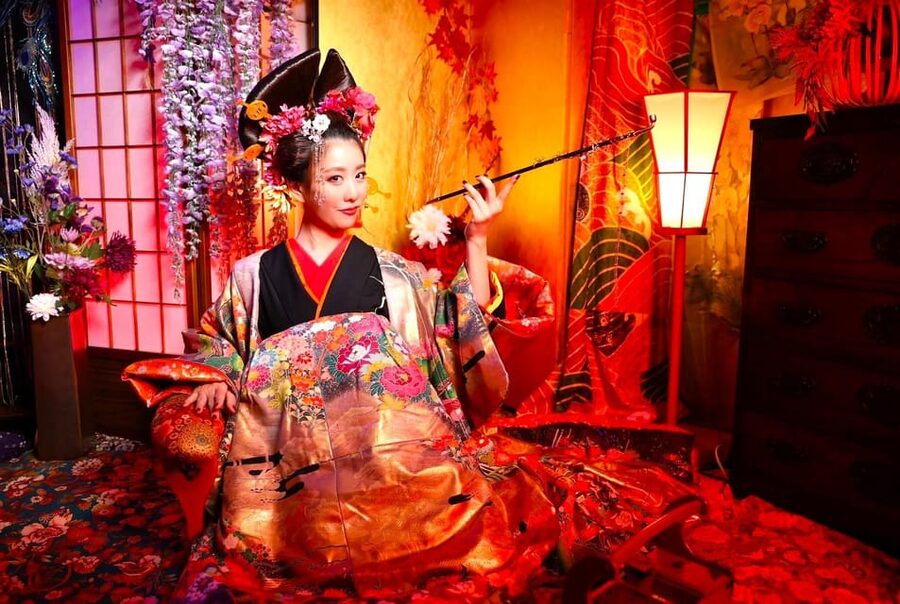
- Oiran-style kimono for photography: costumes geared toward dramatic, high-impact pictures
- Private studio use: you’re not sharing the room with strangers
- Hair and makeup tailored to you: the team adjusts details to match your look
- Pose coaching in a photo booth: even first-timers can relax and follow direction
- You receive all shooting image data: usable at home for printing and sharing
Asakusa’s Kimono Photos, Without the Usual Guesswork
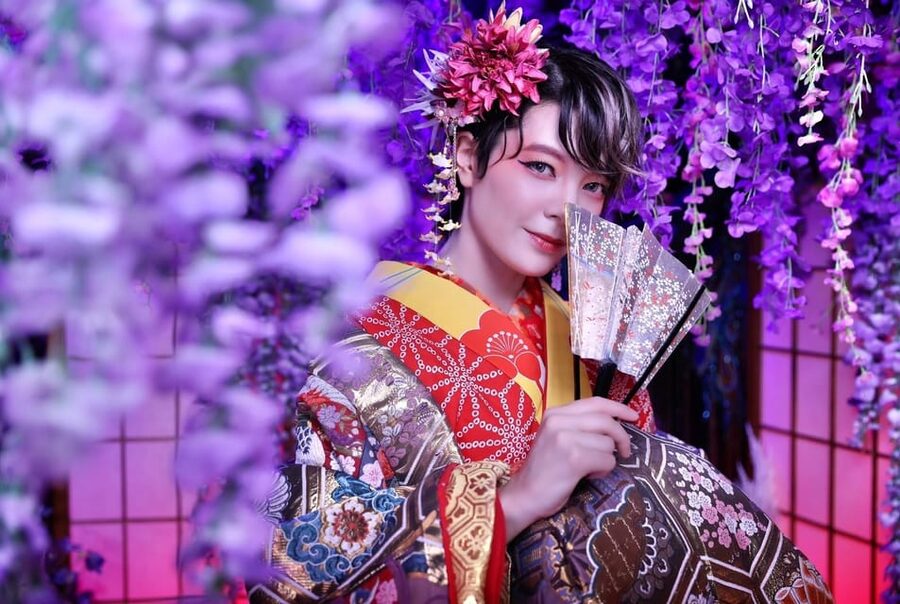
Asakusa is one of those Tokyo neighborhoods where you can easily spend hours just wandering—old streets, temple vibes, snacks, and photo ops everywhere. This experience gives you a different kind of payoff: you trade walking and waiting for a tight, guided transformation in a studio.
What I like most is the focus. Instead of trying to squeeze outfit photos between sightseeing stops, you show up at your reserved time, get dressed properly, and then shoot. It’s the kind of structure that helps you look polished even if you’re not comfortable posing in front of a camera.
Also, this is not a standard “rent a kimono and hope for the best” setup. You’re working with professional hair and makeup and an actual photography process in a private room, which makes the final images feel intentional—not accidental.
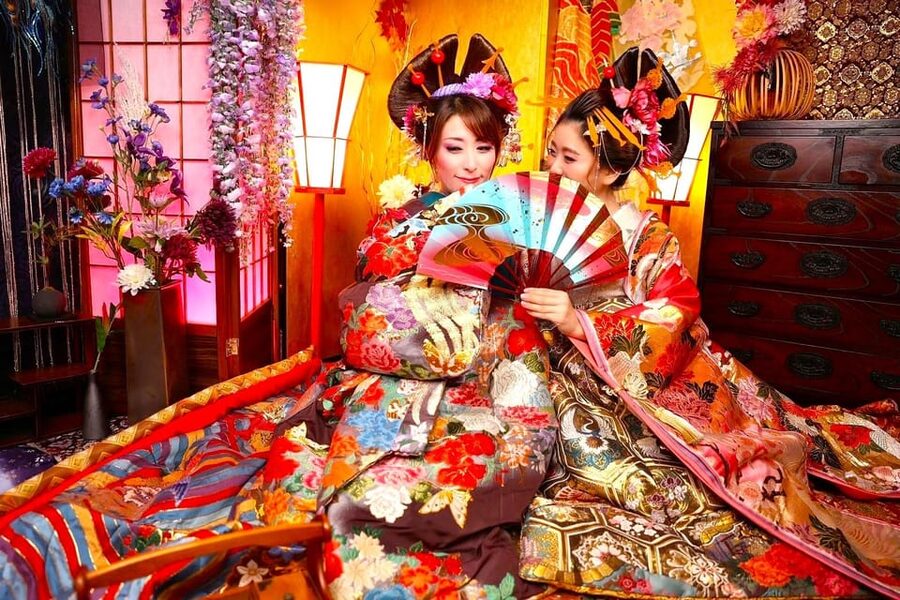
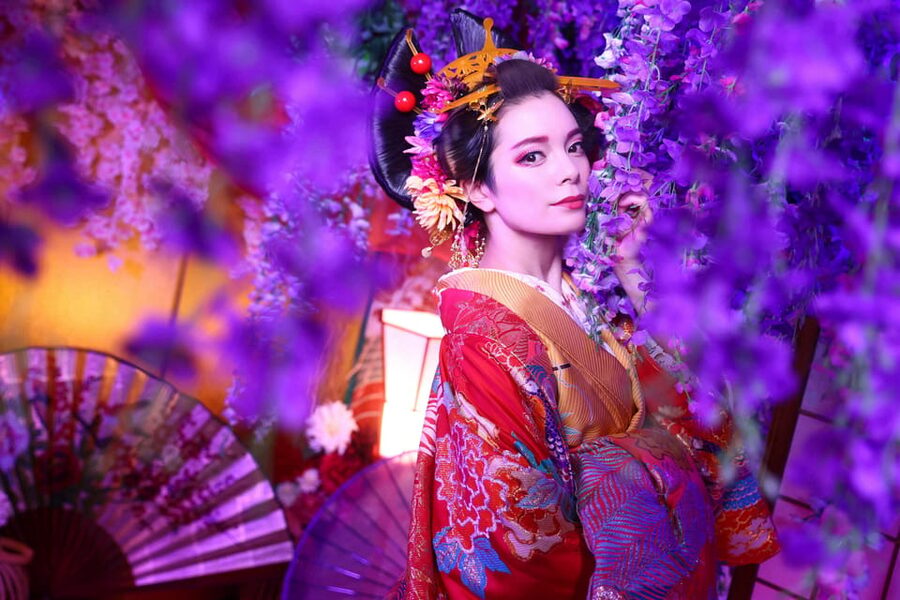
One more practical point: the kimono you’ll wear is described as Oiran style and is positioned as something you can’t just rent in town. That matters because many rental-kimono experiences in Tokyo aim for a casual look. Here, the emphasis is on theater-like drama for photos.
You can also read our reviews of more tours and experiences in Tokyo.
Finding Irodori Photo Studio (3rd Floor Near Richmond Asakusa)
Before you even think about makeup, you’ll want your logistics to feel easy. The meeting point is Irodori Photo Studio, located next to the back of Richmond Hotel Premier Asakusa, and the studio is on the 3rd floor.
If you’re staying in the Asakusa area, this location is convenient because you can plan to arrive a bit early and get your bearings. That helps with one thing people often underestimate: changing into a kimono is fast once you’re seated, but you still want a calm start before the first step begins.
For your planning brain:
- Go to Richmond Hotel Premier Asakusa, then look for the studio side access and get to the 3rd floor
- Arrive at your appointment time, not just “around then”
The 150-Minute Flow: From Reception to Photo Booth
Your total time is 150 minutes, and it’s paced like a makeover plus a photo session—not just a quick costume change. The sequence is clear from the start, and that helps you know what to do with your energy.
Here’s what your timeline typically looks like:
1) After Asakusa, arrive at your reserved time
You can enjoy Asakusa sightseeing as much as you want, then head to the studio when your slot begins. Once you arrive, you’ll enter the studio process at the reception.
A key detail: if you’re late, they may shorten your time. This isn’t the moment to be casually late. Show up ready to start.
2) Choose your kimono, hair ornament, and props
In the reception area, you’ll tell the full-time staff what you want to experience—hair style, makeup vibe, and outfit ideas. Then you pick from a wide selection of gorgeous kimono, plus hair ornaments and props.
This “choose your look” part is where the session becomes yours. If you want a more dramatic look, you can steer the style. If you want something softer, you can focus on hair ornaments and makeup tone.
Props are allowed, but with limits: each person can bring up to two props. So if you have a small personal item or two that adds meaning (like a sign or themed accessory), bring only what fits the two-prop cap.
Also note the restriction: no character cosplay or items that could raise copyright issues.

3) Hair and makeup in the private studio setup
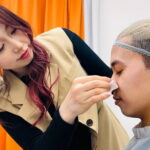
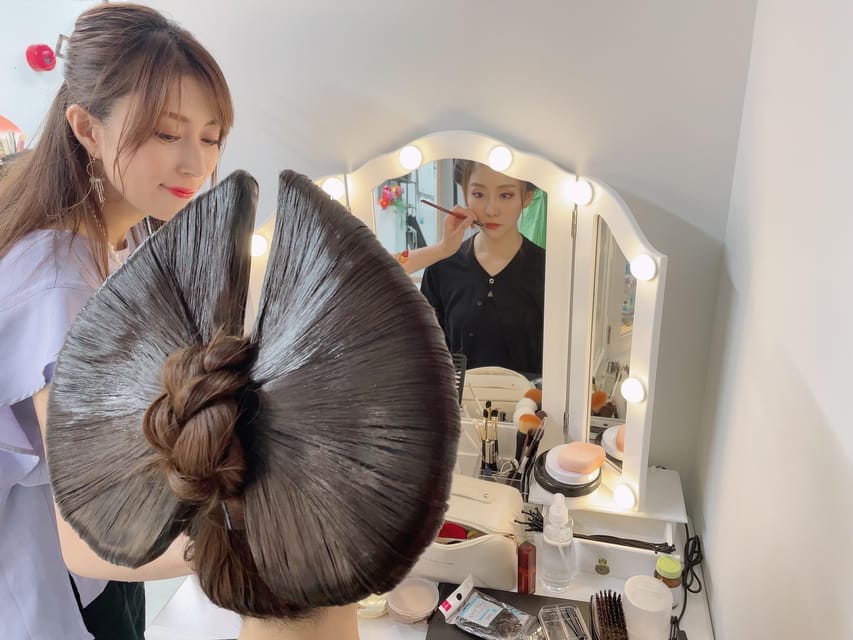
Once your choices are set, professional staff handle hair and makeup. They’re meant to tailor it to your wishes, not just apply a one-size style.
A practical tip from the experience instructions: for women, it’s recommended to wear a camisole; for men, an inner T-shirt with a wide collar. This makes changing into and out of layers easier and faster. You’ll thank yourself when you’re trying to move smoothly between stations.
4) Dressing: your transformation is the event
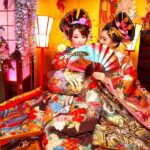
After makeup is complete, you’ll be dressed in the kimono. This is where the Oiran-style look becomes real—not just fabric, but styling. The goal is a polished, photo-ready result.
5) Photo booth shooting with coaching
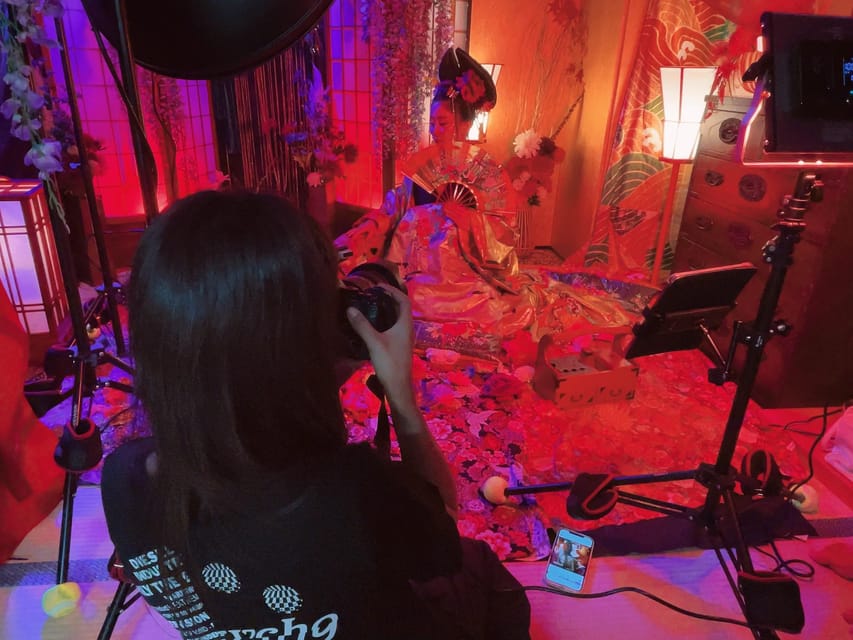
Then comes the part most people care about: photos. You’ll step into a special photo booth area, where a photographer takes pictures and advises you on how to pose.
This is built for comfort. Even if you’ve never done a studio shoot, the photographer can guide you through angles and expressions. That guidance is what turns “I don’t know what to do” into “Oh, I can actually look good.”
They’ll shoot in a variety of styles, so you’re not locked into one pose forever.
6) You leave with all image data
After the photo session, you receive all the image data from your shoot. Then your session ends. The big upside here is that you don’t just get a few printed photos—you get the raw material for future printing and sharing.
Oiran-Style Kimono for Photos: What You’ll Actually Notice
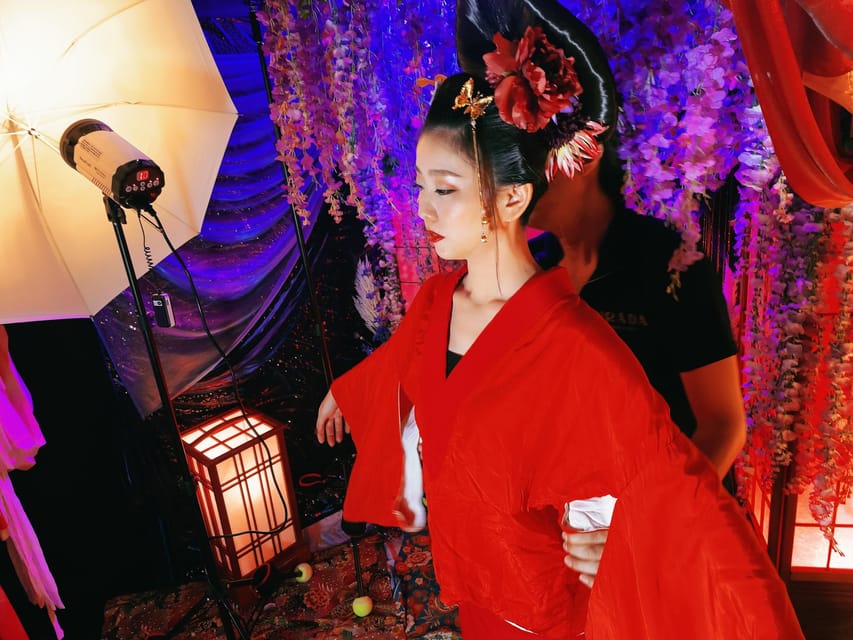
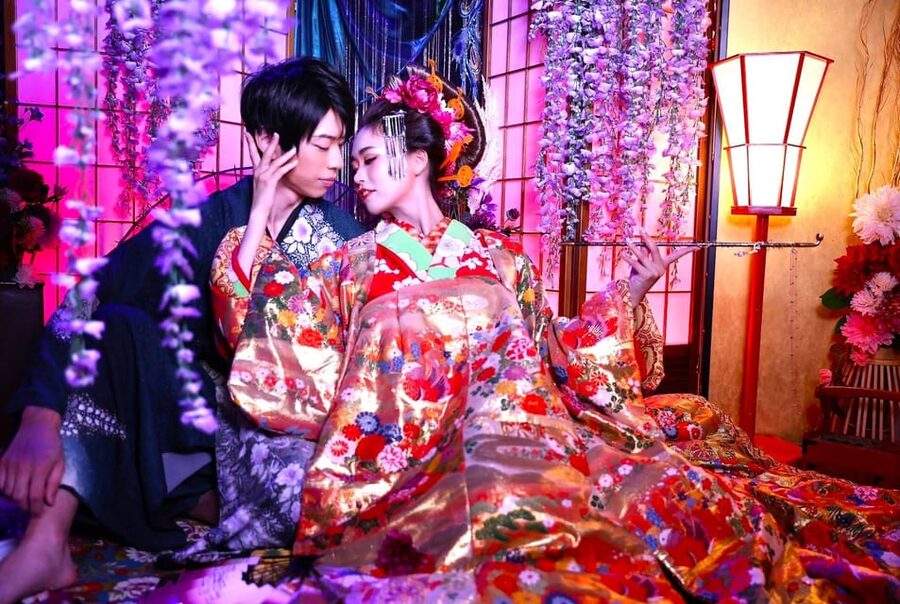
The headline promise is beautiful kimono. The real value is what that looks like in photos. Oiran-style designs are meant to feel dramatic and theater-inspired, with styling choices that read clearly on camera.
That means:
- Your costume isn’t a casual outfit; it’s made for the kind of visual impact you want from a studio session
- Details like hair ornaments and makeup matter more, because they’re part of the character-to-camera effect
- Your images can feel more like a portrait series than a quick souvenir snapshot
And because this is a studio-based experience, you’re not limited to bad lighting, wind, or crowds. Instead, you get a controlled setup where the look can be consistent from shot to shot.
Hair, Makeup, and the Comfort Factor (Even With a Language Gap)
Professional hair and makeup is included, and the staff tailor it to your needs. That matters because a great kimono photo can look flat if hair and face don’t match the silhouette and mood of the costume.
You’ll be doing this in a structured way:
- You tell them what you want
- They prepare hair and makeup in response
- You’re dressed after the full look comes together
The experience also runs with Japanese and English support (the instructors include both). That’s helpful if your Japanese is limited, especially for the parts where you need to communicate what style you want.
And then there’s posing. Even if you feel awkward in front of cameras, the photographer provides advice during the shoot. That kind of coaching is the difference between “pretty costume” and “photos you can actually post.”
What You Get Home: All Photo Data for Printing
Most “kimono rental + photo” combos leave you with a few physical prints or a small set of edited images. Here, the experience includes delivery of all photo data taken.
That means you have flexibility later:
- You can use the files for different printing purposes back home
- You can choose which shots matter most to you
- You’re not stuck waiting for a print order you didn’t fully control
The instruction is straightforward: all shooting data will be provided, and you can use it for various printing purposes.
One note to keep expectations realistic: your final experience includes image data, but it does not include printed photos. If you want prints, plan for that extra step later on your own.
Price and Value: Why This Can Be Worth It for Solo Shoots
The price is $227 per group (up to 1) for 150 minutes. That number sounds like a lot until you break down what’s inside.
You’re paying for:
- Professional hair and makeup
- Kimono costume rental specifically for photographing (Oiran style)
- A private studio setup
- Photography in a special photo booth with guidance
- Delivery of all image data
So the value isn’t just the costume. It’s the full production: the time, the staff attention, and the fact that you get a complete image set to work with later.
If your plan is mostly sightseeing and you only want a few photos, a rental-kimono plus street photos can feel cheaper. But if you want portraits that look like they belong in an album, this structure saves you trouble and gives you better results without the stress of finding the perfect lighting spot.
For solo travelers, this is especially appealing because the “private studio” idea often feels like a luxury you can’t get for the same kind of price elsewhere.
Who This Kimono Photo Studio Fits Best
This experience is designed for adults and teens with the right physical fit.
It is not suitable for:
- Children under 15
- Pregnant women
- Wheelchair users
- People over 264 lbs (120 kg)
With that said, it’s a great match for:
- Solo travelers who want a portrait-style souvenir that feels special
- Anyone who wants a dramatic, Oiran-style kimono look without searching for a rare costume rental
- People who feel shy about posing and want clear instruction in the photo booth
- Travelers who care about receiving digital files they can print later
Also, it’s a private group. That usually means you can focus on your look without sharing the session with other people.
Small Rules That Help the Shoot Go Smoothly
The experience includes a few guidelines that keep things running on time and protect the quality of your session.
- Arrive on time. Late arrivals can reduce your time because the next slot is reserved.
- Bring only up to two props per person.
- Skip character cosplay or anything that could involve copyright issues.
- Wear clothing that makes changing easier (camisole for women; wide-collar inner T-shirt for men).
None of these are meant to ruin your fun. They’re there so the team can keep your makeover moving and still deliver a polished result.
Should You Book This Tokyo Kimono Makeover Photo Session?
Book it if you want a studio-quality kimono portrait experience in Asakusa with pro hair and makeup, a private setup, and all digital photo data for future printing. If you’re the type who loves dressing up but doesn’t want to manage the logistics of outfit changes, finding a camera setup, and crowd-photo interruptions, this is a strong fit.
Skip it if you need wheelchair access, you’re traveling with a child under 15, or you want a casual, no-staff, walk-around kimono rental only.
If you’re deciding between a street-photo kimono day and a studio makeover, I’d lean toward the studio—because time is controlled, posing is coached, and the end result is designed to look good on camera.
FAQ
Where is Irodori Photo Studio located?
Irodori Photo Studio is next to the back of Richmond Hotel Premier Asakusa, and it’s on the 3rd floor of the building.
How long is the experience?
The session lasts 150 minutes.
Is this a private group experience?
Yes. It’s a private group, and the studio is reserved for your safe and secure use.
What’s included in the package?
You get professional hair and makeup, Oiran-style kimono costumes for photographing, photography in a private photo studio, and delivery of all image data taken.
Do I get photos to download or keep?
Yes. You receive all the image data of the photos taken after the session.
Can I bring props for the photo booth?
Yes, and each person can bring a total of two props.
Will I get help if I have never done a studio photoshoot before?
Yes. The photographer provides advice and takes photos in a variety of styles, so you don’t need to know poses in advance.
What should I wear so changing into a kimono is easier?
It’s recommended that female customers wear a camisole, and male customers wear an inner T-shirt with a wide collar.
Who should not book this experience?
It’s not suitable for children under 15, pregnant women, wheelchair users, and people over 264 lbs (120 kg).
Are cosplay costumes allowed?
Character cosplay and any goodies that may cause copyright issues are not allowed.