REVIEW · LONDON
London Smartphone Photography workshop and tour
Book on Viator →Operated by Jet Black Squares · Bookable on Viator
Your phone is your ticket to London photos.
This smartphone photography workshop pairs classic London sight-seeing along the Thames with hands-on coaching—so you’re not just looking, you’re actually learning how to frame and polish what you see. It works for all experience levels, even if you’re the type who keeps your camera app on mute.
I especially like the way the session focuses on practical results: composition tips you can use immediately and real editing help at the end. The only drawback is simple: you must bring your own smartphone to take part.
Key highlights to know before you go
- Blackfriars to the Thames: learn while you’re actively sightseeing, not in a classroom
- For any phone: suitable across iPhone and Android models
- Coffee + editing time: you finish with an editing session using a free app
- Jett’s hands-on teaching: tips are personalized to what you want to see
- Follow-up notes by email: you’ll get instructions again after the workshop
- Private group experience: only your group participates
In This Review
- A Thames photo walk built for real travel photos
- Starting at Blackfriars: where to begin shooting right away
- How the guide teaches composition on the move
- Editing at coffee: turning good shots into finished photos
- Sightseeing that doesn’t slow you down
- What kind of people this workshop suits best
- Price and value: why $237.59 can make sense
- What to bring (and what to do before you meet)
- Using your new skills after the workshop
- Should you book the London smartphone photo tour?
- FAQ
- How long is the London smartphone photography workshop?
- Where does the tour start?
- Is coffee included?
- Do I need my own smartphone?
- What language is the workshop offered in?
- Is this a private tour?
- What’s the cancellation policy?
A Thames photo walk built for real travel photos
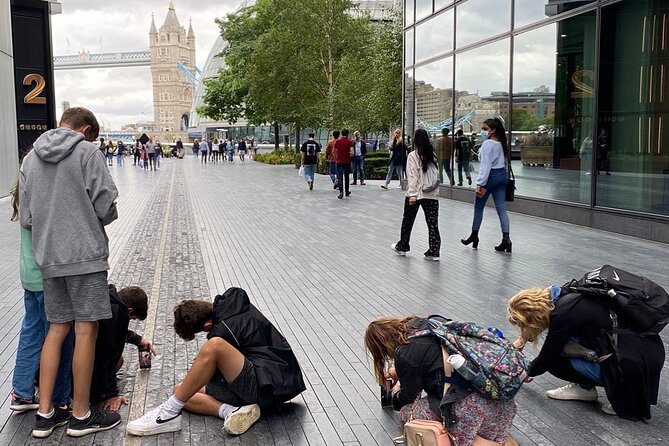
London looks great on a postcard. But it’s even better when you can capture what you felt standing there—boats sliding past, light bouncing off buildings, textures that disappear once you’re back in your hotel room. That’s the core idea behind this London Smartphone Photography workshop and tour: you combine a walk with coaching so your phone becomes your main camera tool.
The format is short—about 2 hours—which is a good thing in a city like London. You get enough time to practice live, then you sit down over coffee or tea (and a soft drink option is included too) to work on edits. It’s not a long lecture. It’s more like a guided “shoot together, then fix together” session.
You’ll start at Blackfriars Station (South Entrance, Stop D) and end back at the same meeting point. Along the way, you’ll learn how to use your phone for composition and how to edit after you shoot. You’ll also keep moving, so you’re still doing sightseeing instead of standing in one spot for the whole time.
Starting at Blackfriars: where to begin shooting right away
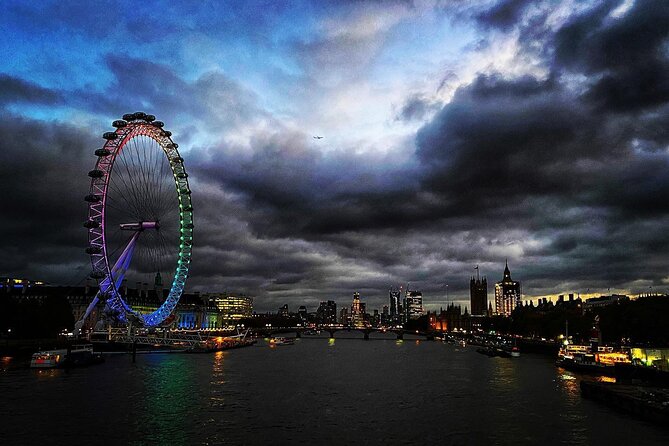
Meeting at Blackfriars Station is practical. It’s a convenient London location with easy public transport access, and it puts you near the Thames fast—no long taxi detours or complicated navigation. Starting at a transit hub also helps if you’re trying to stack your day: this is the kind of activity you can plug in between other plans without needing a “half-day commitment.”
Once you meet your guide, you’ll shift quickly into camera mode. That matters because the biggest reason phone photos look weak isn’t usually the phone—it’s the habits. In a short workshop, you learn those habits on the move: how to frame subjects, how to simplify a scene, and how to avoid that common travel mistake of taking the photo but not really deciding what should be the main point.
This tour is designed to be approachable. The coaching is meant for people who might feel intimidated by technology. If you get nervous touching camera settings, you’re not going to be left behind. The whole point is to make smartphone photography feel normal and usable within minutes.
You can also read our reviews of more tours and experiences in London.

How the guide teaches composition on the move
The walk along the Thames isn’t just scenic background. Each section is an opportunity to practice composition, and that’s where you’ll see the biggest jump in your photos.
Here’s what composition coaching usually changes on a travel photo tour—this workshop targets the same things, with a focus on what you can do using your phone:
- Making one subject clear: instead of capturing everything, you learn how to choose what the photo is about.
- Working with lines: rivers, bridges, railings, and building edges can guide the eye.
- Framing for depth: layering near and far elements helps London look less flat.
- Adjusting your viewpoint quickly: small steps left or right can fix a busy shot.
Because the emphasis is on real-world results, you’ll likely notice that your camera app becomes less of a mystery and more of a tool. And since it’s suitable for any make and model of phone, you don’t have to worry about getting “the right model” to participate. The goal is transferable technique, not phone-specific gimmicks.
One more thing that really helps: the teaching is interactive. In other words, the guide isn’t just talking while you take occasional photos. The experience is built so you’re practicing as you go, and you can ask questions when something doesn’t make sense.
If you’re traveling with a friend or building a team activity, this kind of teaching style also helps people compare notes. Everyone starts with a phone, everyone learns the same fundamentals, and you can talk about what worked and why right there on the route.
Editing at coffee: turning good shots into finished photos
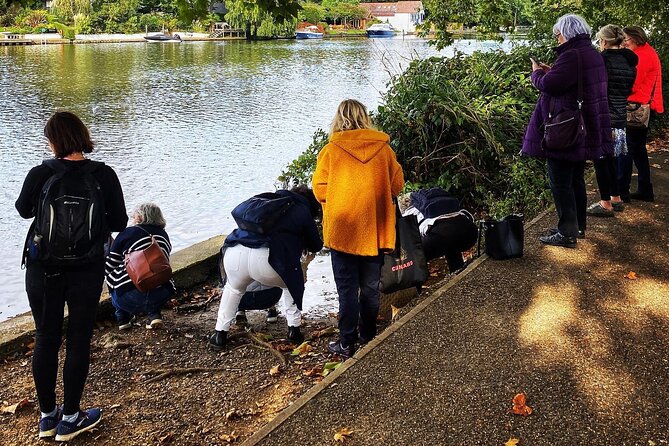
The session ends over coffee or soft drink (included), and that’s when the workshop becomes more valuable than a simple photo walk. You don’t just learn how to shoot—you learn how to edit what you captured so it actually looks like you want it to look.
You’ll edit photos using a free editing app (one of the best free options, per the workshop description). Since you’re editing within the tour time, you’re not stuck later guessing how to apply corrections or what to change first.
In plain terms, editing is where travel photos often stop being “that random picture” and start being “this is the one I’ll print.” Even quick edits can improve:
- Exposure and contrast so the scene has depth
- Color balance so London light doesn’t look weird
- Cropping so the composition matches what you intended
- Clarity so details hold up on a screen
A great sign from the experience details and the feedback is that the guide gives instructions again after the walk. The follow-up email with details and guidance is a big deal. It means you can actually remember what you did, then repeat it on your own later instead of hoping the tips stuck in the moment.
If you’ve ever taken “almost good” photos on a trip and felt stuck at the edit stage, this workshop is built to fix that gap.
Sightseeing that doesn’t slow you down
Some walking tours feel like the sightseeing is the main event and the activity is just a side quest. Here, the balance is different. The route along the Thames is the setting for photography practice, not a distraction from it.
That makes your time efficient. You’re not “paused” while someone explains camera theory. Instead, you’re seeing London while learning how to record it in a more intentional way. The guide’s approach also supports flexibility—if your group has preferences for what to focus on, the route can be adjusted so the practice matches what you care about.
In a private setup, that flexibility becomes more useful. It’s not a rigid schedule meant for the largest crowd. Your group can spend a bit more time on what you want and less on what you don’t.
Also, because the tour ends back at the meeting point, you don’t have to solve the “where do I go after” question. That matters in London, where getting from one side of the river to the other can take longer than you expect.
What kind of people this workshop suits best
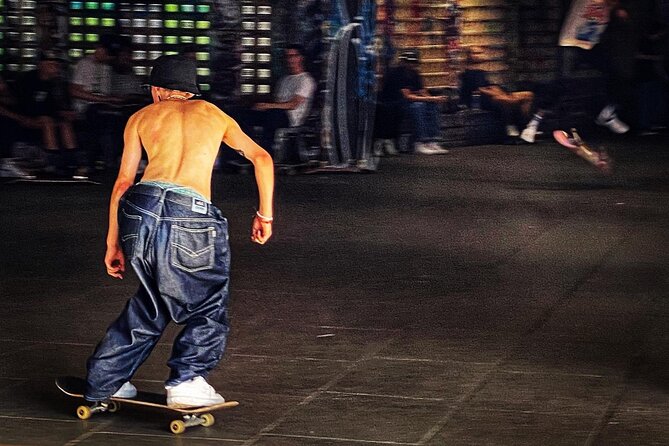
This experience is designed for mixed comfort levels. It’s meant to work for both beginners and people who already know the basics. Even if you’re not confident with settings, you can still participate, because the coaching emphasizes technique you can apply quickly.
It’s also a good choice if you want something interactive but not stressful:
- You’ll use your own phone, so it’s realistic for future trips.
- You’ll learn how to edit in a structured, guided way.
- You’ll get follow-up notes, which helps your memory.
A practical plus: it’s suitable for service animals and it’s close to public transportation. The workshop says most people can participate, and since the activity centers on walking plus photo practice, it’s usually more approachable than sit-down-only classes.
If you’re the kind of traveler who likes to get better at something you’ll keep doing—photography, writing, cooking—this fits. If you want a purely cultural tour with no shooting component, you might find it more technical than you’d like.

Price and value: why $237.59 can make sense
At $237.59 per person, you’re paying for a focused coaching experience rather than a general group tour. Whether it feels like a good deal depends on what you compare it to.
Here’s the value case that’s supported by what’s included:
- Private tour format: only your group participates, so you’re not fighting for attention.
- Hands-on time: you’re practicing along the Thames, not just listening.
- Editing support: coffee/soft drink is included, and you get help using a free editing app.
- Personalization: the teaching can be tailored to what places you want to see.
- Follow-up email notes: you get instructions again after the session.
That combination is where the price lands for me. If you already know how to compose shots but want editing help, it still works. If you’re starting from scratch, you get guided structure rather than random trial-and-error.
Also, because it’s only about two hours, you’re not paying for a long program. You pay for concentrated coaching time, plus the short sightseeing walk that feeds your practice.
What to bring (and what to do before you meet)
The tour doesn’t provide the one tool you need. You must provide your own smartphone, so plan for that like it’s your camera bag.
Beyond that, think about your phone in terms of readiness rather than settings. You’ll be shooting while walking, then editing at the end. So you’ll want to behave like a photographer: keep the lens clean, and pay attention to your framing as you walk.
If you’re using an iPhone or Android with a camera app that has multiple modes, you don’t need to become an expert before you arrive. The point is that the guide will teach you how to use what you have. Still, you can make your life easier by doing a quick check before you go:
- Make sure your camera is working
- Clear space if your photo roll is already full
- Know how to open your editing app quickly (or be ready to learn during the workshop)
That keeps the workshop smooth and lets you spend your attention where it matters: composing and editing.
Using your new skills after the workshop
The workshop ends back where you started, but your learning doesn’t have to stop there. The experience includes a follow-up email sent by the guide with details and instructions from the class. That’s a smart touch because phone photography is partly muscle memory and partly remembering your steps.
When you’re back in your hotel, try this simple routine:
- Pick 3 photos you like and 3 photos you’re not sure about
- Compare the composition choices (what’s the subject, what’s the distraction)
- Apply the edit steps you practiced at the end of the tour
- Save a version you like, then repeat on another set
Editing gets easier once you’ve seen a process in action. And since the edits are done with a free app during the session, you’re not dealing with some expensive software learning curve.
If you like getting a result fast, this kind of workshop is built for that. You walk away with better shots and a clearer workflow, not just a memory of a nice walk.
Should you book the London smartphone photo tour?
Book it if you want London sightseeing plus real photography improvement in a short, friendly format. It’s especially worth it if you’ve got photos that feel slightly off—too busy, too flat, or not “finished”—because the workshop combines composition coaching with editing help using a free app.
Skip it if your main goal is a traditional history-heavy guided tour. This is an active, phone-focused experience. You’re walking, shooting, and learning your way toward better travel photos.
One final quick check before you decide: if you don’t want to carry your own phone during a walk, or you’re unwilling to do quick editing at the end, then this probably won’t feel worth it. If you’re okay bringing your phone and practicing a little, you’ll likely leave with skills you can use across your whole trip.
FAQ
How long is the London smartphone photography workshop?
It lasts about 2 hours.
Where does the tour start?
The meeting point is Blackfriars Station (South Entrance, Stop D), London SE1 9UD. It ends back at the same meeting point.
Is coffee included?
Yes. The workshop includes coffee and/or tea, and the session ends over coffee or a soft drink.
Do I need my own smartphone?
Yes. You must provide your own smartphone. The workshop is suitable for any make and model.
What language is the workshop offered in?
The experience is offered in English.
Is this a private tour?
Yes. It’s a private tour/activity, so only your group participates.
What’s the cancellation policy?
You can cancel for a full refund if you cancel at least 24 hours before the experience’s start time. Free cancellation is offered, but cancellations within 24 hours aren’t refunded.