REVIEW · ROME
Photo Tour in the Ostiense district: forfeiture and redevelopment
Book on Viator →Bookable on Viator
Street art meets factory ghosts in Rome. This 3-hour photo tour in Ostiense follows the Garbatella metro crossing the Ponte Settimia Spizzichino, then tracks the Tiber toward the Gazometro, mixing redevelopment murals with post-industrial grit. I like the street-art redevelopment route because it shows how neighborhoods shift, and I like the photo coaching from Daniele, who keeps things practical while you walk.
The main drawback is simple: it is a flat route, but it is still a bit long on foot, so plan for real walking time.
In This Review
- Key highlights to expect
- From Garbatella to Ostiense: starting with the Ponte Settimia Spizzichino
- Murals in Ostiense: photographing redevelopment through street art
- Following the Tiber: the slow walk toward Gazometro
- Former factory exteriors: shooting the edges of abandonment
- Daniele’s photo coaching: light, focus, apertures, and real guidance
- Price and logistics: is $197.77 worth it for a 3-hour walk
- Should you book this Ostiense photo tour?
- FAQ
- How long is the photo tour?
- What language is the tour offered in?
- Is this a private tour?
- Where do you meet for the start of the tour?
- Where does the tour end?
- What time does the tour start?
- What sights or scenes are included?
- Is the walking route flat?
- Is the tour useful if I only have a smartphone camera?
- What happens if weather is bad or I need to cancel?
Key highlights to expect
- Daniele’s hands-on help on subject context, focus, apertures, and light
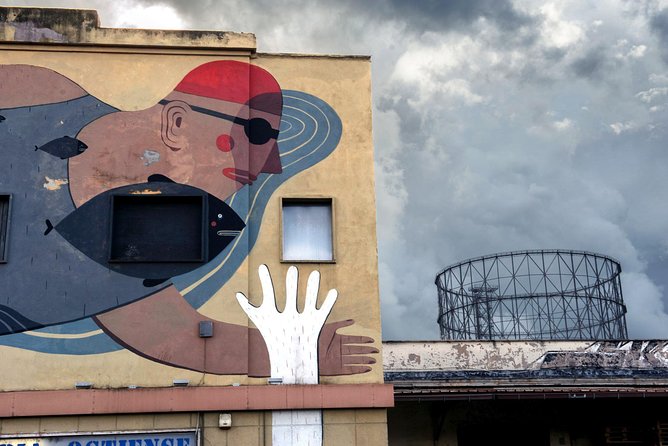
- Murals as a lesson in redevelopment, early examples of change through street art
- The Gazometro by the Tiber, a surreal clash of art and industrial decline
- A private group format, so the experience stays focused on your group
- Great for smartphone shooters, not only traditional cameras
From Garbatella to Ostiense: starting with the Ponte Settimia Spizzichino
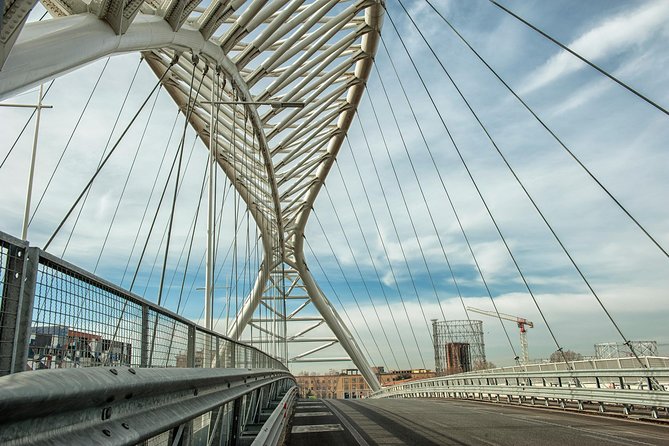
You start at Metro Garbatella (Quartiere X Ostiense), right around the neighborhood edge where Rome starts to feel more working-city than postcard. The day kicks off at 10:00 am, and you’ll move quickly into the Ostiense corridor, which is where the photo tour really starts to make sense.
The first big visual moment is the Ponte Settimia Spizzichino, the futuristic bridge that connects Garbatella with Ostiense. It’s an easy setup for photos because you get strong angles and clean lines without the stress of finding a spot. You’re also walking in a way that sets up later shots: you start with structure, then you gradually shift toward texture, walls, and decay.
This start is also smart because it gets you out of the “stand and stare” mode. Instead of waiting for the perfect view, you begin learning how to compose while you’re moving. That matters here, because many of the best scenes are at street level, in corners, or on surfaces that reward close attention.
You can also read our reviews of more tours and experiences in Rome.


Murals in Ostiense: photographing redevelopment through street art
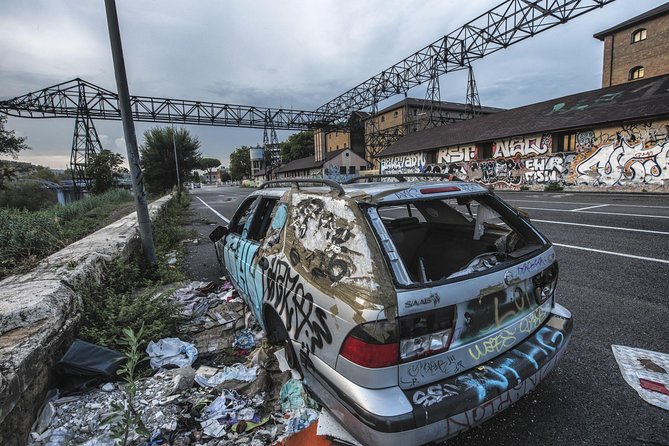
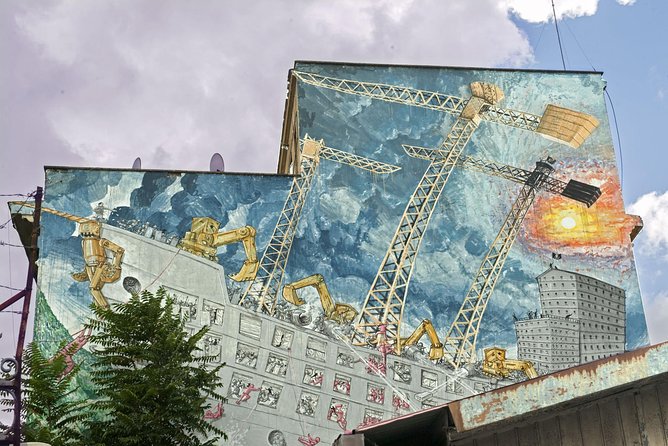
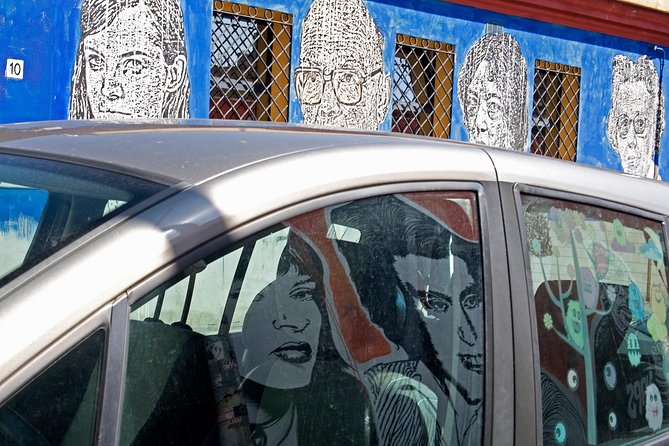
Once you’re across, the tour becomes a photo hunt. You’ll look for murals that are often described as among the first, if not the first, examples of neighborhood redevelopment through street art. That theme is the point, not just the decoration. You’re seeing how images can change a place’s identity over time.
What I like about this part is how it trains your eye. Instead of treating murals like random art stops, you learn to photograph them with context. Daniele’s approach includes helping you think about the subject first, then build the frame around it. Practically, that means watching where the mural sits in its street world and deciding how much environment to include.
You’ll also get technical guidance tied to what you’re seeing. Reviews mention lessons on focus and the way apertures affect what feels sharp and what feels softer. That sounds abstract until you’re standing in front of wall art and realizing your camera is either grabbing the whole scene or missing the exact detail that tells the story.
One consideration: mural light changes fast. If the sun is strong or the clouds roll in, you may need to adjust your exposure and focusing habits on the fly. The good news is that Daniele builds the walk around good moments of light, so you’re not stuck guessing.
Following the Tiber: the slow walk toward Gazometro
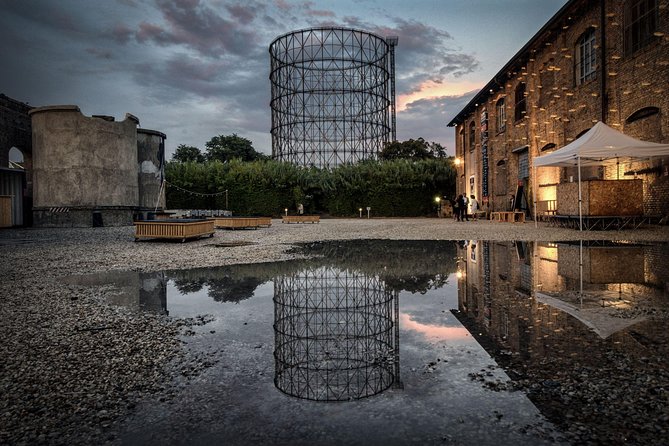
From there, you shift into a Tiber-side stretch, skirting the river as you head toward the Gazometro. This section is where the walk starts to feel cinematic in a rough, real-world way. You’re between art and infrastructure, with views that include reflections, long sight lines, and layers of city surfaces.
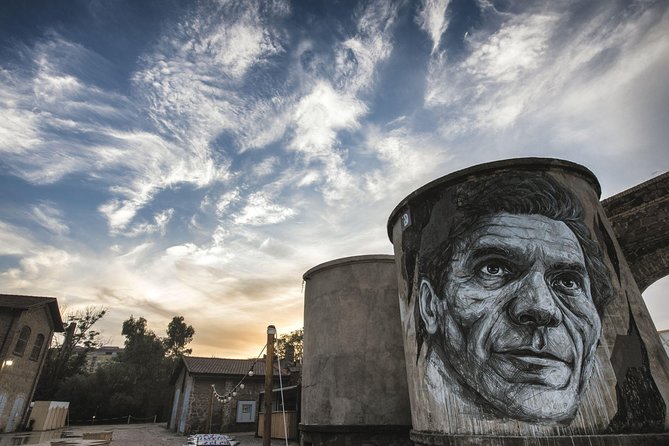
The Gazometro is a symbol of post-industrial Rome, and you’ll encounter it in a scene that feels intentionally surreal: art themes in one direction, industrial decay in the other. That contrast is what makes your photos look more like a story and less like a checklist. It’s also a good moment to practice composition because there’s usually more than one way to frame the same subject.
I’d also call out timing. Even though the tour is only about 3 hours, it covers a good amount of ground and the river stretch can take a steady pace. You’ll want to keep moving, because stopping too long can mean you miss the shifting light. If you’re chasing shots, bring patience. If you’re rushing, you’ll feel it.
And yes, the tour depends on decent weather. Poor conditions can derail outdoor photography plans, so it’s worth checking forecasts when the day is close.
Former factory exteriors: shooting the edges of abandonment
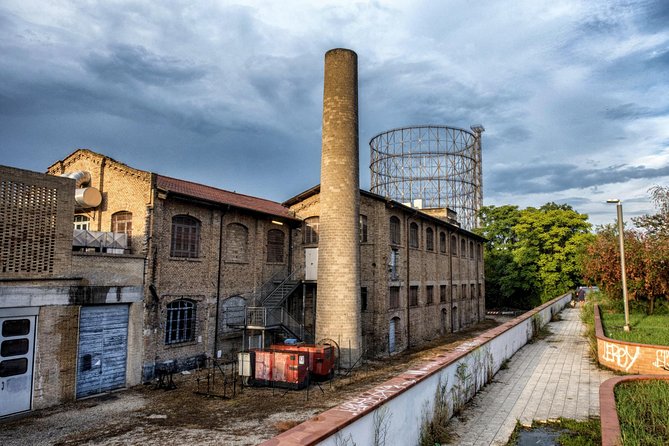
After the Gazometro, the route continues to the exterior of former factories. These buildings are now abandoned, and that’s where the tour earns its title feel: the city looks worn, but it also looks intentional in how it has been taken over by new uses and new visuals.
The photo challenge here is finding the best balance between documentation and composition. You’ll want images that show scale and structure, but you also need to pick details that make the decay readable. Think textures, window patterns, peeling surfaces, and how the buildings relate to the street paths around them.
This is also where Daniele’s coaching helps most. Reviews mention he explains technical basics in a clear, patient way, so you can connect what you’re seeing with what your camera is doing. The lesson themes include things like focus decisions, how apertures change your plane of sharpness, and how light shapes contrast on rough surfaces.
One practical note: you’re photographing exteriors. That keeps things straightforward, but it also means you’ll rely on vantage points from sidewalks and public areas. If you’re hoping for interior access, adjust expectations early. The payoff is that you’ll learn to shoot atmosphere from the outside, which is useful in Rome in general.
Daniele’s photo coaching: light, focus, apertures, and real guidance
The best part of this tour is the teaching style. Multiple reviews highlight Daniele as prepared, attentive, and very clear, with a friendly pace that makes people feel comfortable switching from random snapping to deliberate photography.
The instruction you get isn’t just generic camera tips. It covers how to contextualize your subject, plus practical technique like focus choices and understanding apertures. You also work with the idea of light, including when to wait for it and how to use it. That’s the difference between a photo that looks fine and one that feels intentional.
What surprised me is that smartphone photographers are explicitly supported. If you only shoot on a phone, you’re not out of place here. The coaching is about seeing and choosing, and you can apply it whether your camera is a DSLR or the one in your pocket. For phone users, the biggest benefit is usually learning what to prioritize: focus point, exposure decisions, and using the scene around your subject instead of letting the phone decide everything.
Daniele also appears to balance social and technical sides of the walk. One review talks about how the outing felt genuinely enjoyable, with the group kept engaged rather than dragged into a lecture. For me, that matters because you’ll spend the day walking. If the vibe is right, your photos improve just because you pay attention longer.




Price and logistics: is $197.77 worth it for a 3-hour walk
At $197.77 per person, this is not a casual sightseeing stroll. You’re paying for a guided route through a very specific part of Rome plus hands-on photo guidance that targets technique and decision-making. If that’s what you want, the value can be strong, because you’re not just buying access to a neighborhood—you’re buying time with a teacher while you practice.
Two elements drive value here:
- Private group format: only your group participates, so you’re less likely to get rushed or ignored.
- A structured route through Ostiense redevelopment visuals: murals, the Tiber, the Gazometro, and factory exteriors, in the kind of sequence that supports learning.
On logistics, the tour is about 3 hours at a flat pace, but described as a bit long. That combination is common in urban photo walks: “flat” means no big hills, but you still walk enough to feel it. If your knees or feet are sensitive, plan breaks into your own pace even if the group moves steadily.
You also get a mobile ticket and the tour is offered in English. The start and end points are convenient for transit: you begin near Metro Garbatella, and you finish near Roma Trastevere Gianicolense with connections on Viale Trastevere. That makes it easier to attach the tour to another part of your day.
One more real-world consideration: the experience requires good weather. If it’s canceled due to poor weather, you’ll be offered another date or a full refund. That flexibility matters because exterior industrial and street-art photography is very sensitive to light and rain.
Should you book this Ostiense photo tour?
I think this is a smart choice if you meet at least two of these:
- You want Rome that feels lived-in, with murals and industrial leftovers instead of only historic monuments.
- You want to improve photos through guidance on focus, apertures, and light, not just better luck.
- You shoot with a smartphone or a camera and want the coaching to apply to how you work.
Skip it if you want minimal walking or you only want classic centerpiece attractions. This tour shines when you’re willing to notice street surfaces, layers, and mood.
If you like taking photos of neighborhoods in transition, you’ll probably enjoy the whole arc here: start with structure on the bridge, move into murals as a redevelopment story, and then end with the Gazometro and factory exteriors where art and abandonment sit side by side.
FAQ
How long is the photo tour?
It lasts about 3 hours.
What language is the tour offered in?
The tour is offered in English.
Is this a private tour?
Yes. Only your group participates.
Where do you meet for the start of the tour?
You meet at Metro Garbatella (Quartiere X Ostiense), 00154 Roma RM, Italy.
Where does the tour end?
It ends near Roma Trastevere Gianicolense, close to the station or bus stops on Viale Trastevere.
What time does the tour start?
The start time is 10:00 am.
What sights or scenes are included?
The route includes crossing Ponte Settimia Spizzichino, hunting for murals in Ostiense, walking along the Tiber to the Gazometro, and photographing the exterior of former factories.
Is the walking route flat?
It is flat, but it is also described as a bit long.
Is the tour useful if I only have a smartphone camera?
Yes. The experience is recommended for people taking photos with a smartphone as well.
What happens if weather is bad or I need to cancel?
The experience requires good weather. If it is canceled due to poor weather, you’ll be offered a different date or a full refund. You can cancel up to 24 hours in advance for a full refund.