REVIEW · TOKYO
Explore Unique Tokyo Streets / Learn with a Pro Photographer
Book on Viator →Operated by Deniz Demir · Bookable on Viator
Tokyo at night teaches fast.
That’s the idea behind this evening Tokyo street photography outing, built around walking the Yurakucho and Shinbashi areas while you get photo coaching you can actually use. I like that the group stays small (max 6), so you’re not stuck watching from the back row, and I also like that you can choose different evening tour options for your schedule.
The other big win is the guide’s experience as a working photographer (Deniz Demir), plus hands-on feedback that ranges from basic settings to more advanced street shooting ideas. One possible drawback to consider: a 2-hour walk is short, so if you’re brand-new to your camera, you’ll get the most from it if you show up with at least a rough sense of what you want to shoot.
In This Review
- Key things that make this tour worth your time
- Evening street shooting works because the city changes
- Who Deniz Demir is and why that coaching style matters
- What’s actually included in the 2 hours
- The Yurakucho-to-Shimbashi route: you learn faster when the scenery stays coherent
- What you learn: settings, lenses, and street “seeing” in plain terms
- Tripod-on-request: when it helps and when it doesn’t
- Weekday nights include salaryman culture (and that changes how you shoot)
- Price and value: $128.09 makes sense if you want coaching, not just walking
- What to bring (so the coaching actually clicks)
- Physical pace and group size: it’s active, but not a workout
- Reviews: what people value most (and what to watch for)
- Should you book this Tokyo evening street photography tour?
- FAQ
- How long is the Tokyo evening photography tour?
- Where does the tour start and end?
- What areas do you photograph during the tour?
- What is the group size?
- Can the photographer guide bring a tripod?
- Are there different evening options to choose from?
- Does the tour include cultural context on weekdays?
- What is the booking and ticket format like?
Key things that make this tour worth your time
- Small group size (up to 6): you get real attention, not generic tips.
- Pro photographer coaching (Deniz Demir): guidance connects to how cameras behave at night.
- Yurakucho + Shinbashi focus: you’ll work within two distinct Tokyo neighborhoods instead of hopping randomly.
- Gear talk that’s practical: settings, lenses, plus items like LEDs, prisms, and related techniques.
- Street shooting philosophy: it’s not just technical talk; it’s how to see a scene.
- Optional tripod support: helpful if you want sharper results on darker streets.
Evening street shooting works because the city changes
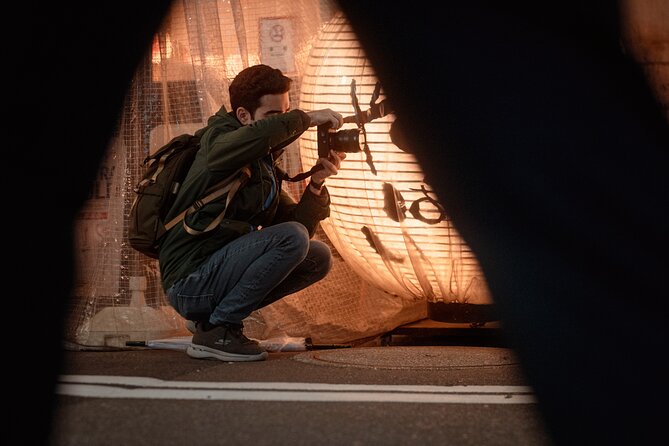
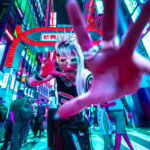
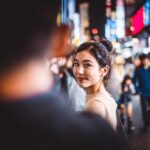
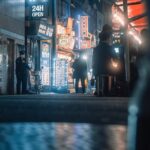
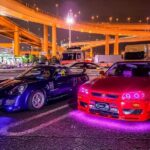
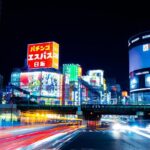
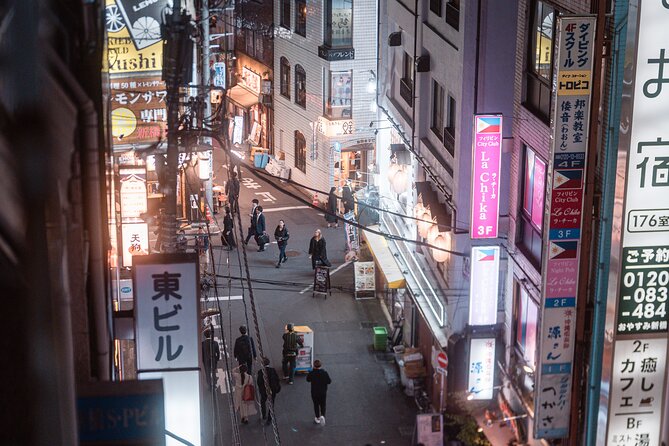
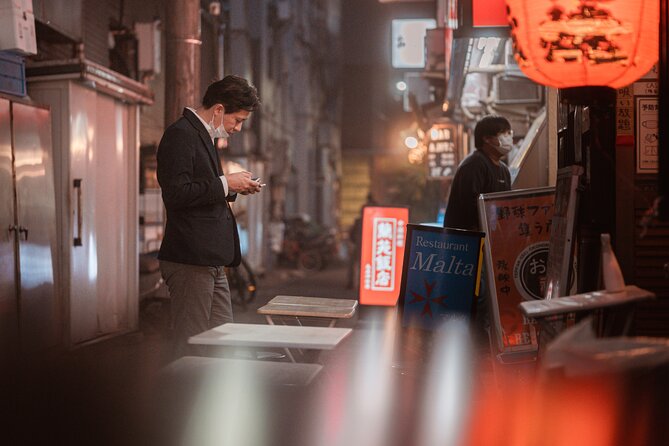
Tokyo in the evening is when the streets start telling different stories. Shadows stretch, reflections show up, and scenes feel more layered than they do under flat daytime light. This is why an evening photo walk is such a good match for street photography: you’re learning how to make choices when conditions aren’t perfect.
This tour leans into that reality. You’re not just wandering with a camera. You’re walking with a photographer guide who wants you to connect your tools (camera, lenses, even accessories) with what’s in front of you: framing, timing, and the “why” behind a shot.
And because it’s set up for the Yurakucho and Shinbashi area, you get concentrated practice in one pocket of the city. That matters. You’ll learn faster when you don’t spend half your time figuring out where to stand next.
You can also read our reviews of more tours and experiences in Tokyo.
Who Deniz Demir is and why that coaching style matters
The guide behind this experience is Deniz Demir, a professional photographer and a long-time Tokyo photographer who also runs one of the larger Meetup groups for creatives in the city. That background matters because it usually translates to two things on the street: he can read what you’re trying to do, and he’s comfortable teaching.
The tour also makes a key promise: it’s not just a sightseeing walk with photos as a side quest. The coaching is built around both basics and more advanced concepts, including:
- settings and lenses
- gear topics (including LEDs and prisms)
- street shooting philosophy
- what to look for in the scene
- framing and using your surroundings to turn ordinary views into photos you’ll feel proud of
If you’ve ever brought a camera to a trip and felt like you’re mostly guessing, this is the type of session that can reduce the guessing. You’ll get explanations, then you can try them right away.
What’s actually included in the 2 hours
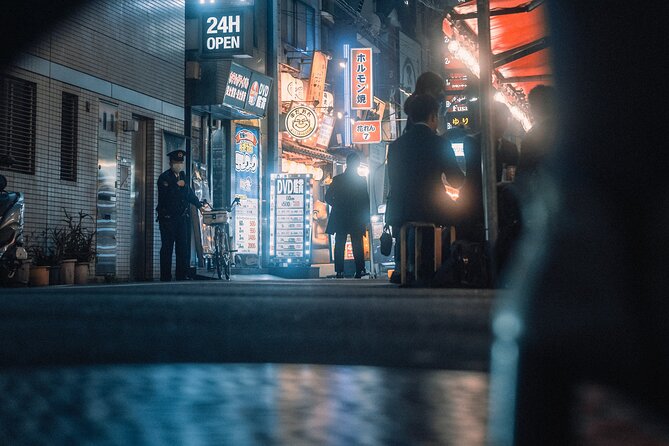
This is an approximate 2-hour walking tour. You start and end back at the meeting point near Shimbashi Station (2 Chome-17 Shinbashi, Minato City). During the session, you’ll explore the Yurakucho and Shinbashi areas.
Because the time is tight, the structure is about momentum:
- You move through photo opportunities instead of stopping for long lectures.
- You practice what you’re being told while the street conditions are still the same.
- You get targeted feedback that keeps you from falling into common traps, like over-trusting your camera’s automatic settings at night.
That’s where value shows up. You’re not paying for “some cool streets.” You’re paying for instruction you can apply immediately while you’re still in the environment.
The Yurakucho-to-Shimbashi route: you learn faster when the scenery stays coherent
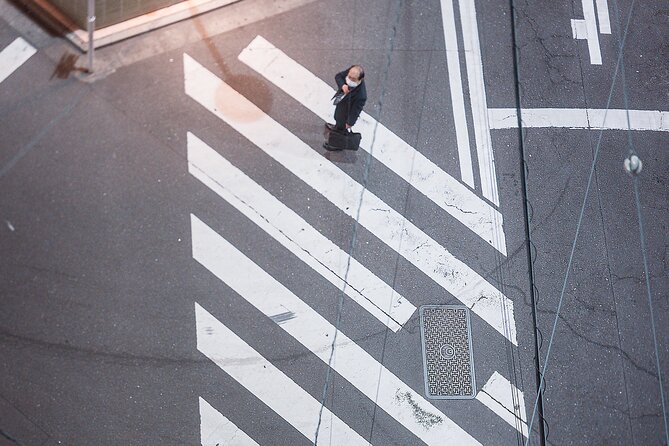
Without pretending I can map every turn you’ll take, the important part is what the tour focuses on: Yurakucho and Shinbashi in the evening, with Shimbashi as the start/end anchor.
Here’s what that setup does for your photos.
1) You get to compare neighborhoods in one short window
Instead of only learning one “type” of Tokyo scene, you’ll spend time in two related areas. That helps you practice changing your approach when the mood of the street shifts.
2) You can build a small set of personal styles
In 2 hours, you probably won’t “master Tokyo.” But you can build a short set of repeatable shots: the angles you like, the framing patterns you return to, and the settings you keep coming back to.
3) You avoid the common beginner problem: standing in the wrong place for too long
A pro-guided walk nudges you toward more productive viewpoints. When you’re learning, that’s half the battle.
What you learn: settings, lenses, and street “seeing” in plain terms
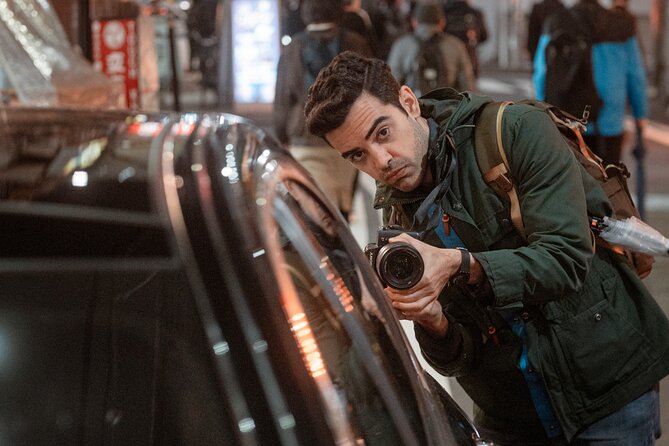
This tour spends time on both technical and creative parts of photography. The technical side includes discussion of settings and lenses, plus gear topics such as LEDs and prisms.
The creative side is where most people usually need the most help, and this is where the tour differentiates itself. You’ll cover:
- street shooting philosophies
- what to look for
- framing choices
- how to use the environment around you to make a shot feel intentional
In practice, that means you’ll learn to stop thinking only in terms of camera settings and start thinking in terms of composition and story. A night street scene can look good on auto mode, sure. But the gap between a decent snapshot and a photo you actually like usually comes from choices you make before and after you press the shutter.
Also, because the group is small, the coaching can be personalized. If you’re shooting a different style (wide street scenes versus more graphic details), you’re more likely to get advice aligned with your intent.
Tripod-on-request: when it helps and when it doesn’t
One of the tour’s practical options is that your photographer guide can bring a tripod if desired. This is a small line in the description, but it’s a big deal for night photography.
A tripod can help if you want:
- steadier frames for darker conditions
- more control over how your exposures behave
- sharper results when you’re intentionally slowing things down
But it can also slow you down, and street photography often rewards quick reactions. If you’re planning to shoot moving people, changing light, and random moments, tripod use can be limiting.
So think of the tripod as a tool to choose, not something you must use. The best approach is the one that fits what you’re trying to capture that evening.
Weekday nights include salaryman culture (and that changes how you shoot)
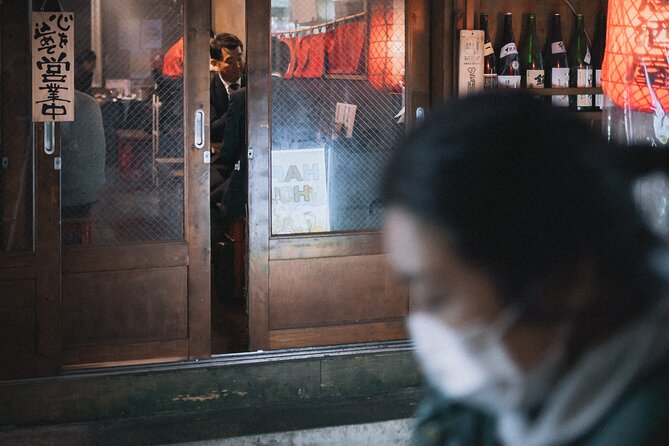
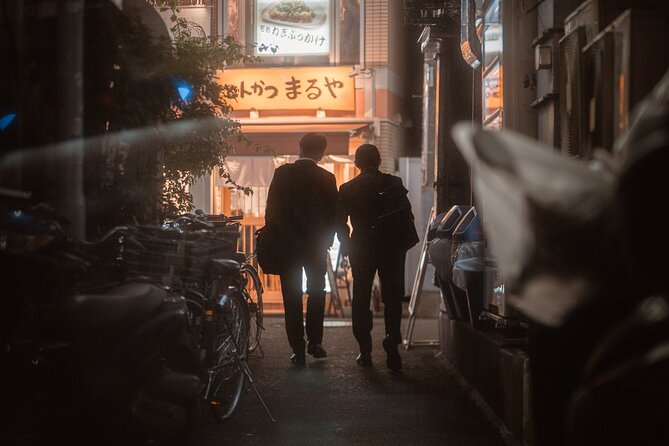
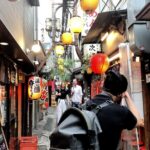
There’s a specific twist for weekday evening tours: you learn about Japan’s unique salaryman culture up close as you take photos.
Even if you’re not studying cultural history, this kind of context can improve your photography. Street photos are more than light and composition. They’re also about people, behavior, and timing. Understanding what you’re seeing helps you anticipate moments and frame them with more meaning.
If your trip includes a weekday evening, this angle can add real depth to your photo walk without making it feel like a classroom. You’re still out shooting, just with better context guiding what you notice.
Price and value: $128.09 makes sense if you want coaching, not just walking
At $128.09 per person for about 2 hours, the price isn’t cheap in the way a basic “see the sights” tour can be. So the only fair question is: what are you buying?
You’re buying:
- small-group, max-6 personalized feedback
- guidance from a working professional photographer (Deniz Demir)
- practical instruction covering both gear and street shooting philosophy
- targeted coaching in Yurakucho and Shinbashi during evening conditions
If you already know your camera deeply and you mostly want places to shoot, you might not get that much out of it. But if you want help translating your camera into better street photos, this is where the cost can feel justified.
The group discounts and flexible evening options also help. And since mobile tickets are offered, you’re not dealing with extra paperwork during a city night.
Booking is also typically done about 16 days in advance on average. That’s a clue that people plan this intentionally for their Tokyo window.
What to bring (so the coaching actually clicks)
The tour description doesn’t list a packing checklist, so I’ll keep this practical without inventing specifics. Bring what helps you practice quickly.
- Your camera and the main lens you plan to use
- Any accessories you’re curious about (if you have them), since the tour discusses gear topics like LEDs and prisms
- A way to review what you shoot (even just checking your shots on your camera screen can speed learning)
- If you want tripod support, plan for that option in advance of the walk
The key is readiness. When you’re on a night street, you don’t want to spend the first 20 minutes sorting out basics.
Physical pace and group size: it’s active, but not a workout
The tour says it fits travelers with a moderate physical fitness level. Since it’s a walking street session, expect you’ll be moving continuously enough to stay warm and focused.
Group size is capped at 6. That’s not just a comfort detail. It changes the entire learning dynamic. With fewer people, the guide can address your questions, adjust suggestions, and help you test ideas while you’re still in the same lighting and scene rhythm.
Service animals are allowed, and the meeting point is near public transportation, which is a nice bit of frictionless Tokyo logic.
Reviews: what people value most (and what to watch for)
The overall rating is 4.9 with 19 reviews, and 100% recommend it. The most praised themes are:
- you learn what you know and what you don’t about your own equipment
- the tour is helpful and insightful
- you get better shots out of the session
One review mentions learning how much they didn’t know about their own camera gear and getting to test what was shown. That lines up with the tour’s teaching style: it’s not just talk, it’s application.
The one slightly lower rating (4 out of 5) comes with a note that the experience didn’t fully land as a 5-star moment. That doesn’t mean it’s bad. It often just means the fit wasn’t perfect for a particular person’s expectations in that moment. For you, the best insurance is to show up with a clear goal for what kind of street photos you want.
Should you book this Tokyo evening street photography tour?
Book it if:
- you want a small-group photo walk with hands-on coaching
- you want help with settings, lenses, and street shooting philosophy
- you’re excited by the idea of working Yurakucho and Shinbashi in the evening instead of bouncing all over
- you’re okay using a short 2-hour session to produce a focused set of improved shots
Skip it (or at least think carefully) if:
- you only want general sightseeing and don’t care about learning how to photograph what you see
- you expect a long, deep tutorial session where everything gets covered from start to finish
- you’re looking for a tour that guarantees a specific subject matter beyond what the streets offer at that time
If your goal is to leave Tokyo with photos that look like you meant them, this is the kind of guided coaching that can turn the camera you brought into the photos you actually want.
FAQ
How long is the Tokyo evening photography tour?
It’s about 2 hours.
Where does the tour start and end?
It starts at Shimbashi Station (2 Chome-17 Shinbashi, Minato City, Tokyo) and ends back at the meeting point.
What areas do you photograph during the tour?
You explore the Yurakucho and Shinbashi areas.
What is the group size?
The tour has a maximum group size of 6 travelers.
Can the photographer guide bring a tripod?
Yes. The photographer guide can bring a tripod if desired.
Are there different evening options to choose from?
Yes, the tour offers several evening tour options for flexibility.
Does the tour include cultural context on weekdays?
On evening tours during weekdays, you learn about Japan’s salaryman culture up close as you take photos.
What is the booking and ticket format like?
Confirmation is received at booking, and the tour uses a mobile ticket.