REVIEW · TOKYO
Tokyo: Sumo Morning Practice Tour in Ryogoku and Photo Shoot
Book on GetYourGuide →Operated by MagicalTrip · Bookable on GetYourGuide
Sumo in Tokyo starts before breakfast. This 2-hour morning tour in Ryogoku puts you beside a working sumo stable to see practice at street-level intensity, plus a guided explanation of rules and routines. I love the up-close view of the wrestlers during their early training, when everything looks more purposeful than dramatic.
One more thing I like: the guide sets a respectful tone and walks you through the sport’s customs and what you’re actually looking at, so it makes sense even if you’re new to sumo. Tatami seating and the rule-heavy format are a real consideration—there are no chairs, no food or drinks, and there aren’t any restrooms during the tour.
If you’re the type who likes real culture (not a staged show), this is built for you: small group, hands-on viewing, and photo time at the end—without the chaos. Just plan your morning carefully. Late arrivals can’t join, and the practice can be canceled or shortened without notice.
In This Review
- Key things to know before you go
- Finding Ryogoku: the Re.Ra.Ku meeting point and the station trap
- The heart of the tour: watching morning practice inside a sumo stable
- Sitting on tatami: etiquette rules that shape your comfort and your photos
- The photo shoot at the end: included, but still rule-based
- Your guide and the special sumo info document: getting meaning fast
- Price and value: is $96 for 2 hours a good deal?
- Who should book this sumo morning practice tour
- Should you book it?
- FAQ
- Where do I meet for the tour?
- What time does the tour start?
- How long is the tour?
- Is this tour suitable for children?
- Is there a restroom during the tour?
- What’s included in the price?
- Are food and drinks allowed?
- Can I take photos or record video?
- What should I wear?
- Can I cancel and get a refund?
Key things to know before you go
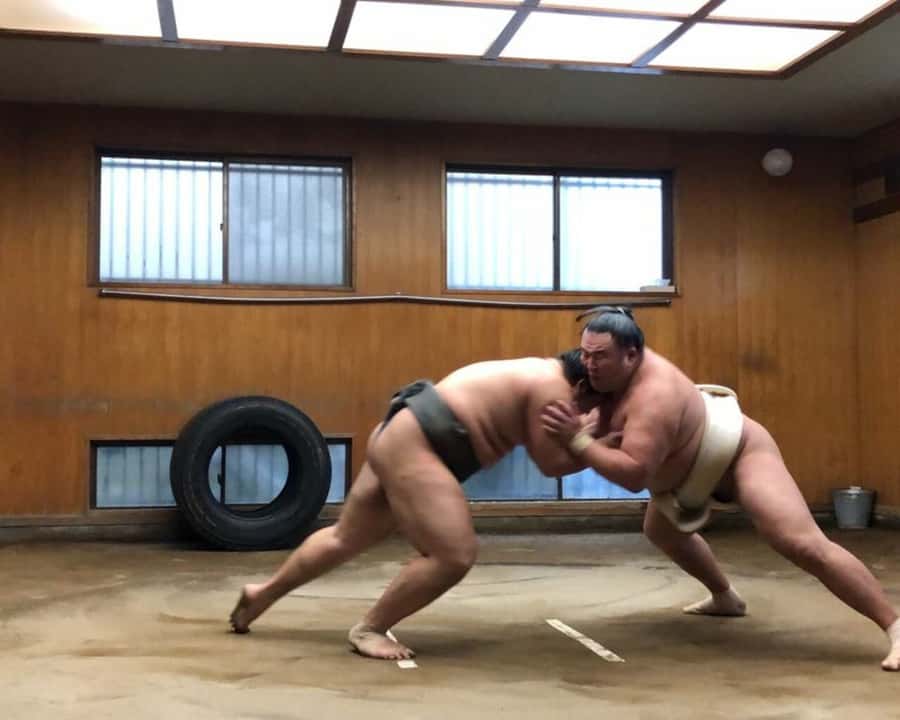
- Small group of up to 9 means you can hear the guide and actually see training details.
- Tatami seating, no chairs keeps the experience authentic, but it’s not built for long standing or big comfort needs.
- English live guide explains sumo rules, customs, training, and diet so you’re not just watching movements.
- Photography rules vary and video recording isn’t allowed, so be ready to work with limited angles.
- Photo shoot at the end is included, which turns the morning into more than just observation.
Finding Ryogoku: the Re.Ra.Ku meeting point and the station trap
This tour starts right outside JR Ryogoku Station, at Re.Ra.Ku 両国駅前店. The meetup is right in front of the shop, at the East Exit side, and your guide will be holding a red/orange sign that says Magical Trip. It’s easy to miss if you land on the wrong Ryogoku station, so double-check your map before you walk out.
Tokyo has more than one way to reach Ryogoku. The key is that you’re going to the JR line station, not the Toei-Oedo line one. If you’re arriving from elsewhere in the city, give yourself extra buffer time for the walk plus any transfer confusion. The tour starts on time, and late arrivals can’t join or reschedule.
Also note: there’s no hotel pickup. This tour is designed to be a clean, local start from the Ryogoku area. If you like your tours simple and you enjoy figuring things out on foot, you’ll appreciate that.
You can also read our reviews of more tours and experiences in Tokyo.

The heart of the tour: watching morning practice inside a sumo stable
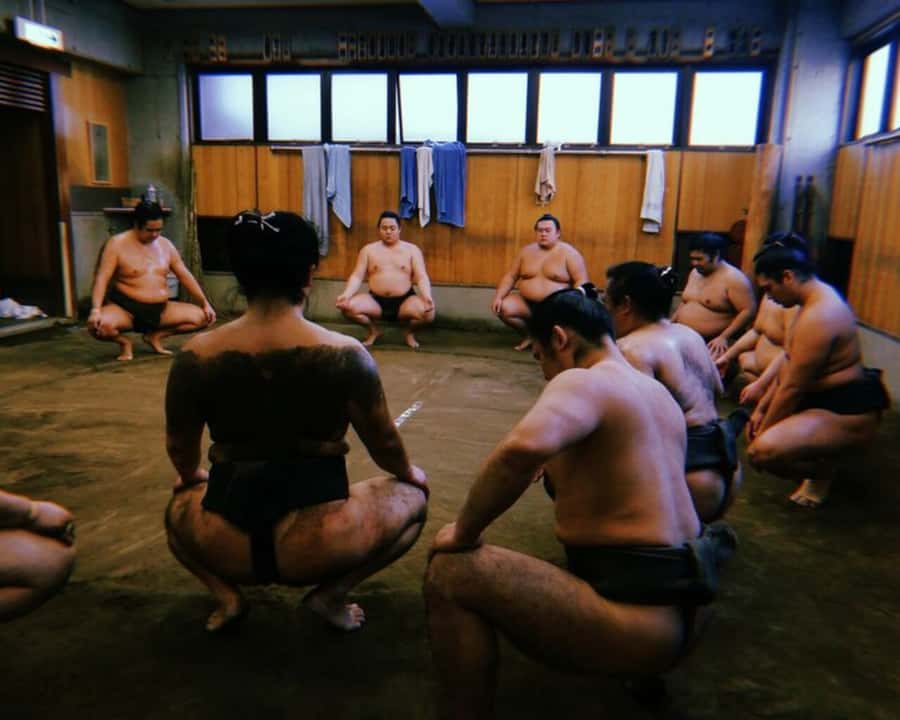
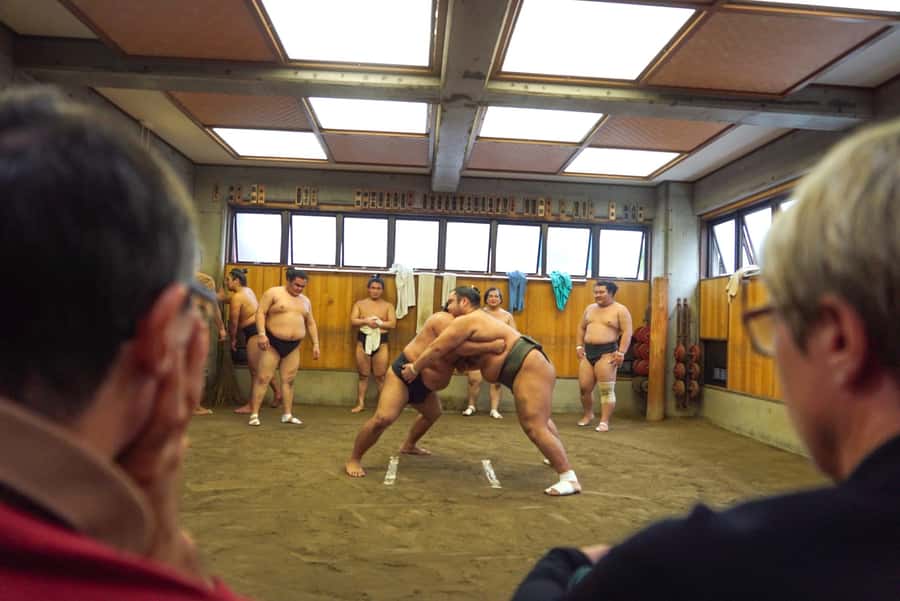
The main experience is the morning training session at an authentic sumo stable. You’ll see the wrestlers work early, in a routine that feels both traditional and brutally practical. The atmosphere is the draw: you’re not watching from a distance, you’re close enough that you notice the effort in each movement and the seriousness in how everything is handled.
What you’ll learn matters just as much as what you see. Your English guide explains:
- rules and basic structure of sumo
- the history and roots of the sport
- customs you’ll otherwise miss
- how training and diet fit into the wrestler’s life
That guided framing turns the visit from a quick photo opportunity into something you can carry with you for the rest of your Japan trip. You’ll understand why certain rituals happen, and you’ll start recognizing what different training behaviors are trying to build.
There’s also a chance to connect, but it’s not guaranteed. The format allows for the possibility of talking to a sumo wrestler, yet the stable rules and timing come first. I’d go in expecting to observe, and be pleasantly surprised if you get more than that.
One more practical detail: practice may be canceled or shortened without notice. If that happens, you’ll get a full refund if the tour is canceled, but you should still plan for the reality that early training schedules aren’t fully in anyone’s control.
Sitting on tatami: etiquette rules that shape your comfort and your photos
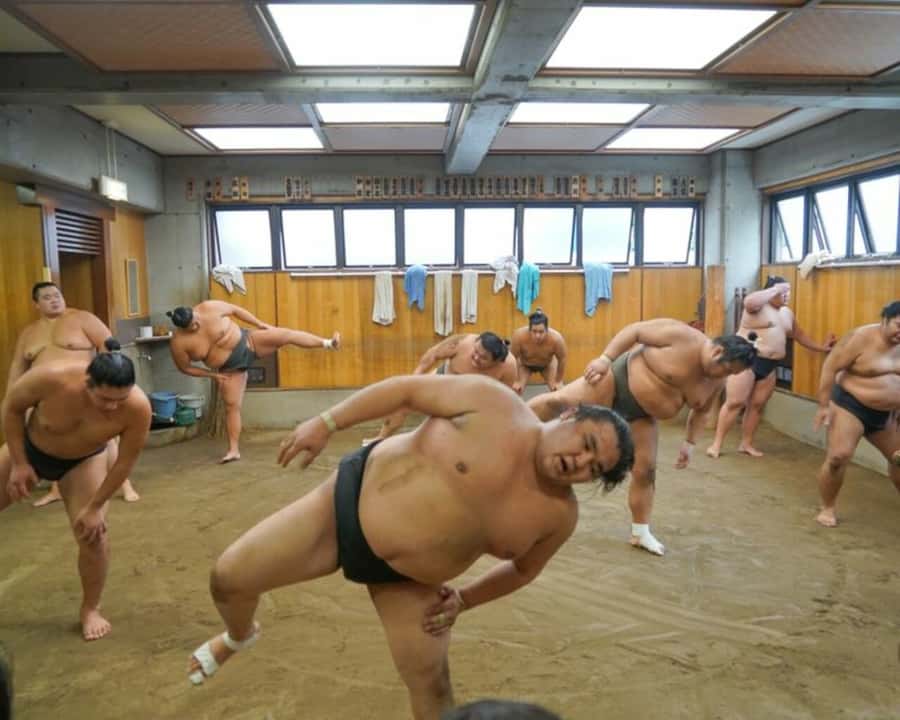
This tour runs on stable rules. That’s not a small footnote—it’s the difference between a smooth visit and a problem for everyone involved. You sit on tatami, and there are no chairs provided. Some stables aren’t wheelchair or stroller accessible, so think about your mobility needs before you sign up.
You also can’t treat it like a casual attraction. Food and drinks aren’t allowed during the tour. Video recording isn’t allowed either. Photography may be limited depending on the stable, so you may need to adjust your expectations on where you can stand, what angle you can get, and how long you can shoot.
Dress code is strict in a very Japanese way: no short skirts and no sleeveless shirts. Dress for the weather, because you’ll be meeting outdoors at Ryogoku and you’ll be moving between parts of the visit before you settle. If you show up slightly underdressed, you risk losing time fast.
One more comfort factor: there are no restrooms during the tour, so plan to go beforehand. And even if you need to leave early, early exits are allowed, but re-entry is not. That keeps the visit controlled, but it also means you should commit to staying unless you’re sure you can return mentally and physically ready.
Last: the group may split, and seating can be first-come, first-served. If you care about getting a good viewing spot for training, arrive early to your meetup and follow the guide’s instructions quickly.
The photo shoot at the end: included, but still rule-based
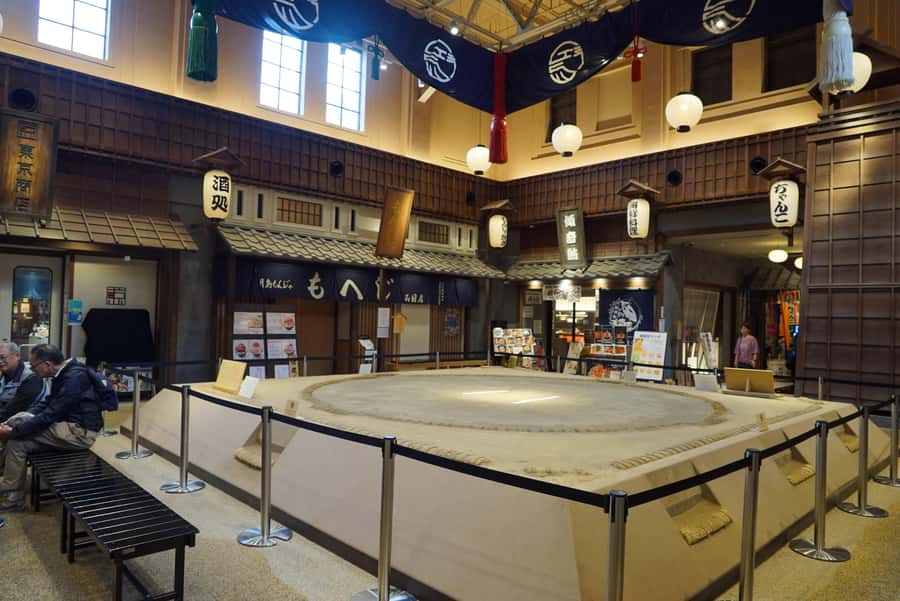
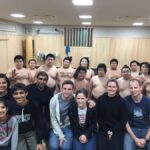
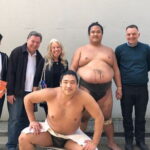
You finish with a photo shoot with the sumo wrestlers. That included photo time is one of the biggest value points here because the entry fee and guide access don’t automatically guarantee personal photo moments at every stable-style tour.
Still, the stable environment controls the flow. Photography may be limited depending on the specific stable, and video recording is not allowed. So I’d treat this as: you get a structured photo moment, but you don’t get free-form shooting wherever you want.
If you’re a photographer, focus on being ready. Wear the right clothes, keep your phone/camera settings simple, and follow the guide’s direction immediately. If something feels unclear, ask fast—quiet stable rules move quickly.
Your guide and the special sumo info document: getting meaning fast
The tour’s real strength is the way it teaches you to watch. You’re not just dropped in front of a big group of athletes and told to enjoy. Your English live guide explains what you’re seeing, why it matters, and how sumo fits into Japanese culture.
The explanations cover the sport’s history, roots, and customs, plus training and diet routines. That “why” layer is what makes this worth paying for instead of just wandering around Ryogoku and hoping to spot a stable.
You may also get extra help in the form of a special sumo info document. It’s included, and it’s designed to give you something to reference so you can connect the morning training to the larger world of sumo you’ll keep hearing about during your trip.
Guide energy matters here. In the feedback I paid attention to, an English-speaking guide named Marie was singled out for being enthusiastic and able to answer questions. Another highlight was the guide’s clear respect for the rules, not just telling people what to do but modeling the right behavior.



Price and value: is $96 for 2 hours a good deal?
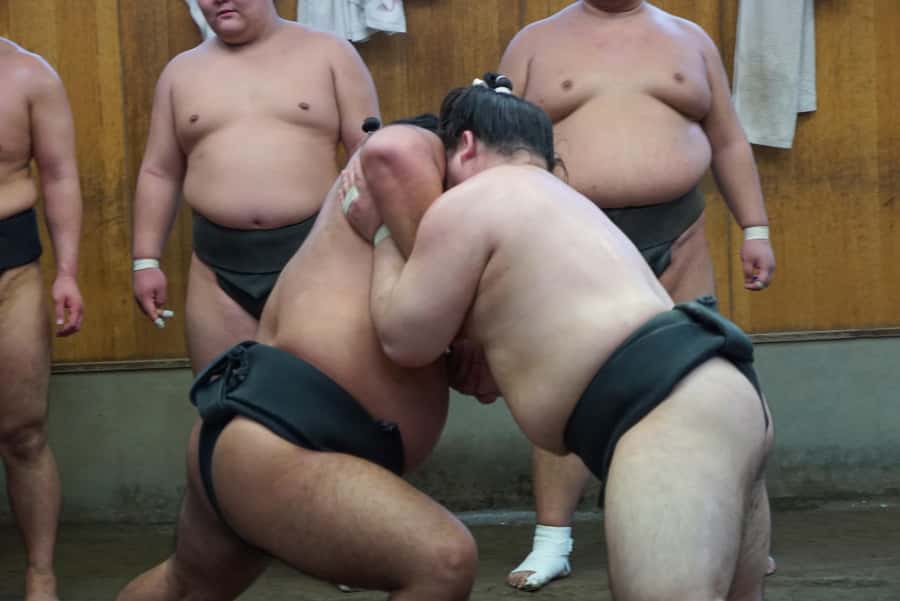
At $96 per person for a 2-hour experience, this isn’t a bargain-basement outing. But it doesn’t feel overpriced for what’s included.
Here’s why it can be good value:
- Entrance fee to the morning practice is included.
- You get an English live guide, not a self-guided visit.
- The group stays small (limited to 9 participants), so the guide can actually explain and direct you.
- A photo shoot with the wrestlers is included at the end.
So you’re paying for access plus guidance, not just sightseeing time. If you already know nothing about sumo, the guide’s explanations help you “translate” the experience. If you already love sumo, the close viewing still gives you something different from TV—especially when you understand what the wrestlers are doing and why.
One consideration: the visit can be shortened or canceled based on practice conditions. The tour duration is listed as 2 hours, but in practice you should expect the schedule to follow stable reality, not a strict stopwatch. If you’re the type who hates uncertainty, plan this tour earlier in your day so you’re not forced to rearrange something tight afterward.
Who should book this sumo morning practice tour
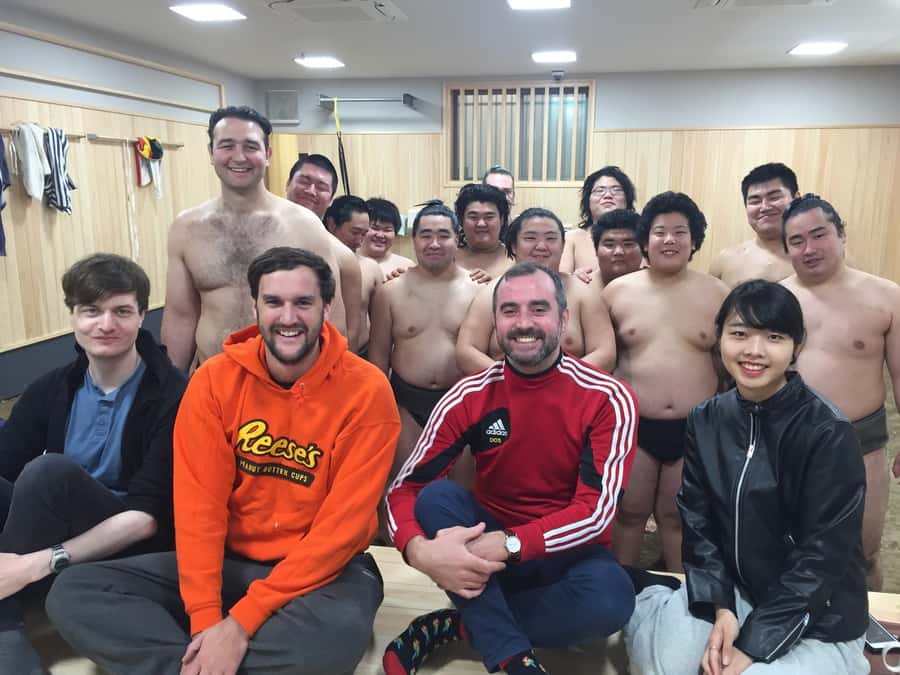
This works best if you want authentic morning culture and you enjoy structured etiquette. I’d especially recommend it if:
- you’re curious about sports traditions in Japan and want the context
- you’re comfortable sitting on tatami
- you want a small-group experience with time to ask questions
- you care about getting a meaningful photo moment, not just random snapshots
It may not be the best fit if:
- you need restroom access during the tour (there aren’t any)
- you can’t follow clothing rules like no sleeveless shirts and no short skirts
- you have trouble with sitting on tatami for the visit length
- you’re traveling with children under 12 (they can’t join and will be denied entry without refund)
Age minimum is 12+, and the tour starts on time. If your trip style includes lots of late starts, plan to shift gears for this one.
Should you book it?
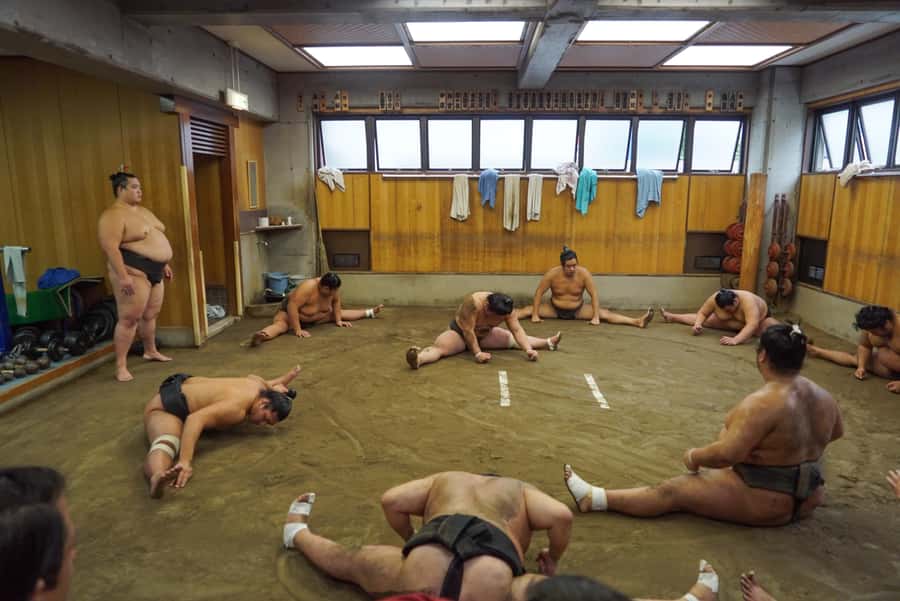
Book this tour if you want a real taste of sumo practice in Ryogoku, with a guide who helps you understand what you’re seeing. The close viewing, the rule-respecting atmosphere, and the included photo shoot make it feel like more than a passive activity.
Skip it if you’re not comfortable with tatami seating, strict stable rules, and limited photography/video restrictions. Also skip if early mornings and strict timing are a hassle for you, because late arrival means you can’t join.
If you do book, go in prepared: dress appropriately, use the restroom before you start, and arrive with a calm mindset. You’ll get more out of the morning—and the stable will too.
FAQ
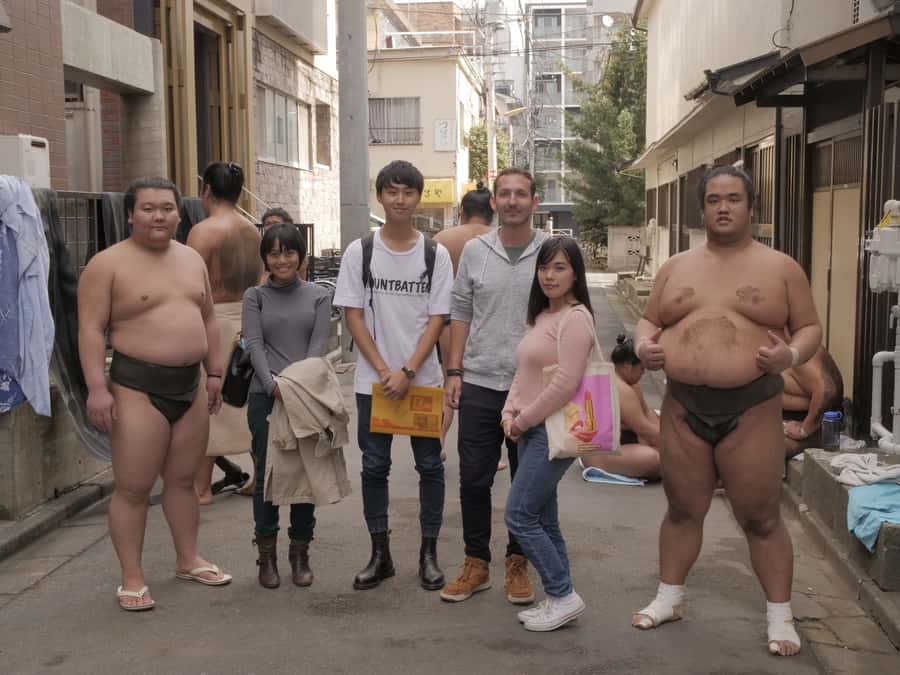
Where do I meet for the tour?
Meet right in front of Re.Ra.Ku 両国駅前店, located right outside the East Exit of JR Ryogoku Station. There are two Ryogoku stations, and the meeting point is the JR one, not the Toei-Oedo line.
What time does the tour start?
The tour starts on time. Late arrivals cannot join and cannot be rescheduled.
How long is the tour?
The tour duration is listed as 2 hours. Check availability to see starting times.
Is this tour suitable for children?
This tour is for guests aged 12 and over. Children under 12 cannot join and will be denied entry without refund.
Is there a restroom during the tour?
No. There are no restrooms during the tour, so you should go beforehand.
What’s included in the price?
Included items are a local guide, the entrance fee for sumo morning practice, and a photo shoot with sumo wrestlers at the end.
Are food and drinks allowed?
No. Food and drinks are not allowed during the tour.
Can I take photos or record video?
Photography may be limited depending on the stable. Video recording is not allowed.
What should I wear?
Avoid short skirts and sleeveless shirts. Dress for the weather.
Can I cancel and get a refund?
Yes. You can cancel up to 3 days in advance for a full refund.