REVIEW · HANOI
Hanoi Long Bien Sunrise Photo Tour
Book on Viator →Operated by Vietnam in Focus - Day Tours · Bookable on Viator
4:30am in Hanoi changes your photos. This early-walk session takes you from Long Bien Bridge to the Long Bien Market while you get hands-on help with composition, shooting in different light, and how to work a camera around real people. You’re not just wandering with a camera—you’re learning how to see.
What I really like is the structured coaching that keeps your questions from getting swallowed by the crowd, and the small-group feel with hotel pickup so the morning is practical, not chaotic. One possible drawback: you’ll need to be comfortable with a very early start (and the tour requires good weather).
In This Review
- Key Points You’ll Care About
- Long Bien Sunrise: The Real Reason This Works for Photos
- Price, Pickup, and What You’re Actually Buying
- The 4:30am Plan: Easy Logistics, Tight Time Window
- Stop 1: Long Bien Bridge Briefing and Sunrise Photo Setup
- Stop 2: Long Bien Market Portraits—People, Work, and Relationships
- Stop 3: Old Quarter Morning Walk and a Cafe Breakfast Break
- What the Photo Coaching Teaches You to Use Immediately
- Who This Tour Suits Best (and Who Might Skip It)
- Practical Tips Before You Go (So You Get Better Photos)
- Should You Book the Hanoi Long Bien Sunrise Photo Tour?
- FAQ
- What time does the Hanoi Long Bien Sunrise Photo Tour start?
- Is hotel pickup and drop-off included?
- How long is the tour?
- Do I need to buy entry tickets for the stops?
- Is breakfast and Vietnamese coffee included?
- What kind of help do I get for photography?
- What happens if the weather is bad?
Key Points You’ll Care About
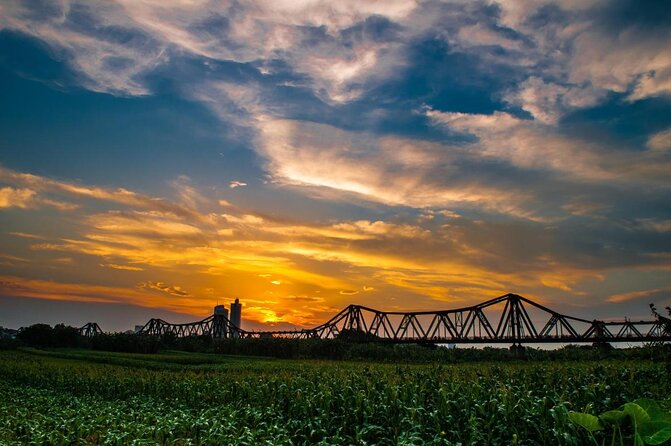
- Long Bien Bridge sunrise time with camera setup help before the market surge
- Structured photo instruction covering composition and shooting in different lights
- Small-group Q&A, so your questions don’t get lost in the crush
- Market portrait focus on relationships, not just random snapshots
- Old Quarter morning walk plus cafe break with breakfast and Vietnamese coffee
- Hotel pickup and drop-off makes a 4.30am tour much easier
Long Bien Sunrise: The Real Reason This Works for Photos
If you’ve ever taken photos at noon, you already know the problem: everything looks flat, and faces can lose their shape in harsh light. Long Bien at sunrise is different. The light is softer, shadows are cleaner, and people are more open to being photographed before the day fully starts.
The tour is built around that timing. You begin while Hanoi is still waking up, then move into the market atmosphere right as the energy ramps up. That mix—calmer bridge light first, then real market action—helps you practice more than one kind of photography in a short morning.
And yes, there’s a lot going on visually. But the instruction keeps you from getting overwhelmed. Instead of chasing everything, you learn how to frame what matters.
You can also read our reviews of more tours and experiences in Hanoi.

Price, Pickup, and What You’re Actually Buying
At $144 per person for about 4 hours, this isn’t a cheap “stand and watch” experience. You’re paying for three things that matter: hotel pickup and drop-off, a professional photographer guide, and guided practice that targets how you shoot (not just where you stand).
You also get free admission listed for the main stops, and there are group discounts. The format is described as small group, and it also notes it’s private so only your group participates—so you’re less likely to be one face in a big crowd.
The value question here is simple: if you want to understand camera settings, composition, and how to handle different lighting quickly, a pro-led session can be worth it. If you’re already totally confident and just want photos without coaching, you might decide to go on your own.
The 4:30am Plan: Easy Logistics, Tight Time Window
This tour starts at 4:30am. You’ll get hotel pickup, which is the difference between a manageable early morning and an exhausting commute. If you’ve tried to reach sunrise locations independently in Hanoi, you know the time cost can be brutal. Here, the plan handles it.
The schedule moves in three main parts:
- A briefing on Long Bien Bridge
- A walking photography session in Long Bien Market
- A return through Old Quarter streets plus a cafe break
Because you’re limited to a half-day window, you’ll likely spend most of the morning shooting with direction—less “waiting around,” more practice.
Stop 1: Long Bien Bridge Briefing and Sunrise Photo Setup
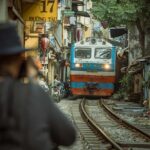
You meet on Long Bien Bridge around 4:30am, when the morning is still controlled and the light is doing the work. The first stop is about getting you ready—so when the market gets busier, you can focus on your images instead of your camera controls.
You’ll get an overview of what you’ll be doing that day, plus an introduction to your camera and camera settings. The emphasis is on composition and learning how to shoot in different lights, which is perfect for sunrise conditions. You’re not just taking one “pretty” shot—you’re learning how to build a frame.
Then you take sunrise shots from the bridge with your guide’s help. This is a great moment to practice basics like:
- choosing a viewpoint that separates subject from background
- adjusting exposure for early light
- using leading lines (the bridge and river area naturally help)
If you’re worried that sunrise means chaos, this stage is actually the calmer warm-up. You get your bearings before the crowd arrives.
Stop 2: Long Bien Market Portraits—People, Work, and Relationships
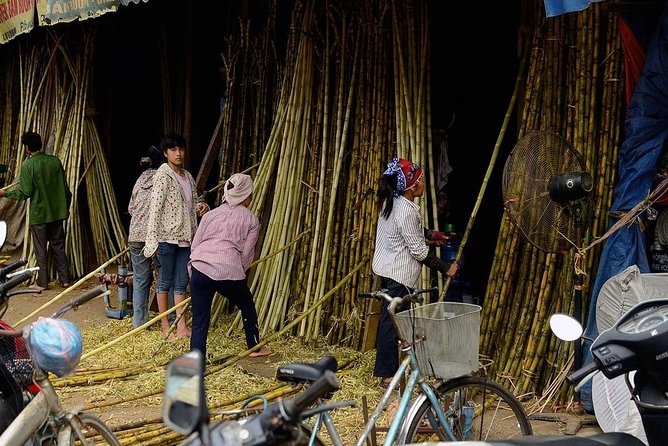
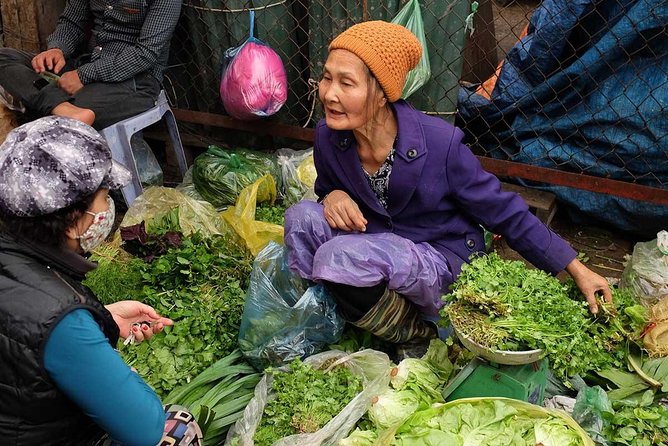
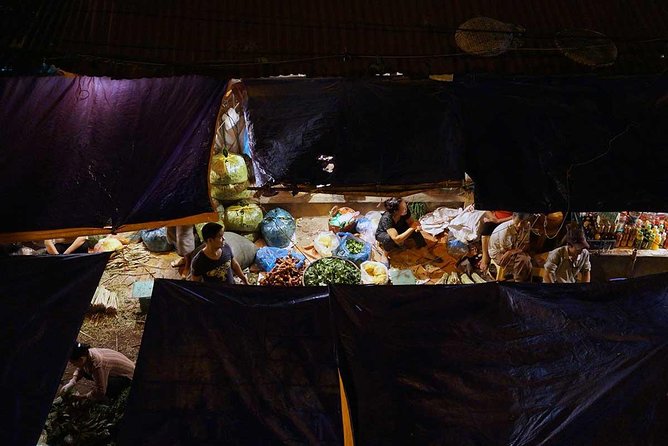
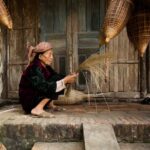
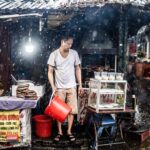
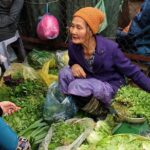
After the bridge, you head into Long Bien Market for a longer photography session. This is where the tour becomes more than “nice views.” The coaching shifts toward photographing people and the social fabric of the market.
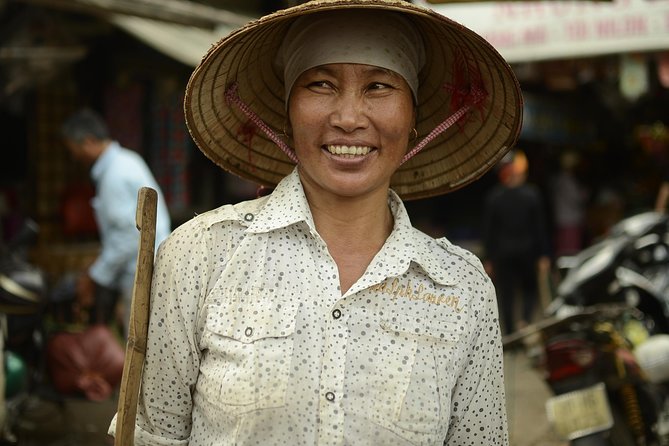
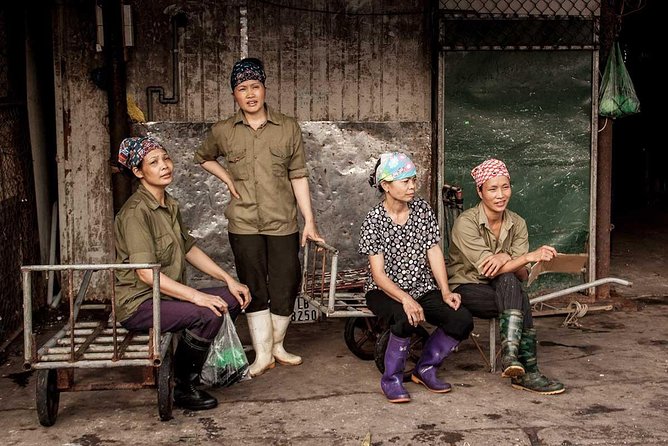
The focus is on photographing relationships: between people, their work, and the environment around them. That might sound like a poetic concept, but it’s very practical. It changes what you look for through the viewfinder. Instead of hunting for a single face, you start looking for how people interact—seller and buyer, coworkers, a moment of concentration, a shared task.
You’ll walk through the market where deliveries, deals, and all sorts of delicacies show up. The market has a sensory punch. Your guide helps you convert that into frames you can actually build: subject placement, background control, and timing your shutter so expressions don’t blur into anonymity.
A big advantage here is group size and attention. The tour is designed so your questions won’t get lost in the crowd. In one of the experiences, the guide was Boris, and the feedback specifically called out how friendly he was right from pickup and how comfortable he made the group feel. That matters in a market like this, where confidence helps you shoot quickly and respectfully.
One note to consider: markets can feel intense, especially before you’ve had breakfast. If you’re sensitive to crowds or strong smells, pace yourself. But the guidance helps you keep moving with purpose rather than getting swept along.
Stop 3: Old Quarter Morning Walk and a Cafe Breakfast Break
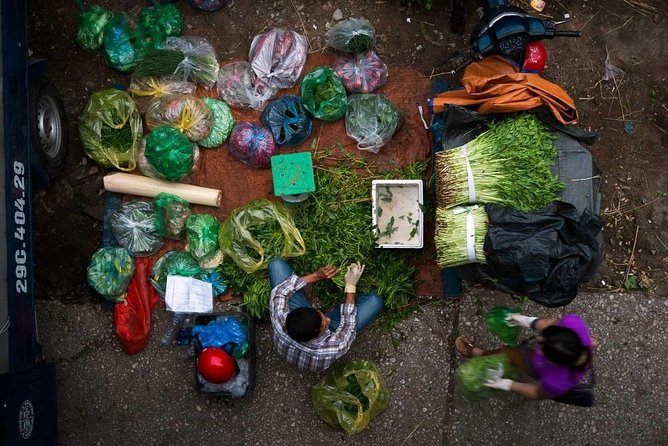
Once you finish the market shooting, you head back along Old Quarter streets. This section shifts from “market portraits” to daily-life scenes as Hanoi wakes up more fully. You’ll still have lots of photo opportunities: street activity, storefront rhythms, and people starting their day.
Then there’s a cafe break with breakfast and Vietnamese coffee. Here’s the practical catch: the tour plan includes food and coffee, but the notes also say food and drinks aren’t included. So you should treat breakfast and coffee as something you’ll likely pay for at the cafe (bring some cash just in case).
This stop is more than a reward. It’s a chance to reset your eyes after intense shooting. Looking at what you captured during the walk, talking with your guide about your next frames, and then eating something warm makes the experience feel complete instead of rushed.
What the Photo Coaching Teaches You to Use Immediately
The tour’s learning plan is described as structured: you tackle composition, shooting in different lights, and general camera guidance. That’s exactly the stuff that makes your photos improve fast—because it directly affects what comes out of your camera.
Here are the takeaways you can put into practice on the day (and later, back home):
Composition that doesn’t depend on luck
You’ll be guided toward framing choices, not random luck. Even if the light changes, a good composition holds up.
Lighting awareness from sunrise into morning
You’ll learn how to adjust your thinking when light changes—early softness on the bridge, then brighter and more complicated conditions in the market and streets.
Working with people without freezing
Photographing people in a busy environment is a skill: moving when the moment is right, staying aware of what’s happening around you, and avoiding getting stuck in one spot.
Camera settings guidance for confidence
Even small adjustments—exposure, focus choices, and how you respond to changing light—help you stop fighting your camera.
If you’re a beginner, this tour gives you a framework. If you’re intermediate, it helps you refine how you shoot under real conditions rather than controlled scenes.
Who This Tour Suits Best (and Who Might Skip It)
This is best for you if:
- you want pro instruction, not just a photo walk
- you’re interested in people-focused photography
- you can handle a very early start
- you want a structured session that keeps you moving with purpose
It may be less ideal if:
- you hate waking up before the sun and you’re fragile before coffee
- you only want scenery and don’t care about learning camera technique
- you get overwhelmed easily in crowded market settings
The good news is that most travelers can participate, and there are no specific health restrictions listed. The bigger “restriction,” honestly, is energy level at 4:30am.
Practical Tips Before You Go (So You Get Better Photos)
You’ll get more out of the tour if you show up ready to shoot, not ready to troubleshoot.
- Be prepared for a sunrise start: bring layers. Hanoi mornings can feel cooler than you expect.
- Use your normal photography gear, but know your camera basics beforehand if you can. The tour includes guidance, but it still moves fast.
- Think about what you want to practice: portraits and relationship shots in the market, then sunrise framing on the bridge.
- If you’re filming or shooting video, set expectations early so you can follow the guide’s flow.
Also, because the experience notes that good weather matters, don’t plan anything else tight that day. You’re getting value from that early timing, so weather can affect the schedule.
Should You Book the Hanoi Long Bien Sunrise Photo Tour?
I’d book this if you want your photography to improve with real teaching, in a place that’s naturally full of subjects. The combination of Long Bien Bridge sunrise, market portrait-focused instruction, and a morning walk through Old Quarter is a smart way to learn more than one style of shooting in a short window.
The price makes sense when you look at what’s included: hotel pickup, a professional photographer guide, and targeted coaching on composition and light. If your goal is to leave with better results and a clearer method, this is a solid use of money.
I would hesitate only if you absolutely hate early mornings or you’re not interested in people-focused photography. Otherwise, this tour is a practical way to turn Hanoi’s most active morning energy into images you can be proud of.
FAQ
What time does the Hanoi Long Bien Sunrise Photo Tour start?
The tour starts at 4:30am.
Is hotel pickup and drop-off included?
Yes. Hotel pickup and drop-off are included.
How long is the tour?
It lasts about 4 hours.
Do I need to buy entry tickets for the stops?
Admission tickets are listed as free for the main stops.
Is breakfast and Vietnamese coffee included?
A cafe break with breakfast and Vietnamese coffee is part of the plan, but the notes say food and drinks aren’t included.
What kind of help do I get for photography?
You’ll have a professional photographer guide and receive a briefing on camera and camera settings, plus instruction focused on composition and shooting in different lights.
What happens if the weather is bad?
This experience requires good weather. If it’s canceled due to poor weather, you’ll be offered a different date or a full refund.