REVIEW · HANOI
Hanoi Street Photography with a Pro – Phone & Camera
Book on Viator →Operated by NGUYEN MAI HUY · Bookable on Viator
Hanoi is a camera class in real life. This walk pairs a working Hanoi street photographer with hands-on practice in real locations, so you leave with sharper photos and better instincts. I like the phone-friendly approach just as much as the on-the-street feedback during the walk, and it’s why this has a 4.9 rating with near-unanimous recommendations. One thing to consider: it depends on good weather, so you’ll want a little flexibility.
The session is led by Nguyen Mai Huy, a pro portrait and street photographer from Hanoi who shoots across continents and knows how to teach quickly without making it feel rigid. You meet at St. Joseph Cathedral, walk into a local market, pause for a shot review at a neighborhood coffee shop, then head back out for a second round using what you just learned. It’s designed for most skill levels, with a small group cap of 6, so you get real attention instead of a crowd-style experience.
In This Review
- Key Highlights You’ll Actually Use
- Hanoi Street Photo Walk: Why This Style of Tour Fits the City
- Meet at St. Joseph Cathedral: Easy Start, Clear Goal
- The Market Walk: Color, Faces, and Real Street Choices
- Coffee Break Shot Review: Where Your Photos Improve Fast
- Second Shooting Round: Apply Feedback Immediately
- Phone vs. Camera: Tips That Don’t Depend on Gear
- Group Size, Pace, and What Weather Changes
- Price and Value: Why $35 Can Be a Good Deal
- Who This Tour Fits Best (And Who Might Not)
- Should You Book This Hanoi Street Photography with a Pro?
- FAQ
- How long is the Hanoi street photography experience?
- Where do we meet?
- Does the tour end back at the meeting point?
- What’s the group size?
- Is it suitable for phone photographers?
- Do I need an expensive camera?
- What days and time does it run?
- Is the tour outdoors?
- What happens if weather is poor?
- How does cancellation work?
Key Highlights You’ll Actually Use
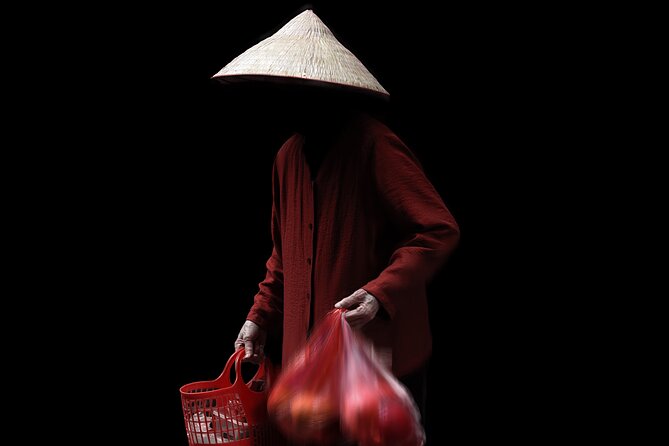
- Small group of max 6 so you can get guidance without waiting
- Market-to-coffee-to-street loop that turns feedback into better frames fast
- Phone and camera coaching with tips that work even if you’re not carrying gear
- Shot review break where you learn why a photo works (or doesn’t)
- St. Joseph Cathedral meetup that’s easy to find and easy to return to
- Weather-dependent format, but you get support with date changes or a refund if needed
Hanoi Street Photo Walk: Why This Style of Tour Fits the City
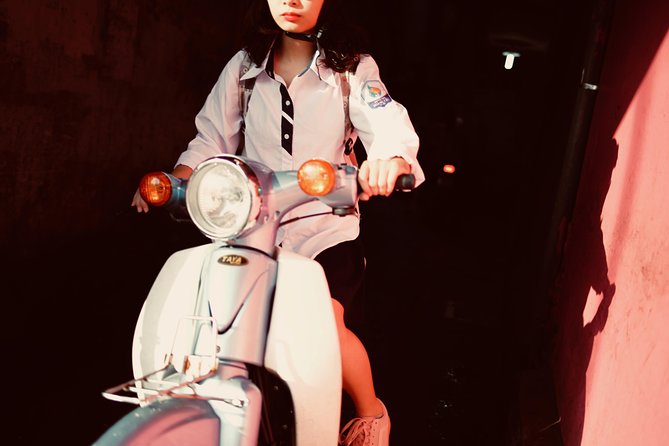
Hanoi is made for street photography. There are faces, movement, traffic patterns, shop signs, scooters, and tiny moments where people glance up, laugh, or pause. The tricky part is not having subjects. The tricky part is knowing what to notice and how to frame it so your photos don’t all look the same.
That’s what I like about this kind of tour: it treats street photography like a skill you practice, not a talent you either have or don’t. You’ll start with a plan, but the real learning happens while you’re walking—because street scenes change every minute. If you’re using a phone, the guidance helps you work with the limits of the device (and also the strengths). If you’re using a camera, you still get structure: composition choices, timing, and how to spot angles you’d normally miss when you’re just sightseeing.
The group size matters too. With a maximum of 6, you’re less likely to feel lost or ignored. And the rating pattern (4.9 with strong recommendation scores) lines up with what matters in photo walks: clear communication, good pacing, and practical suggestions you can apply immediately.
You can also read our reviews of more tours and experiences in Hanoi.


Meet at St. Joseph Cathedral: Easy Start, Clear Goal
Your walk begins at St. Joseph Cathedral (address: 1 P. Nhà Thờ, Hàng Trống, Hoàn Kiếm, Hà Nội). This is a smart meetup point for two reasons. First, it’s a recognizable landmark, so you don’t waste your energy hunting for the group. Second, it helps you orient fast—Hanoi is dense, and once you’re oriented, the shooting gets easier.
At the meetup, you’ll get an intro and a discussion of the plan. That matters more than it sounds. Many street walks fail because people go out with no shared focus. Here, you’re going out with a route and a reason for each stop. You also learn what to pay attention to—light, faces, color, distance, and the kinds of compositions that tend to work in a busy city without turning your photos into visual noise.
Timing-wise, the schedule shown runs in a morning window on Monday and Tuesday (8:30 AM to 10:30 AM). The total experience time is listed as about 2 hours 30 minutes, so you should expect the group to be out for roughly that amount within the morning flow. You’ll finish back at the meeting point, which is handy if you’re planning a separate lunch or another activity afterward.
The Market Walk: Color, Faces, and Real Street Choices
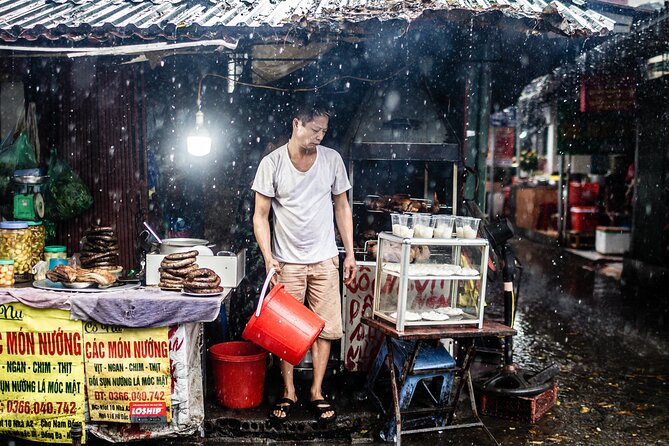
After you get your plan, you head to a local market area. Markets are gold for street photography because you get variety in one place: people at different distances, goods with strong colors, gestures that reveal personality, and the constant motion that makes scenes feel alive.
This part is where a pro guide’s eye pays off. A photographer like Nguyen Mai Huy understands that your goal isn’t to photograph everything. It’s to pick a few strong visual ideas and then refine them. Expect coaching around:
- finding a subject quickly
- choosing a viewpoint that doesn’t block the story
- using color and contrast without letting the frame get cluttered
- timing moments so people look natural, not posed
You’ll also benefit if you’re new. The market setting gives you plenty of practice material, and the small group means you can ask questions while you’re walking. If you’re more experienced, you’ll still get value because street photography benefits from constraints—like focusing on composition for 10 minutes, or shooting only at certain angles, then switching.
One practical downside: markets can feel overwhelming at first. That’s not the guide’s fault. It’s just how these places work. If you’re easily stressed in crowds, remind yourself that the point is practice, not perfection.
Coffee Break Shot Review: Where Your Photos Improve Fast
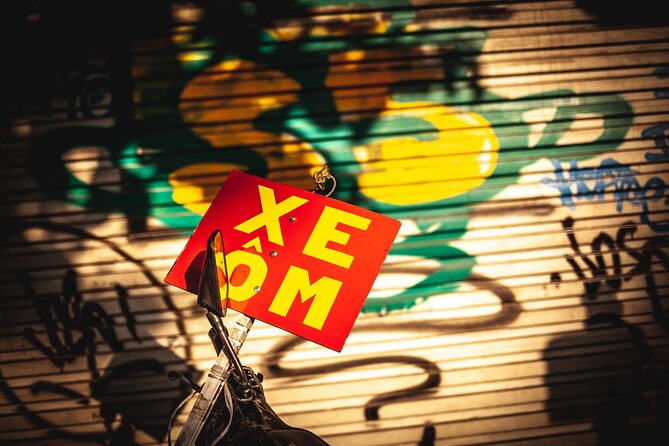
Midway, you stop at a local coffee shop for a review break. This is one of the best parts of the format, because you’re not just taking photos—you’re learning from them right away.
Here’s what makes this step valuable: you’ll apply a short learning loop.
1) shoot while walking
2) look at what you captured
3) talk about what works and what doesn’t
4) go back out and try again
This turns your progress from accidental into intentional. Even if you’re comfortable with photography basics, a review helps you see patterns you might not notice in the moment—like why a background keeps stealing attention, or how your framing changes when you’re too far away from your subject.
Reviews also suggest the coffee stop functions as a real reset. People describe chatting briefly about photography interests, then getting moving again. That kind of low-pressure break keeps the walk friendly and stops it from feeling like a strict class.
One more perk: coffee stops create a calm moment where you can compare your instinct with the guide’s suggestions. In street photography, that comparison is where you level up.
Second Shooting Round: Apply Feedback Immediately
After the coffee break, you head out again and use what you learned to create more compelling images. This is where the tour proves its value.
Most photo walks only have one shooting section. That means your “learning” happens after the tour ends—usually too late to matter. Here, you get a built-in chance to correct course while you’re still in the same environment type, with the same kinds of street scenes available.
In this second round, you’ll likely focus on the tips you discussed earlier—composition ideas, subject selection, and practical ways to frame shots so they feel deliberate. If you’re using a phone, you’ll also benefit from working techniques that fit how phone cameras behave (for example, quick framing choices and how to handle distance and motion). If you’re using a camera, you’ll still gain from coaching that keeps you from overthinking settings and missing the moment.
This part also helps your confidence. Street photography can make you feel awkward if you’re trying to be invisible. When you return with a clearer plan, it becomes less about hiding and more about observing well.




Phone vs. Camera: Tips That Don’t Depend on Gear
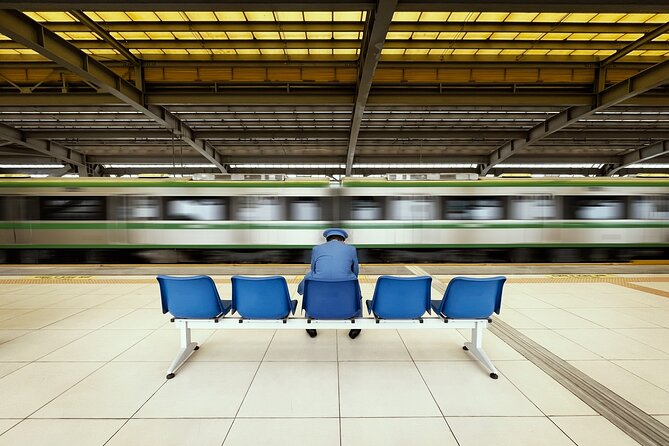
The experience is built for two audiences: phone shooters and experienced photographers. That’s not just marketing language. A good guide will teach principles you can apply regardless of device.
With phone cameras, you often need to fight two things: limitations in low light and the tendency to overshoot wide, cluttered frames. With a pro, you’ll learn how to adapt—how to get your subject sized correctly, how to use distance creatively, and how to keep backgrounds from swallowing the main story.
For camera users, the value is similar but with a different emphasis: composition, timing, and seeing angles quickly. You might already know exposure basics, but street photography often depends more on observation and framing than on technical perfection. That’s why a guide’s local eye can matter even if you’re experienced.
I also like that Nguyen teaches portrait and street photography. Street shots aren’t only about “what’s happening.” They’re about how a person looks in the frame, how the viewer reads the photo, and how your composition guides attention.
Group Size, Pace, and What Weather Changes
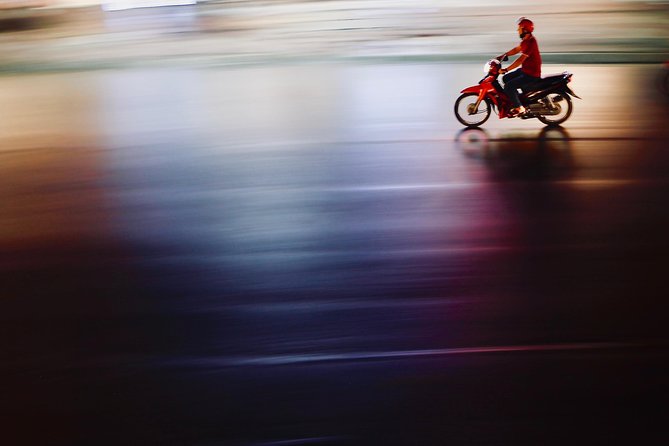
This is capped at 6 travelers, which keeps the experience personal. You can usually move as a group without feeling rushed, but you won’t have endless waiting time for individual questions. That balance makes a big difference for both phone and camera users.
Pace-wise, the itinerary is simple: walk, shoot, review, shoot again. You’re not bouncing around the city for long transport gaps, which keeps you in “photo mode” longer. That said, you’re still outdoors and walking, so comfortable shoes are non-negotiable in Hanoi.
Weather is the other reality check. The experience requires good weather. If it’s canceled due to poor conditions, you’ll be offered a different date or a full refund. One review also notes that even when rain showed up, Hanoi still offered plenty of subjects while walking, which suggests the guide can keep things moving when conditions aren’t perfect.
If you want a stress-free day, plan for light weather adjustments (a small umbrella, a rain cover for gear if you’re using one). The key is to be flexible and treat it as practice rather than expecting perfect light.
Price and Value: Why $35 Can Be a Good Deal
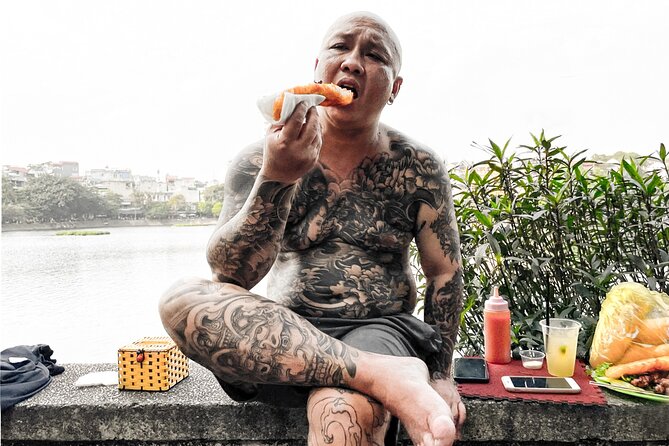
At $35 per person for about 2 hours 30 minutes, this sits in the budget-friendly zone for a pro-led photo experience in Hanoi. But value isn’t only the time and the guide. The real value is the structure: you get a route with two shooting sections and a built-in review break.
For that price, you’re paying for:
- a local photographer’s eye and teaching style
- guided route planning so you don’t waste the first 30 minutes trying to figure out where to shoot
- immediate feedback during the coffee review
- enough time to apply that feedback in the second round
What you’re not paying for is a long, multi-neighborhood city tour or a full-day workshop. This is a focused session. That’s good if you want progress, not if you’re hoping for all-day sightseeing.
The review scores back this up: 100% recommended and an overall 4.9 rating. Those numbers usually mean people got what they came for—better photos, clear instructions, and a fun walk around Hanoi.
Who This Tour Fits Best (And Who Might Not)
This experience is a strong fit if you:
- want to improve quickly in a short time
- feel overwhelmed trying to shoot on your own
- prefer direct coaching that translates into better frames during the same outing
- like street photography, portraits in context, and colorful local scenes
One review example describes a 16-year-old and a parent doing the walk together and enjoying how the guide tailored tips around their styles. That’s a useful sign. This tour doesn’t feel like it’s only for advanced camera nerds.
You might consider a solo approach instead if:
- you already have a strong plan for street shooting and want to control everything without any scheduled break
- you want full custom itinerary changes minute by minute
- you’re only interested in very specific gear-based techniques not mentioned in the tour format
But for most people—especially first-timers—this walk is a smart way to get moving, learn fast, and still have fun.
Should You Book This Hanoi Street Photography with a Pro?
My call: yes, if you want practical results and you’re okay with a morning schedule and weather dependency.
Book it if you want a guided photo plan that works whether you shoot with a phone or a camera, plus the rare bonus of a photo review break before your second round. That “shoot, review, shoot again” structure is exactly how you turn feedback into better photos on the same day.
Hold off if you’re only going to shoot in perfect light no matter what, or you hate walking outdoors. Otherwise, this looks like a high-value way to learn street photography in Hanoi’s real street settings—guided by a pro who knows both portraits and the street.
FAQ
How long is the Hanoi street photography experience?
It lasts about 2 hours 30 minutes (approximately).
Where do we meet?
You meet at St. Joseph Cathedral, 1 P. Nhà Thờ, Hàng Trống, Hoàn Kiếm, Hà Nội 100000, Vietnam.
Does the tour end back at the meeting point?
Yes. The activity ends back at the meeting point.
What’s the group size?
The tour has a maximum of 6 travelers.
Is it suitable for phone photographers?
Yes. The experience specifically mentions phone shooters and covers pro tips for getting better results with your device.
Do I need an expensive camera?
No. It’s designed for both phone users and experienced photographers, so you can participate with whatever you’re shooting with.
What days and time does it run?
The schedule shown is Monday and Tuesday, with hours listed as 8:30 AM to 10:30 AM.
Is the tour outdoors?
You’ll be walking and shooting through the city, and the experience requires good weather.
What happens if weather is poor?
If it’s canceled due to poor weather, you’ll be offered a different date or a full refund.
How does cancellation work?
Free cancellation is available. You must cancel up to 24 hours in advance for a full refund, based on local time.