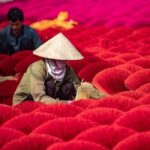
Hanoi looks better through a camera lens. This private Hanoi photoshoot is a focused 2-hour walk with a photographer guiding your angles at iconic spots like Hoan Kiem Lake and Long Bien Bridge, plus calmer corners of the Old Quarter. I love how the shoot feels tailored to your pace, and how photographers like Lily or Meiji help you pose without making it stiff or awkward.
I also like the optional Ao Dai rental help, where you get guidance on style, color, and size so you can look natural in photos. One possible drawback: if a location needs a taxi, transportation costs are on you, and with only about 2 hours, the day moves at a photo-friendly speed.
In This Review
- Key highlights you’ll care about
- Where it starts: St. Joseph’s Cathedral as your easy anchor
- A real private shoot in about 2 hours (so plan for photo pace)
- How the plan gets tailored (without overcomplicating it)
- Stop by stop: Hoàn Kiếm Lake and the classic Hanoi frames
- Long Bien Bridge: when you want drama and geometry
- Old City Gate and the photo sweet spot feeling
- Dong Xuan Market: textures, faces, and movement
- St. Joseph’s Cathedral again: close strong, not just end
- Optional Ao Dai rental help: looking great without stress
- The photographer’s real superpower: posing that feels like you
- What $40 buys you, and how to get your money’s worth
- Logistics that affect your photos (more than you think)
- Who should book this photoshoot in Hanoi?
- Should you book this private Hanoi photoshoot?
- FAQ
- How long is the Private Hanoi Photoshoot?
- Where do we meet for the photoshoot?
- Is this a private tour or shared experience?
- Can you help with renting Ao Dai?
- Are taxi costs included if transportation is needed?
- Are service animals allowed?
Key highlights you’ll care about
- Private group, real attention: Only your group participates, so you get time for poses and retakes.
- Iconic + quieter frames: You’ll hit landmarks and also find less obvious photo angles in the Old Quarter.
- Pose guidance that actually helps: Photographers coach you on what to do with your hands, face, and stance.
- Optional Ao Dai, supported from the start: You can add traditional dress, with help choosing fit and look.
- Easy start point in central Hanoi: You begin at St. Joseph’s Cathedral and return there.
Where it starts: St. Joseph’s Cathedral as your easy anchor
Your photoshoot meets at St. Joseph’s Cathedral in Hoàn Kiếm. It’s one of those places that’s easy to find in Hanoi, which matters when you want the shoot to start smoothly instead of spending your first 20 minutes hunting for the right street.
Starting at the cathedral also gives you a strong visual baseline. You get clean architectural lines right away, and that helps the photographer quickly read what style you’re aiming for—more classic travel portraits, more candid street vibe, or something between.
If you’re coming in with a plan (solo portraits, couple shots, team photo for work travel, etc.), this is the moment to say it. The best results come when you and your photographer agree on what matters most to you: lighting, backgrounds, story, or pure portrait clarity.
You can also read our reviews of more tours and experiences in Hanoi.

A real private shoot in about 2 hours (so plan for photo pace)
The whole experience runs about 2 hours. That’s a sweet spot: long enough to get variety (waterfront, bridges, markets, cathedral), but short enough that you’re not stuck in “tour-mode” all day.
Because it’s private, you’re not waiting on a big group. You move when your photographer says move. If you want photos that look effortless, that quick coordination helps—especially in areas that get busy.
One more practical point: this isn’t a long street wander where you can stop for every café and alley. If you want extra time at one location, it’s best to ask early. And yes, photographers can go a bit longer when the vibe is right, based on past guest experiences—still, plan around the standard time so you’re not disappointed.
How the plan gets tailored (without overcomplicating it)
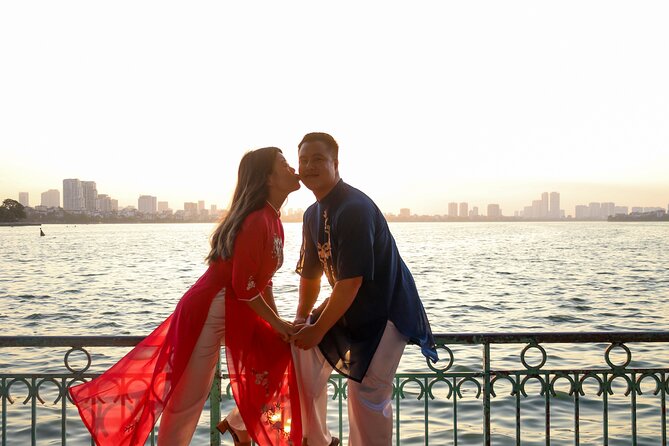
After booking, you discuss a plan that fits your preferences. That matters because Hanoi isn’t one single look. It’s water views, French-colonial style, Old Quarter narrow streets, and market textures all in one city.
By default, the shoot flows through the Old Quarter style routes, with iconic points included. In practice, this means you’ll get both structured photo moments and the kind of “turn your body this way and you’ll love the background” adjustments that make pictures look intentional.
If you want to stay photogenic without feeling rushed, tell your photographer what you dislike. For example, if you hate crowded angles, say so. The photographer can steer you toward calmer viewpoints even while staying close to famous places like Cầu Thê Húc (The Huc Bridge) area and Ô Quan Chưởng (Old City Gate area).
Stop by stop: Hoàn Kiếm Lake and the classic Hanoi frames
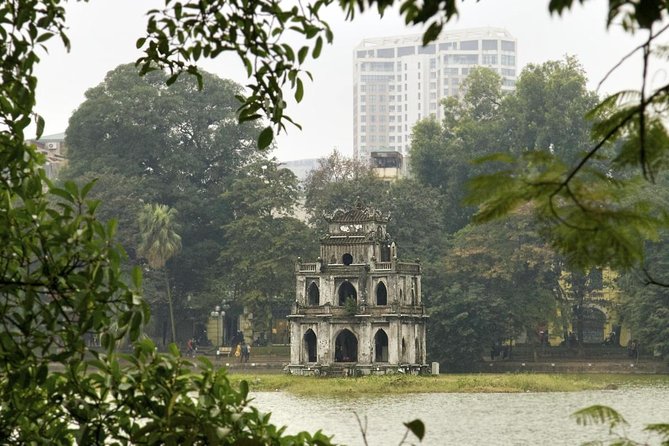
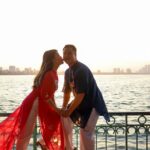
Stop 1: Lake of the Restored Sword (Hoan Kiem Lake) is the anchor of the whole shoot. This is one of the most photographed areas in Hanoi, but it’s photographed for a reason: you get water, greenery, and that central-city feel in one compact space.
What you’ll likely love here is how easy it is to create different styles quickly:
- Portraits with reflective water behind you
- Bridge-and-gate compositions that feel very Hanoi
- Walking shots where you look like you’re “in the moment,” not posed in one spot
The main win is variety. You can do a few minutes of classic framed photos near Cầu Thê Húc, then shift toward viewpoints linked with the Ô Quan Chưởng area. This keeps your background changing, even if you’re staying in the same general region.
Possible drawback: because Hoàn Kiếm is popular, you may need to wait briefly for the best angles. The good news is that a skilled photographer usually manages this with fast direction—move a few steps, adjust height, shoot during the right moment—so it doesn’t turn into endless standing around.
Long Bien Bridge: when you want drama and geometry
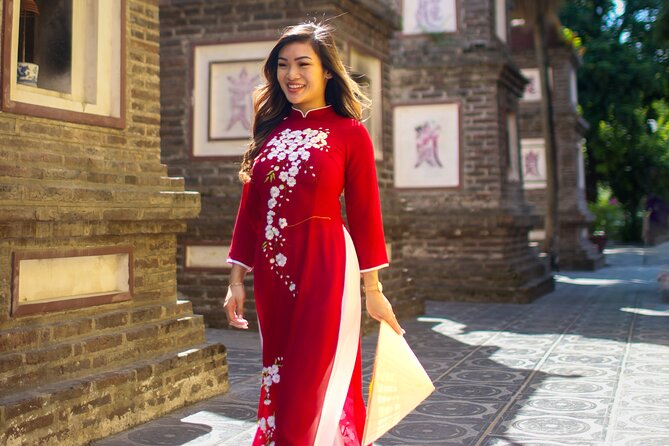
Stop 2: Long Bien Bridge brings a very different mood. If Hoàn Kiếm is about classic postcard calm, Long Bien is about strong lines and a more gritty city feel.
The bridge setting is a gift for photos because the geometry does half the work for you. Even without complicated styling, you can get:
- Powerful side profiles
- Composition shots with the bridge structure guiding your eyes
- Street-level walking photos that feel more documentary
If you’re thinking about what kind of pictures you want for social media, Long Bien is often where your photos become more “cinematic.” It’s also a place where the photographer’s timing matters. The angle, your stance, and even how quickly you walk can change the feel from casual to dramatic.
Tip: wear shoes you can move in easily. Bridges and approach areas can involve uneven ground and quick step adjustments for framing.

Old City Gate and the photo sweet spot feeling
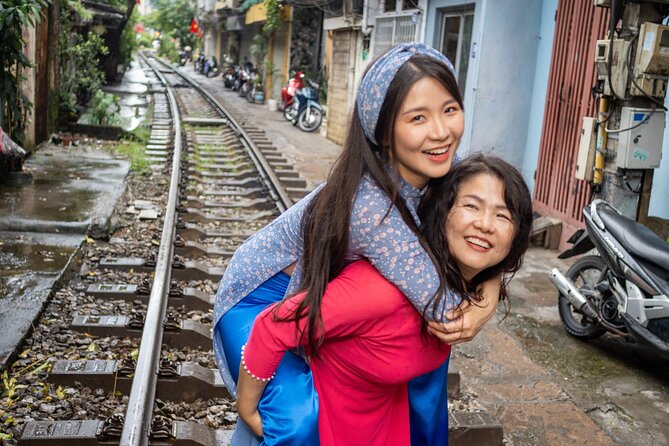
Stop 3: Old City Gate (linked in the experience plan to Ô Quan Chưởng) gives you that unmistakable Hanoi landmark energy. This is where your photos start to look like they belong on a travel album, not just a selfie chain.
What makes this stop work is the mix of scale and detail. You can stand back for larger compositions, then step closer for more texture and faces-in-the-scene shots.
If you love street photography vibes, ask your photographer for a few “hands and posture” shots here. Market and gate areas are perfect for that, because there’s visual activity around you. The photographer can guide you so you don’t look like you’re just standing there waiting for the shutter.
Dong Xuan Market: textures, faces, and movement
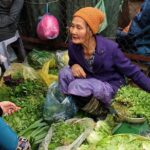
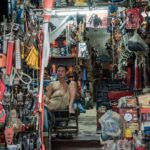
Stop 4: Dong Xuan Market adds color and everyday life. Markets are chaotic in real life, but in photos they can look like art—when someone knows where to stand and when to shoot.
The big advantage: you get background texture without needing special props. You can focus on your expression and let the market environment do the storytelling behind you.
The key consideration is that market areas can be crowded. Your photographer’s job is to keep you moving without you feeling like you’re being herded. If you’re not comfortable in busy spaces, tell them upfront. You’ll still get market photos, just with calmer angles and more controlled framing.
This is also a great stop for group photos, which matters if you’re traveling for a work trip or a friend milestone. Good direction turns a group shuffle into something that looks organized but still natural.
St. Joseph’s Cathedral again: close strong, not just end
You start at St. Joseph’s Cathedral, and the experience ends back at the meeting point. That gives you a clean bookend.
If you’re taking portraits, this final stop can work as a reset. After the street and market energy, you often want something calmer. The cathedral’s architectural lines and open space make it easier to get clear portrait shots without constant background noise.
It’s also the point where you can review what you liked so far. If you feel like you want more of a certain look—smile-heavy, dramatic shadows, relaxed walking poses—this is where you can steer the last few frames.
Optional Ao Dai rental help: looking great without stress
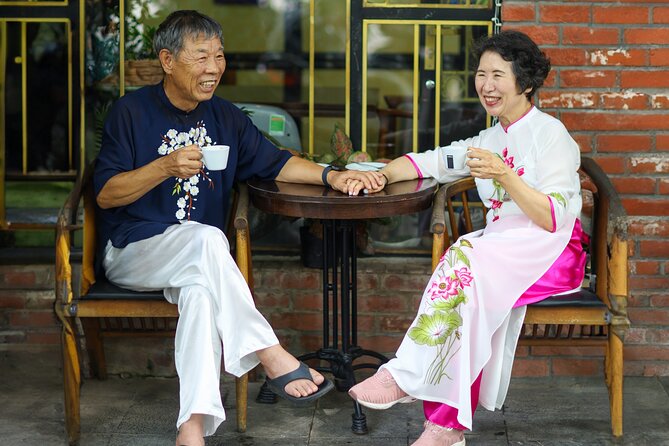
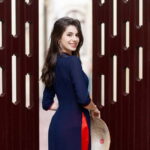
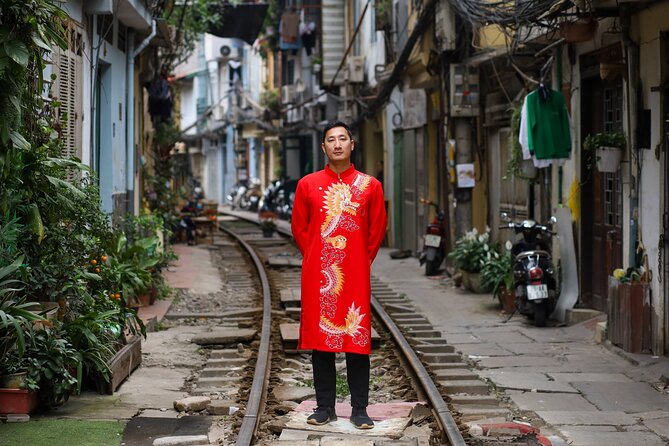
If you want traditional dress, the experience can include guidance to rent Ao Dai. Your photographer helps you at the shop—choosing style, color, and size so you get a look that fits you well and photographs nicely.
Why this is valuable: Ao Dai looks best when it fits comfortably. If the fit is off, you’ll feel it immediately, and that shows in your posture and expression. The photographer’s help reduces the guesswork, especially if you’re not sure what style will suit your body type or the vibe you want.
Also, Ao Dai changes the whole photo feel. Instead of blending into the background, you become the subject. If you’re aiming for a more elegant, cultural set of images, this option is one of the biggest upgrades you can make within a short shoot time.
One consideration: renting dress can add time in the real world. Since the shoot is about 2 hours, it’s smart to talk schedule timing during planning so you don’t eat up all your photo time at the shop.
The photographer’s real superpower: posing that feels like you
Across past bookings, the most repeated strength is simple: pose direction and confidence building. Photographers guide you with clear English and fast coaching, so you don’t freeze when the camera comes out.
You’ll usually get help with things like:
- Where to place your hands
- How to angle your shoulders
- What to do with your face when you’re not sure what to smile like
This is especially helpful for solo travelers. In Hanoi, it’s easy to feel like you’re always the one taking photos for other people. Here, you become the person who’s directed into good frames.
And it’s not just technical. The best photographers bring energy. Lily and Meiji are both described as friendly and fun, with English that makes the direction easy to follow. That matters because relaxed expression beats forced posing every time.
If you want professional-looking photos for LinkedIn or a work trip, you can ask for a more formal set. One team trip experience highlighted the value of flexibility for group photo needs—so you don’t have to sacrifice professionalism just because you’re doing something fun.
What $40 buys you, and how to get your money’s worth
At $40 per person for a private, ~2-hour photo session, the value comes from three things: guidance, access to multiple iconic locations, and time saved.
You’re not just paying for someone to press a button. You’re paying for:
- Faster framing at the best spots (so your photos aren’t random)
- Direction that reduces your “how do I stand?” time
- A route that mixes landmarks and more interesting street contexts
This becomes even better if you’re traveling with just your partner or a small group. Sharing the private attention makes the per-person cost feel fair quickly.
To maximize value, do two things:
- Decide your photo goal before you arrive (portraits, couple, social, cultural with Ao Dai)
- Wear practical clothes that you can move in easily, especially if you want walking shots
If you’re the type who likes taking photos slowly for an hour at each spot, this shoot may feel a bit brisk. But if you want a strong set of images in one efficient morning or afternoon, it’s a solid deal.
Logistics that affect your photos (more than you think)
A few details can shape how smooth the shoot feels.
First, transportation: if a location needs a taxi, transportation costs are on you. So it helps to carry some cash for quick rides and to be ready for the photographer’s “we need to reposition” calls.
Second, the experience uses a mobile ticket, and you receive confirmation at booking time. That’s the kind of practical setup that reduces stress. It also helps you plan your day without printing anything.
Third, the meeting point is near public transportation. That’s useful if you’re staying slightly outside the center and don’t want to deal with long commutes.
Finally, because it’s private and only your group participates, you won’t be stuck waiting for other people to catch up. That’s a big deal when you’re trying to capture the right light at landmarks.
Who should book this photoshoot in Hanoi?
This works best if you:
- Want photos that look intentional, not accidental
- Prefer a guided plan over figuring out posing and angles alone
- Are traveling solo, as a couple, or with a small group that wants consistent direction
- Want the optional Ao Dai look without managing the rental process yourself
It’s also a great option for group trips, including work teams, because you can get coordinated shots without the chaos of everyone freelancing their own camera angles.
You might skip it if:
- You need a fully free-form photo day with no structure at all
- You’re hoping for a long itinerary with lots of extra stops (this one is built for a tight timeframe)
Should you book this private Hanoi photoshoot?
Yes, if you want a high-impact Hanoi photo set in about 2 hours. The biggest reason to book is attention: clear posing direction, friendly energy (including photographers like Lily or Meiji in past experiences), and an efficient route that covers both classic landmarks and everyday texture.
If you’re willing to move at a photo-friendly pace and you’re okay with taxi costs when needed, this is a strong way to buy back your time and get pictures you’ll actually want to keep.
One smart move: send your priorities during the plan discussion. Tell them your comfort level in crowds, whether you want Ao Dai, and what style you want. With that, the shoot usually lands exactly where it should—on you, looking great, with Hanoi doing the rest.
FAQ
How long is the Private Hanoi Photoshoot?
It lasts about 2 hours.
Where do we meet for the photoshoot?
You meet at St. Joseph Cathedral, P. Nhà Thờ, Hàng Trống, Hoàn Kiếm, Hà Nội 100000, Vietnam.
Is this a private tour or shared experience?
This is a private tour/activity. Only your group will participate.
Can you help with renting Ao Dai?
Yes. If you’re interested, the photographer will assist you at the shop, including guidance on style, color, and size.
Are taxi costs included if transportation is needed?
Transportation costs are on you for locations that require a taxi.
Are service animals allowed?
Yes, service animals are allowed.
If you want, tell me your travel month and whether you prefer portraits, street candids, or Ao Dai. I can suggest a simple outfit and photo-style plan to match the route.