REVIEW · HANOI
Hanoi Street Photography in a Vintage Community
Book on Viator →Operated by Momentlives Photography tours · Bookable on Viator
Old streets make great frames.
This 4-hour Hanoi photo walk takes you into vintage residential lanes mostly left out of the usual sights, where you can photograph the texture of everyday life—markets, tea stalls, stairways, and the kind of aging walls and tangled electric wires that make images feel real. I also like the very practical setup: you get an instructor, an air-conditioned vehicle, and coffee or tea before you start shooting. One heads-up: this is off the tourist route, so if you want famous monuments and wide-open views, the streets can feel tightly packed and less “postcard clean.”
The real win is how the guide helps you translate what you see into a shot you’d actually print. In past small-group sessions, guides such as Mike, Son, and James have coached people on camera settings and shared cultural context along the way—so you’re not just wandering with a lens. The main consideration is that this style of street photography rewards patience: you’ll want to slow down, wait for moments, and be ready to shoot in busy local scenes.
In This Review
- Key Highlights to Expect
- Soviet-Style Neighborhoods: Why Hanoi Street Photos Look So Different Here
- A 4-Hour Schedule That Works for Street Photographers (Not Just Tourists)
- Walking Through Post-French Housing Blocks: Frames in the Background and Foreground
- Tea Stalls, Scooter Repair, and Barber Shops: How to Photograph Daily Work
- Markets, Playground Life, and Elderly Moments: Finding Stories Without Forcing Them
- Camera Settings Coaching: Why Small Attention Changes Your Results
- Gear and Mindset Tips So You Don’t Waste Shot Opportunities
- Price and Value: Is $98 for 4 Hours Fair?
- Who Should Book This Tour (and Who Might Want Another Style)
- Should You Book This Hanoi Street Photography Workshop?
- FAQ
- What is the duration of the Hanoi street photography experience?
- How much does the tour cost?
- Where does the tour take place?
- Is pickup offered?
- How many people are in the group?
- What’s included in the price?
- Is lunch or dinner included?
- What kind of ticket do I get?
- When do I get confirmation after booking?
- Is free cancellation available?
Key Highlights to Expect
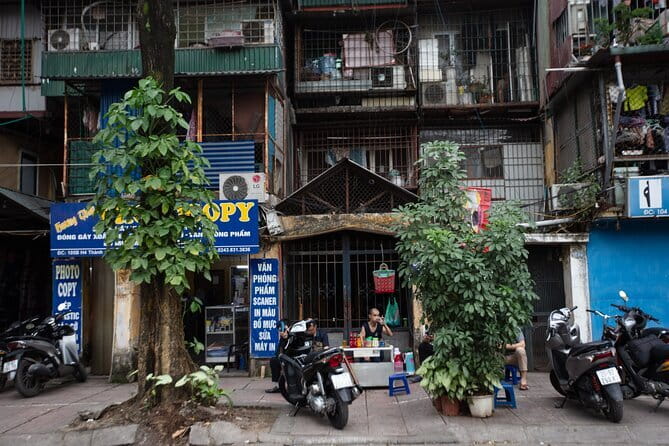
- Off-the-map Hanoi neighborhood with maze-like lanes and older housing blocks
- Street-level subject variety: tea stalls, barber shops, scooter repair spots, playground life
- Small group size (maximum 4), which helps you get personal attention
- Instructor-led photography coaching with camera-setting guidance
- Coffee and/or tea included, plus pickup by vehicle to get you there easily
Soviet-Style Neighborhoods: Why Hanoi Street Photos Look So Different Here
Hanoi street photography gets a lot more interesting when you stop chasing only the same few scenic backdrops. Here, you’re working in an older residential area where buildings reflect a Soviet-influenced model, built for working-class housing by the State after the French retreated from Vietnam. The result is architecture that feels structured, but lived-in—perfect for street photography because it creates strong lines, repeated windows, and quiet corners that reveal themselves slowly.
I like that the subject matter is not just “streets,” but the details inside the streets. You can frame aging yellow walls beside worn staircases, or catch layers of daily life against a backdrop of improvised structures. Even the everyday clutter—like tangled overhead wires—can turn into composition tools rather than distractions.
One practical upside: when you’re photographing real neighborhoods, you often find scenes faster because people are already doing something. A tea stall is being used. A barber shop is active. Kids are moving. Elderly folks are watching and resting. Your job becomes timing and focus, not hunting for life like you’re on a scavenger hunt.
You can also read our reviews of more tours and experiences in Hanoi.


A 4-Hour Schedule That Works for Street Photographers (Not Just Tourists)
This is an approximately 4-hour experience, and that length matters. Long enough to actually see rhythms—morning pace, mid-day activity, and market energy—but short enough that you can stay sharp behind the camera. In a small neighborhood with maze-like lanes, too much time can turn into the “same street, same angle” problem. Four hours usually keeps you exploring while your attention still feels fresh.
The group size is capped at 4 travelers, which is unusually helpful for photography. In larger groups, you often get pulled along and your shots suffer. With fewer people, you’re more likely to get the instructor’s attention when you’re stuck with settings, framing, or deciding how close to get.
Pickup is offered, and you travel by air-conditioned vehicle. That’s a simple comfort but also a real benefit: Hanoi heat can drain you fast. When you’re trying to shoot fast-changing scenes—kids playing, scooters stopping, someone stepping into a doorway—fatigue hurts your photo decisions.
Walking Through Post-French Housing Blocks: Frames in the Background and Foreground
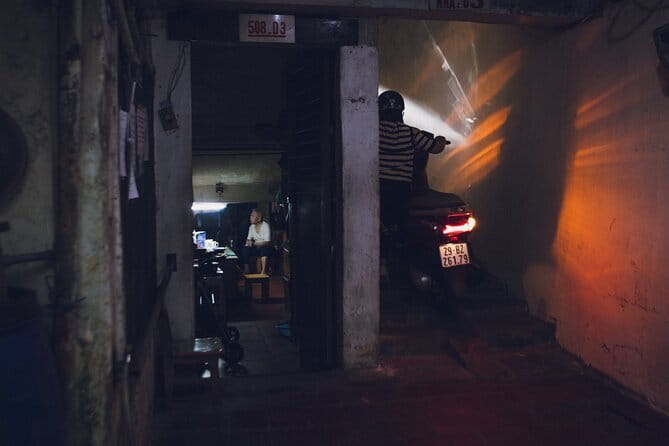
The core of the experience is photographing a vintage residential area that sits off the usual tourist map. This is where your camera gets to play with depth. Those older housing blocks, built in the late 50s and onward (with residential construction continuing into the 1960s), give you multiple layers: foreground scooters and pedestrians, mid-ground shop fronts, and background staircases and facades.
Look for scenes where the architecture acts like a stage. A worn staircase corner can be the main subject, with a person crossing as the storytelling element. Yellow wall textures are strong “color anchors,” especially when they sit next to darker details like door frames or tangled wires.
A good way to think about this area: it’s not just where you shoot people. It’s also where you shoot the environment that shapes their day. If you like photos that feel grounded—less about posed travel portraits and more about life happening around your lens—this neighborhood style is a big reason this tour is popular.
Tea Stalls, Scooter Repair, and Barber Shops: How to Photograph Daily Work
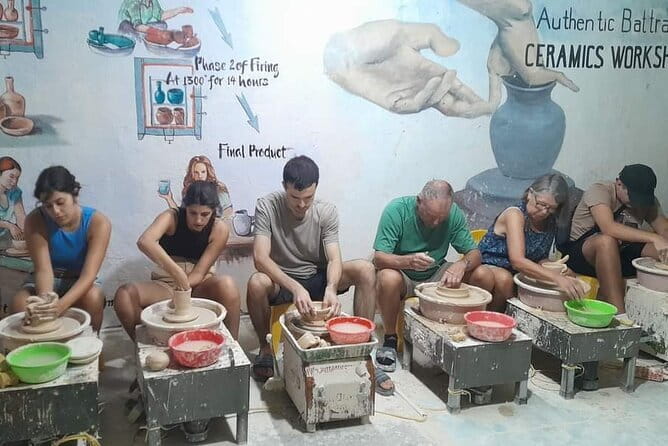
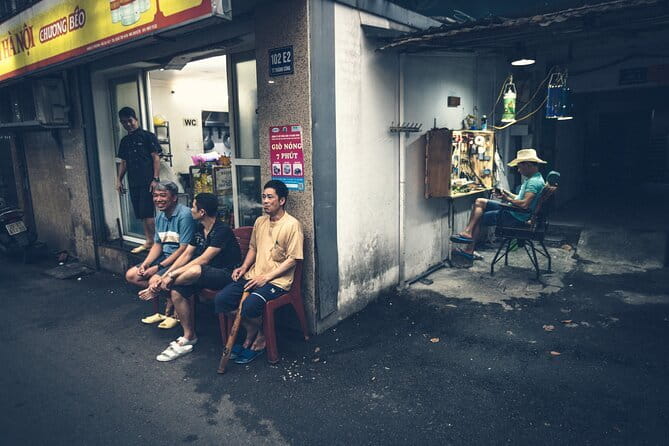
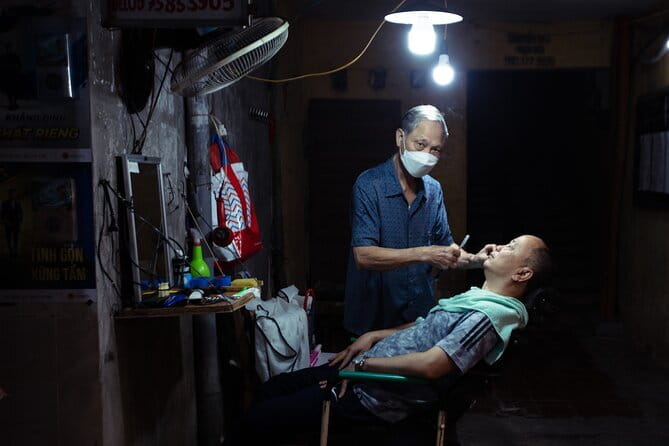
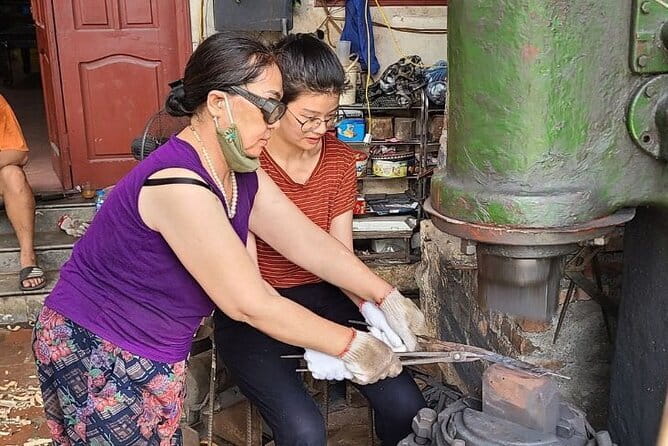
Some of the best street photos come from small moments around services people use every day. You’ll have a chance to photograph roadside tea stalls, scooter repair spots, and barber shops. These aren’t set-piece locations; they’re functional places where human behavior is already natural.
Here’s what makes these scenes especially strong for photography:
- Tea stalls often offer subtle actions: hands pouring, cups lifted, people pausing to talk.
- Scooter repair gives you tools, motion, and close-up textures—great for detail shots and layered compositions.
- Barber shops tend to create faces and expressions, even when nobody is “performing.”
One consideration: these places can be busy and personal. You’ll get the best results if you move calmly, watch reactions, and let the instructor guide you on how to approach the moment. You’re not just taking a photo; you’re part of the scene long enough to earn it.
Markets, Playground Life, and Elderly Moments: Finding Stories Without Forcing Them
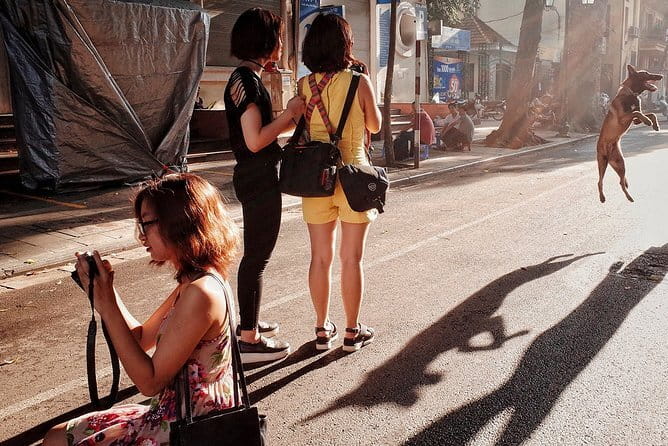
The experience also includes a colorful, noisy market atmosphere and community life around a playground where kids and elderly people may be playing or relaxing. This is where street photography becomes story photography. You’ll likely find yourself making decisions like: do I shoot the crowd, the single character, or the interaction?
In these community spaces, timing matters more than gear. If you want images that feel like you were there, don’t just shoot what’s happening right in front of you—anticipate the next beat. A child runs, a parent looks up, someone laughs, a cup is set down. With coaching, you’ll learn what to prioritize: shutter speed for movement, and composition choices that keep the story clear.
Also, don’t ignore the quieter “in-between” moments. Elderly people resting or watching can create emotional contrast next to fast motion. Those images often end up being the ones you remember later.





Camera Settings Coaching: Why Small Attention Changes Your Results
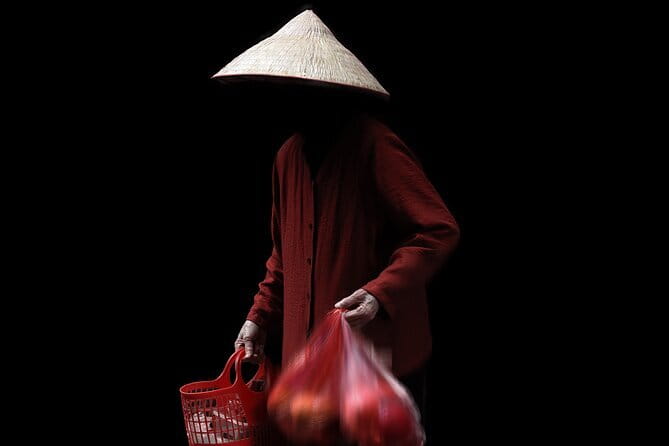
A big part of the value here is the photography instruction. The tour includes a photography instructor, and the vibe is practical: you’re photographing real scenes, and you want your camera settings to cooperate with them.
In earlier private and group outings with this company, guides such as Mike have helped people get really nice pictures by sharing camera-setting help and framing advice. Other guides—Son and James—have also been praised for mixing cultural context with photography direction, so your photos improve and your understanding improves at the same time.
What does this mean for you?
- You’ll likely get help matching settings to what you’re seeing (movement, light changes, and busy backgrounds).
- You’ll learn how to simplify a scene into one clear story.
- You’ll get cues on where to stand and how to wait for the right moment.
If you’re a beginner, that coaching can shorten the usual learning curve. If you already know your camera, it can refine your choices in chaotic streets where the “right setting” depends on what a person is doing—not just the lighting.
Gear and Mindset Tips So You Don’t Waste Shot Opportunities
I’d prepare for street conditions more than for “photo locations.” That means a few simple mindset checks:
- Bring a camera you’ll actually use. If your camera is too complicated, you’ll miss moments while you’re troubleshooting.
- Choose one goal for the day: portraits, architecture details, or action moments. You can still shoot all three, but one goal keeps you from getting overwhelmed.
- Keep moving, but slow down at the good scenes. The neighborhood is maze-like, so you can roam fast—but the best frames often appear after you stop waiting.
- Watch light and color contrast. Aging yellow walls next to worn stairs and darker shop areas create natural contrast without you needing special equipment.
Also, remember the tour includes coffee and/or tea. That’s small, but it helps if you’re the type who needs a quick reset before you start thinking like a photographer again.
Price and Value: Is $98 for 4 Hours Fair?
At $98 per person for about 4 hours, this is not a budget “stand and follow” tour. You’re paying for three real things:
- A photography instructor who helps you get better results, not just a guide who recites facts.
- An air-conditioned vehicle with pickup offered, which saves time and keeps you comfortable.
- Access to an off-tourist neighborhood where street scenes feel authentic and less staged.
The group size cap at 4 also affects value. Smaller groups usually mean more guidance per person, especially when you’re stuck on camera settings or composition.
What’s not included is lunch or dinner, so you’ll want to plan for a meal before or after. If you skip planning, you might feel “photo tired” and hungry at the same time—bad combo for street shooting.
Overall, if you care about getting better images in a real neighborhood rather than ticking off landmarks, this price feels reasonable.
Who Should Book This Tour (and Who Might Want Another Style)
This works best for you if you want:
- Street photography with real local life—tea stalls, barber shops, scooter repair, markets.
- A small-group approach where an instructor can adjust to your needs.
- A chance to photograph vintage architecture and the community around it, not just the buildings alone.
It may feel less satisfying if you’re after big, famous sights or wide-open spaces. Here, the story is in close quarters and everyday work. If you prefer polished tourist scenes with fewer variables, you might find this style more challenging than relaxing.
Should You Book This Hanoi Street Photography Workshop?
I’d book it if you want photos that feel lived-in: the kinds of frames where buildings, people, and small street activities share the spotlight. The small group size, the instructor coaching, and the focus on a vintage residential area off the usual route are the three strongest reasons to choose it.
Skip it (or consider another format) if your main goal is famous landmarks or if you dislike walking tight lanes and shooting in busy, everyday settings. Street photography is active. This tour leans into that reality.
If you’re open to slowing down, waiting for moments, and letting a guide help with camera settings, this is a great use of your time in Hanoi.
FAQ
What is the duration of the Hanoi street photography experience?
It runs for approximately 4 hours.
How much does the tour cost?
The price is $98.00 per person.
Where does the tour take place?
The tour is in Hanoi, Vietnam.
Is pickup offered?
Yes, pickup is offered.
How many people are in the group?
The experience has a maximum of 4 travelers.
What’s included in the price?
Included items are a photography instructor, an air-conditioned vehicle, and coffee and/or tea.
Is lunch or dinner included?
No. Lunch and dinner are not included.
What kind of ticket do I get?
You receive a mobile ticket.
When do I get confirmation after booking?
Confirmation will be received at the time of booking.
Is free cancellation available?
Yes, you can cancel up to 24 hours in advance for a full refund.