REVIEW · HANOI
Hanoi by dawn Photo Tour
Book on Viator →Operated by Momentlives Photography tours · Bookable on Viator
You don’t need to sleep in to get great photos. This Hanoi by dawn session turns early mornings into a focused, hands-on way to shoot the city.
You’ll get a real rhythm for your camera—then use it immediately in real street action. It’s also a small group day, so you’re not lost in the crowd.
My favorite part is the way the tour makes you practice under pressure. Long Bien Market is full of movement, light, and constant change, which is exactly what helps you learn faster. The second big win: the professional photographer guide keeps your shooting practical, not vague.
The main drawback is simple: this is early. 3:45 am start time plus active walking can feel intense, especially if you’re not ready for the morning pace. Also, there’s no restroom on board, so you’ll want to plan ahead.
In This Review
- Key things you’ll notice on this dawn photo tour
- Dawn in Hanoi: why the 3:45 am start makes sense
- Long Bien Market at first light: learning ISO and camera modes for real chaos
- A small caution to get better photos (not just more photos)
- Momentlives photo coaching: more than walking around with a camera
- What to do before you go (to get your money’s worth)
- Old Quarter street scenes: turning market energy into street photos
- Possible highlight: flower stalls
- Timing, duration, and how not to fall apart at 3:45 am
- Price and value: what $110 buys you in the real world
- Lens choice and shooting strategy: why a 50mm prime is recommended
- A simple on-the-spot game plan
- Who this tour is best for (and who might want to pass)
- Should you book the Hanoi by dawn photo tour?
- FAQ
- What time does the tour start?
- How long is the Hanoi by dawn photo tour?
- Is hotel pickup and drop-off included?
- What’s included in the price?
- Is there a restroom on board?
- How many people are in the group?
- Is there a minimum number of travelers?
- What lens is recommended?
- What is the cancellation policy?
Key things you’ll notice on this dawn photo tour
- A true morning start (around 3:45 am), designed for soft light and fewer crowds
- Long Bien Market practice, with real subjects moving through changing lighting
- Camera guidance that targets settings like ISO and camera modes
- Small-group limits (max 4), meaning more feedback per person
- Admission + breakfast included, so you spend less time figuring out logistics
- A 50mm prime lens recommendation, useful for street and intimate market scenes
Dawn in Hanoi: why the 3:45 am start makes sense
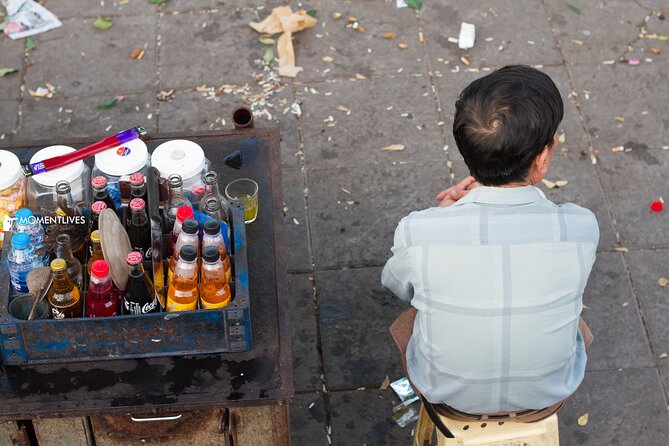
Hanoi looks great in daylight. But for photography, the better question is: when does it give you useful light and real activity? This tour is built around the answer. You start before normal routines kick in, which means you’re shooting when scenes are just forming and people are already working.
I like that the day is structured around getting you into the city at the moment when things are changing fast. Market life doesn’t politely wait for your camera settings—so you learn to react. And because the group is capped at four travelers, it’s easier for the guide to keep eyes on everyone’s framing and exposure.
If you’re the kind of person who hates rushing, this can still work—if you prepare. Wear comfortable shoes, keep your camera ready, and treat it like a workshop with boots on. One practical note: the tour lists a moderate physical fitness level, so expect walking and time spent on your feet.
You can also read our reviews of more tours and experiences in Hanoi.


Long Bien Market at first light: learning ISO and camera modes for real chaos
Long Bien Market is one of the busiest places in Southeast Asia, and the point of going there at dawn is not subtlety. You’re going to face movement, close-range action, and mixed lighting—then practice the basics that normally stay stuck in theory.
Here’s what you’re working on at the market:
- ISO technique: you’ll learn how to choose ISO without destroying your image with noise
- Camera modes: you’ll practice different modes so you don’t freeze when conditions change
- On-the-fly exposure decisions: people, cargo, and stalls shift constantly
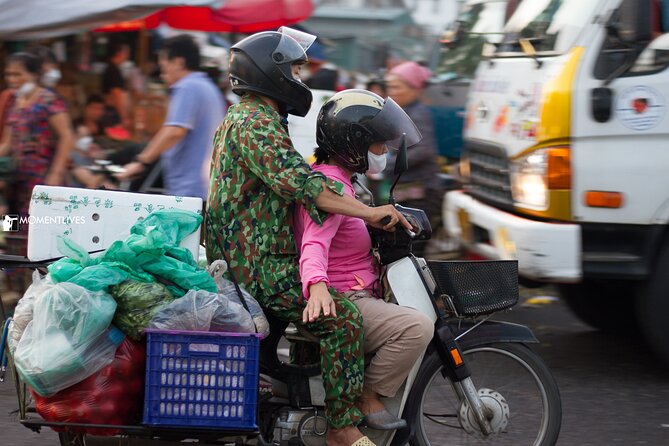
The market gives you that “photo training environment” feeling. There are cargoes carried and pulled through tight lanes, and the stalls are lit by small bulbs with different colors. That means white balance and exposure feel harder than they do on a normal street. It’s challenging—but it’s the kind of challenge that makes your next trip easier.
You’ll also be learning from angles. From a vantage point, you can frame the flow of people and objects—cart pulls, shoulder carries, and quick passes between stalls. The tour is designed so you can shoot hundreds of moments while improving how you plan your settings before pressing the shutter.
A small caution to get better photos (not just more photos)
The market can feel overwhelming if you don’t decide what you want to photograph. A smart tip from past participants is to go in with ideas. Pick a theme for the morning: motion and labor, close portrait moments, colorful stall lighting, or layering (foreground people plus background cargo movement). When you do that, your photos get stronger fast—because you stop chasing everything.
Momentlives photo coaching: more than walking around with a camera
This experience starts with Momentlives – Vietnam Photo Tours, where you’re photographing Hanoi at the beginning of the day. Think of this as the “setup” phase, where the goal is to get you ready to shoot instead of just getting transported.
What I like about this part is that it’s framed as a photo experience, not sightseeing. You’re given a structure that keeps you thinking about settings and composition. And because the tour includes a professional photographer guide, you’re not left to guess your way through the early morning chaos.
You should also expect a photo techniques & workshop element as part of the overall program. That’s where the tour earns its value. A good guide helps you turn real scenes into clear learning points, so you leave with habits you can reuse later—not just a memory card full of similar shots.
What to do before you go (to get your money’s worth)
If you have even a mid-level camera, bring it with your usual settings workflow. This kind of tour works best when you treat it like practice:
- Set a baseline you’re comfortable with
- Be willing to change settings quickly
- Review your results briefly so the next scene teaches you something
If you’re newer, ask the guide to point out why a setting works. If you’re more advanced, ask what they’d change in that exact lighting. Either way, you’ll get more from the experience when you actively compare what you did vs. what the guide suggests.

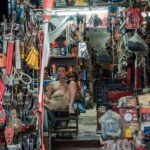
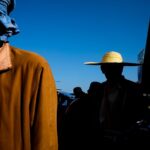
Old Quarter street scenes: turning market energy into street photos
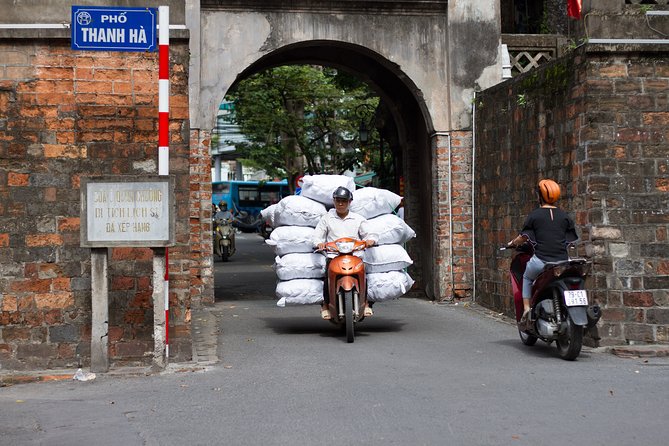
After the market practice, the tour continues into the Old Quarter for more photography. This is where you shift from “cargo action and stall light” into the kind of street storytelling Hanoi does so well.
The Old Quarter works for photos because it’s layered: narrow lanes, busy corners, and people moving through daily life. That lets you apply what you practiced in the market—especially your camera-mode thinking and exposure control. You’ll also start to see how the morning light changes street textures and faces.
One reason I recommend this section to photographers is that it gives you variety. If you only shot the market, your learning might get stuck in one lighting style. The Old Quarter lets you refine your approach and keep shooting with intention.
Possible highlight: flower stalls
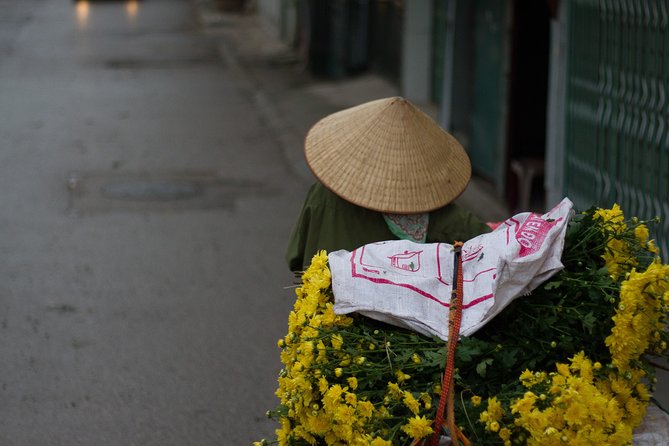
One past participant specifically called out the flower market area as a highlight. The tour data doesn’t promise the exact market type in every route description, but it does confirm you’re heading through early market scenes. If you spot flower sellers along your path, slow down. They’re excellent for color, texture, and close composition.
Timing, duration, and how not to fall apart at 3:45 am
The tour runs about 4 hours 30 minutes, and it kicks off very early. The start time is listed as 3:45 am, and pickup is offered. Some departures may involve pickup around 4:45 am to about 5:00 am, depending on where you’re staying and how the route is arranged.
That early start is not random. Dawn light is forgiving, the streets are less crowded than later, and market energy is high but still manageable for photography.
Here’s how to prepare so you stay sharp:
- Eat breakfast included, but don’t count on it feeling like a lazy morning
- Bring a layer: early mornings can be cool even in Vietnam
- Charge fully the night before; consider a second battery if you shoot a lot
- Expect active walking; comfortable shoes matter more than style
And don’t forget the practical downside: there’s no restroom on board. Plan bathroom breaks before you meet, and keep water in mind (water is included, so you’re covered there).
Price and value: what $110 buys you in the real world
At $110 per person for about 4.5 hours, the value depends on what you normally struggle with when photographing on trips.
This tour feels priced fairly if:
- You want hands-on guidance with camera settings like ISO and modes
- You’d rather pay for coaching than spend your vacation “figuring it out”
- You like small-group learning (max 4 travelers)
It’s also not just transport. You get:
- Hotel pickup and drop-off
- Air-conditioned vehicle
- Breakfast
- Coffee and/or tea
- Bottled water
- Admission ticket included
- Professional photographer guide
One small note that affects value: since there’s no restroom on board, you’ll want to handle that independently. That’s not a dealbreaker, but it’s part of the early-morning tradeoff.
Overall, this is a good deal if you care about improving photo results. If you only want a casual stroll, you might feel it’s too structured.
Lens choice and shooting strategy: why a 50mm prime is recommended
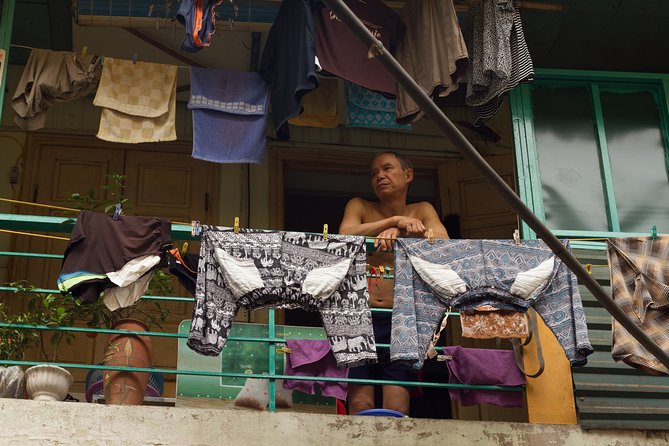
The tour specifically recommends a 50mm prime lens. You don’t have to be locked into that, but it’s a smart hint for what the guide wants you to practice.
A 50mm prime encourages:
- Cleaner framing in tight spaces
- Natural-looking perspective for street scenes
- Faster shooting decisions when you can’t rely on zoom
If you shoot with a zoom instead, you can still do well—just follow the same goal: practice settings first, then adjust framing. In a market with constant movement, the person who improves fastest is usually the one who’s comfortable changing settings quickly.
A simple on-the-spot game plan
As you move through Long Bien Market and then the Old Quarter, try this rhythm:
- Shoot one “test set” to lock your exposure approach
- Switch to one theme (motion, color lights, portraits, cargo)
- Capture a short burst from one position before moving
- After you move, repeat the cycle
This keeps your photos consistent and helps you actually learn.
Who this tour is best for (and who might want to pass)
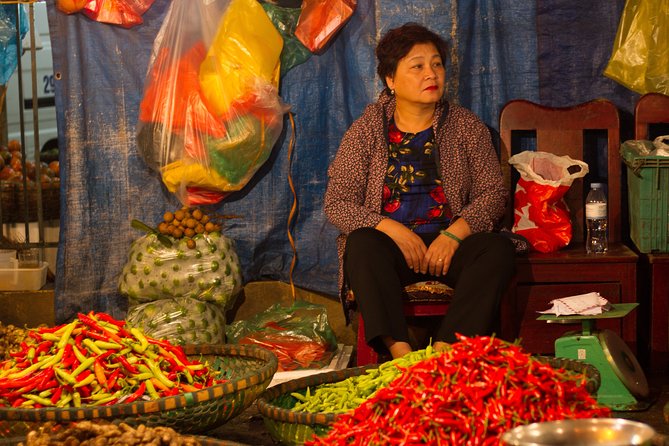
This works especially well for:
- Photography lovers who want practical coaching
- People who prefer small groups and real guidance
- Travelers comfortable walking early and getting a bit sweaty
- Anyone who likes structure but still wants authentic street scenes
It may feel like the wrong fit if:
- You hate mornings and get cranky before sunrise
- You need lots of downtime sitting around
- You’re not comfortable with moderate walking
The tour is also best if you’re traveling with at least one other person, since it requires a minimum of two people per booking.
Should you book the Hanoi by dawn photo tour?
I’d book it if you want photo improvement, not just photos. The combination of a professional photographer guide, Long Bien Market practice, and a market-to-Old-Quarter flow is a solid way to learn settings like ISO and camera modes while shooting real scenes.
It’s also a smart choice if you like that small-group feel. With a maximum of four travelers, you get more attention and less time wondering if your questions are getting lost.
Skip it (or think twice) if the early 3:45 am start sounds miserable, or if you really need restroom access during the ride. Also, if you’d rather wander with no plan, you’ll get more from this experience by going in with at least a couple photo ideas.
If you’re ready to work a little, this is one of those Hanoi tours that can level up your camera skills fast.
FAQ
What time does the tour start?
The start time is listed as 3:45 am.
How long is the Hanoi by dawn photo tour?
It’s about 4 hours 30 minutes.
Is hotel pickup and drop-off included?
Yes. Hotel pickup and drop-off are included.
What’s included in the price?
The tour includes coffee and/or tea, air-conditioned vehicle, bottled water, breakfast, all fees and taxes, a professional photographer guide, and the admission ticket.
Is there a restroom on board?
No. A restroom on board is not included.
How many people are in the group?
The tour has a maximum of 4 travelers.
Is there a minimum number of travelers?
Yes. A minimum of 2 people per booking is required.
What lens is recommended?
A 50mm prime lens is recommended.
What is the cancellation policy?
Free cancellation is available up to 24 hours in advance for a full refund.