REVIEW · HANOI
Photo Tour to Capture The Vanishing Craft of Making Fish Traps
Book on Viator →Operated by Momentlives Photography tours · Bookable on Viator
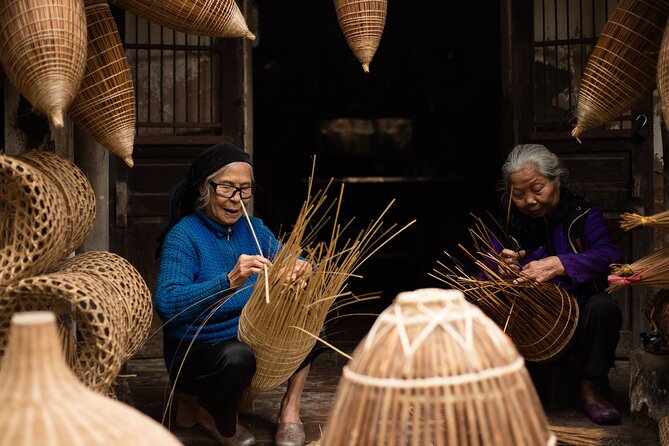
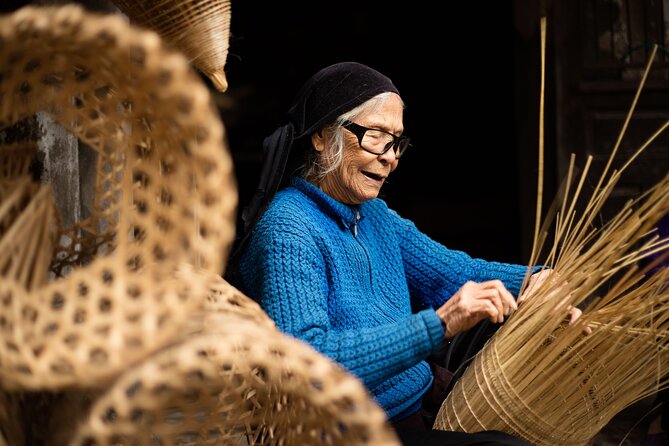
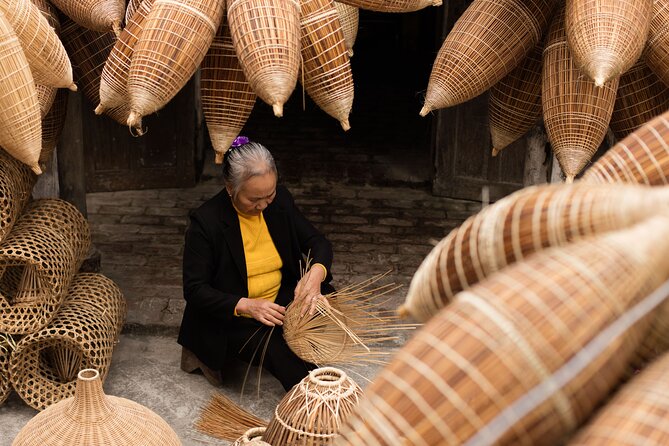
Fish traps might sound niche, but the craftsmanship here is pure visual drama. In Hung Yen, you’ll see elderly makers weaving bamboo into intricate traps, framed by a weathered old house that turns every shot into a story.
What I really like is the focus on hands-on tradition and the way the old architecture gives your photos instant texture and age. You’re not just collecting pretty pictures; you’re documenting a disappearing skill with a clear sense of place. One consideration: the experience is weather-dependent, and the full 4.5 hours includes travel time, so you’ll want to be comfortable with a tight schedule.
In This Review
- Key things you’ll notice on this photo tour
- Fish Traps in Hung Yen: Why This Craft Photo Stop Matters
- Your 4.5-Hour Game Plan in Hanoi and Hung Yen
- What You’ll Photograph: Hands, Bamboo, and an Old House Backdrop
- How the Local Photographer Coaching Helps Your Photos
- Price, What You Get, and How It Stacks Up
- Small-Group Size, Pickup, and Practical Comfort
- Weather, Timing, and Other Real-World Considerations
- What to Bring (So You Get More Keeper Shots)
- Who This Tour Fits Best
- Should You Book This Fish Trap Photo Tour?
- FAQ
- How long is the photo tour?
- Where does the tour take place?
- Is pickup available?
- How long do you spend at the fish trap craft stop?
- What’s included in the price?
- Are meals included?
- How many people are in the group?
- Do I get a ticket on my phone?
- What happens if the weather is bad?
- Is the booking changeable or refundable if I cancel?
Key things you’ll notice on this photo tour
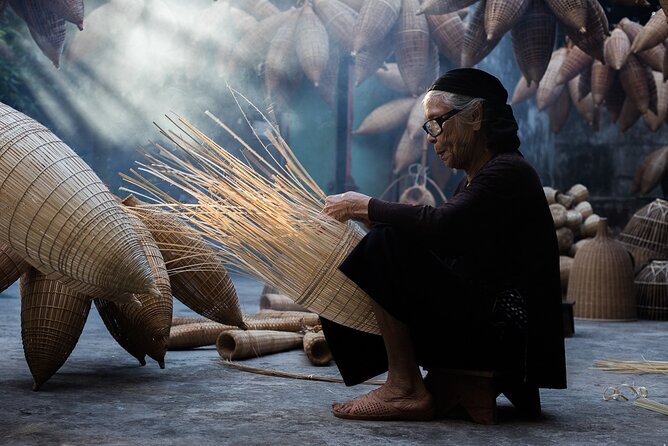
- Hung Yen craft village setting: an aged house backdrop that makes bamboo work look even more dramatic
- 2-hour main shooting window: enough time to work angles and details without rushing
- Small group of up to 4: easier pacing, quieter shooting, and more personal guidance
- Local escorted photographer: on-the-spot help for composition and practical photo choices
- Air-conditioned vehicle + bottled water: basic comfort while you travel between points
- Free admission for the stop: the itinerary is built around the craft site, not extra ticket shopping
Fish Traps in Hung Yen: Why This Craft Photo Stop Matters
This tour is built around a craft that’s being carried by a small number of older artisans. You’ll be photographing people doing careful work with bamboo and other natural materials, turning raw pieces into functional fish traps with patterns that only make sense when you watch the process. It’s the kind of scene that gives you both close-up detail and wider environmental context, which is exactly what makes craft photography feel alive.
The old house matters because it frames the whole meaning of the day. When you shoot hands against weathered walls, you get contrast: the makers look like they belong there, and the craft looks grounded in daily life rather than staged for a camera. That contrast is hard to fake anywhere else.
And because the focus is the “vanishing craft” angle, the emotional payoff is different than a typical photo stop. You’re not just chasing a subject; you’re capturing technique, patience, and the look of work that’s not replaced by machines yet.
You can also read our reviews of more tours and experiences in Hanoi.

Your 4.5-Hour Game Plan in Hanoi and Hung Yen
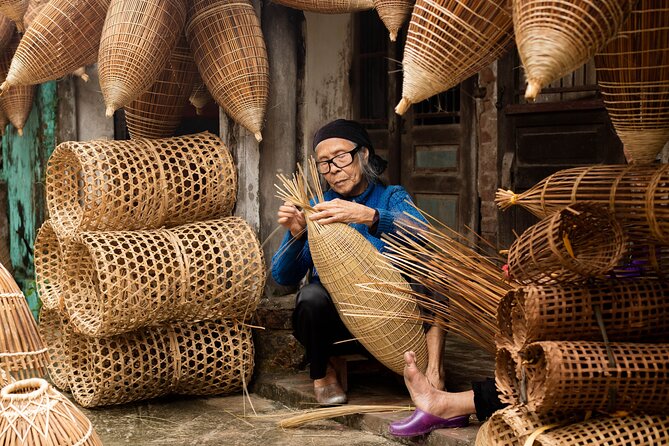
The schedule is refreshingly simple. You’ll start with transportation in an air-conditioned vehicle (pickup is offered), then you’ll head to Hung Yen for the core portion: about 2 hours on site. That 2-hour window is your working time—enough to get a few wide-story frames, then switch to tighter detail shots as the weaving happens.
The total duration is listed at about 4 hours 30 minutes, including travel time. For planning, that means you’re working like a half-day shooter: you show up, you get your angles, you make your sequence, and you head back without spending your day in transit.
Your time on site is also structured enough that you can focus on photography rather than logistics. Admission at the craft stop is free, and bottled water is included, so you don’t need to worry about squeezing in extra stops just to keep the day comfortable.
If you’re a photographer who likes to linger for “just one more” composition, the time constraint is the main thing to watch. Still, with up to 4 people in the group, the pacing tends to feel more controllable than a big tour bus scenario.
What You’ll Photograph: Hands, Bamboo, and an Old House Backdrop
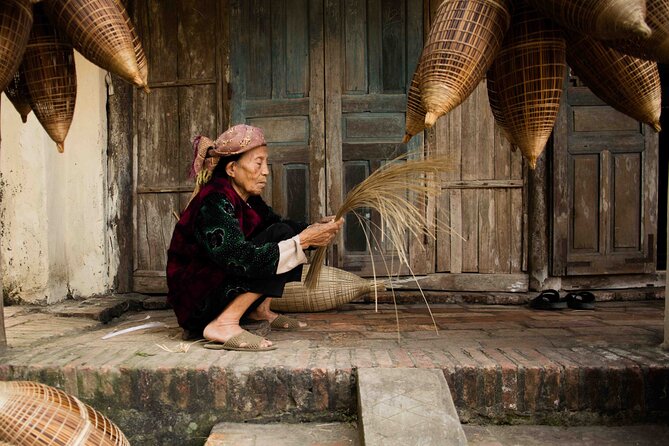
This is a craft tour, not a wildlife safari. Your strongest images will likely come from three types of shots:
First, close details of the weaving. Bamboo textures, tension points, and how materials bend and lock together make for great macro-style storytelling even if you’re not using a dedicated macro lens.
Second, shots that include the makers’ hands against the surrounding environment. The tour’s description leans hard into the visual contrast between aged hands and aged walls. That contrast reads instantly to viewers, even if they don’t know anything about fish traps.
Third, wider frames that show process in context. The old, weathered house isn’t just background—it helps your images feel like a place people actually live in and work in, not a set.
One practical tip you can apply immediately: treat the weaving like a short moving narrative. Start with a wider “where we are” frame, then move to hand-level details as the weaving progresses. That gives your photo set a beginning, middle, and end, instead of a pile of similar close-ups.
How the Local Photographer Coaching Helps Your Photos
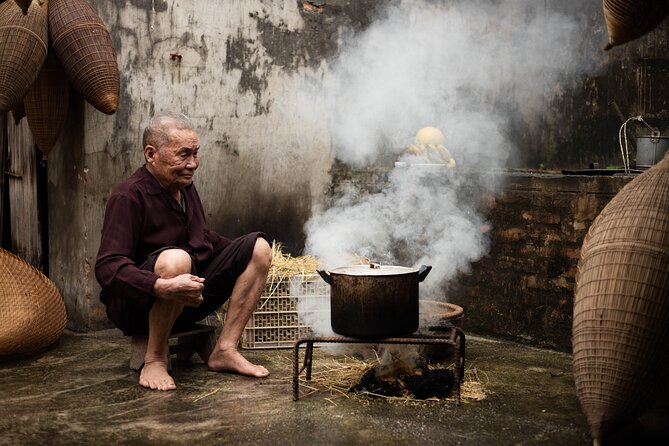
A big value piece here is the local escorted photographer. Even if you’re an experienced shooter, craft photography can be tricky because the best angles depend on timing—when hands are positioned just right, when materials align, and when the light hits the bamboo texture. Having a guide who can nudge your composition helps you spend less time guessing.
From the style of feedback associated with Momentlives photo tours, the coaching tends to focus on practical improvement: angle choices, composition thinking, and lighting considerations that matter in real working scenes. In other words, you’re not just left with a subject; you get help translating what you see into a frame that tells a story.
If you’re newer to photography, this kind of on-site guidance can save hours. It’s easy to arrive at a craft setting and photograph the wrong thing—too far away, wrong height, or a background that distracts from hands. Coaching helps you prioritize what the viewer should notice.
If you’re advanced, it still helps because you can use the craft sequence as a “ready-made assignment.” You get to test techniques—like tightening your framing for material texture—while someone nearby keeps you pointed at useful perspectives.
Price, What You Get, and How It Stacks Up
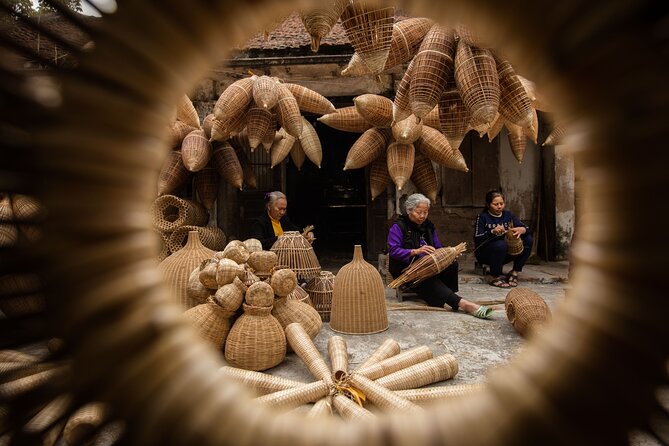
At $168 per person for about 4.5 hours, this isn’t a bargain deal. But it also isn’t trying to be one. The value is in the combination: transport, a small group, bottled water, free admission for the stop, and a photo-focused guide.
Let’s break it down in plain terms. If you hired a photographer for a few hours, booked your own vehicle, and paid entry fees, you’d likely spend similar money—often more. The difference here is that the craft site is the point of the day, and the guide is there to help you get usable images within the time you’re given.
Also, the group size matters. A max of 4 travelers usually means less waiting and less crowding around your shot. For craft scenes where hands and materials are the subject, crowding can ruin timing. Small-group value is real value here.
On the flip side, meals are not included. That’s not a dealbreaker, but it does mean you should plan your food schedule around the tour so you don’t get hungry and distracted.
Small-Group Size, Pickup, and Practical Comfort
This tour runs with a maximum of 4 travelers, which is a sweet spot for photography. You get enough people for a lively group dynamic, but not so many that the craft space feels crowded. That tends to make it easier to ask questions, reposition for shots, and keep the pace moving.
Pickup is offered, which reduces hassle if you’re staying somewhere central in Hanoi. You also get an air-conditioned vehicle, a bottled-water setup, and all fees and taxes included. Those “boring” items add up. It’s one less layer of planning you need to do before you ever lift your camera.
What you don’t get is meals. Since the main activity is a 2-hour block, you’ll likely want to eat earlier in the day or be ready for a quick stop after. If you’re sensitive to hunger while shooting, plan ahead so you can stay focused.
Also, confirmation is received at the time of booking, and the experience uses a mobile ticket. Those details matter more than they sound when you’re on a tight travel schedule and don’t want last-minute friction.
Weather, Timing, and Other Real-World Considerations
The experience requires good weather. That’s a fair condition for an outdoor craft setting with people working in real space. If conditions are poor, you may be offered a different date or a full refund. Practically, it’s best to book with some flexibility in your itinerary so you don’t end up stuck on a single day with no alternatives.
The other timing detail is the built-in rhythm of the day. You have a short main stop (about 2 hours) and a longer total duration because of travel. This setup suits people who like structure. If you prefer long, slow wandering with lots of time gaps, this might feel a bit scheduled.
Another consideration is that the tour focuses on one main craft stop. You’re not getting a multi-village “tour of everything.” Instead, you’re spending your time in a single place with a strong theme: the making of fish traps. If that focus matches your interests, you’ll likely get more satisfying photo sets.
What to Bring (So You Get More Keeper Shots)
Because the subject is small and hands are the star, your best friend is control. Bring a camera setup that lets you switch between wider frames and tight details without a big ordeal. If you have a zoom lens, it can be handy for re-framing quickly when artisans change hand position.
You’ll also want:
- A lens cloth or wipe for bamboo dust and fingerprints
- Extra batteries (craft sessions are active and you’ll shoot a lot)
- Comfortable shoes, since you may be moving and repositioning for angles
- A light layer if you’re sensitive to AC-to-outdoor temperature shifts
No special clothing is stated, so keep it practical and respectful. Craft photography isn’t about hiding in gear; it’s about being present and steady while the work happens.
And since bottled water is included but meals aren’t, plan your energy. A quick snack before you leave Hanoi can help you stay sharp for the best weaving moments.
Who This Tour Fits Best
This photo tour fits photographers who want story-driven craft images, not just landmarks. If you enjoy close-up detail, human hands at work, and textured backgrounds, you’ll probably click with the subject matter.
It’s also a good fit for:
- People who want small-group support from a local escorted photographer
- Shooters who benefit from composition and lighting coaching
- Travelers who prefer a focused half-day activity with clear time blocks
If you’re the kind of traveler who wants lots of variety in one day—multiple crafts, many locations, a wide sightseeing mix—this might feel narrow. But if you value depth over breadth, that narrow focus is exactly the point.
Should You Book This Fish Trap Photo Tour?
I’d book if you’re after photos with meaning: aged hands weaving bamboo, set against an old house that adds texture and emotion. The small group size, free admission at the stop, air-conditioned transport, bottled water, and a local photo escort make it a practical package for people who want to shoot well without turning the day into logistics.
I wouldn’t book if you need long downtime, meals included, or a big variety of locations in one afternoon. Also, if your trip has only one possible day in Hanoi for this kind of activity, remember the weather requirement—schedule with some breathing room.
If your goal is to return with a set of images that look like they belong together, this craft-focused tour gives you a clear theme, enough time to work your angles, and guidance that helps you turn observation into strong frames.
FAQ
How long is the photo tour?
The tour duration is approximately 4 hours 30 minutes, and this includes travel time.
Where does the tour take place?
The tour is in the Hanoi, Vietnam area, with the main craft stop in Hung Yen.
Is pickup available?
Yes, pickup is offered.
How long do you spend at the fish trap craft stop?
The stop is about 2 hours, and admission for that stop is free.
What’s included in the price?
Included are an air-conditioned vehicle, all fees and taxes, bottled water, and a local escorted photographer.
Are meals included?
No, meals are not included.
How many people are in the group?
The tour has a maximum of 4 travelers.
Do I get a ticket on my phone?
Yes, the tour uses a mobile ticket.
What happens if the weather is bad?
The experience requires good weather. If it’s canceled due to poor weather, you’ll be offered a different date or a full refund.
Is the booking changeable or refundable if I cancel?
This experience is non-refundable and cannot be changed for any reason.