REVIEW · HANOI
Hanoi by Night Photo Tour
Book on Viator →Operated by Vietnam in Focus - Day Tours · Bookable on Viator
Hanoi after dark turns streets into a photo studio. This small-group evening photography tour is led by a professional and walks you through the Old Quarter into Long Bien with practical night-technique coaching. I love that you get both hands-on shooting practice (long exposures, shutter speed changes, panning) and real-time instruction, including a photo review at the end; the one thing to keep in mind is that the experience depends on good night weather and you’ll be walking on uneven pavement.
You’ll start at the Old City Gate to understand how to handle darkness and mixed light, then head toward Long Bien for close-up action, portraits, and market detail shots. If you’re hoping for a purely scenic stroll with no photography focus, this isn’t that kind of tour, but if you want to leave with sharper images and a clearer sense of why they work, it’s a smart buy for $119.
In This Review
- Key Highlights You’ll Care About
- Old City Gate: Learning Night Settings Where the Light is Already Doing the Work
- From Overpass to Under-Bridge Angles: Framing Hanoi Market Movement
- Long Bien Market: Portraits, Shutter Speed, and Details You Can Actually Use
- The Tea-Shop Photo Review: Turning Good Ideas Into Better Images
- Pickup, Small Group Size, and Why That Matters for Night Shooting
- Price and Value: What $119 Buys You in Real Photo Skill
- Who This Tour Fits Best (and Who Might Want a Different Option)
- How to Prepare So You Get the Most from Night Street Photography
- Should You Book Hanoi by Night Photo Tour?
- FAQ
- What is the start time for the Hanoi by Night photo tour?
- How long is the tour?
- How much does the tour cost?
- What does the tour include?
- Is pickup offered?
- What is the group size limit?
- Where do you go during the tour?
- Are there any admission fees during the stops?
- What happens if the weather is poor?
- What is the cancellation policy?
Key Highlights You’ll Care About
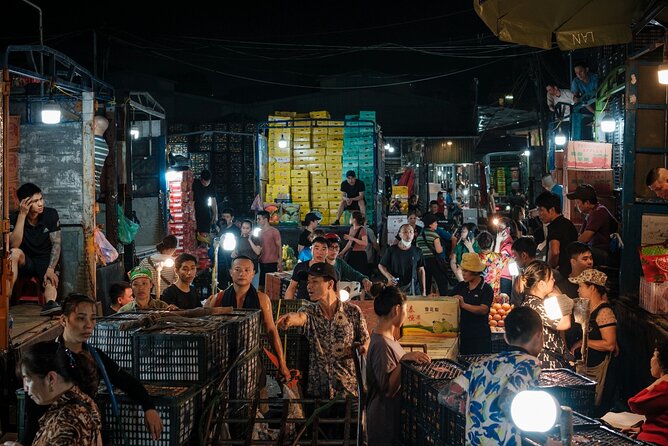
- Professional photographer guide focused on settings, composition, and what to do next
- Small group (max 5) for personal attention and slower, teachable moments
- Old City Gate long-exposure practice using traffic light-streams and night lighting
- Long Bien Market shooting lab for intimate worker portraits, shutter-speed storytelling, and detail shots
- Tea-shop photo review to select images and improve from feedback on the spot
Old City Gate: Learning Night Settings Where the Light is Already Doing the Work
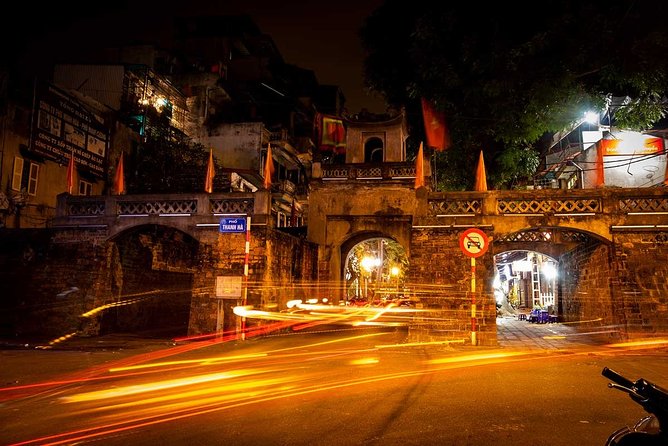
The tour kicks off at 7:30 pm, and that timing matters. Hanoi’s night lighting gives you strong contrasts fast—neon signs, street lamps, headlights, and the glow spilling out from the market edges. That’s perfect for night photography lessons because you don’t have to wait for magic; it’s already there.
At the Old City Gate, you’ll get a guided walkthrough of night-photo settings with an emphasis on how to adjust for what the camera sees versus what your eyes notice. The instructor focuses on practical tweaks that help your shots look intentional instead of random: how to treat the light in the scene, how to use longer shutter times, and how to set up for street compositions that include movement.
Then you move into long exposure territory. The instruction is geared toward capturing light-streams from traffic as they pass through the gate area. This is a great way to understand one of night photography’s biggest rules: in low light, motion becomes a design element. If your shutter speed is too fast, you get stopped action. If it’s slow enough, the city’s movement turns into lines and flow. You learn to aim for the feel you want rather than hoping it happens automatically.
You also cross toward the direction of Long Bien and get a lesson in moving through real streets rather than photographing empty backdrops. You’ll weave through lively market life, with locals carrying produce and traders doing quick, efficient work. That’s not just cultural color—it’s composition training. When people and bicycles move through frame at night, you learn how to anticipate and how to keep your subject from turning into a blur blob.
One drawback to consider: the route is active and you’ll be on your feet. If you’re sensitive to walking on uneven surfaces at night, plan for slower steps and keep an eye on your footing while you’re concentrating on camera settings.
You can also read our reviews of more tours and experiences in Hanoi.

From Overpass to Under-Bridge Angles: Framing Hanoi Market Movement
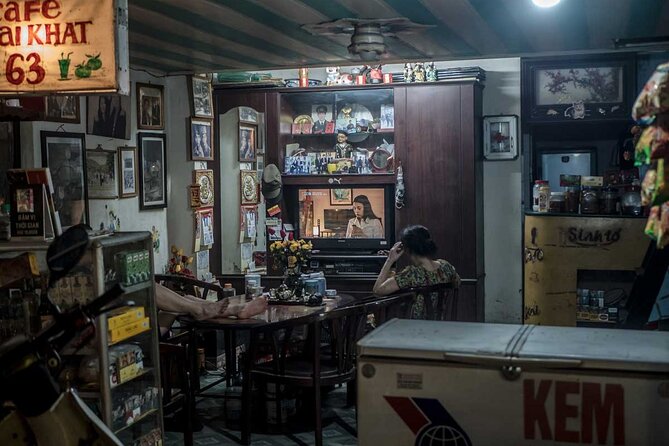
Between the Old City Gate area and Long Bien, you’ll get what I call “angle education”—small changes in where you stand make a huge difference at night. The tour specifically takes you across an overpass and then down toward market activity where the scene opens up in layers: traders in the mid-ground, couriers moving through the foreground, and lighting that creates depth.
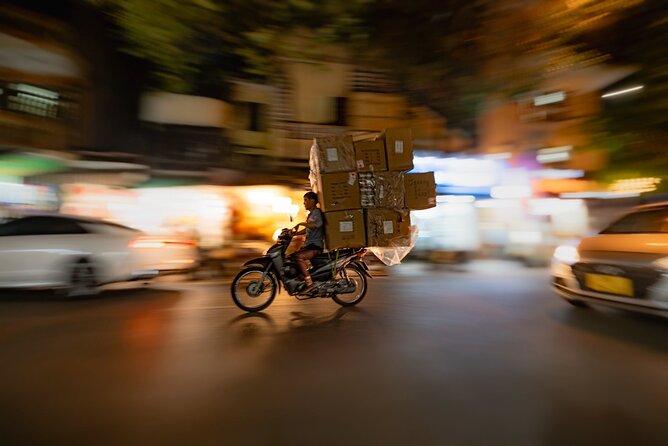
A key focus here is how to photograph movement without losing your composition. You’ll look for moments where motion guides the viewer’s eye: loaded bikes rolling past, couriers threading through traffic, and people carrying goods in ways that feel practical, not posed.
Under the bridge, the atmosphere changes. Stalls near the underside of infrastructure give you unique framing: darker background zones, stronger highlights, and photo opportunities that feel more intimate because the scene is closer and more directional. This is also where you get a natural practice space for panning-style shots—again, this isn’t theory-only. You’re guided to try shots while the scene is actively happening.
This part of the tour is valuable if you want images that feel lived-in. Many people leave Hanoi with good shots of landmarks. This tour nudges you toward the night stories: who’s moving, what they’re carrying, and how light shapes the mood.
Long Bien Market: Portraits, Shutter Speed, and Details You Can Actually Use
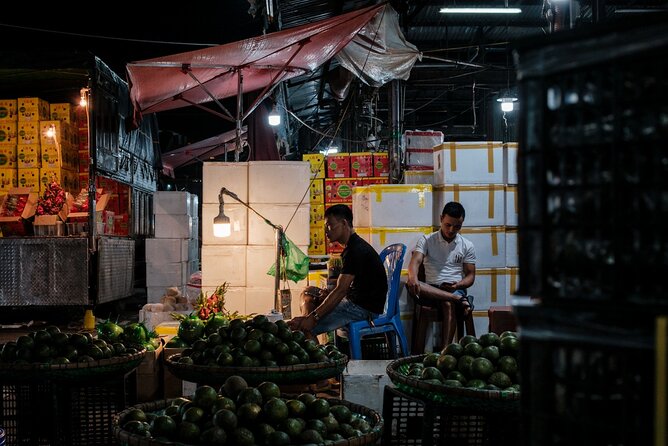
Long Bien market is where the photography goals get more specific, and it’s where you’ll likely learn the most quickly. The tour shifts into a deeper practice mode: intimate worker shots, action during sorting and selling, and candid portrait opportunities created by the rhythm of people doing their jobs.
Inside Long Bien Market, the focus is on building pictures around people and the work they’re doing. You’ll work on intimate relationship shots—images that feel close and human rather than distant and documentary-flat. The instruction includes techniques for capturing action in a way that still looks structured. That’s a big deal because markets don’t stop for your camera. You learn to let the scene move, while you keep control of your frame.
Then you’ll spend time with the fish market side of the experience. This is a night photography lesson disguised as dinner inspiration. You’ll practice different shutter speeds to create dynamic scenes of workers sorting seafood. Faster speeds help freeze key moments; slower speeds can create motion texture. The instructor’s emphasis is on seeing how shutter speed changes the emotional feel of the action, not just whether the photo is sharp.
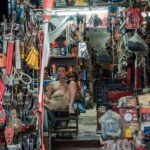
You also get time for detail shots—tools, goods, and the small objects that make a market look real. This matters for two reasons. First, details are often easier to nail technically than faces in motion. Second, details help you build a photo set, not just a handful of impressive frames.
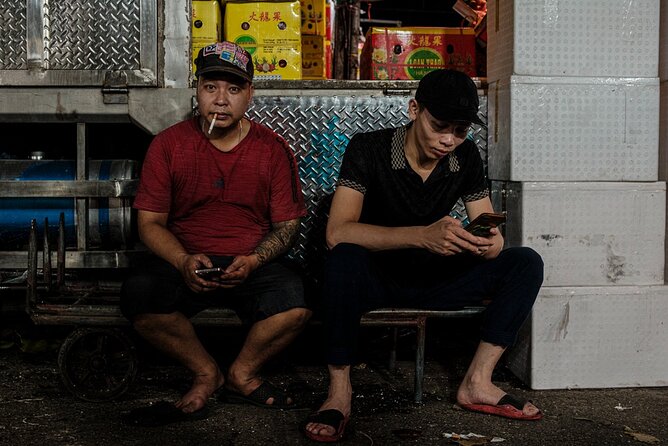
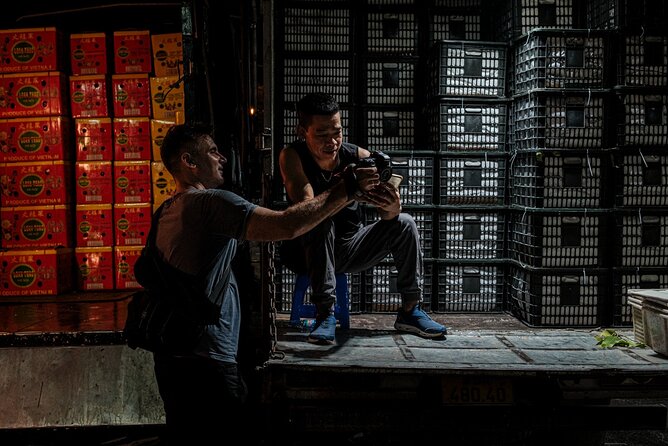
A final shooting focus in the market is candid portraits of couriers on their trucks. This is where the earlier walking practice pays off. You’re learning to spot timing—when someone looks up, when a movement aligns with available light, and when your shutter speed works with the pace of the scene.
In case you’re wondering about energy: this stop is longer because the instruction and practice need time. The tour schedule sets it as the main block, and you’ll finish this market session with a stronger understanding of how to plan your next shot before you even press the shutter.
The Tea-Shop Photo Review: Turning Good Ideas Into Better Images
After the shooting time at Long Bien, the tour ends at a tea shop near the market. This is more than a rest break. It’s where your learning gets locked in.
You’ll review and select photos, and the guide shares feedback aimed at improving your photography skills. That feedback is valuable because it connects technique to outcome. Instead of you guessing why something worked, you get a clear explanation tied to what you shot: what settings helped, how the composition read, and what to adjust next time.
This review step is one of the tour’s biggest strengths. Many photography tours stop right after you take pictures. This one gives you a chance to see your results and correct your habits while the scene is still fresh in your mind. If you’re a beginner, it helps you understand composition basics fast. If you’re more experienced, it’s a useful chance to tighten decision-making under real night conditions.
From what’s been shared by people who joined similar groups, the guide style often blends camera control with composition coaching, and even connects photography choices to how the city itself works at night. In one group example, a guide named Tung Phan (and also Bryan Ng and Tung Vu on other dates) was praised for mixing practical camera instruction with a stronger sense of Hanoi and how to compose around it.
Pickup, Small Group Size, and Why That Matters for Night Shooting
There’s pickup offered, and for a night tour in Hanoi, that’s not a small detail. Getting everyone to the same meeting point without stress helps you start shooting on time and keeps the group focused.
The group size is capped at max 5 travelers, which changes the feel right away. It means the guide can watch your framing, suggest a setting change, and help you reset without the usual rush. Night photography often fails because people don’t get enough chances to correct what’s wrong—blur, underexposure, mixed lighting, or a composition that doesn’t hold together. A small group gives you more repetition.
Also, the schedule is built around walking between photo areas. In a bigger group, you’d spend more time moving and less time practicing. Here, you’re in the streets long enough to try, learn, and try again.
One more practical point: the tour uses a mobile ticket, and confirmation is received when booking. That kind of simplicity helps you spend more time enjoying the night and less time figuring out logistics.

Price and Value: What $119 Buys You in Real Photo Skill
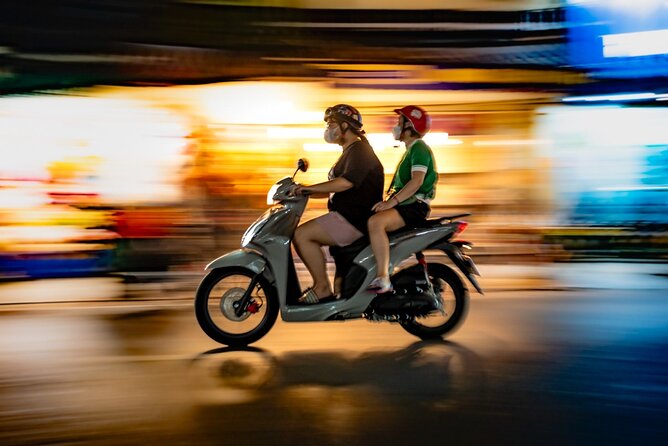
At $119 per person for about 4 hours, you’re paying for three things: a professional photographer guide, guided night technique practice, and structured feedback at the end.
Here’s how the value makes sense:
- You don’t just get a route through markets. You get night photography instruction tied directly to what you’re photographing: long exposures at the Old City Gate, shutter-speed storytelling at the fish market, and movement-friendly framing during street transitions.
- You’re not left alone to interpret your own photos. The tea-shop review and feedback helps shorten the learning curve.
- The small group size means the instruction time is meaningful, not diluted.
What you’re not getting is a full-day itinerary with lots of stops and free time to wander without direction. This tour is concentrated on photography learning. If you want a night market experience plus deep shooting practice, that focus is a strength.
Who This Tour Fits Best (and Who Might Want a Different Option)
This works best if you fall into one of these groups:
- You enjoy photography and want a structured way to improve at night, not just take pictures
- You’re curious about Hanoi’s night market life and want close access to the scenes people actually work in
- You want a guide who can explain settings and composition in a way that helps your images look intentional
It may not be ideal if you:
- Want a relaxed sightseeing walk with no photography coaching
- Don’t like walking at night or standing for long periods while adjusting camera settings
The best part is the balance. You get street atmosphere and market detail, but you also get the camera knowledge that turns that atmosphere into pictures you’ll actually be proud of later.
How to Prepare So You Get the Most from Night Street Photography
The tour doesn’t list specific gear requirements, so I’ll keep this practical and flexible. Before you go, think about how you’ll use your camera (or phone) in low light. Night markets tend to have mixed lighting—warm lamps, cool signs, and bright highlights from stalls.
A simple checklist that helps your photos improve quickly:
- Make sure you know how to change exposure controls (even basic controls can help)
- Be ready to try longer exposures and shots with motion
- Wear shoes that work for walking and stepping carefully at night
- Bring a small layer for comfort if the evening feels cool
- Expect to review and select photos at the end, which means you should shoot with intention, not just spray-and-pray
If you’re worried about skill level, the tour says most travelers can participate. The instruction is practical, so you don’t need to arrive as a pro.
Should You Book Hanoi by Night Photo Tour?
I’d book this if you want a night in Hanoi that’s more than sightseeing. The combination of professional guidance, market access, and a real photo review makes the experience worth the $119 price tag, especially with the small group limit of 5.
Book it when:
- You want to learn night photography in the field with guided practice
- You care about capturing portraits, action, and details—not only street scenes
- You like the idea of finishing with feedback and chosen favorites
Skip it if:
- You want a casual walk with no technical focus
- Weather can’t be flexible for you, since the experience requires good conditions and may be rescheduled or refunded
If you’re craving photos that feel like Hanoi at night—real people, movement, and light—this tour gives you the method to actually get them.
FAQ
What is the start time for the Hanoi by Night photo tour?
The tour starts at 7:30 pm.
How long is the tour?
It runs for about 4 hours.
How much does the tour cost?
The price is $119.00 per person.
What does the tour include?
It includes a professional photographer guide.
Is pickup offered?
Yes, pickup is offered.
What is the group size limit?
The tour has a maximum of 5 travelers.
Where do you go during the tour?
You’ll visit the Old City Gate, then head toward and into Long Bien Market, and you finish at a tea shop near the market.
Are there any admission fees during the stops?
The admission ticket is listed as free for the first stop, and the tour information you have shown does not mention paid admissions for the other stop.
What happens if the weather is poor?
This experience requires good weather. If it’s canceled due to poor weather, you’ll be offered a different date or a full refund.
What is the cancellation policy?
You can cancel up to 24 hours in advance for a full refund. If you cancel less than 24 hours before the start time, the amount paid will not be refunded.