REVIEW · HO CHI MINH CITY
Saigon Railway Village Photo Tour
Book on Viator →Operated by Vietnam in Focus - Day Tours · Bookable on Viator
Saigon Railway Village at dawn is a real eye-opener. This 4-hour photo tour focuses on street photography along the tracks, guided by a professional photographer who helps you turn a chaotic morning into clear picture stories. You start at Saigon Railway Station, work through camera settings, then go out to capture life as trains come through.
I especially like the small group size (max 5). That usually means more time for hands-on coaching, plus you’re not just standing in a crowd waiting your turn. And I like the fact that the tour is built around learning: settings review first, then real practice immediately after.
One consideration: it’s an early 5:30 a.m. start and the experience depends on good weather. If you’re not into mornings, this will test your alarm clock skills, and bad weather can shift plans.
In This Review
- Key things that make this tour worth your time
- Why the railway tracks work so well for street photos
- The 5:30 a.m. rhythm: what your morning looks like
- Coaching that targets your camera, not just your location
- The old steam locomotive stop: context before chaos
- Shooting the railway village: trains, people, and fast decisions
- Coffee, noodles, or banh mi: plan for breakfast with realistic expectations
- Price and value: $119 for a taught morning, not a bus ride
- Who this tour suits best (and who should skip it)
- Practical tips so your photos come out stronger
- Weather, trains, and other real-world factors
- Should you book Saigon Railway Village Photo Tour?
- FAQ
- What time does the Saigon Railway Village Photo Tour start?
- How long is the tour?
- Where does the tour begin?
- Is pickup included?
- How much does it cost?
- What’s included in the tour price?
- Is food and drinks included?
- How large is the group?
- What if the weather is bad?
- Is there free cancellation?
Key things that make this tour worth your time
- 5:30 a.m. departure from Saigon Railway Station for golden morning light and early action
- Professional photographer guide with camera settings review and story-building advice
- Small group (up to 5) so you get more individual help
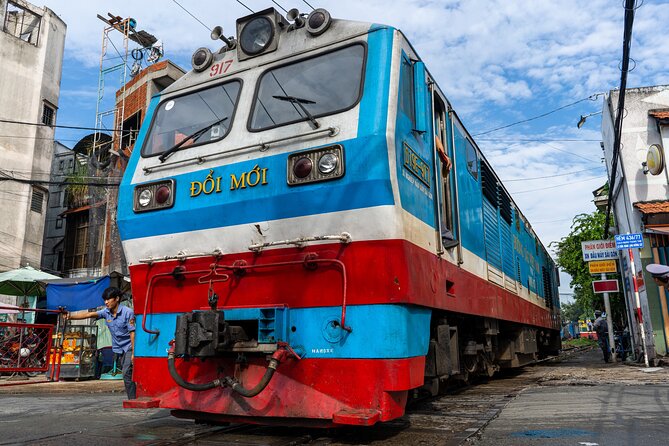
- Saigon’s railway-village scenes near the tracks as trains roll in
- Hotel pickup and 2-way transfers from central HCMC (when offered) to avoid self-drive stress
- Local breakfast is mentioned, but food/drinks are listed as not included—plan accordingly
Why the railway tracks work so well for street photos
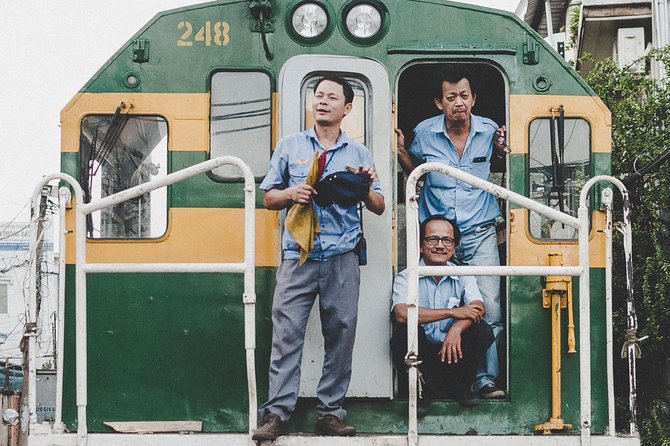
Ho Chi Minh City has plenty of photography spots, but the railway village is different. You’re not just photographing a landmark. You’re photographing people moving, waking up, working, and doing normal life right where the trains thread through the neighborhood. That’s a recipe for strong street shots—especially early, when the light is softer and eyes are easier to catch.
This tour also takes a smart approach: it doesn’t start with running around. You begin at Saigon Railway Station with an intro to the tour and a camera settings review. Then you talk about how to create a picture story, not only one perfect frame. That matters because railway photos can get repetitive fast if you’re only chasing the train. The teaching angle helps you keep variety: faces, details, and moments that explain the scene.
The station start gives you a clean launch point too. You’ll have the old steam locomotive near the entrance as an early anchor for context—useful if you want your photos to feel like they belong together, not just a pile of images.
You can also read our reviews of more tours and experiences in Ho Chi Minh City.



The 5:30 a.m. rhythm: what your morning looks like
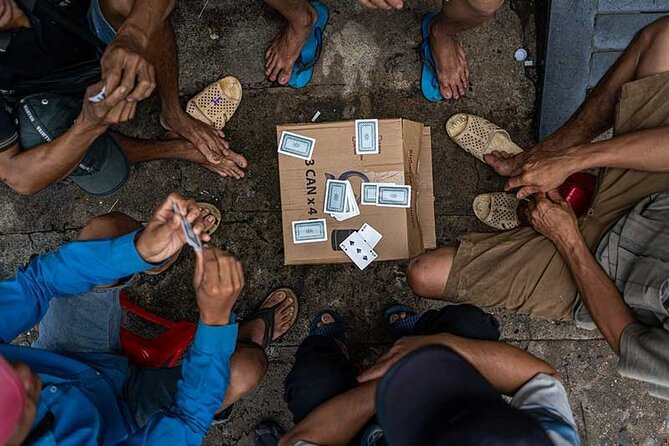
The tour starts at 5:30 am, meeting at Saigon Railway Station. Morning photos are a timing game: the light changes quickly, and the neighborhood activity is still ramping up. Starting early helps you catch the area in that in-between moment—when you see routines beginning without the full crush of later hours.
The flow is straightforward:
- You meet, get an intro, and review camera settings
- You get coaching on how to build a picture story
- You begin shooting right away around the station and nearby subjects
- Then you move toward the railway village scenes where life happens by the tracks
Because it’s about street photography, expect the day to be active. You’ll be walking and repositioning often, and you’ll likely be asked to try different angles—not just wait for the train to arrive. That’s where the “pro guide” part really pays off. In a place like this, it’s easy to aim too wide or miss the best moment; a guide can help you frame quickly.
Also note the group limit: up to 5 travelers. With that size, you’re less likely to get stuck watching someone else shoot while you wait.
Coaching that targets your camera, not just your location
What I like about this tour is that it’s not only about where to stand. You get a professional photographer guide who leads a settings review and helps with technique. One review mentions how a guide’s instruction was technical and composition-focused, and another praises specific help with angles and improving shooting for the rest of the trip. That kind of teaching is what turns a tour into learning, not just a morning outing.
In practical terms, you can walk away with a better way to think about:
- Exposure and settings choices in early morning light
- Composition (how to place subjects in the frame)
- Timing (when to shoot before, during, and after a train passes)
- Story sequence (so your photos explain what you saw)
You might be tempted to bring gear you don’t really know how to use yet. My advice: bring what you already shoot with, and let the guide help you get the most from it. The tour is built around giving you settings guidance for the scene you’re in, not teaching you a brand-new camera system on the spot.
If you’re lucky enough to get one of the guides highlighted in past experiences—Eileen, Paul, Juan, Adrien, or Victor—you’re also likely to get a friendly, detail-minded style. Multiple guides are mentioned for strong composition and teaching. That’s a good sign when you’re paying specifically for instruction.
The old steam locomotive stop: context before chaos
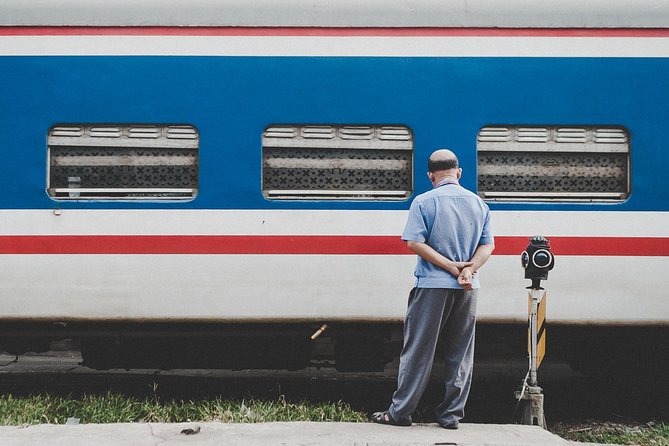
Railway village photography works best when you can explain the location in your images. Starting near the station’s old steam locomotive gives you that context early. You can photograph it like a heritage detail, then use it as a starting point for a visual story: history at the edge of daily life.
This is also a helpful moment if you’re nervous about shooting in public. You have something solid to frame first, and it sets a tone before you move into more direct street scenes with people and trains.
Shooting the railway village: trains, people, and fast decisions
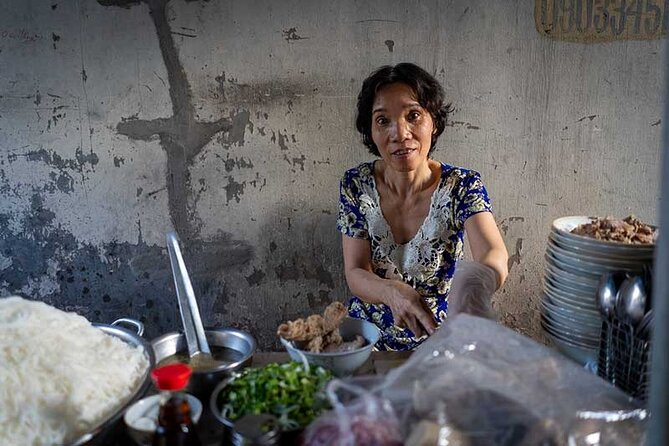
Once you’re in the railway-village zone, your main challenge becomes timing and positioning. Trains change everything: they bring movement, sound, and a brief burst of drama. People near the tracks also tend to keep going, which lets you capture both human routine and the train action without forcing it.
Here’s how to think about your shots during this part:
- Get one or two frames that show the environment (where you are)
- Add portraits or close details that show who lives and works here
- Capture moments that link to the train (waiting, reacting, moving, passing)
If you try to shoot only the train, you’ll end up with a set of similar images. The tour’s picture-story focus helps you avoid that by nudging you toward variety—so your album reads like a real morning, not just repeating peaks of motion.
Also, sunrise light can flatter faces and make textures more readable. The guides’ coaching is the difference between “nice photo” and “this photo tells the story.”



Coffee, noodles, or banh mi: plan for breakfast with realistic expectations
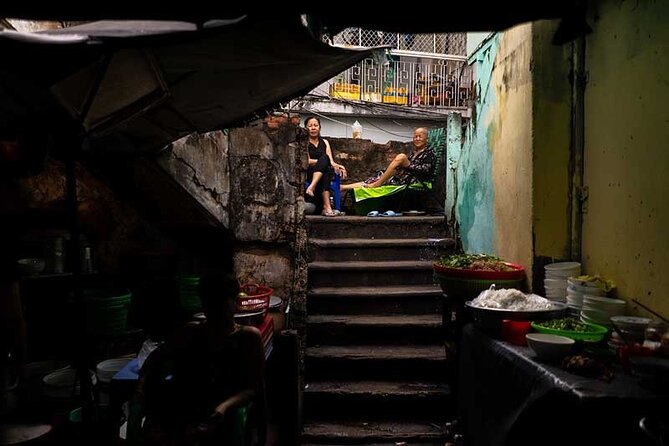
The tour overview mentions a local breakfast of coffee and noodles or banh mi. But the listing also says food and drinks aren’t included. So the safe way to handle this is simple: assume you may have a breakfast stop as part of the experience, but don’t rely on it being fully covered in your $119 price.
If you’re someone who gets hungry at 6 a.m., pack that logic into your planning. Bring a little extra cash, and treat breakfast as something that’s either provided at a stop or paid along the way—so you don’t get surprised when you’re ready for your meal.
Price and value: $119 for a taught morning, not a bus ride
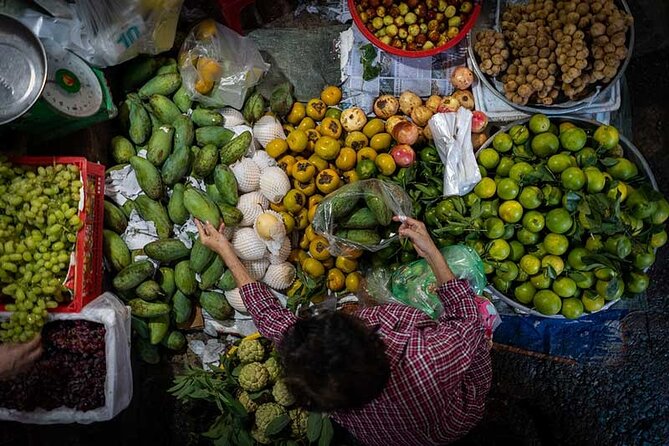
At $119 per person for about 4 hours, this isn’t a cheap activity in the casual sense. But it can be good value if you want photography help that you can take home and actually use.
Here’s what you’re paying for:
- Professional photographer guide and instruction (not just a sightseeing walk)
- A structured route with photo coaching time
- Hotel pickup and 2-way transfers from central HCMC (when offered)
- A small group capped at 5 travelers
- A mobile ticket (easy logistics)
If you’re going to spend money on photos, I’d rather spend it on guidance that improves your results than on another hour of aimless wandering. The best value here comes when you bring a camera you can operate and you’re willing to try what the guide suggests—angles, timing, and composition.
And if you’re traveling early in your Vietnam trip, this kind of tour can boost your skills fast. One review specifically highlights doing it at the beginning of the holiday so later photos improved. Even if you’re not planning to shoot professionally, better technique makes every city day more fun.
Who this tour suits best (and who should skip it)
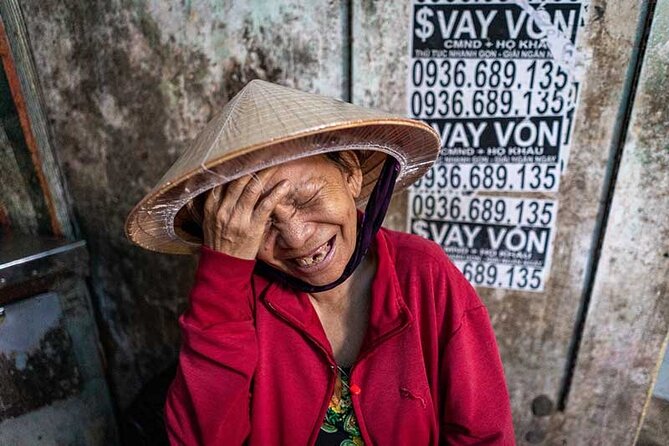
This is a strong fit if you:
- Want to learn street photography technique rather than just take photos
- Like small groups and direct coaching
- Are comfortable with an early wake-up time
- Enjoy shooting motion (trains) and people in real-life settings
It may be less ideal if you:
- Hate mornings and struggle with 5:30 a.m. starts
- Expect a long, slow sightseeing pace
- Prefer tours where everything (including food) is clearly included in the price
Practical tips so your photos come out stronger
You’ll get camera-setting guidance on the tour, but you can still help yourself. A few practical moves:
- Wear comfortable shoes for early walking and repositioning
- Bring your camera strap so you don’t constantly hold gear with your hands
- If you have more than one lens, bring what you already use best for street work
- Keep your battery charged—morning cold can drain power a bit faster
- Be ready for quick changes: trains and street moments don’t wait for a perfect plan
Also, communication can matter early. Past experiences mention WhatsApp chat setups with the guide, which is useful for meeting points and staying on track. If you get that in advance, take advantage of it so your morning starts smooth.
Weather, trains, and other real-world factors
This experience requires good weather. If conditions are poor, the tour may be canceled and you’ll be offered a different date or a full refund. That’s important because sunrise street photography depends on visibility and workable conditions.
Trains are also the heart of the shoot. While you’ll be on location at the right time window, treat the train schedule as part of the experience rather than something you can control. The coaching helps you respond when the action arrives.
Should you book Saigon Railway Village Photo Tour?
I think it’s worth booking if you want to leave Ho Chi Minh City with a stronger photo approach, not only a few decent snapshots. The combination of pro instruction, a structured picture-story mindset, and a small group makes this feel like a skill session set in a genuinely unusual setting.
Don’t book it only if you’re chasing a relaxed morning or if you’re unwilling to get up early. Also plan for breakfast uncertainty: food/drinks aren’t listed as included, even though breakfast options are mentioned in the tour description—so bring a little extra money or confirm what’s covered.
If you want a morning that teaches you how to see and how to shoot, this one has the right ingredients.
FAQ
What time does the Saigon Railway Village Photo Tour start?
The tour starts at 5:30 am.
How long is the tour?
It lasts about 4 hours.
Where does the tour begin?
You start at Saigon Railway Station.
Is pickup included?
Pickup is offered, including 2-way transfers from central HCMC hotels.
How much does it cost?
The price is $119.00 per person.
What’s included in the tour price?
A professional photographer guide is included.
Is food and drinks included?
Food and drinks are not included. The tour overview mentions a breakfast such as coffee and noodles or banh mi, so you may want to plan money or confirm details.
How large is the group?
The tour has a maximum of 5 travelers.
What if the weather is bad?
The experience requires good weather. If it’s canceled due to poor weather, you’ll be offered a different date or a full refund.
Is there free cancellation?
Yes, you can cancel for free up to 24 hours in advance of the experience start time for a full refund.