REVIEW · KOS
Kos Wildlife Walks: birdwatching and animal photography
Book on Viator →Bookable on Viator
Kos wildlife changes fast, and so should your camera settings. On this 2-hour walk, biologist George helps you spot native animals while also showing you where to stand for better shots. One catch: if you go in the peak dry months, sightings can drop because the island dries out.
I also like the calm, practical rhythm of the trip—stop, watch, learn, then photograph. You get binoculars, and the meeting point is central and close to public transport, so the day stays easy. The main consideration for your expectations is weather: this experience needs good conditions to run well.
In This Review
- Key things I’d note before you go
- Kos wildlife walks: what this trip is really for
- Your tour flow in plain terms: start, walk, photograph, repeat
- Stop 1: Alikes Salt Lakes near Tigaki—watch for wildlife, then work your angles
- Stop 2: Psalidi—more chances to spot wildlife, with room to breathe
- George the biologist: why his info matters for both spotting and photos
- Price and value: what $60.07 buys you in two hours
- When to go on Kos for real sightings
- Who this tour suits best (and who might want a different plan)
- Should you book Kos Wildlife Walks?
- FAQ
- How long is the Kos Wildlife Walks experience?
- Where does the tour take place?
- What does the tour cost?
- What language is the tour offered in?
- What’s included, and do I need to bring binoculars?
- Is private transportation included?
- Is there a cancellation policy?
Key things I’d note before you go
- Biologist-led focus on wildlife and photography: you’re not just walking; you’re learning how to observe and shoot.
- Binoculars included: you don’t have to hunt down gear before you arrive.
- Two distinct habitats: salt-lake areas near Tigaki and the Psalidi stop give you variety in a short time.
- Photo scouting in the field: you can ask for help with positioning to improve your photos.
- Private group, small and personal: only your group goes along, so questions don’t get lost.
- Best timing is before June or after mid-September: wildlife activity is better when the island isn’t drying out.
Kos wildlife walks: what this trip is really for
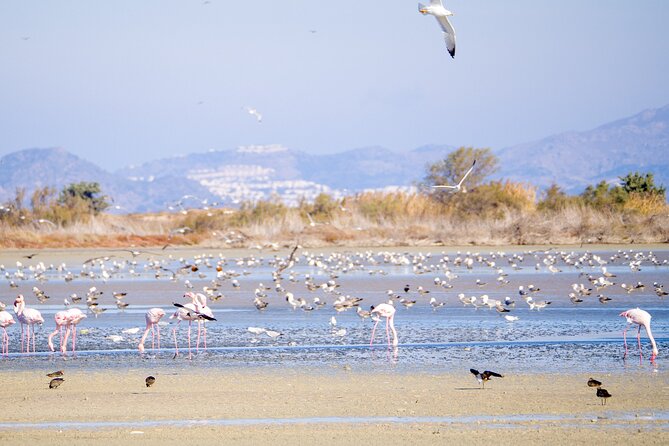
This is the kind of experience that feels simple on paper and satisfying in real life. You’re in Kos, you have a knowledgeable biologist with you, and you spend two hours concentrating on one goal: finding animals and turning that into good photos.
What makes it work is the pairing of two skills. Birdwatching is all about patience and reading the landscape for motion. Animal photography adds a second layer: knowing where to stand, how to approach the subject without rushing, and how to scout for a good angle before you press the shutter. With George guiding you, you get both sides instead of just one.
If you care about animals but don’t want a stiff, classroom-style tour, this fits. If you’re more of a photographer who wants subjects to show up, it also fits. The walk is designed for people who want to actually see wildlife and then come away with images they like.
And yes, you’ll be thinking about timing and seasons. Kos can be amazing, but the island’s wildlife presence changes. The operator specifically recommends visiting before June or after mid-September because summer drying can reduce sightings. That matters more than most people expect.
Your tour flow in plain terms: start, walk, photograph, repeat
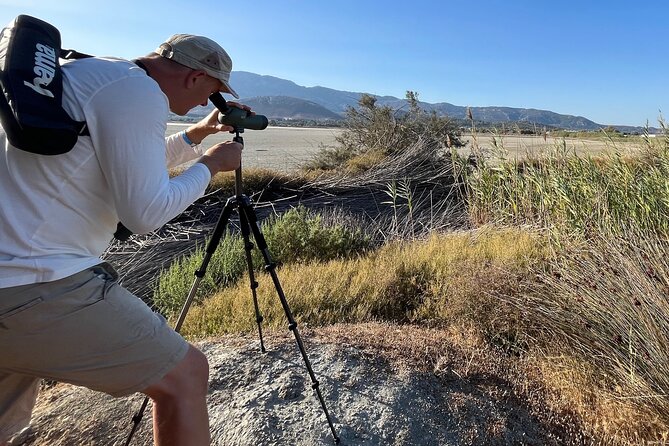
The whole trip is about two hours, and it ends back at the meeting point. That structure is a win if you’re trying to protect part of your day for beaches or dinner plans later.
You’ll meet at a central spot in Kos (the pin is listed as 8G89V8QQ+62MV8QQ+62M, Kos, Greece). The meeting location is described as close to public transport, which is useful if you don’t want to arrange private transportation just for a short outing.
Because it’s a private tour/activity where only your group participates, the pace is more flexible than a crowded group walk. In practice, that means you can stop when you’re seeing something interesting and you can ask questions without feeling rushed. It also tends to make photography easier, since you can coordinate your shot plans with your guide rather than competing with strangers for the same view.
The tour is offered in English, and you’ll get a mobile ticket. Confirmation is sent within 48 hours of booking, subject to availability. So you’re not stuck waiting forever to know you’re locked in.
Stop 1: Alikes Salt Lakes near Tigaki—watch for wildlife, then work your angles
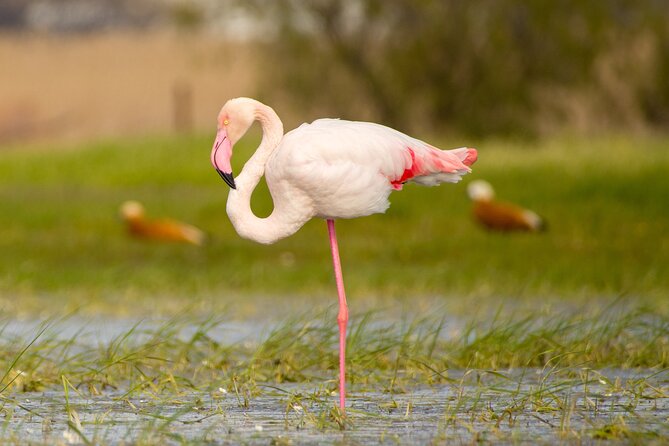
This first stop focuses on the Alikes Salt Lakes at Tigaki, and that choice is smart for anyone who loves watching animals in Kos. Salt-lake areas often attract wildlife that feeds or rests there, so your job is to stay alert and look for movement patterns rather than only scanning randomly.
On this walk, you’re not expected to be an expert birder or photographer. The whole point is that George helps you spot creatures and understand what you’re looking at. He also supports the photography side by helping you find positions for better images. That’s the practical part: instead of hoping your first frame is great, you learn how to scout and then shoot with intention.
This is also where the “two-hour” format matters. In a limited time window, you want stops that are likely to deliver. Salt lakes are the kind of habitat that can pay off when the island is functioning well for wildlife. But again, timing counts. The operator’s guidance about the summer dry period isn’t just a warning; it’s a clue about when this habitat may feel quieter.
Potential drawback here: if conditions aren’t ideal or wildlife activity is low, you may spend more time watching for subtle signs. It’s still a good nature-watching experience, but your photo results can vary with season and weather.
Stop 2: Psalidi—more chances to spot wildlife, with room to breathe
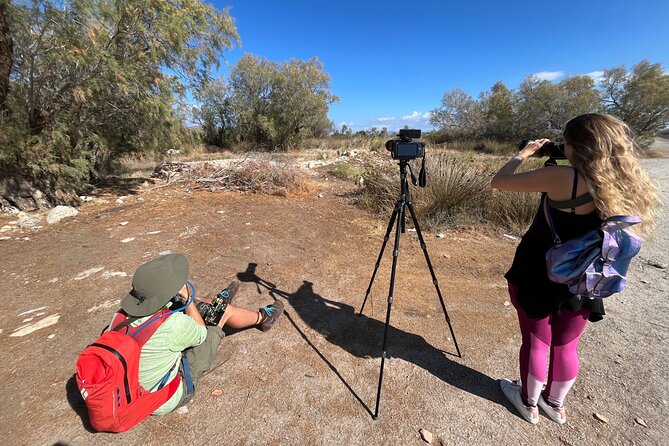
After the salt lakes stop, the walk continues to Psalidi. A second location in a short tour is a real advantage. Even if the first stop has slower moments, you’re not stuck there for the entire two hours.
Psalidi is included as the follow-up, and what I like about that approach is the balance. You get variety without turning the day into a long commute. You’re still in the field, still with the biologist, still focused on spotting animals and taking photos—but you’re changing the odds by changing the environment.
This stop also fits the photography rhythm. After you’ve spent time learning how George scouts and positions you for shots, you can apply that same method at the second location. You’ll be more ready to spot what matters, and you’ll likely waste less time chasing random views.
My one consideration: like the first stop, your results depend on weather and animal activity. This isn’t a theme park. It’s nature, and nature doesn’t guarantee a specific species on command.
George the biologist: why his info matters for both spotting and photos
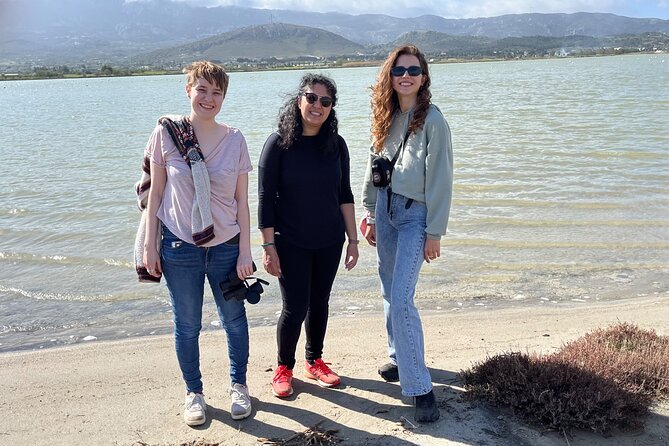
One of the strongest points of this walk is the way George shares information. People highlight that he’s kind, gives clear details about animals, and also talks about Kos itself. That combination is more useful than it sounds.
When you understand what you’re seeing—basic behavior, what to look for, and why an animal might be present in a certain spot—you stop treating wildlife sightings like luck. You start treating them like patterns. That improves your birdwatching and it improves your photography, because you’re no longer photographing aimlessly.
A nice detail from the experience: you can take photos and ask for help finding the best images. That means the guide isn’t only identifying animals in passing; he’s also helping you build photos. For many people, that’s the difference between getting a few blurry shots and getting images you’re proud of.
Also, because it’s a private group experience, George can answer your questions in a way that fits your pace. If you’re a beginner, you’ll get explanations that actually land. If you’re more experienced, you can still ask specific questions about what to watch for and where.
Price and value: what $60.07 buys you in two hours
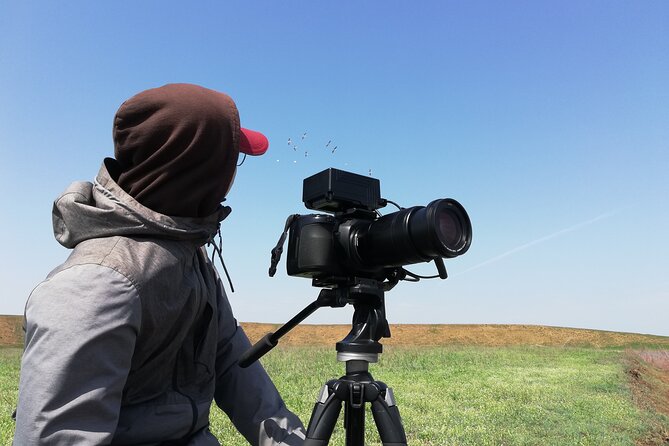
The price listed is $60.07 per person for about two hours, and on a surface level, that can sound “okay” or “not sure.” Here’s why I think it’s often good value—especially if you care about photography or wildlife but don’t want to figure it out alone.
You get:
- Binoculars included, which is a practical cost saver if you’re traveling light.
- A biologist guiding you, which is more than just a walk leader. It’s field knowledge.
- Active help for animal photography, including scouting and positioning for better images.
- A private experience so the time is yours, not a crowded schedule.
If you’re the kind of traveler who enjoys observing animals but struggles to spot them without guidance, the guide’s value multiplies fast. If you’re a photographer, the scouting support can save time and frustration. In two hours, that matters.
One more important note: the operator states the trips are now free/tip-based and that bookings through TripAdvisor/Viator are no longer accepted. They ask you to message or email Kos Wildlife Walks to schedule and mention reaching them via Facebook. So if you’re deciding based on the listed price, I’d treat it as a starting point and confirm the current tip-based arrangement directly with the operator.
When to go on Kos for real sightings
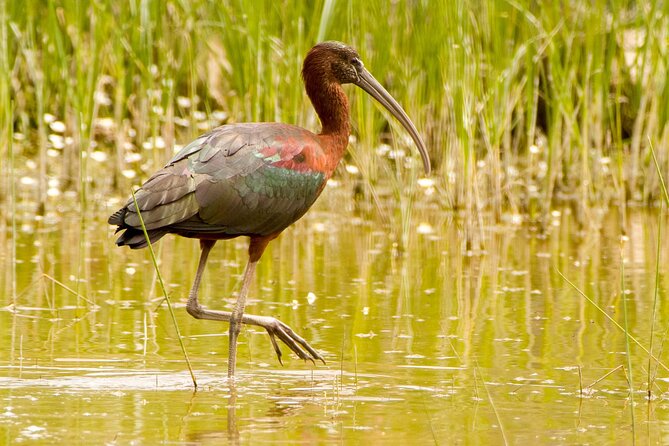
This walk comes with clear seasonal advice. The operator recommends going before June or after mid-September. The reason is straightforward: the island dries out in summer months, which significantly reduces wildlife sightings.
That guidance affects your expectations in a good way. If you plan your trip in the recommended window, you’re more likely to have animals active and visible, which also helps your photography. If you go in peak summer, you can still enjoy nature, but you should expect fewer sightings.
Weather matters too. The experience requires good weather, and if it’s canceled due to poor conditions, you’ll be offered another date or a full refund. That’s what you want to hear for an outdoor wildlife activity.
Who this tour suits best (and who might want a different plan)
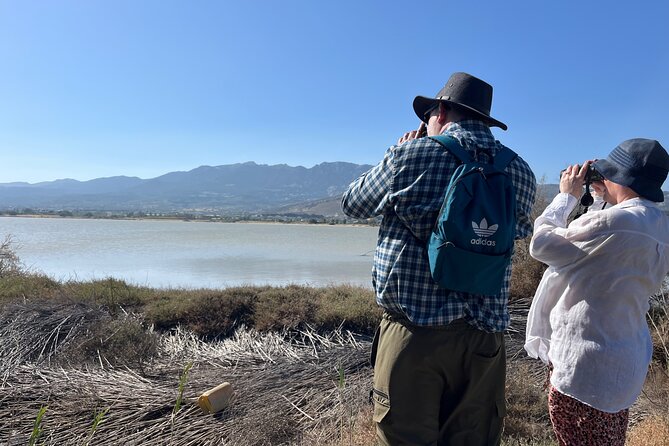
This is a great fit if you:
- want wildlife sightings on Kos with help from someone trained to explain what you’re seeing
- care about photography and want field-level advice, not just a pretty walk
- prefer a private format where you can ask questions freely
It might be less ideal if you:
- can only travel in the driest peak months and expect guaranteed sightings (the operator’s own guidance suggests otherwise)
- need guaranteed results on a specific species or a specific shot—nature doesn’t promise that
Should you book Kos Wildlife Walks?
I’d book it if your goal is to see more wildlife than you would on your own and to leave with photos that feel intentional. The combination of a biologist guide, included binoculars, and direct photo scouting help makes this one of those practical tours that pays off quickly.
I’d also book it with the calendar in mind. Go before June or after mid-September if you can. And if you’re planning around the tip-based setup, contact Kos Wildlife Walks directly to confirm scheduling and the current payment method.
If you want a two-hour nature session in Kos that feels focused and genuinely useful, this is a strong choice.
FAQ
How long is the Kos Wildlife Walks experience?
It lasts about 2 hours.
Where does the tour take place?
The experience is in Kos, Greece, starting at a central meeting point marked by the listed coordinates (8G89V8QQ+62MV8QQ+62M, Kos, Greece).
What does the tour cost?
The listed price is $60.07 per person.
What language is the tour offered in?
The tour is offered in English.
What’s included, and do I need to bring binoculars?
Binoculars are included.
Is private transportation included?
No. Private transportation is not included.
Is there a cancellation policy?
Free cancellation is offered. You can cancel up to 24 hours in advance for a full refund. The experience also requires good weather, and if it’s canceled for poor weather, you’ll be offered a different date or a full refund.