REVIEW · HO CHI MINH CITY
Private Sunrise Photography Tour – Down in Chinatown
Book on Viator →Operated by Saigon Photography Tours · Bookable on Viator
Sunrise street photos in Saigon hit different. This private sunrise photography tour takes you into Ho Chi Minh City’s Chợ Lớn, with a guide who adjusts to your skill level and gives practical feedback as you shoot.
What I like most is the streamlined hotel pickup and drop-off, and how the instruction stays hands-on instead of lecture-y.
The main thing to consider is the early start and the fact that good weather matters for sunrise photography. You’ll also be walking a fair bit, so bring shoes you trust and keep a moderate pace.
In This Review
- Key things that make this tour work
- Sunrise street photography in Chợ Lớn: why this feels different
- 6:00am start time: the photography advantage (and the tradeoff)
- From pickup to Quan Am Pagoda: street settings before you shoot
- Chợ Lớn’s Phố Tau Sai Gon: chasing texture in District 5
- Ba Thien Hau Temple: using diffuse ceiling light for better frames
- Personalized coaching, from beginner to advanced (Adrien included)
- Price and value: why $89 can be a smart photography buy
- What the route means for your photo portfolio
- How fit you need to be (and how to prepare)
- Who should book this private sunrise tour?
- Should you book this tour?
- FAQ
- What time does the Private Sunrise Photography Tour start?
- How long is the tour?
- Is pickup and drop-off included?
- Is this tour private?
- Are there admission tickets for the stops?
- Can the guide help both beginners and advanced photographers?
- What happens if the weather is bad for sunrise?
Key things that make this tour work
- Chợ Lớn at sunrise instead of the most obvious tourist routes
- Guided street photography coaching with settings talk and on-the-go feedback
- Quan Am Pagoda market scenes for portraits and daybreak street moments
- Phố Tau Sai Gon alleyways and boulevards in District 5 for gritty, real texture
- Ba Thien Hau Temple’s ceiling light for composition practice
- Adrien-style personalization, matched to your goals and technical level
Sunrise street photography in Chợ Lớn: why this feels different
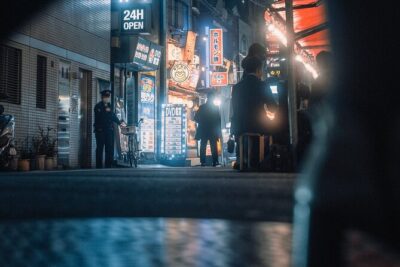
Ho Chi Minh City is loud and fast by mid-morning. Doing your photo walk at sunrise changes the whole feel: softer light, calmer streets, and more chance to slow down and work a scene. This tour is built around that early window, when you can focus on real street life without fighting big tour crowds.
The big win is the subject matter. Instead of chasing the same postcard views, you’ll work your camera on markets, alleyways, and temples in Chợ Lớn—safer territory for storytelling photos and less stressful for learning. If you care about street photography that looks like lived-in life, this direction makes sense.
You’re paying for more than time outside. You’re paying for someone to help you see: what to shoot, what to leave out, and how to turn a messy street into a clear frame.
You can also read our reviews of more tours and experiences in Ho Chi Minh City.

6:00am start time: the photography advantage (and the tradeoff)
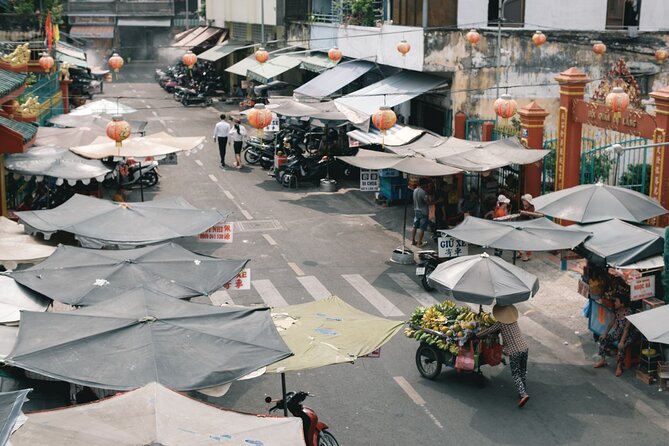
This tour starts at 6:00am, and that’s not a throwaway detail. Sunrise light is the whole point here: think gentler contrast and a more forgiving look at faces, signs, and textures.
The tradeoff is obvious. You’ll need to be ready early, and you won’t get to “sleep in and wing it.” Also, if weather conditions aren’t good, the experience may be rescheduled or refunded—because the sunrise plan depends on visibility.
If you hate mornings, pick a different kind of tour. If you love photography and can handle early, this timing gives you more usable light and better moments to focus.
From pickup to Quan Am Pagoda: street settings before you shoot
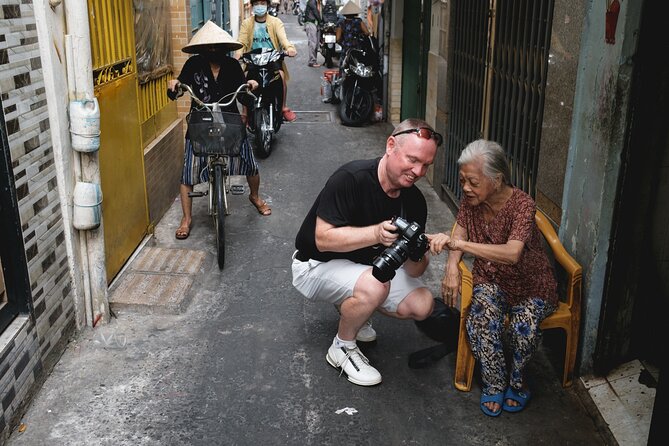
The flow is simple and helpful: hotel pickup, then straight into the photo prep. Your guide starts with an intro to photography techniques and settings for street photography, which matters because you’re not starting from zero once you enter busy spaces.
At Quan Am Pagoda, you move from talk to real scenes quickly. You’ll step into a local market atmosphere and practice blending into the crowd so your camera doesn’t feel like an interruption. That’s a skill in itself, and it’s one reason this tour is useful even if you’ve done street photography before.
What I like about this first stop is the sequence. You learn your approach, then immediately apply it to a place where people and daily life are the subjects. You’ll be working on portraits and close street interactions, which often feel harder than landscapes because people change fast.
Possible drawback: if you’re expecting large monuments or long “sit and observe” time, this first hour is more active than contemplative. Plan to be moving, composing, and adjusting as you go.
Chợ Lớn’s Phố Tau Sai Gon: chasing texture in District 5
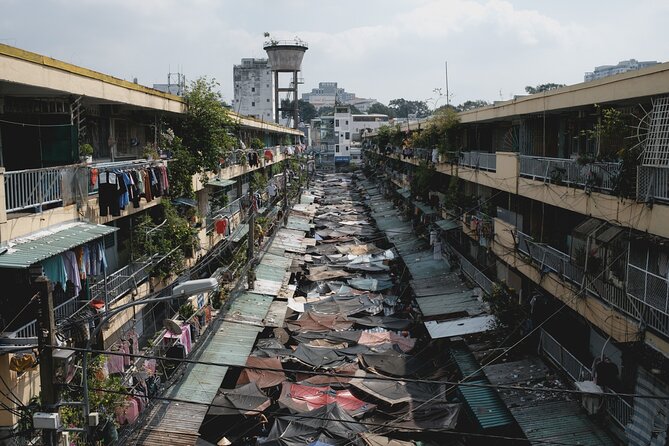
After Quan Am Pagoda, you shift into the historic Chinatown feel of Chợ Lớn, specifically around Phố Tau Sai Gon in Quận 5 (District 5). This is where the tour leans into the off-the-usual-route feeling—choosing streets and alleyways that look and photograph like the neighborhood itself.
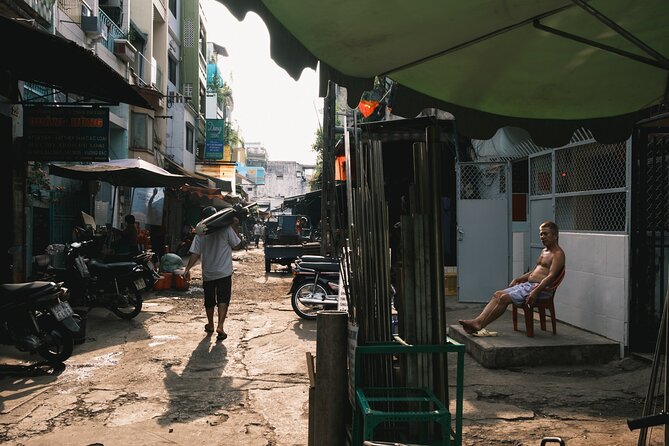
You’ll work chaotic boulevards and narrow lanes, the kind of places where good street photos come from small decisions. Do you frame a person with signage? Do you angle your shot to catch depth down an alley? Do you wait for a moment when the scene lines up? This tour’s pace encourages those micro-decisions instead of rushing past everything.
You’ll also get the story of the neighborhood as you shoot. That context matters because it helps you photograph with intention. Instead of just capturing interesting visuals, you’ll aim for images that make sense as part of a place.
If you’re the type who enjoys gritty urban detail—hands, faces, movement, and small visual clues—this stop is a strong match. If you prefer clean, controlled compositions with minimal visual clutter, you might find the streets busy at first. That’s also why the coaching helps.
Ba Thien Hau Temple: using diffuse ceiling light for better frames
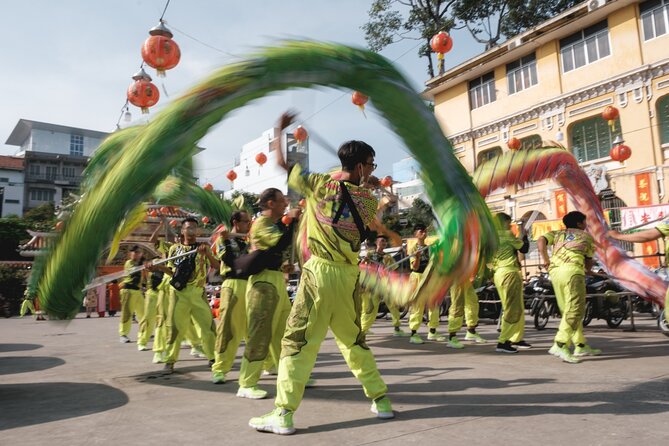
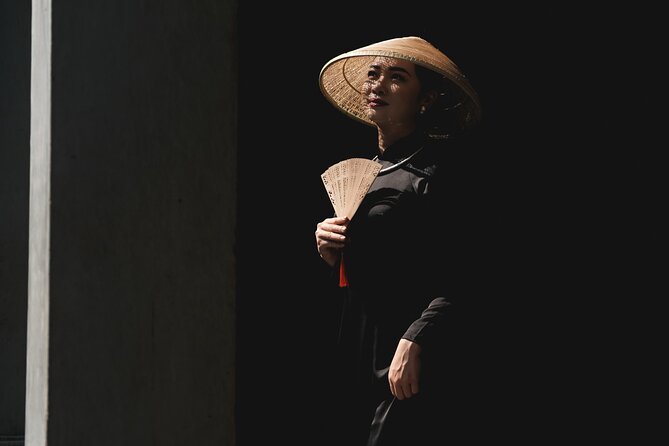
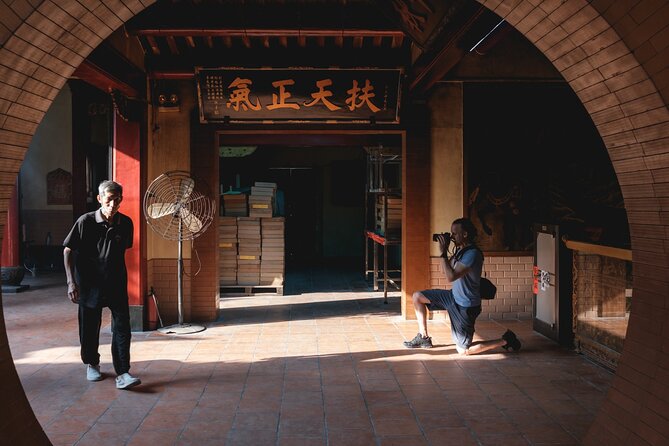
The final stop is Ba Thien Hau Temple, and it’s chosen for lighting and composition practice. There’s a “diffuse light” effect coming through the ceiling, and that’s a photographer’s dream scenario when you want softer illumination without harsh glare.
In practical terms, this is where you refine your eye. You’ll practice composition and framing and work with subjects under that controlled-in-feel light. Indoors or semi-covered settings can be tricky with exposure, and this is the kind of environment where coaching can save you time on settings and help you focus on framing.
The nice part is that this stop isn’t just “take a few photos and leave.” It’s structured around using the temple atmosphere to strengthen your results. If your earlier shots felt too random, this last hour often helps your set look more intentional.
One consideration: temples and religious spaces can have rules or moments that require respect and restraint. Keep your movements calm, follow your guide’s cues, and prioritize the people using the space over your camera.

Personalized coaching, from beginner to advanced (Adrien included)
A standout part of this experience is how the guide adapts. The tour is designed so your instruction level can match you, whether you’re learning street basics or tightening up technique. The goal is not to “teach photography” in general terms, but to help you make better photos in the exact places you’re standing.
The name Adrien shows up in the strongest feedback. The impression is consistent: he takes time to understand photography aspirations and technical level, then pairs you with spots you likely wouldn’t find on your own. That matters because the right location plus the right guidance is what turns a good idea into a good photo series.
Here’s what that personalization can look like for you, even without fancy jargon. You’ll get feedback that points to what to change now—angle, distance, timing, exposure approach, or subject selection. You’re not just collecting images; you’re improving how you choose them.
If you’re a total beginner, this type of coaching can reduce the guessing. If you’re more advanced, it can stop you from repeating the same patterns and push you toward a different style of street storytelling.
Price and value: why $89 can be a smart photography buy
At $89 per person for about 3 hours 30 minutes, this sits in the “serious value” zone for photo instruction. You’re not only paying for access to Chinatown locations. You’re paying for time with a guide who provides feedback and adjusts to your level as you shoot.
The value improves when you consider what’s included. You get hotel pickup and drop-off, plus admissions are marked as free at the stops. That reduces the usual hidden costs that tack on when you’re moving through paid attractions.
It’s also a private tour, meaning you and your group get the focus. Private instruction is where photography tours can either feel great or feel overpriced. Here, the strongest praise points to real attention to your goals instead of a one-size-fits-all walk.
Group discounts are available, which can make it even better if you’re traveling with one or two friends who also want to shoot.
One caution: sunrise tours only make sense if you actually want sunrise photography. If your goal is casual sightseeing with a camera occasionally, you might prefer a longer daytime tour where you can move slower and skip the early start.
What the route means for your photo portfolio
A good photography day doesn’t just give you photos. It gives you a coherent mini-story. This route is structured to do that across three environments: market street life, Chợ Lớn alley/boulevard texture, and temple light for stronger compositions.
You’ll get chances to shoot faces and daily moments early on, then build toward more layered street scenes later. By the time you reach Ba Thien Hau Temple, you’re not only getting different imagery—you’re also getting better control over the frame because the lighting supports it.
If you care about getting photos that look like you were actually there—people, place, and atmosphere—this kind of route is a practical way to build variety without spending all day traveling between far-flung locations.
How fit you need to be (and how to prepare)
The tour lists a moderate physical fitness level, which lines up with what you’d expect from a walking photography route through markets and alleyways. You don’t need to be a marathon runner, but you should be comfortable standing, moving through crowds, and taking breaks without dragging the whole group.
Wear grippy shoes you can walk in for a few hours. Bring a camera strap you trust, and if you use a larger lens, consider how often you’ll be lifting and repositioning it.
Also, plan for humidity and early-day conditions. Even if the air feels cool at 6:00am, it changes fast in the city. You’ll enjoy the tour more if you keep water handy and avoid gear that’s too complicated to set up quickly.
If you want the coaching to be truly useful, bring one or two goals. Examples: better street portraits, sharper action shots, or learning how to handle low light at sunrise and inside a temple. When you have a focus, your guide can respond faster.
Who should book this private sunrise tour?
Book it if you want street photography guidance in a part of Ho Chi Minh City that most casual visitors skip. It’s especially good if you like Chinatown scenes, temple atmospheres, and the kind of photos where people and details do the talking.
It’s also a great fit if you’re traveling with limited time. In 3.5 hours, you cover a full arc of subjects, and you return with a set that feels varied but connected.
Consider another option if you’re not comfortable with early mornings, or if you only want major landmark sightseeing. This tour leans into the neighborhood texture and photography practice, not into long sightseeing stops.
Should you book this tour?
If you’re serious about getting better photos with less guesswork, I think this is an easy yes. The combination of private coaching, 6:00am timing, and the three-stop route across Quan Am Pagoda, Chợ Lớn streets, and Ba Thien Hau Temple is a strong formula.
The main reason to hesitate is simple: sunrise depends on weather, and you’ll need to handle a moderate walking pace. If those two points sound fine, you’ll get a focused, practical photo experience that helps you leave with more than just pictures.
FAQ
What time does the Private Sunrise Photography Tour start?
The start time is 6:00am.
How long is the tour?
It’s about 3 hours 30 minutes.
Is pickup and drop-off included?
Pickup is offered, and the experience includes hotel pickup and drop-off.
Is this tour private?
Yes. It’s a private tour/activity, and only your group participates.
Are there admission tickets for the stops?
Admission tickets are marked as free at the stops.
Can the guide help both beginners and advanced photographers?
Yes. The guide can accommodate both beginner and advanced photographers and provides personalized feedback.
What happens if the weather is bad for sunrise?
This experience requires good weather. If it’s canceled due to poor weather, you’ll be offered a different date or a full refund.