REVIEW · HO CHI MINH CITY
Saigon Street Photography Experience
Book on Viator →Operated by Secret Experiences · Bookable on Viator
Saigon Street Photography wakes up early, and that matters. This 2.5-hour small-group photo walk in Ho Chi Minh City mixes coffee, pro coaching, and real downtown backstreets you likely won’t find alone. I like the hands-on instruction on angles, light, and how to approach people, and I also like the stop plan that includes architecture, a local hardware market, and a Buddhist temple. One thing to consider: it starts at 7:00 am, and it depends on good weather, so plan to dress for an early morning that can feel warm (and maybe a bit humid).
The people running it are the kind you want beside your camera. The tour was developed with photographer Frederik Wissink, a Canadian expat who’s lived in Vietnam for 17 years and has done work for major brands and media. The walk is hosted by him or by Kevin Lee, who has both photography and producer experience and has led street meetups in Singapore. In some sessions, you may also meet guides like Trung, who’s been praised for taking people to places he knows you won’t casually stumble into.
In This Review
- Key things I’d circle on your planning list
- Why a 7:00 am Saigon photo walk actually helps your results
- Meet Frederik Wissink and Kevin Lee: pro work, street sensibility
- Coffee first: the unglamorous skill of talking to strangers with respect
- French colonial and war-era apartment buildings: lines, layers, and daily life
- The local hardware market: hands-on details that teach exposure and focus
- Buddhist temple time: respectful shooting with softer scenes
- How to get better fast: angles, light, and simple photo habits
- What the route feels like: walking pace, group size, and comfort
- Price and value: what $73 buys you (and why it’s not just a stroll)
- Should you book the Saigon Street Photography Experience?
- FAQ
- What time does the Saigon Street Photography Experience start?
- Where is the meeting point?
- How long is the experience?
- How big is the group?
- Is this suitable for beginners and professionals?
- What happens if the weather is poor?
Key things I’d circle on your planning list
- Small group (max 10) means more personal feedback on your photos and how you shoot.
- Pro street approach coaching covers angles, exposure, and how to get close without being weird.
- Coffee start sets a relaxed tone before you start pointing a lens at real life.
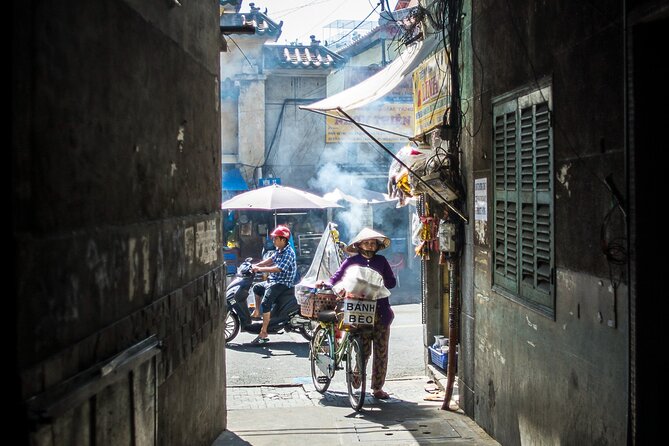
- Off-the-beaten-path stops include alleyways, apartment-building scenes, a hardware market, and a Buddhist temple.
- Any camera works in practice—from dedicated cameras to phones, if you can frame and focus.
- Morning timing can make shooting easier with less chaos than later in the day.
Why a 7:00 am Saigon photo walk actually helps your results
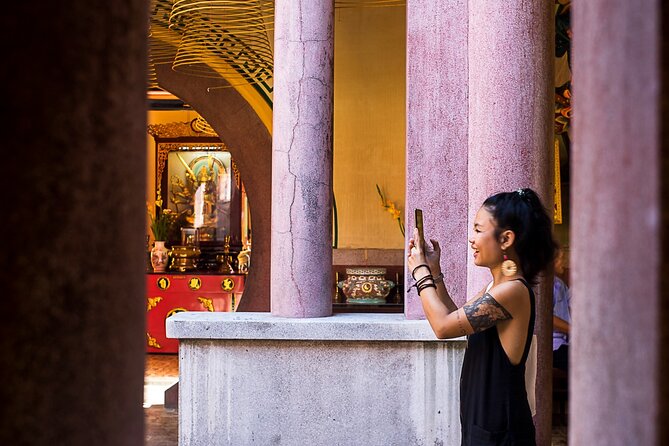
Meeting at Cafe Linh77 (Hàm Nghi, Quận 1) for a 7:00 am start is more than schedule trivia. Early in the day, you usually get better odds at cleaner compositions, softer light, and fewer crowds. That matters for street photography because you’re not just chasing landmarks—you’re chasing gestures, hand movements, and the quiet seconds between passersby.
This tour also gives you a built-in reason to walk with purpose. You’re not wandering “because sightseeing.” You’re moving from scene to scene with a photographer’s eye, learning what to look for as the city wakes up.
One practical note: the experience requires good weather. If rain hits, it can be rescheduled or refunded, so keep an eye on the forecast for that morning.
You can also read our reviews of more tours and experiences in Ho Chi Minh City.

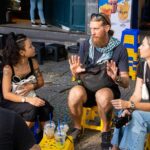

Meet Frederik Wissink and Kevin Lee: pro work, street sensibility
If you care about improving fast, the hosting talent is part of the value. Frederik Wissink brings a long runway of professional assignments, including major media outlets and work for big hospitality brands and tech companies. That background tends to show up as confidence: you’re not just getting tips from a hobbyist. You’re getting the way a working photographer thinks.
Kevin Lee plays a complementary role. He’s known for capturing both dramatic scenes and candid moments, and he also has executive production experience. That typically means smoother pacing and clear direction: you spend your time shooting, not waiting for the group to sort itself out.
In at least one session described in the experience feed, Trung appears as a guide who brings people to spots they wouldn’t find on their own. The common thread in the praise is access plus coaching—places and explanations that help you leave with images you’re proud of, not just photos taken on autopilot.
Coffee first: the unglamorous skill of talking to strangers with respect
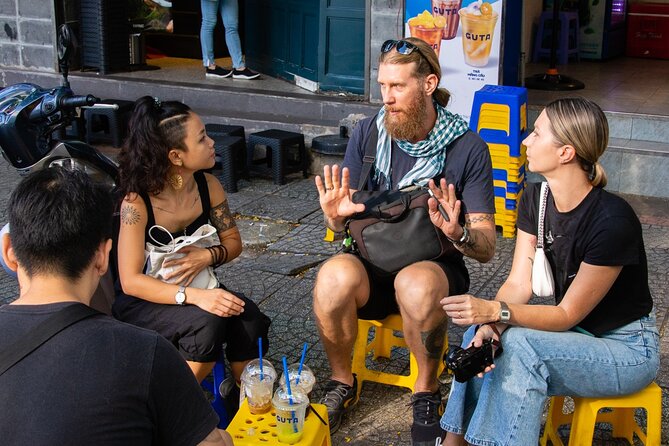
The walk begins over morning coffee or tea, and that’s not filler. It’s your warm-up for one of street photography’s hardest skills: approaching people naturally.
The hosts focus on:
- how to start a conversation without turning it into an interrogation
- how to ask for consent when it makes sense
- what to watch for in body language and daily routines
- how to translate what you see into a strong frame
You’ll also get practical photo tips before you hit the streets. People come in with different levels—total beginner to more experienced—and the approach is designed to work across that range. The goal is simple: help you aim your camera better so you can make better choices on the spot.
French colonial and war-era apartment buildings: lines, layers, and daily life
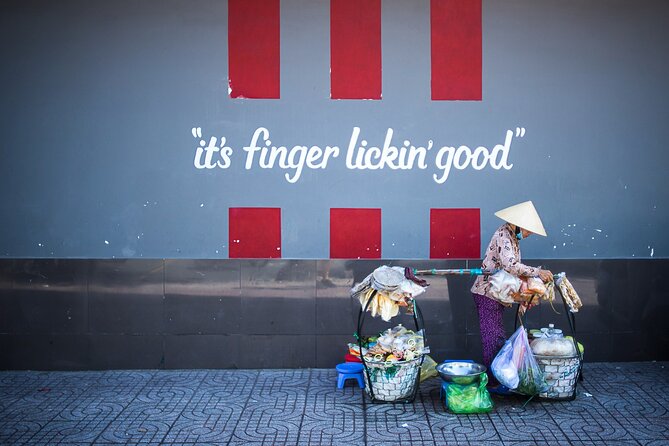
One of the most useful parts of this tour is that it doesn’t only point at big, famous scenes. You’ll spend time around French colonial and war-era apartment buildings and learn historic facts connected to Saigon’s downtown and its architecture.
Why I like this stop type: buildings give you repeatable photo lessons. You can practice:
- finding strong lines and angles
- using balconies, windows, and doorways as frames
- watching for patterns—laundry lines, scooters, stairways
- photographing ordinary routines in semi-private spaces
Depending on timing and access, you may also see scenes that go beyond the sidewalk. One described highlight includes getting inside apartment-building areas to photograph angles and everyday moments from closer distances. That’s the kind of access that can dramatically change your photo quality, because your perspective becomes more intimate.
The only downside to consider is that architecture stops can be a bit more about structure than action. If you only want fast-moving street chaos, you might need to actively look for the human element in the building scenes.
The local hardware market: hands-on details that teach exposure and focus
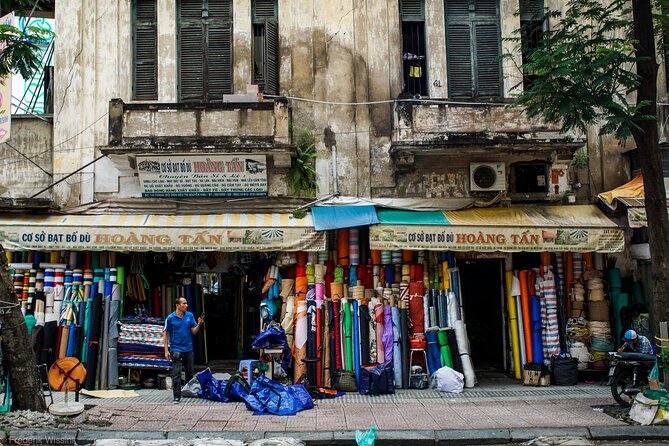
A local hardware market is an excellent classroom for street photography, even if you’re using a phone. Markets give you plenty of texture and purposeful activity: tools, signage, packaging, hands working, and people pausing with intent.
This is where you can train your camera for quick decisions. You’re not waiting for someone to pose. You’re watching for small moments:
- a grip on a tool
- a sale happening at the edge of a stall
- someone turning a product toward the light
- the contrast between shiny metal and worn surfaces
If you’ve ever felt like your photos are either too dark or too bright, this is the kind of setting where the hosts can help you adjust exposure choices so your subject looks clean and real.
Wear something comfortable here. Markets can be crowded and close-up shooting means you’ll likely spend time standing in tight spaces while you find your angle.

Buddhist temple time: respectful shooting with softer scenes
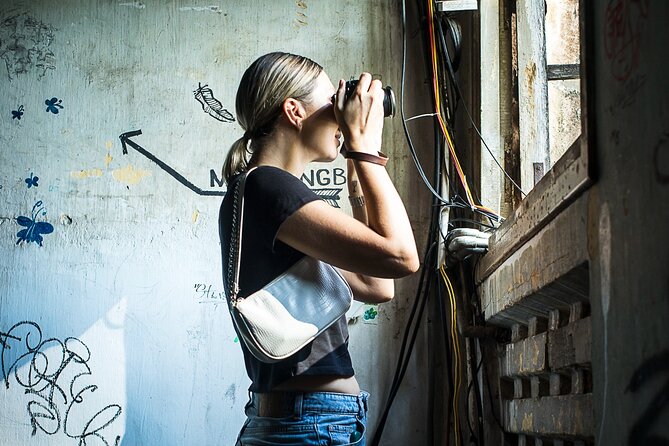
You’ll also visit a beautiful Buddhist temple, which adds a different texture to the tour. Temples often bring calmer lighting and slower rhythms than the market or alleyways, and that’s useful for practicing patience.
Here’s what to look for:
- architectural details and symmetry
- people in quiet motion
- the way light falls across walls and incense areas (if visible)
- portrait-style compositions that don’t require people to pose for long
The hosts also emphasize respectful behavior and approach. Even if you’re comfortable shooting streets, temples require extra care. The good news: once you slow down and watch, you’ll usually find frames that feel meaningful without forcing anything.
If you’re the type who always wants action, you might initially feel the tempo is slower here. Give it time. Temple scenes often reward careful composition more than frantic shutter clicks.
How to get better fast: angles, light, and simple photo habits
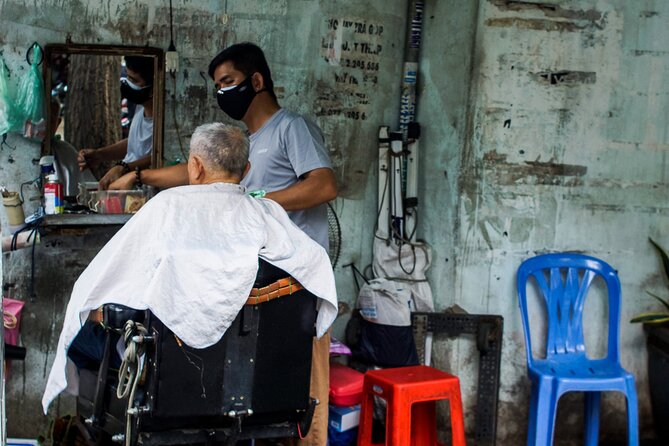
The coaching on this walk is built around practical improvements you can use immediately after your trip. Across descriptions of the experience, the most praised instruction centers on:
- angles that change the story of the same street scene
- light choices—using morning brightness and shade intentionally
- working with different exposure settings so your subject is readable
- composing in ways that don’t depend on luck
One review specifically praised the way an instructor helped someone get the most from an iPhone camera—basically the lesson is: the best camera is the one you’re actually carrying and using well. So if you’re traveling with your phone, don’t assume you’re under-equipped. What you need is framing skill and the patience to wait for the right moment.
If you’re a more experienced photographer, you’ll still benefit. You’re getting local context, access, and street-level prompts that push you to experiment: lower viewpoints, higher viewpoints, corner-to-subject relationships, and timing shots around how people move through narrow spaces.
What the route feels like: walking pace, group size, and comfort
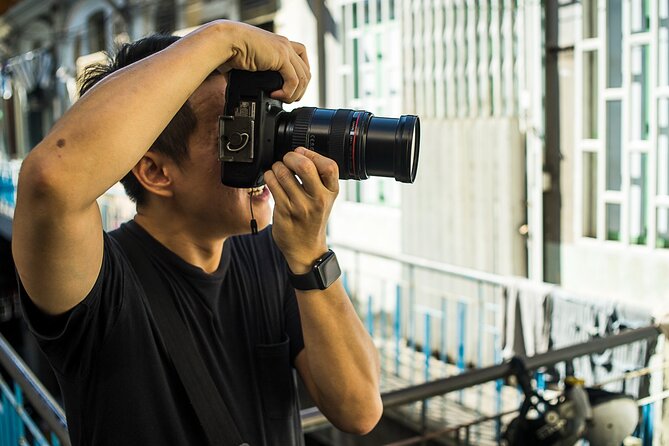
This experience runs about 2 hours 30 minutes and stays near public transportation. It also ends back at the meeting point, so you’re not stuck planning a complicated pickup.
The group size is capped at 10 travelers, which is a big deal for a street photo walk. You’re not competing for attention, and you can get corrections that match what you’re currently doing—not generic advice you heard once ten minutes ago.
Bring:
- comfortable shoes (you’re walking through neighborhoods and market areas)
- a charged phone or camera with enough storage
- water for an early start
- something light for shade if the morning gets sunny
If you’re planning to shoot a lot, also think about battery management. Cold mornings and heavy camera use can drain power faster than you expect.
Price and value: what $73 buys you (and why it’s not just a stroll)
At $73 per person, this tour isn’t priced like a private guide, and it isn’t a “free coffee plus wandering” gimmick. You’re paying for a professional eye, a small group limit, and the kind of local access and framing prompts that turn a city street into a photo assignment you can actually complete.
The value shows up in three places:
- real instruction before and during shooting (not just pointing at sights)
- non-touristy locations that feed your camera with fresh subject matter
- guidance on the hardest part of street photography: getting the shot while staying respectful
Also, the morning coffee/tea start helps you begin comfortably rather than snapping photos right out of a travel scramble.
If you want lots of photos with less effort spent searching for scenes, this is a smart trade. If you already love street photography and have strong instincts, you’ll still likely benefit from the local route and the way the hosts sharpen your camera habits.
Should you book the Saigon Street Photography Experience?
Book it if:
- you want to improve quickly with angles, light, and exposure guidance
- you’d rather be guided through neighborhoods than try to guess the best alleys and markets
- you want a small group setting where you can get feedback
- you’re happy to start early and walk for about 2.5 hours
Skip it or choose a different option if:
- you hate early mornings (7:00 am is the start time)
- you’re only interested in major landmarks and don’t care about daily life and close-up details
- you strongly dislike walking through crowded market-style areas
If you’re on the fence, here’s the simple test: street photography is mostly about seeing and timing. This tour gives you both—plus local context—so you leave with more keeper photos than you expected.
FAQ
What time does the Saigon Street Photography Experience start?
It starts at 7:00 am.
Where is the meeting point?
You meet at Cafe Linh77 on Hàm Nghi, Phường Nguyễn Thái Bình, Quận 1, Ho Chi Minh City.
How long is the experience?
It lasts about 2 hours 30 minutes (approx.).
How big is the group?
The group size is capped at 10 travelers maximum.
Is this suitable for beginners and professionals?
Yes. It’s designed for aspiring and professional photographers of any level, including total beginners and people who just want to get better at shooting streets.
What happens if the weather is poor?
The experience requires good weather. If it’s canceled due to poor weather, you’ll be offered a different date or a full refund.