REVIEW · ST AUGUSTINE
Saint Augustine Evening Architectural Photo Tour
Book on Viator →Operated by Saint Augustine Historic Photo Tours · Bookable on Viator
This is the easiest way to learn how to shoot St. Augustine’s buildings at sunset. The tour blends architecture history with hands-on photo coaching so you leave with better shots, no matter what camera you use. The one thing to consider is the timing: it’s a tight 2-hour walk, so you’ll want comfortable shoes and a willingness to move at an evening pace.
I like that it’s small, with a max of 6 people, which keeps the instruction personal. You also get a built-in plan for the light, guided by Patricia, who knows when the angles hit best. If you’re hoping for a long, slow city stroll with lots of free time to wander, this format may feel a bit structured.
In This Review
- Key Things I’d Watch For Before You Book
- Why This Sunset Photo Tour Works (Even If You’re New)
- Meeting Point and Timing: The Simple Start at 48 King St
- What You’ll Learn First: Equipment Check and Photo Setup
- Stop 1: Memorial Presbyterian Church (1889) and Why Baroque Details Photograph So Well
- Stop 2 and Beyond: Chasing Light Through Moorish, Italian, and Spanish Influences
- The Composition Coaching That Makes Your Photos Feel Like They Belong
- The Real Value: $99 for 2 Hours of Targeted Instruction
- Free Bonus Guides: Why They Matter After You Leave
- Who This Tour Is Best For (And Who Might Want Something Else)
- Weather and Pace: What to Expect on a Real Evening
- Quick Tips to Get More Out of It
- Should You Book the Saint Augustine Evening Architectural Photo Tour?
- FAQ
- How long is the Saint Augustine Evening Architectural Photo Tour?
- How much does it cost?
- Where do I meet the guide, and what time does the tour start?
- What kinds of cameras can I use?
- How big is the group?
- Do I get any materials after the tour?
- What happens if the weather is bad?
Key Things I’d Watch For Before You Book
- Patricia runs the show and focuses on where to stand for the best light
- Any camera works, including cell phones, with practical tips you can use right away
- You get an equipment checklist review before heading out
- Baroque Memorial Presbyterian Church (1889) is a clear architectural anchor for the shoot
- Multicultural styles show up close-up, including Moorish, Italian, and Spanish influences
- Free bonus guides help you keep practicing after the tour
Why This Sunset Photo Tour Works (Even If You’re New)
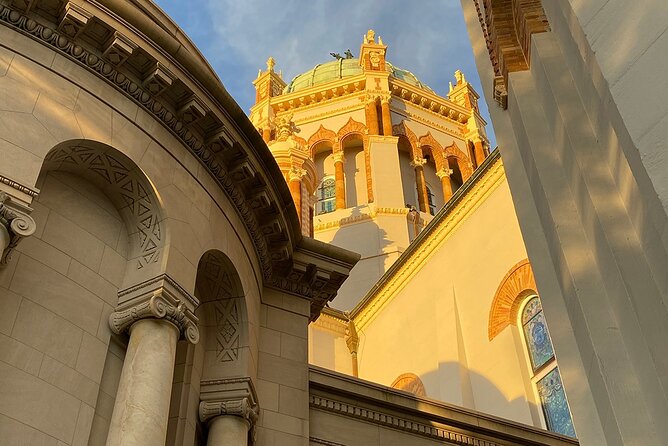
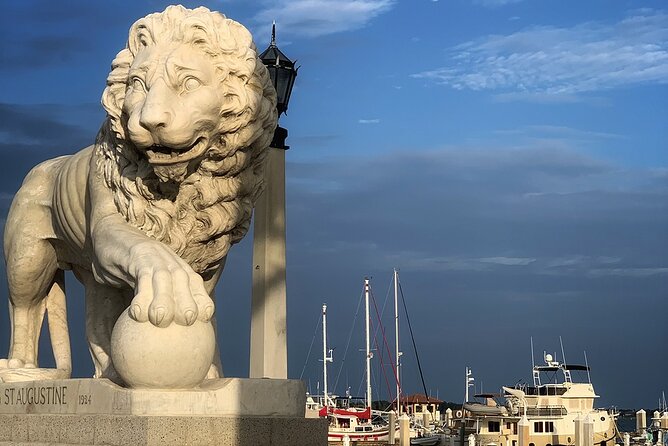
Saint Augustine looks photogenic in daylight. At sunset, it becomes something else. Shadows get longer. Colors deepen. Texture in old masonry turns from background detail into the main story. This tour takes advantage of that, with a simple goal: help you aim your camera in the right direction at the right minute.
What makes it feel different from a generic sightseeing walk is the mix of two things that usually don’t go together. You get a history lesson that’s tied directly to what you’re photographing. And you get instruction that’s aimed at results, not theory. If you’re new to photography, you won’t feel lost. If you’ve been shooting for years, you’ll still get reminders about composition and placement.
The small group size is a real advantage. With a max of 6 travelers, you’re not competing with other people for the guide’s attention when questions pop up. That matters because a lot of great sunset photos are solved by tiny decisions: the angle, the framing, the timing, the position of your subject in relation to the building lines.
You can also read our reviews of more tours and experiences in St Augustine.
Meeting Point and Timing: The Simple Start at 48 King St
The tour starts at 4:00 pm at 48 King St, St. Augustine, FL 32084. The organizer keeps it straightforward: you meet your guide at the departure point, and the tour ends back at the same spot.
That may sound basic, but it helps more than you’d think. When your walk begins with clear logistics, you can focus on the photo work instead of navigating. Also, starting at 4 pm gives enough early-evening window to chase light before it drops too fast.
Plan for an evening that’s active, not just scenic. Even though there’s no mention of heavy hiking, you should assume you’ll be stopping often, changing angles, and moving between photo spots with a moderate level of physical effort.
What You’ll Learn First: Equipment Check and Photo Setup
Before the camera comes out for the big shots, the guide covers prep. There’s an equipment checklist, and that sets the tone: you’ll be thinking like a photographer from the start.
This is especially helpful if you shoot with a cell phone. One of the best parts, based on the experience reports, is that Patricia doesn’t treat phones as a second-class option. She’s the kind of guide who helps you configure your setup, including using phone features and apps to improve results. That’s not about making you do complicated edits. It’s more about getting better capture settings and getting to a shot faster.
If you show up with a phone that’s low on battery or a camera that’s not ready, you’ll likely feel the difference. A good checklist means you can fix those issues right away, before you miss the light.
Stop 1: Memorial Presbyterian Church (1889) and Why Baroque Details Photograph So Well
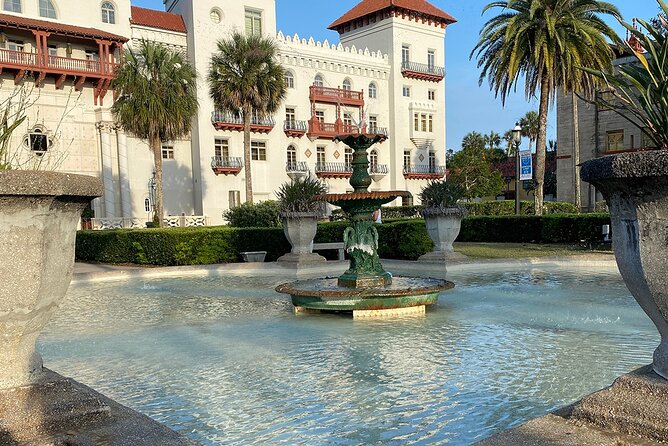
One of the standout stops is the Memorial Presbyterian Church, a Baroque-style building dating from 1889. This is the kind of structure that rewards a guided approach because Baroque architecture is made of layers: curves, ornament, depth, and contrast.
At sunset, those details start to pop. Light grazes edges. Shadows get crisp. And the building’s forms become easier to frame without looking flat. Patricia’s approach, from what you can expect in the tour, is to get you to the right viewing position, not just to the right address.
How to think about this stop (what you can copy):
- Aim for a composition that includes the building’s vertical lines so it doesn’t feel like a random close-up.
- Use the changing shadows to create depth. Instead of only photographing the façade straight-on, try framing from angles that let light carve out the details.
- If your camera has a way to manage contrast, consider leaning on it. Churches and historic stonework can show both bright and dark areas in the same scene.
A quick note: Baroque can look busy in photos if you include too much. This is where instruction helps. You’ll learn how to simplify your frame so the story stays clear.
Stop 2 and Beyond: Chasing Light Through Moorish, Italian, and Spanish Influences
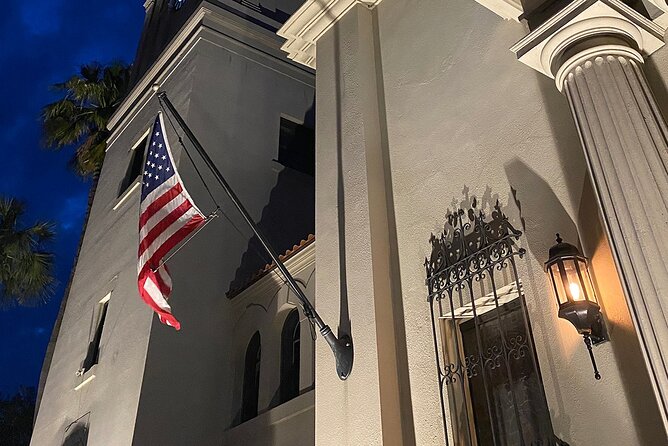
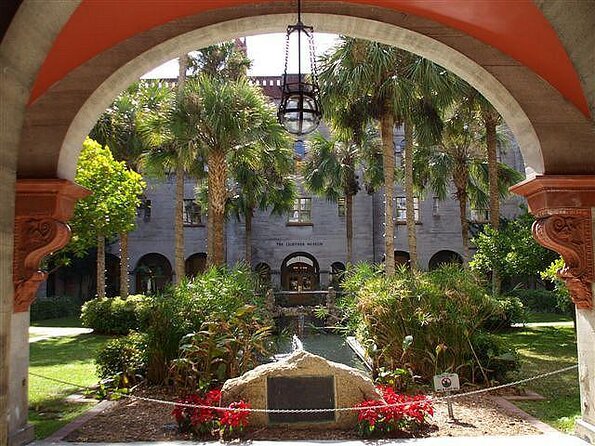
After the anchor stop, the tour continues through photogenic architecture around Saint Augustine. The key thing here is variety. You’ll see buildings with Moorish, Italian, and Spanish influences, which means you get different “visual languages” to practice with.
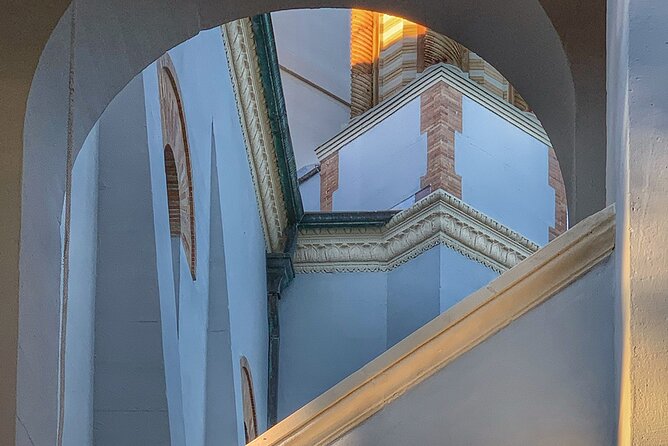
That’s a big win for your photography because each style has different shapes and textures. Moorish-influenced elements often lead you toward curves and decorative patterns. Italian and Spanish influences can bring in arches, stucco textures, and richer color cues. When you shoot these styles back-to-back in the same evening, you’ll start to notice how you adjust your approach.
The tour is designed to “chase the light.” Practically, that means you aren’t waiting forever at one spot. You’re moving to places where the angle and brightness work together. It’s the opposite of a slow walking tour where you just take whatever you get.
What you’ll likely learn as a repeatable skill:
- If the photo looks flat, it’s often a position problem, not a camera problem.
- Changing your angle by just a few steps can turn an ordinary corner into a strong composition.
- Building details are more interesting when you include context like a window frame, arch, or doorway shape that creates visual lines.
The Composition Coaching That Makes Your Photos Feel Like They Belong
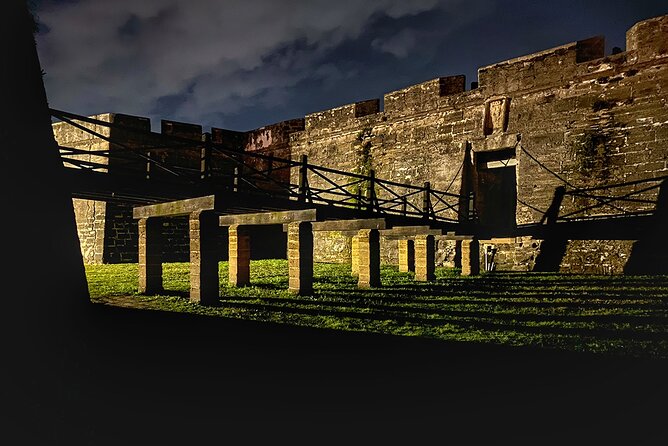
This tour isn’t just a “go see buildings” plan. It’s a lesson in how to turn buildings into images with a point.
In the feedback you can use to guide your expectations, Patricia’s style shows up again and again: history is explained in a way that helps you tell a story with your pictures. That means you’re not photographing random architecture. You’re photographing specific influences and styles, so your photos feel more intentional.
You’ll get tips on composition and on how to translate what you see into what the camera records. That includes guidance for different device types, so you’re not stuck learning only one method.
If you like taking photos but feel like your results don’t look like what you imagine, this kind of coaching is exactly the fix. It focuses on small, concrete choices: where to stand, what to include, how to frame, and how to time your shot.
The Real Value: $99 for 2 Hours of Targeted Instruction
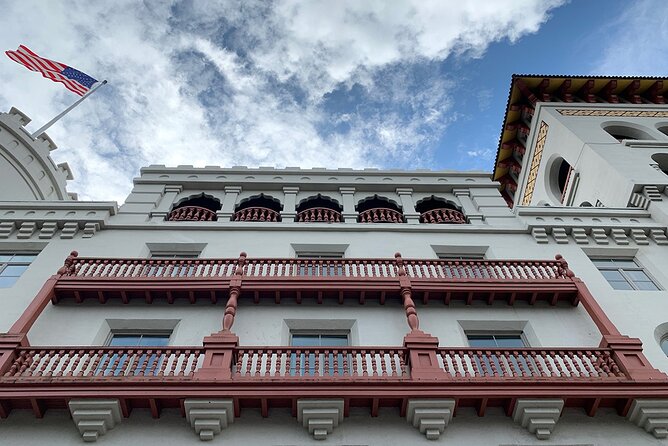
At $99 per person for about 2 hours, this isn’t a huge splurge. But it’s also not a bargain that feels like you’re getting the short end. The value comes from three things you don’t reliably get on your own:
- Timing help for sunset light
- A teaching approach that works for cameras and phones
- A small group size that keeps the instruction useful
A self-guided architecture walk can be fun. But it’s slower to learn how to photograph. You might wander into the wrong angle, miss the best moment, and not know why. Here, Patricia is guiding you toward the spots that make light do the work.
There’s also a planning benefit. You’re shown “both well known and some more clandestine” locations. That means you’re not only relying on the obvious postcard views. You get a mix that helps you build a stronger photo set, not just one great hero shot.
Free Bonus Guides: Why They Matter After You Leave
This tour includes a free bonus guide for each guest. It’s meant as a reminder of the lessons from the session, so you can practice later instead of forgetting everything the next day.
That matters because sunset learning sticks better when you can repeat it. You’ll likely notice the difference between a “cool moment photo” and a “repeatable technique” photo. The guides help you convert what you learned into something you can use on future trips.
Even if you’re a casual shooter, this is a low-effort way to keep building skills. You don’t need a studio. You just need to remember what worked.
Who This Tour Is Best For (And Who Might Want Something Else)
This experience is a strong fit if you:
- Want history plus photography, without having to study either separately
- Shoot with a cell phone and want practical improvements
- Are a beginner who needs confidence and quick wins
- Have experience and want feedback on composition and placement
- Like small groups and direct instruction
It may be a weaker fit if you:
- Want a long, slow wandering day with lots of unstructured time
- Have very limited mobility and dislike moving between multiple photo points
- Prefer photography without narration or context
The tour’s sweet spot is learning to see like a photographer while you’re also learning what you’re looking at.
Weather and Pace: What to Expect on a Real Evening
The tour requires good weather. If conditions aren’t right, you’ll be offered another date or a full refund. That’s standard for sunset photography, where cloud cover can change the light drastically.
As for pace, you should assume an evening walk with multiple stops and plenty of changing angles. The activity lists moderate fitness as the expectation. If you can manage short walking segments and frequent photo breaks, you’ll be fine.
Quick Tips to Get More Out of It
You don’t need fancy gear for this kind of instruction, and the tour is explicit that any kind of camera is welcome. Still, you can make the session easier on yourself:
- Make sure your device is charged, and you have enough storage for the session
- Think in angles, not just subject matter. Buildings need position to look right
- Be ready to try different framing ideas quickly when Patricia tells you where to stand
If you use a phone, come with the basics you’re already familiar with, but be open to learning new features during the guide’s setup talk. That’s often where the biggest improvement happens in a short time.
Should You Book the Saint Augustine Evening Architectural Photo Tour?
Book it if you want a guided way to photograph Saint Augustine’s architecture at sunset and you’d rather learn “how to shoot” than just “what to see.” With Patricia leading the session, the mix of history, targeted composition tips, and light-timed photo spots is exactly the formula that helps your pictures improve quickly.
Skip it if you’re looking for a long, free-form photo safari or you want only the most famous sites with plenty of downtime. This is structured, efficient, and built for results in two hours.
If your goal is to return from your trip with a better set of photos and a clearer sense of how to make buildings look dimensional, this tour is a solid value.
FAQ
How long is the Saint Augustine Evening Architectural Photo Tour?
The tour lasts about 2 hours.
How much does it cost?
It costs $99.00 per person.
Where do I meet the guide, and what time does the tour start?
The meeting point is 48 King St, St. Augustine, FL 32084, and the start time is 4:00 pm. The tour ends back at the same meeting point.
What kinds of cameras can I use?
You can use any kind of camera, and cell phone enthusiasts are welcome as well.
How big is the group?
The tour has a maximum of 6 travelers.
Do I get any materials after the tour?
Yes. Each guest receives a free bonus guide that reinforces the lessons from the photography tour.
What happens if the weather is bad?
The experience requires good weather. If it’s canceled due to poor weather, you’ll be offered a different date or a full refund.