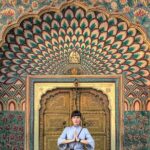
A morning plan that turns photos into stories. This private Rajasthan experience pairs street photography coaching with cultural guidance from visual anthropologist Yusuf Khurram, so you’re not just taking pictures. You’re learning how and why people live the way they do in Rajasthan.
I especially love the photographic fixing element. If you’re a pro or just starting out with a camera, you’ll get help shaping what to shoot and how to work with real people in real spaces. I also like that music, dance, and respectful interaction are part of the day, with a strong focus on nomadic and tribal life.
One thing to consider: the exact route and community stops are flexible. You’ll want to talk your priorities through in advance, since timing and locations can shift based on what’s possible that day.
In This Review
- Key things to know before you go
- Why this tour works for both photographers and curious travelers
- Price and what you actually get for $107.84 per group (up to 2)
- 7:00 AM start, pickups, and the flexible route reality
- The Jaipur street-photo block: what to expect and how to use it
- Kalbelia and nomadic communities: the best part, done responsibly
- Meals are included for a reason: keep your energy and your focus
- What Yusuf Khurram brings: “fixing,” interviews, and real answers
- Logistics you should plan around (without the hassle)
- Who should book this tour—and who might prefer something else
- Should you book Rajasthan Photography with a Visual Anthropologist?
- FAQ
- Where does the tour start, and when?
- Is this a private tour?
- What’s included in the price?
- Are entrance fees included?
- How long is the experience?
- What should I discuss in advance?
Key things to know before you go
- Visual anthropologist Yusuf Khurram leads the day, with 25+ years of ethnographic documentary filmmaking experience.
- Photographic fixing plus cultural study means you’ll get practical shooting guidance, not only sightseeing.
- Kalbelia-style encounters may be part of the plan, often involving music and dance in a village setting.
- Private group means flexibility for your pace, questions, and specific interests (photo, video, documentary work, or journalism).
- Lunch plus coffee/tea and bottled water are included, so you can stay focused on shooting.
- Entrance fees for monuments/properties are not included, so bring extra cash for sites you decide to enter.
Why this tour works for both photographers and curious travelers
Rajasthan is photogenic in the obvious ways—color, faces, textures, markets. But a camera can also turn people into scenery if you’re not careful. That’s where this tour’s format earns its keep: you’re working with a cultural anthropologist, not only a driver with a playlist.
Yusuf Khurram’s background is built around social and visual anthropology research in Rajasthan. In plain terms, he knows how to frame questions, how to approach with respect, and how to read the rhythm of daily life so your photos feel grounded instead of staged. If you’re making a documentary, doing photojournalism, or just want better street shots, that guidance matters.
The other strong part is structure. Even though the day can adapt, you still have a clear focus: a morning start, a day built around photography, and included meals that keep your energy steady.
You can also read our reviews of more tours and experiences in Jaipur.
Price and what you actually get for $107.84 per group (up to 2)
This is priced per group for up to two people. That changes the math in your favor. Instead of feeling like you’re paying for a crowd, you’re paying for time with an expert plus an air-conditioned car, morning pickup, and meals.
What’s included:
- Air-conditioned vehicle
- Bottled water
- Coffee and/or tea
- Lunch
What’s not included:
- Entrance fees for monuments and government/private properties
Also, admission tickets are listed as free, but entrance fees for sites still may apply. So I’d treat this as: you’ll cover transport and core experiences inside the day, then pay entry only if you choose to go into monuments/properties.
For value, I’d weigh two things. First, the “fixing” support—getting you to see and shoot more intentionally. Second, the cultural access: learning through respectful interaction with nomadic/tribal communities. That combo is hard to replicate on your own unless you already have local contacts.
7:00 AM start, pickups, and the flexible route reality
The day starts at 7:00 am. That early start is practical. In Rajasthan, mornings tend to be calmer for street photography, and light is often friendlier before heat ramps up.
You also get daily transfers from your Jodhpur hotel. The tour summary calls out Jodhpur transfers, while the day’s main listed stop is Jaipur street photography surroundings. So here’s the practical way to think about it: your experience is designed to be coordinated. In other words, if you’re staying in Jodhpur, you should expect hotel pickup/transport; if you want a specific focus around Jaipur, talk it through early.
This is also a private tour, meaning only your group participates. That matters for photography because you can slow down when you find something real and move on quickly when a scene isn’t working. You’re not forced to keep up with a larger group’s pace.
Fitness note: it lists a moderate physical fitness level. That doesn’t mean hiking mountains. It usually means you should be ready for walking around streets and spending time outdoors.
The Jaipur street-photo block: what to expect and how to use it
The itinerary points to a 6 to 9 hour street photography tour in the surroundings of Jaipur (timing and locations discussed in advance). That’s a helpful range, because street work often changes with crowds, permissions, and light.
Here’s what you can realistically aim to get out of this segment:
- Photo guidance that helps you choose viewpoints faster
- Coaching on how to approach scenes and people without turning it into a grab-and-go transaction
- A chance to build a visual story from the streets around Jaipur
Because this is personalized “photographic fixing,” the day isn’t only about walking and taking pictures. You’ll likely get help with what Yusuf calls cultural study—how to connect a photo to context. That might show up as advice on what to look for (textures, daily routines, craft, clothing details), or as prompts for questions you can ask respectfully.
Possible drawback: street photography can be unpredictable. If you’re expecting a strict shot list with fixed locations, this style of day can feel looser than a typical monument circuit. The upside is you’ll adapt to what’s actually happening that morning.
Kalbelia and nomadic communities: the best part, done responsibly
The tour’s core theme is learning about nomadic and tribal communities in Rajasthan, with a special likelihood of time spent with Kalbelia people (often associated with snake charming traditions). You may visit a remote village setting, and the experience is framed as respectful interaction through music and dance.
This part is where the tour becomes more than photography. Yusuf’s role as an ethnographic documentary filmmaker and culture educator means you’re not just watching. You’re learning how people explain their own lives, and you’re working within social boundaries rather than around them.
From the practical side, this segment is also a great place to use your camera thoughtfully:
- Ask permission before close-up portraits when the situation calls for it.
- Give yourself time for observation. The most meaningful shots often come after you’ve been there a bit.
- If you’re filming, keep your approach calm and brief. Don’t “corner” people with gear.
I also appreciate that the itinerary is described as subject to change. In a cultural setting, the day’s flow matters. Sometimes the best access happens when you’re flexible. Sometimes it doesn’t. The tour is set up to handle that rather than forcing the same itinerary no matter what.

Meals are included for a reason: keep your energy and your focus
Lunch is included, plus coffee/tea and bottled water. That’s not just comfort. For photography and video work, hunger makes you rush. Rushing makes you grab bad frames and miss the small moments that tell the story.
So plan your day like a working shoot:
- Eat, hydrate, and keep moving.
- Use tea breaks to review your shots and decide what to change next.
- Don’t overpack with gear if you’ll be carrying it all day. Street work is physical.
This is one of the easiest ways the tour saves you time and stress.
What Yusuf Khurram brings: “fixing,” interviews, and real answers
The strongest feedback points are consistent: Yusuf is both a kind educator and a reliable fixer. People who worked with him emphasized that he handled transport and local support, and he helped with pre-shoot conversations and then guided the actual shooting.
That means if you’re arriving with questions—about settings, angles, storytelling, or how to work ethically—you’re not left guessing. Yusuf’s specialization includes Gypsy, nomadic, and pastoral communities of Rajasthan, and he coordinates social and visual anthropology research projects. You feel that in the way he explains what you’re seeing and why it matters.
If you’re a videographer or documentary filmmaker, this matters even more. Interviews and context help your footage feel coherent. It’s not only about pretty visuals; it’s about information.
And yes, if you’re new to photography, this can still work. A fixer doesn’t fix your camera. They fix your approach.
Logistics you should plan around (without the hassle)
A few practical notes that help you enjoy the day instead of worrying about it:
- Bring an itinerary mindset, not a timetable mindset. You’ll discuss timing and locations in advance, but the day can shift.
- Bring money for entrance fees. Entrance fee coverage for monuments and private/government properties isn’t included.
- Use an early start strategy. 7:00 am is great for street work and for keeping the day from turning into a heat slog.
- Wear comfortable shoes. Even if there’s no hiking, you’ll likely be walking.
Also, the experience says it’s near public transportation. That’s helpful if something changes, but with a private pickup/vehicle, you’ll mostly rely on the tour schedule.
Who should book this tour—and who might prefer something else
This tour fits best if you fall into one of these buckets:
- You’re a photographer, videographer, photo journalist, documentary filmmaker, or you simply want stronger street photos
- You want more than monuments—you want cultural learning with an anthropologist
- You enjoy meeting people and you’re willing to go slowly enough to be respectful
- You like a day that’s flexible based on what’s happening, not a rigid checklist
It may feel less ideal if:
- You only want a classic Jaipur sightseeing route with fixed monuments
- You need a strictly scheduled, unchanging itinerary with no day-to-day adjustments
- You dislike cultural interaction and prefer purely visual sightseeing
Should you book Rajasthan Photography with a Visual Anthropologist?
If your goal is photos with context, I think you should strongly consider booking. This is the kind of tour where the guide’s expertise changes what you produce, and the cultural access is handled in a structured, respectful way. The private setup keeps things fluid, and meals included means you stay functional all day.
My “yes, book it” rule is simple: if you want your camera work to connect to real life—through conversation, observation, and cultural understanding—this tour matches that goal. If you’re only chasing landmarks for quick snapshots, you’ll likely find a more typical tour better suited.
FAQ
Where does the tour start, and when?
The start time is 7:00 am.
Is this a private tour?
Yes. It’s listed as a private tour/activity, and only your group will participate.
What’s included in the price?
Included items are an air-conditioned vehicle, bottled water, coffee and/or tea, and lunch.
Are entrance fees included?
No. Entrance fees for monuments and government or private properties are not included.
How long is the experience?
It’s about 9 hours (approx.).
What should I discuss in advance?
You’re advised to discuss the itinerary in advance based on your choices, since timing and locations can change.