REVIEW · CABO SAN LUCAS
Cabo epic private surf and video photography adventure
Book on Viator →Operated by cabo surf tours · Bookable on Viator
Surf days are fun. Getting it filmed is better. This Cabo San Lucas private surf video and photo adventure turns your time in the waves into real action footage and close-ups, shot like a mini production. You’ll have photographers both from the water and from the sand, so you don’t just get random shots when you happen to turn the right way.
What I really like is the hands-on coaching angle. If you’re a beginner, the team works to make you comfortable, gives feedback in the surf, and builds in a beach lesson before you paddle out. I also like the gear approach: you’re not dealing with a phone camera in a waterproof case. They use Canon 7D / 7D Mark II bodies, L-series lenses, and Nimar water housings designed for crisp results around spray and wipeouts.
The one thing to consider is that this experience is weather-dependent and short on purpose. It runs about 2 hours, so if you want an all-day surf trip, you may feel the session ends fast when you’re finally warmed up.
In This Review
- Key highlights worth knowing before you go
- A two-hour private surf-and-film session in Cabo San Lucas
- Pickup, boards, and getting set at the start point
- Beach coaching first, then feedback you can use immediately
- Shooting inside the surf: Canon gear in Nimar water housings
- The in-and-out of the session: how photos and waves work together
- Who this surf photo adventure fits best
- Photos you can download: what the end result feels like
- Price and value: $200 per group for a pro shoot
- Practical weather reality in Cabo: plan for the waves
- Should you book Cabo Epic Private Surf and Video Photography?
- FAQ
- How long is the Cabo epic private surf and video photography adventure?
- How many people can join the session?
- Is this a private tour?
- Where does the tour start and end?
- What kind of photo and video equipment do they use?
- Do they photograph you while you’re surfing?
- Do they offer help for beginners?
- Does the experience include food and drinks?
- Is the activity weather dependent?
Key highlights worth knowing before you go
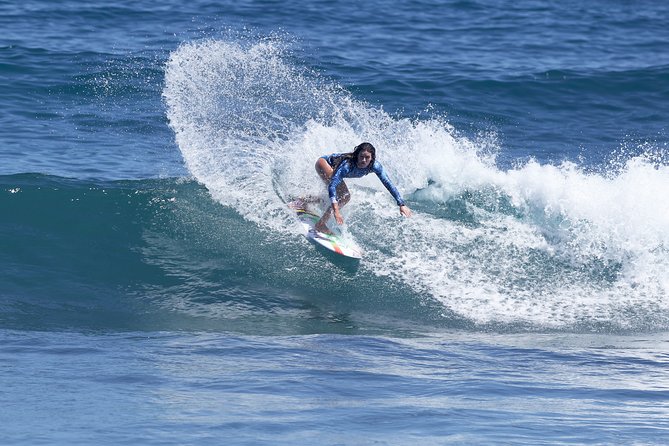
- Private session for up to four surfers: you and your crew share one shoot without getting swallowed by a big crowd.
- Water housing camera setup: pro gear is protected for shooting from inside the lineup, not just from shore.
- Shots from two angles: photographers capture tight close-ups and wider action moments from both sand and sea.
- Coaching that matches the camera: instruction and feedback help you produce better rides on film, not just survive the waves.
- Digital memories you can reuse: you’ll be able to download your photos after the session, so you can share quickly back home.
A two-hour private surf-and-film session in Cabo San Lucas
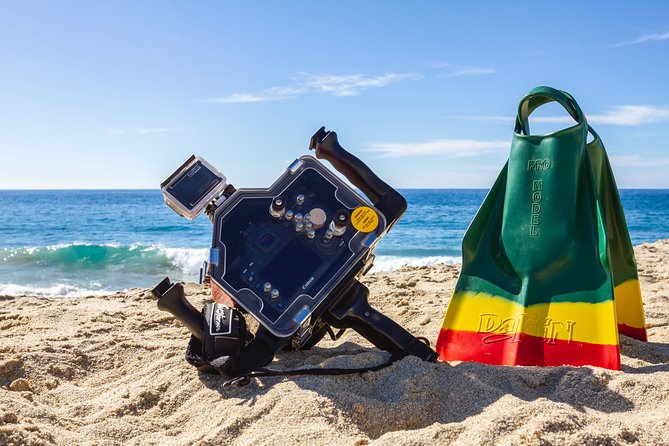
This isn’t the typical Cabo surf lesson where you get one awkward GoPro photo and a quick hi-five at the beach. I like that this experience is built around the idea that you’ll improve, but you’ll also leave with a real set of surf images and action video-style moments. It’s part sport day, part media shoot.
You’ll start and end in Cabo San Lucas, and the whole session runs about 2 hours. That’s long enough to get a couple of meaningful attempts in the water and still have time for beach guidance and real shooting. It’s also short enough that it fits into a trip schedule without turning the day into a full production.
If your group is made up of couples, friends, or families (up to four surfers), the private format matters. It means you’re not competing for attention with a dozen other people, and it gives the photographers a chance to shoot in a coordinated way as your crew rotates through.
You can also read our reviews of more tours and experiences in Cabo San Lucas.


Pickup, boards, and getting set at the start point
The experience begins in Cabo San Lucas and ends back at the meeting point. In practice, expect a coordinated start where someone gets you organized so you’re not spending the first 30 minutes figuring out where to be and when to paddle. Reviews specifically mention door-to-door service, including pickup and drop-off.
Another reason this works well is that you’re not on your own for the “stuff” part. People call out food, snacks, drinks, and boards being included as part of the day. That matters because surfing is time-sensitive. The longer you fuss over logistics, the less time you actually get on the water.
Here’s how I’d prepare mentally: you’re walking into the session as both a surfer and a subject. Even if you’re nervous, the team’s job is to make you feel comfortable quickly, so you can focus on wave reading and board control instead of wondering what to do with your arms and head while someone is shooting.
Beach coaching first, then feedback you can use immediately
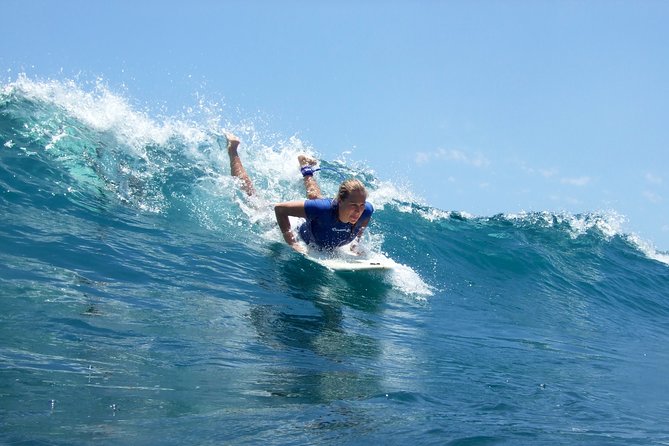
One of the most praised parts of this experience is how it teaches. If you’re brand new, you’ll likely get coached in a way that helps you feel steady. A review highlights that the team makes beginners comfortable, and another mentions a structured flow with a lesson on the beach before getting in the water.
That sequence is smart. Surfing is easier when you understand what to do before you’re paddling through foam. On the beach you can get quick fundamentals like:
- how to position yourself
- how to time your takeoff
- what to watch for in the wave shape
Then in the water, the guidance shifts to what you’re doing right then. One review notes one-on-one assistance and constant feedback aimed at improving technique. I love this because it ties directly to what you’ll see in your photos later. When the camera captures your body position, you can connect the coaching advice to an actual visual reference.
Also, the human element is real here. Reviews mention the owner/guide Martin, and also Emiliano. When you’re learning, it helps to have a calm, supportive guide who can explain things without making you feel like a choreographed model.
Shooting inside the surf: Canon gear in Nimar water housings
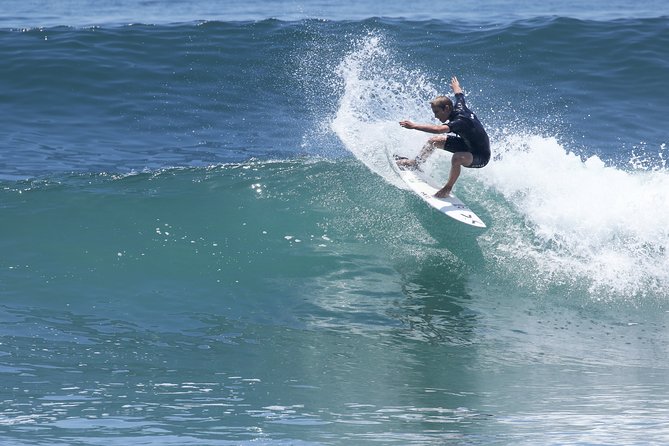
This is a photography-and-video experience with real production choices. The standout detail is the camera system: Canon 7D and 7D Mark II, L-series lenses, and Nimar water housings. They’re not improvising with casual underwater gear.
Why that matters for you:
- Clear action shots from the water: water housings help protect the cameras and keep shots sharp even with spray.
- Different lenses for different moments: action and wide moments shouldn’t look the same, and lens choice affects that.
- More angles across your run: you’re more likely to get at least a few frames where you’re riding clean rather than just paddling.
They use a mix of lenses, including a 100 to 400 mm for reaching and tightening the frame, plus an 8 to 15 mm fisheye and a 17 to 40 mm wide angle for dramatic wave-and-you perspectives. As a surfer, you benefit because you’ll get both:
- powerful close-ups (great for technique details and expressions)
- wide action shots (great for context, wave shape, and flow)
If you’ve ever looked back at surf photos and thought, why did I just look like I was thinking about the wipeout, you know the value of this approach. Shooting from both sand and water gives your best rides more coverage, and it increases the chance that at least some shots show the moment you actually caught and rode.
The in-and-out of the session: how photos and waves work together
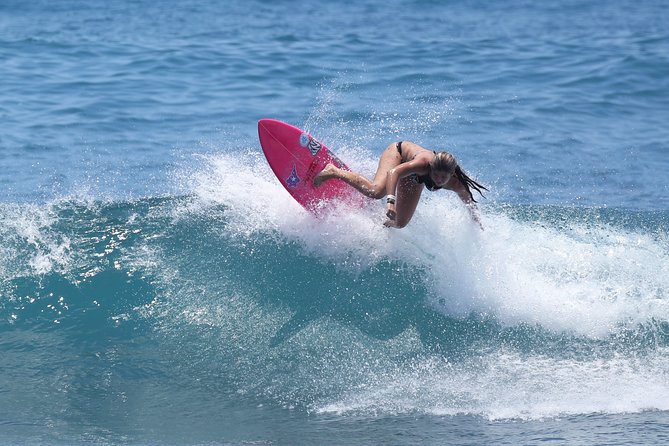
You’ll be doing normal surfing things: paddling, timing sets, standing up, and trying again when it doesn’t click. The difference here is that the photographers are moving through the day with a plan: catch the ride from multiple vantage points and capture the moments you remember emotionally, not just technically.
From the sand, you tend to get broader, more narrative shots. These are useful because they show you as part of the scene: wave lineup, friends nearby, and the overall vibe of your session.
From the water, you get the dramatic frame. That’s where close-ups and behind-the-foam perspectives can make you look like you’re in the middle of the action rather than reacting to it after the fact. Since the camera is protected for real water conditions, you’re more likely to get shots during the actual ride instead of only before or after.
And the coaching loop stays connected. Because you’re getting feedback during the session, you’re not just hoping you’ll improve by luck. Even if you only catch a couple of waves, you’ll have visual proof of what changed between attempts, and that makes it easier to understand how to progress next time.
If you’re surfing with friends, the up-to-four group size also makes this smoother. Everyone gets chances to get in the frame, and the photographers can manage timing so you aren’t waiting around while they chase someone else’s angle.
Who this surf photo adventure fits best
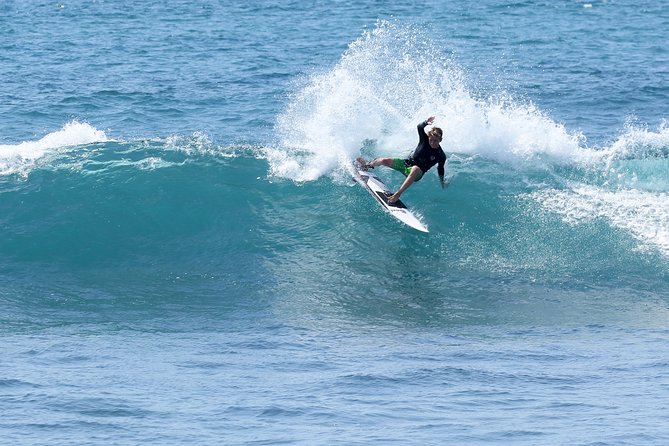
This tour format is built for groups that want both fun and results. You’ll probably enjoy it most if any of these describe you:
- You want a lesson but also want souvenirs that are worth sharing. A lot of surf lessons are about learning; this one adds serious photo coverage.
- You’re a beginner who needs comfort and clear feedback. Reviews specifically call out the team helping newbies feel at ease.
- You’re not traveling alone and want a private session. Up to four surfers in the same adventure is a sweet spot for couples and friend groups.
- You want to study technique later. The tour emphasizes that photos help you analyze and improve.
If your goal is purely recreation, you’ll still likely have a blast because it’s framed as a fun day out with a pro team capturing the experience. If your goal is serious training, it may feel more like a coaching-supported surf day than a long multi-hour surf camp, but the visual feedback makes it easier to practice what you learned.
Photos you can download: what the end result feels like
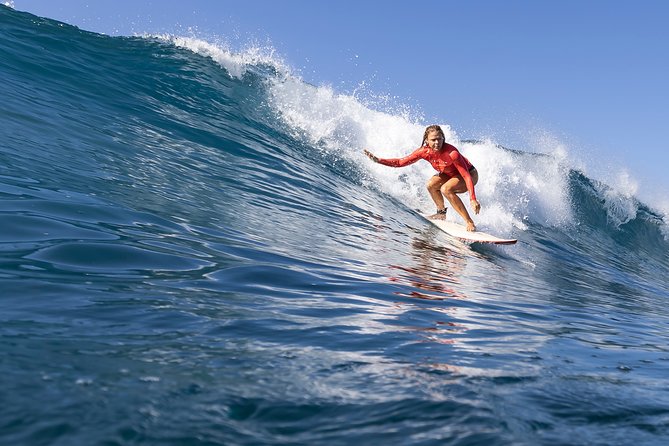
The best part of a surf photo shoot isn’t what you see while you’re still wet and tired. It’s what you get after, when you can sort through the images and actually study what happened.
One review mentions downloading the photos after returning home. That’s the important detail for you: you’re not stuck with a handful of printed shots you can lose in a backpack. You’ll have a set you can review and share.
What you’re likely to notice in your gallery:
- Action clarity (the action shots are described as clear)
- Natural expressions (people liked seeing expressions when catching and riding waves)
- Varied framing (close-ups plus wider moments)
That mix makes the photos more than proof you were surfing. They become a memory set that captures both the athletic moment and the human side. It’s also useful for improvement because you can compare posture and timing between attempts.
Price and value: $200 per group for a pro shoot
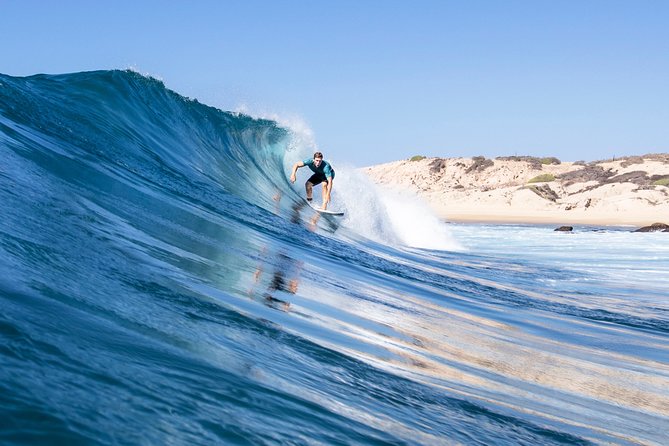
At $200 per group (up to four), the value depends on what you would otherwise pay for. If you’re planning to hire a photographer separately, or if you’re paying for a standard lesson and then hoping someone takes decent photos, this package starts looking like a bargain.
Here’s why it can be a good deal:
- you get private coaching and surf time
- you get professional photo/video-style capture with water housing gear
- reviews mention pickup/drop-off, food, snacks, drinks, and boards
- you leave with a gallery meant for sharing and learning
The “private” part matters too. A group tour can be cheaper, but the trade-off is usually crowd energy and less attention from both instructor and photographers. In a private format, your surf session becomes the entire focus for the team.
Just be honest with yourself about time. Two hours goes fast once you’re out there. If you want a slow, long lesson with lots of wave attempts, you might find yourself wishing for more. If you want a tight, well-shot experience with real feedback, the timing is a plus.
Practical weather reality in Cabo: plan for the waves
This experience requires good weather. That’s not a small detail, because surfing is literally a weather-and-swell sport. If conditions aren’t right, the session may be canceled and you may be offered another date or a refund. I’d plan your Cabo schedule with a little flexibility so you’re not stuck trying to force it on the one day you also have ten other reservations.
In terms of what you can control, treat the session like any surf day:
- bring sun protection (you’ll be outside for the whole shoot)
- be ready for splashes and spray
- wear surf-appropriate gear you’re comfortable moving in
Also, because you’re getting photographed, it helps if you can settle into a routine quickly. If you get flustered, focus on your breath and your task: paddle, watch the set, and listen for the guidance. The photographers can handle chaos, but you’ll feel better when you’re not fighting the moment.
Should you book Cabo Epic Private Surf and Video Photography?
I’d recommend booking if you want something more than a standard lesson. This is a great pick when you care about better surfing AND better memories, and when you like the idea of photos that show the ride, not just the fact that you showed up.
Book it if:
- you’re traveling with up to three other surfers
- you want a private feel instead of a crowded surf scene
- you’re a beginner and want comfort plus clear feedback
- you care about professional shots with proper underwater-ready gear
Skip it if:
- you’re looking for a long, half-day or full-day surf camp experience (this is about 2 hours)
- you hate weather-dependent activities and can’t shift your schedule
If you’re on a Cabo trip and you want your surf day captured in a way that actually supports learning, this format makes sense. The combination of coaching, pro equipment in housings, and multi-angle shooting is exactly the kind of value that turns a fun day on the water into something you’ll want to revisit.
FAQ
How long is the Cabo epic private surf and video photography adventure?
It lasts about 2 hours.
How many people can join the session?
Up to four surfers can join the same session.
Is this a private tour?
Yes. It’s private, so only your group participates.
Where does the tour start and end?
It starts in Cabo San Lucas, BCS, Mexico, and ends back at the meeting point.
What kind of photo and video equipment do they use?
They use professional Canon cameras 7D and 7D Mark II with L-series lenses, including 100 to 400 mm, 8 to 15 mm fisheye, and 17 to 40 mm wide angle, with Nimar water housings.
Do they photograph you while you’re surfing?
Yes. The team shoots from both the water and the sand to capture close-ups, wide action shots, and natural moments.
Do they offer help for beginners?
Most travelers can participate, and reviews mention they make newcomers feel comfortable and provide teaching and feedback in the water.
Does the experience include food and drinks?
Reviews mention food, snacks, and drinks as part of the day.
Is the activity weather dependent?
Yes. It requires good weather, and if it’s canceled due to poor weather you’ll be offered a different date or a full refund.