REVIEW · KYOTO
Kyoto: Photoshoot in a Machiya(Townhouse) in Kimono
Book on GetYourGuide →Operated by Kyoto Kimono Rental Yumeyakata · Bookable on GetYourGuide
A good photo starts with the right setting. This Kyoto machiya kimono shoot puts you in a real, 100-year-old townhouse atmosphere while a pro photographer runs the posing. I love the feeling of stepping into old Kyoto fabric and light, and I love that you get professional guidance for kimono poses (not just snapping from the sidewalk). One thing to consider: the photo count and delivery timing can vary, so if you need images for a specific event, give yourself extra buffer.
You’ll start by picking your kimono at Yumeyakata Gojo Shop, then take a short taxi ride to Yumeyakata Oike Bettei for the shoot near Kyoto Imperial Palace. The experience ends with time to wear your kimono around Kyoto before returning it by 5:30 PM. If you’re tall, have mobility limits, are pregnant, or use a wheelchair, this one likely won’t fit your needs.
In This Review
- Key Highlights You’ll Actually Care About
- Kyoto’s Machiya + Kimono Combo: Why This Works
- Start at Yumeyakata Gojo Shop: Picking a Kimono That Fits the Day
- The Taxi Transfer to Yumeyakata Oike Bettei: Small Cost, Big Payoff
- Inside the 100-Year-Old Machiya: Your Photoshoot Plan
- Posing and Walking in Kimono: What to Expect During the Shoot
- After the Shoot: Wear Your Kimono Around Kyoto (Then Return It)
- Photos: How Many You’ll Get and When You’ll See Them
- Price and Value: Is $130 Worth It?
- Who This Suits Best (and Who Should Skip It)
- Small Logistics That Make or Break Your Day
- Should You Book This Machiya Kimono Photoshoot?
- FAQ
- Where does the experience start?
- How long does the whole experience take?
- How do I get from the shop to the photoshoot location?
- How long is the photoshoot?
- How many digital photos will I receive?
- Can I get hair styling or makeup?
- Will I be able to wear the kimono after the shoot?
- When will I receive the edited photos?
- FAQ
- Is this activity refundable?
- What languages are the instructor guides?
- Is it small group or private?
- Is it suitable for wheelchair users or mobility impairments?
- What isn’t allowed during the experience?
- Can I decorate my kimono myself?
- Are costumes allowed?
- Is kimono fitting included?
Key Highlights You’ll Actually Care About
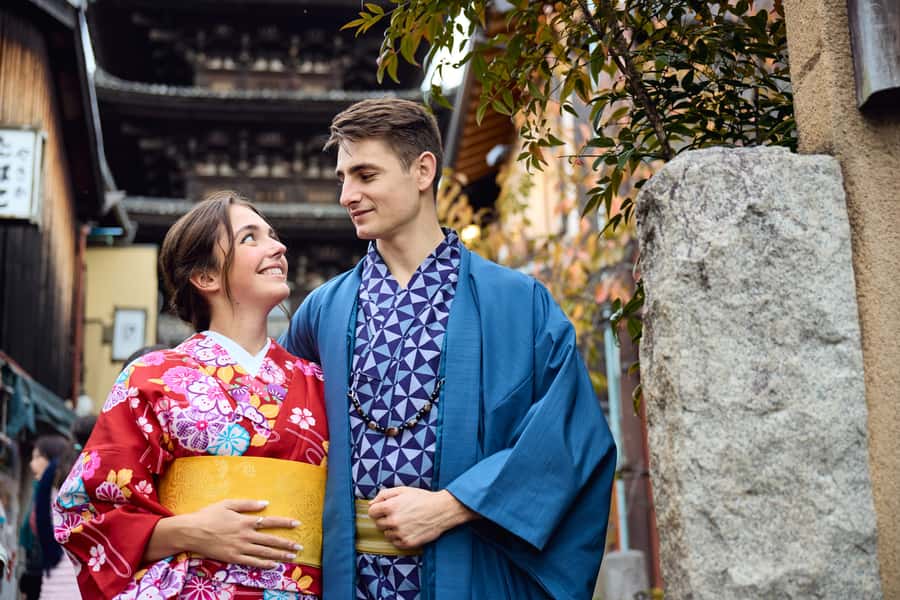
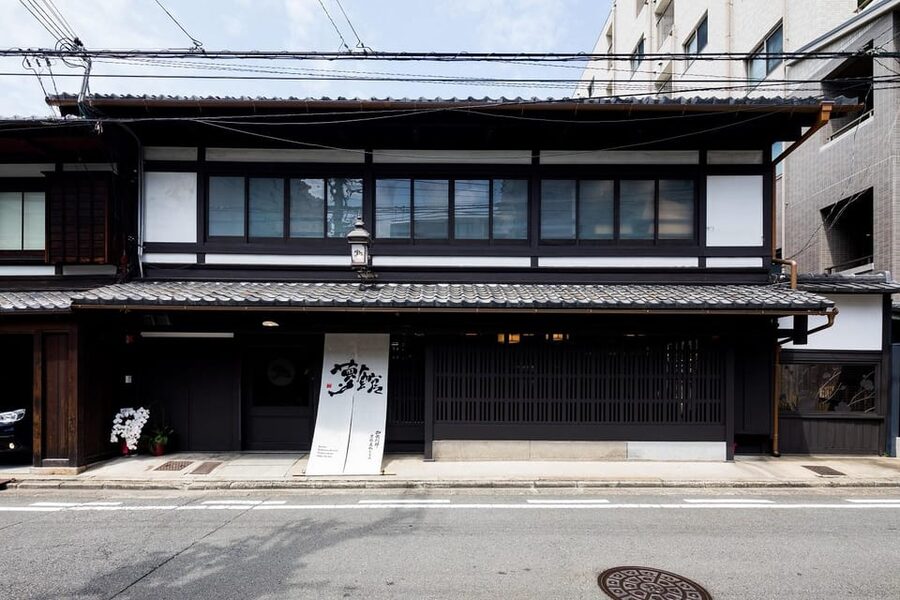
- 100-year-old machiya townhouse photos in a classic Kyoto court-and-aristocrat area near Kyoto Gosho
- Kimono posing help from a professional photographer, including use of props like a Japanese umbrella
- Choose your kimono at Yumeyakata Gojo Shop, with optional upgrades for ladies (formal styles, hair, makeup)
- Keep moving after the shoot: you can wear the kimono around Kyoto until the shop return time
- Digital photos by email (usually stated as 3–7 days), with an option to add more images
Kyoto’s Machiya + Kimono Combo: Why This Works
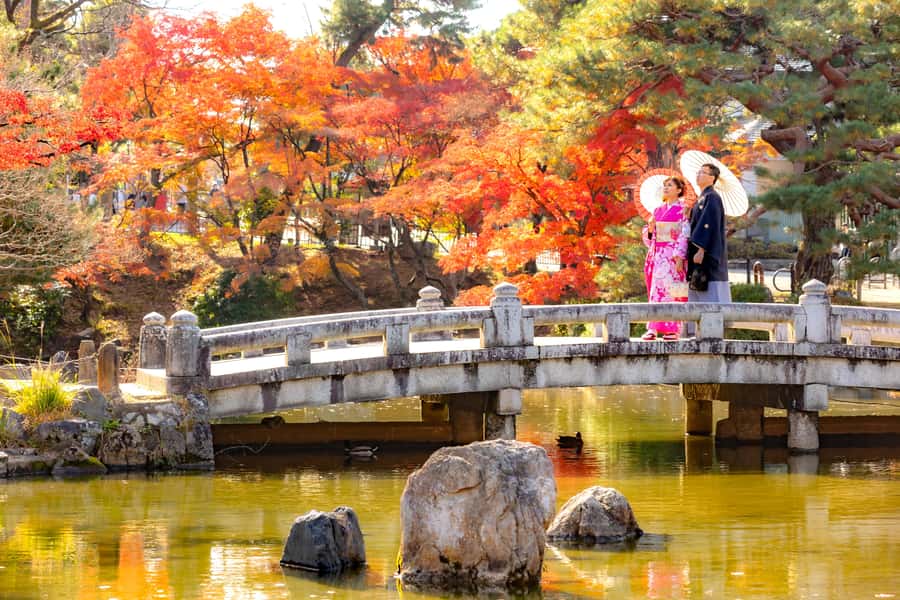
Kyoto can feel like a lot of “look but don’t touch.” This experience flips that. You’re not just observing traditional life from a distance—you’re dressed for it, positioned for it, and photographed inside a traditional townhouse setting.
The value here is in the pairing: a kimono rental plus a guided photoshoot. Most kimono experiences stop at “put on clothing and take a few pictures.” Here, you get a structured shoot time in a Japanese home-like space, so you leave with images that actually look like you belonged there.
The location choice also matters. The townhouse is near Kyoto Gosho (Kyoto Imperial Palace) and right beside the former residence of Nijō Yoshimoto, a key Nanboku-chō era court noble connected to the development of renga (linked-verse poetry). Even if you only know that Kyoto is famous for refinement and aesthetics, this area helps you feel why the region’s style is so deliberate.
You can also read our reviews of more tours and experiences in Kyoto.
Start at Yumeyakata Gojo Shop: Picking a Kimono That Fits the Day
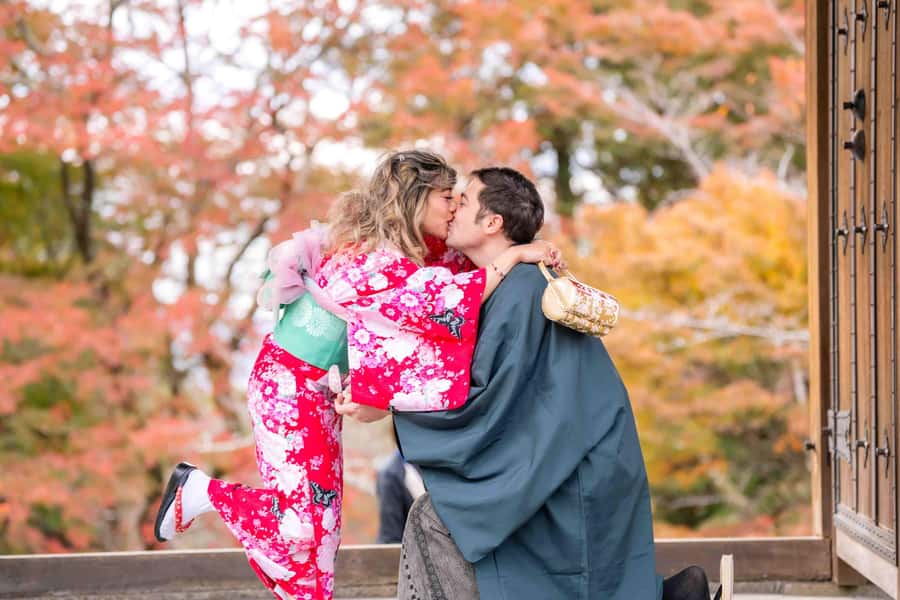
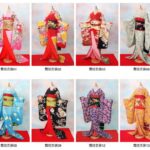
Your experience begins at Yumeyakata Gojo Shop at your reserved time. This part is more than a quick change. It’s your chance to pick the look you’ll be photographed in—color, design, and size are available, and the shop setup makes it easier to feel comfortable in the process.
If you’re a woman, there are optional add-ons that can meaningfully change the final look:
- hair styling
- makeup
- upgrading to more formal kimono types like Houmongi, Furisode, or Montsuki Hakama
That matters because kimono “reading” is visual. In photos, small differences—hair finish, formal vs casual styling—show up as more polished images. If you want your pictures to look like a wedding-invitation level of detail (even if it’s just a fun day), these upgrades are the easiest way to get there.
One practical note: you’ll be in your kimono all day, so pick something that you still feel good walking around in. If you get nervous about adjusting fabric or feeling too warm, choose a style that feels comfortable to you, not just pretty.
The Taxi Transfer to Yumeyakata Oike Bettei: Small Cost, Big Payoff
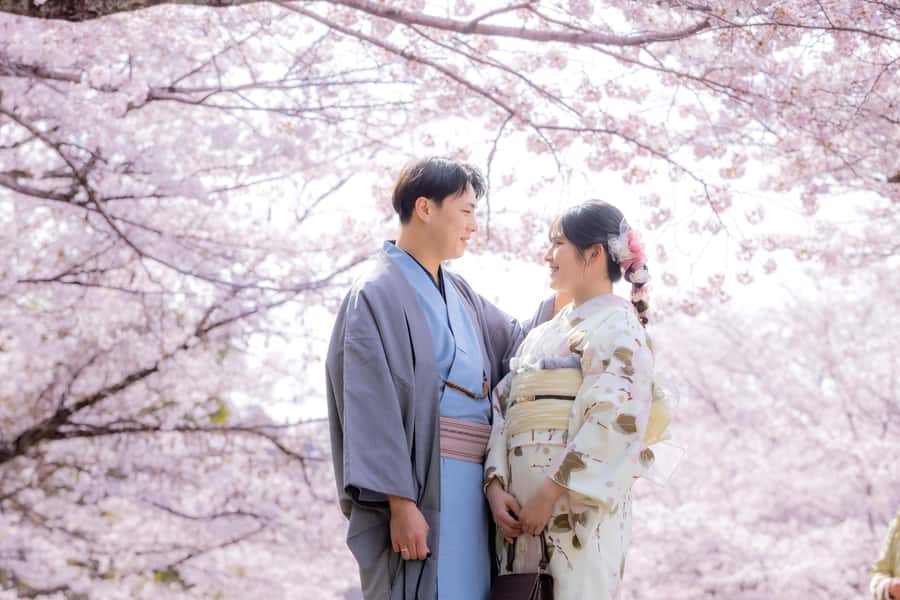
After you’re dressed, you’ll take a taxi to Yumeyakata Oike Bettei. The cost is about 1,600 yen per taxi, and it isn’t included.
Why does this matter? Because this is part of what keeps the shoot focused. Instead of fighting traffic, crowd timing, and route planning, you’re moving directly between the wardrobe spot and the photo site. In Kyoto, where walking can be great but takes time, that simple transfer can be a relief.
Also, arrive ready to go. Once you get to the townhouse, the shoot starts right away, so you don’t want to be doing last-minute adjustments or stressing about timing.
Inside the 100-Year-Old Machiya: Your Photoshoot Plan
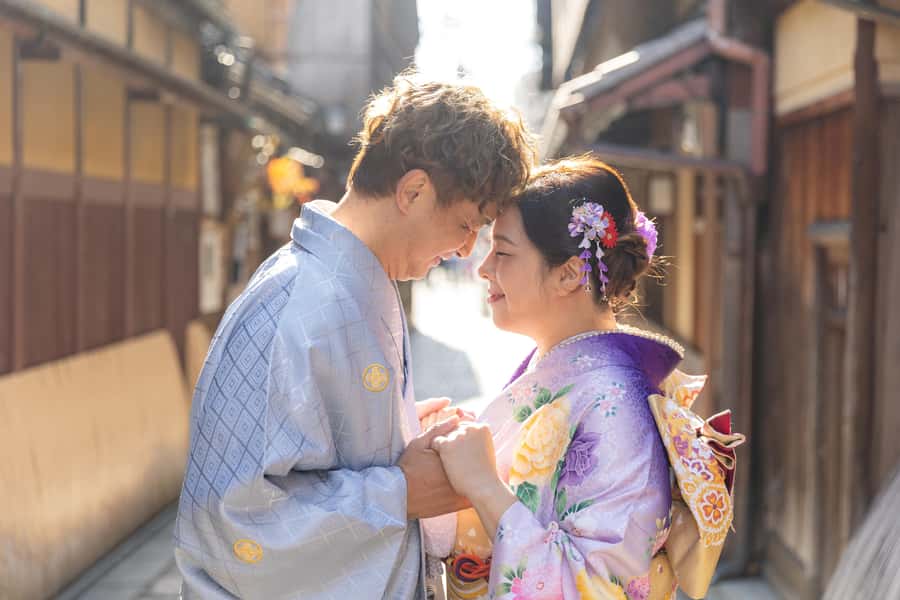
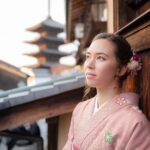
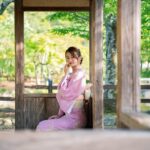
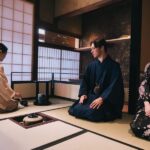
At Yumeyakata Oike Bettei, you’ll begin with about 30 minutes in the traditional townhouse for the photoshoot. The photographer guides you through kimono posing and walk-style cues, using props like a Japanese umbrella to help create better shapes and movement in photos.
Here’s why that guidance is worth paying for:
- Kimono changes your posture. Without coaching, most people look stiff or unsure where their hands should go.
- Props add storytelling. An umbrella isn’t just for decoration; it gives your arms and body something intentional to do.
- A pro can direct facial angles, foot placement, and timing so your images look natural instead of “posed like a tourist.”
You’ll spend part of the time getting a feel for the space and the look. The goal isn’t to turn your day into a complicated photos session. It’s to get enough direction to make your pictures feel believable in that setting.
Posing and Walking in Kimono: What to Expect During the Shoot
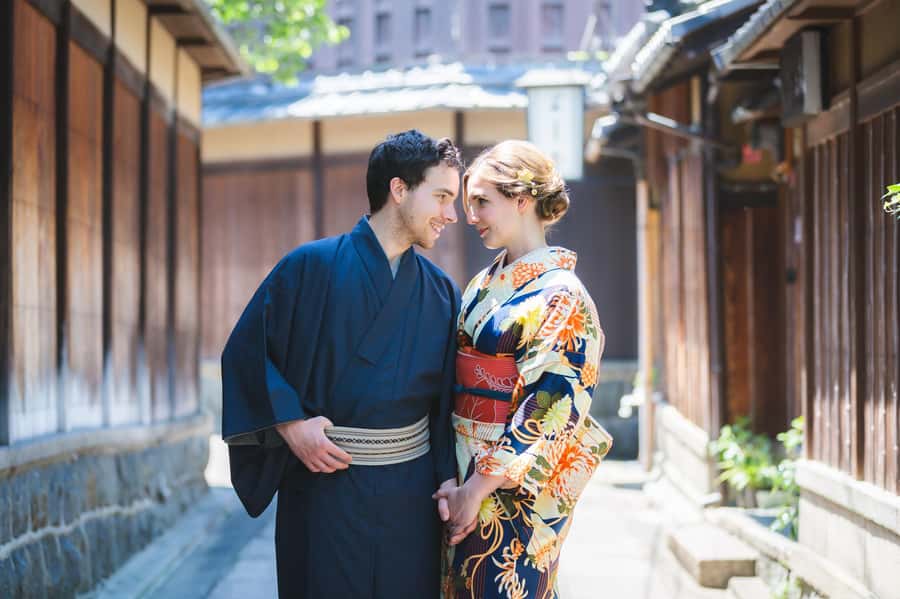
You’ll be taught how to pose in kimono and how to “walk like Japanese,” in the sense that your steps and body alignment will be guided to match the traditional silhouette. Even if you’ve never worn kimono before, you’re not expected to perform like you grew up in one.
A good photoshoot feels structured, not stressful. The photographer’s job is to keep you moving through poses so you can relax into it. You’ll also likely do small resets—turning angles, repositioning, changing to a slightly different stance—until the set of images makes sense.
Quick tip for you: stay flexible with your body. If something feels awkward, mention it early. With kimono, tiny changes can prevent bunching at the waist or awkward fabric pulling in photos.
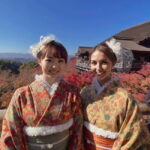
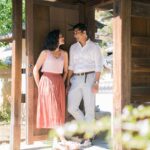
After the Shoot: Wear Your Kimono Around Kyoto (Then Return It)
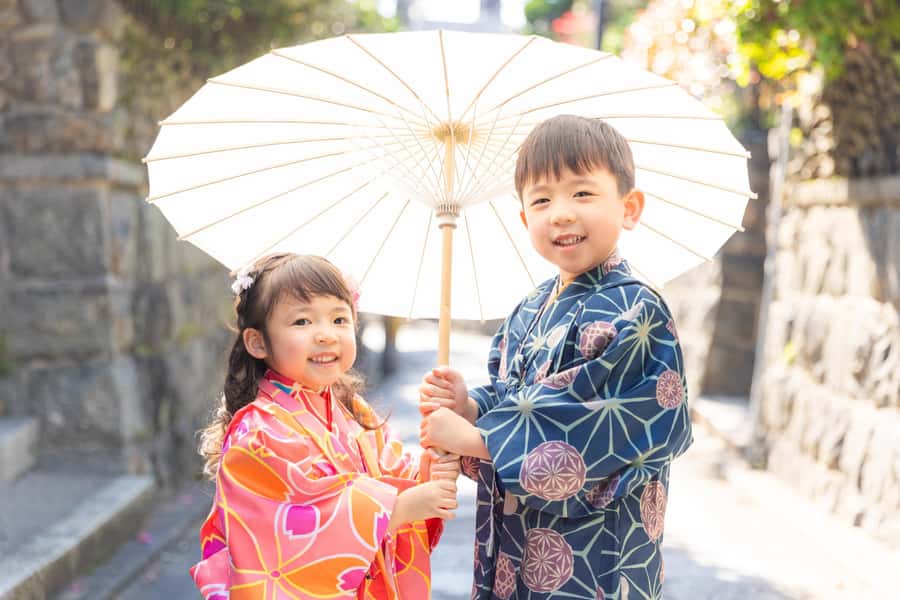
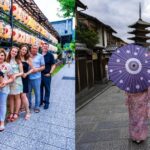
One of the best parts of this plan is what happens after the camera stops rolling. You’re free to wear your kimono and stroll around Kyoto afterward.
That’s not just a perk. It changes how you experience the day. Instead of squeezing photos into a short window, you get to actually live in the look for a few hours. You might find you take more photos yourself simply because you’re in a traditional outfit and Kyoto feels more “in sync.”
You do need to return your kimono to the Gojo shop by 5:30 PM. Build your day around that deadline. If you’re trying to do extra sightseeing in the same outfit, leave time to get back, get it taken off, and avoid rushing at the end.
Photos: How Many You’ll Get and When You’ll See Them
The materials for this experience mention digital delivery and image counts, but there’s a detail worth confirming before you book.
- The experience description talks about 100 digital photos.
- The included list says 50 images in the digital file, and an extension adds 50 more digital images.
So your final photo count may depend on whether you choose the optional shoot extension. If you want close to 100 images, make sure you know exactly what’s included in your package at booking time.
Timing is also listed as about 3–7 days via email after the photoshoot. That’s a good target. Still, if you need photos for a trip recap, gift, or an event, give yourself buffer days. There have been cases where people waited longer than expected, even when the stated plan is shorter.
Also remember: higher image counts don’t automatically mean higher quality. The best outcome is that you get a range of strong poses, not just lots of near-duplicates.
Price and Value: Is $130 Worth It?
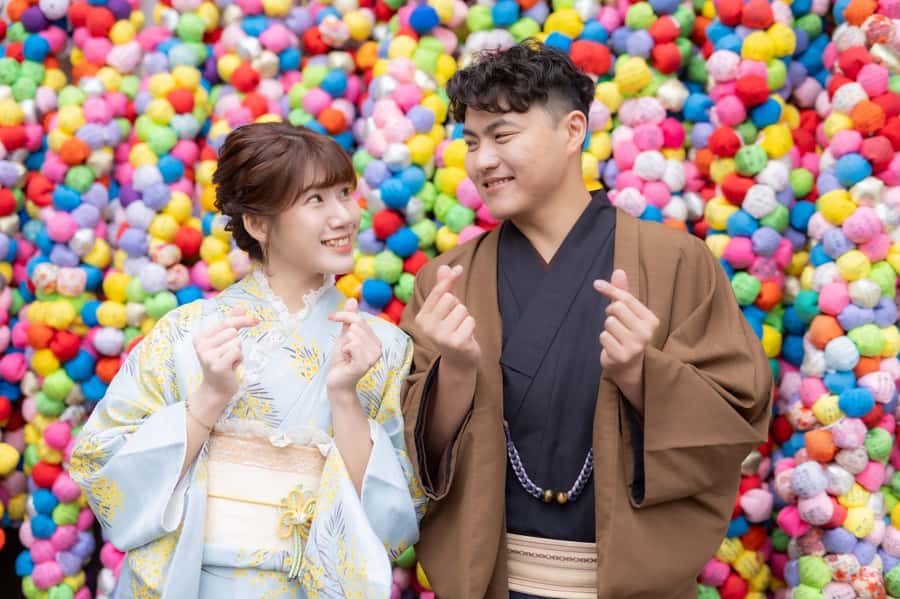
At about $130 per group up to 1, the price structure is meant for a small, personalized experience. You’re not paying for entry into a museum or a bus ride. You’re paying for:
- a kimono rental
- guidance and time in a professional shoot setting
- digital image delivery
- the option to expand your shoot for more images
If you’d normally spend money on renting a kimono and then trying to take your own photos (usually with results you’ll be mildly annoyed by later), this is often a better deal because it includes the hardest part: posing and photo direction.
Where value can drop slightly is if you end up disappointed by photo count or delivery timing. Since there are details in the materials that can affect the final number of images, I’d treat the photo package as a “confirm before you go” item. It’s the one area where you can protect your expectations before paying.
Also factor in the taxi cost between the shop and the townhouse (about 1,600 yen per taxi). That’s small compared with what you’re buying, but it’s still a real add-on.
Who This Suits Best (and Who Should Skip It)
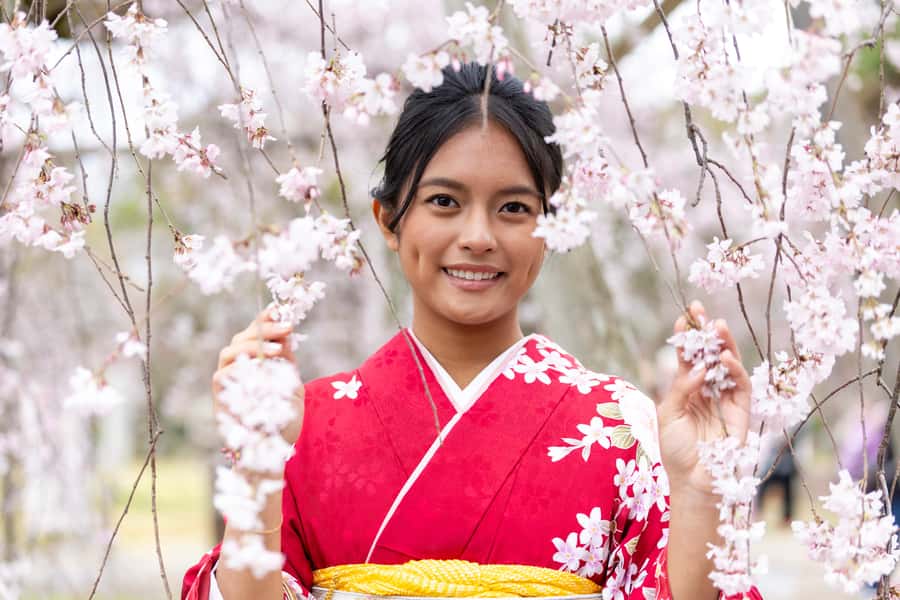
This experience fits best if you want a traditional Kyoto look without DIY photo stress.
You’ll likely enjoy it if:
- you want a guided photoshoot rather than random smartphone snapshots
- you’re excited to wear kimono beyond just a quick rental stop
- you care about getting images that match a traditional Kyoto setting
You should think twice if:
- you’re traveling with mobility limitations or need wheelchair access (not suitable)
- you’re pregnant (not suitable)
- you’re over 6 ft 6 in (200 cm) or over 209 lbs (95 kg) (not suitable)
- you’re sensitive to strong fragrances (strong fragrances aren’t allowed)
And there are basic etiquette constraints: no pets, no smoking, and no food or drinks during the experience. That’s normal for structured photo shoots, but it helps to know so you don’t plan snacks.
Small Logistics That Make or Break Your Day
This one is fairly simple, but a few details can help your experience go smoothly.
First, plan your arrival time at Yumeyakata Gojo Shop. You select your kimono there, and once dressed, you move quickly to the townhouse for the shoot. If you’re late, the schedule compresses fast.
Second, think about comfort. Kimono look amazing, but your feet and posture take adjustment. You don’t need to “master” kimono etiquette—just give yourself time to walk naturally in it.
Third, avoid overdoing perfume or strong scents. The experience rules mention strong fragrances, so keep it subtle.
Finally, remember the return deadline: 5:30 PM is your hard stop for the kimono.
Should You Book This Machiya Kimono Photoshoot?
Yes, if you want Kyoto in a very specific way: dressed for tradition, photographed with real direction, and then worn around the city afterward. The townhouse setting near Kyoto Gosho is a strong match for kimono, and the photographer-led posing (with props) is the difference between decent photos and photos you actually want to keep.
I’d be a little cautious if you’re strict about receiving exactly a certain number of images or you need them quickly for a deadline. Since the materials suggest 50 images included with a possible extension, confirm your final photo count. Also treat the stated 3–7 day delivery as the goal, not a guarantee for every situation.
If you’re flexible and want a memorable Kyoto look you can walk around in, this is a solid pick.
FAQ
Where does the experience start?
You start at Yumeyakata Gojo Shop in Kyoto at your reserved time to choose your kimono.
How long does the whole experience take?
The duration is listed as about 3 hours (check availability for starting times).
How do I get from the shop to the photoshoot location?
After you’re dressed, you take a taxi to Yumeyakata Oike Bettei. The taxi fare is about 1,600 yen per taxi and is not included.
How long is the photoshoot?
The main photoshoot is listed as about 30 minutes.
How many digital photos will I receive?
The included details list 50 digital images, and there is an optional 30-minute shoot extension that adds 50 more digital images. The overall description also mentions 100 digital photos, so it’s best to confirm what your package includes.
Can I get hair styling or makeup?
Yes. For ladies, add-ons may include hair styling, makeup, and optional upgrades to more formal kimono styles.
Will I be able to wear the kimono after the shoot?
Yes. After the shoot, you can stroll around Kyoto wearing your kimono, and you must return it by 5:30 PM.
When will I receive the edited photos?
Edited photos are sent by email in about 3–7 days after the photoshoot.
FAQ
Is this activity refundable?
Cancellation is listed as free up to 24 hours in advance for a full refund.
What languages are the instructor guides?
The listed languages for the instructor are Japanese and English.
Is it small group or private?
It’s listed as a small group limited to 1 participant.
Is it suitable for wheelchair users or mobility impairments?
No. It’s listed as not suitable for wheelchair users and people with mobility impairments.
What isn’t allowed during the experience?
The listed restrictions include no pets, no smoking, no food and drinks, and no strong fragrances. Electric wheelchairs are also not allowed.
Can I decorate my kimono myself?
Decoration items on kimono are listed as an option on spot, starting at 220 yen.
Are costumes allowed?
Wearing a costume is listed as not allowed.
Is kimono fitting included?
Yes, the experience includes dressing for the provided kimono rental, but it notes you do not dress up your own kimono.