REVIEW · KYOTO
Kyoto: Tea Ceremony with Kimono and Photoshoot
Book on GetYourGuide →Operated by Japan Wonder Travel · Bookable on GetYourGuide
Kimono and matcha turn Kyoto into a storybook. This 90-minute experience pairs kimono dressing with an English-led tea ceremony and a tidy little photo session you can actually keep.
I love the hands-on matcha moment, where you make your own green tea and then enjoy it with Japanese sweets. I also like that the package includes 3 photos taken by a professional photographer, so you’re not stuck pleading with strangers for “one quick shot.”
One thing to plan around: timing is strict. If you arrive more than 10 minutes late, you won’t be able to join, and you’ll also need to return your kimono by the same-day cutoff.
In This Review
- Quick, Specific Highlights
- Kimono Dressing in Nishiki Market vs Gion: Pick the Right Shop
- Inside the Tea Room: What the English Demonstration Really Covers
- Making Matcha and Tasting It with Japanese Sweets
- The Professional Photoshoot: 3 Images You’ll Actually Want
- Time in Kyoto After the Ceremony: Use Your Kimono Time Wisely
- Price and Value: What $127 Covers in the Real World
- Rules That Matter: Timing, Shoes, Allergies, and Where You Start
- Who This Kyoto Tea Ceremony Is Best For
- Should You Book This Kyoto Tea Ceremony with Kimono and Photos?
- FAQ
- How many people are in the group?
- Is the tea ceremony explanation available in English?
- What’s included in the price?
- Can I cancel and get a full refund?
- What happens if I’m late or go to the wrong meeting location?
- Are there any restrictions related to food allergies?
Quick, Specific Highlights
- Two Kyoto meeting points: Nishiki Market (kimono return by 6:00 PM) and Gion (return by 5:00 PM)
- Small group, max 10: calmer pace and more time for questions in English
- English tea ceremony demo: history and culture explained clearly by your English-speaking tea master, including cleansing and blessing steps
- Make your own matcha: whisk it yourself, then sip it with Japanese sweets
- Professional photos, 3 total: you get a real photoshoot, plus time for your own pictures in kimono
Kimono Dressing in Nishiki Market vs Gion: Pick the Right Shop
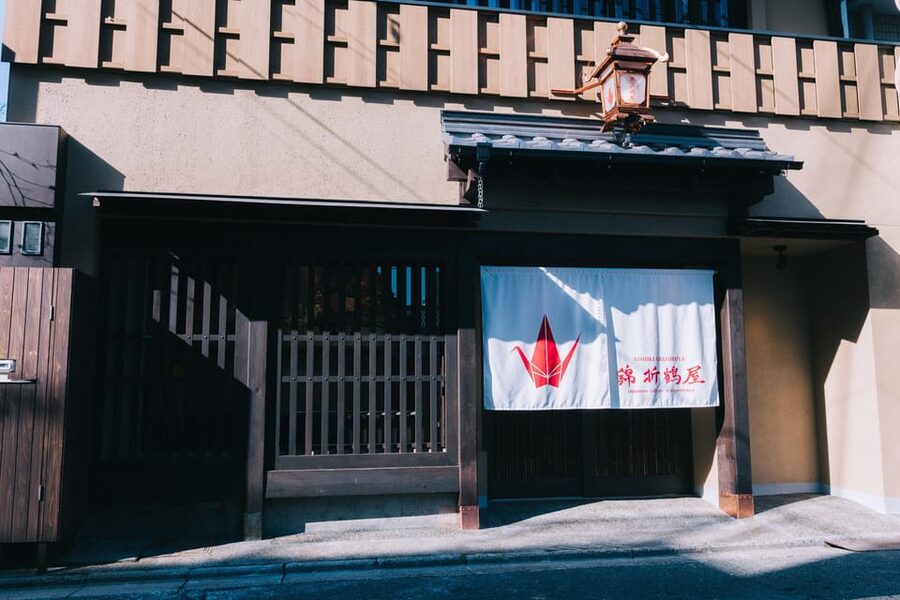
You’ll start with the kimono part at one of two Kyoto locations: Nishiki Market or Gion. Choose the correct option when you book, because arriving at the wrong shop means you won’t be allowed to join.
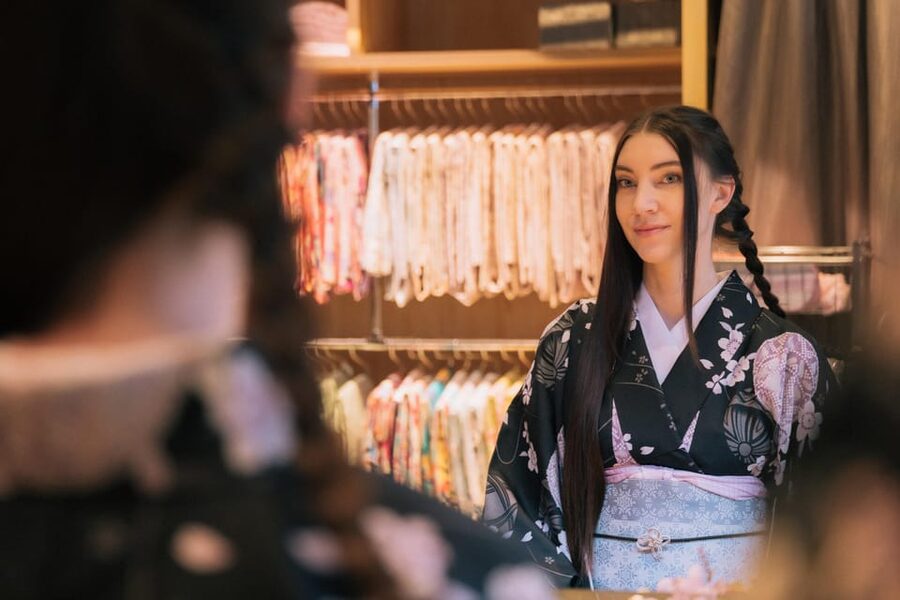
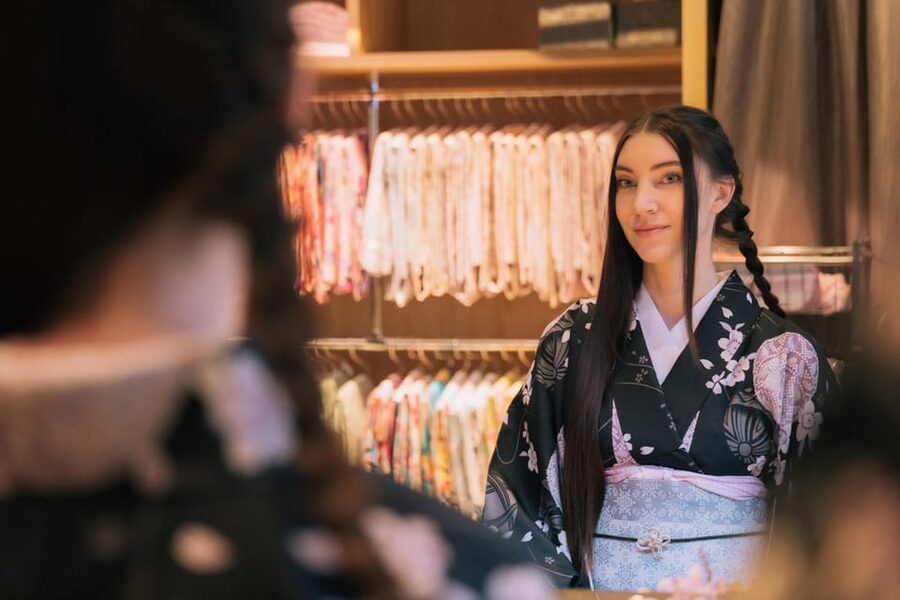
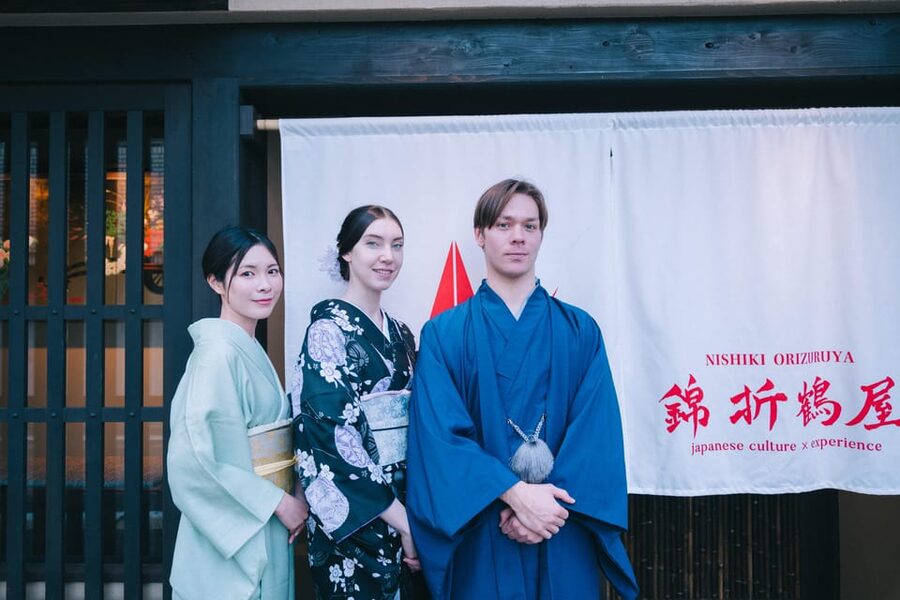
Once you meet up, you’ll change into your kimono on-site. The organizers need your height and gender in advance so they can prepare the right kimono sets. That’s one of those details that makes the whole experience feel smooth—no frantic rummaging for a perfect fit.
Here’s a practical tip that matters: plan to be there early enough to get settled, but not so late that you risk missing your start time. The experience is run on a schedule, and the tea ceremony happens when it happens. One participant noted they had to wait longer than expected between arrival and the start of the ceremony—so showing up with a buffer can help you stay relaxed.
You also get the option to spend time in your kimono after the tea ceremony. Just remember that the kimono isn’t “all day.” You must return it the same day by the deadline:
- Nishiki Market: return by 6:00 PM
- Gion: return by 5:00 PM
You can also read our reviews of more tours and experiences in Kyoto.
Inside the Tea Room: What the English Demonstration Really Covers
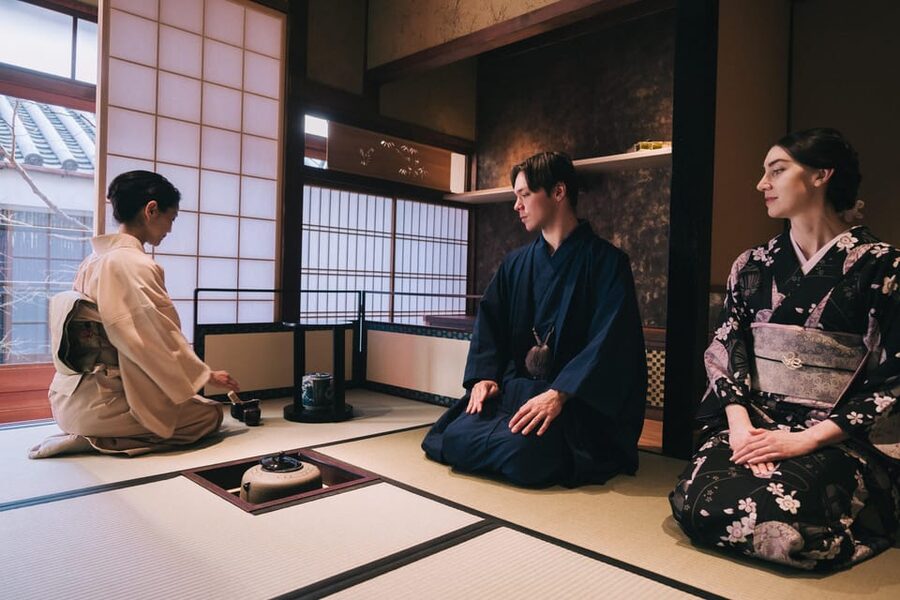
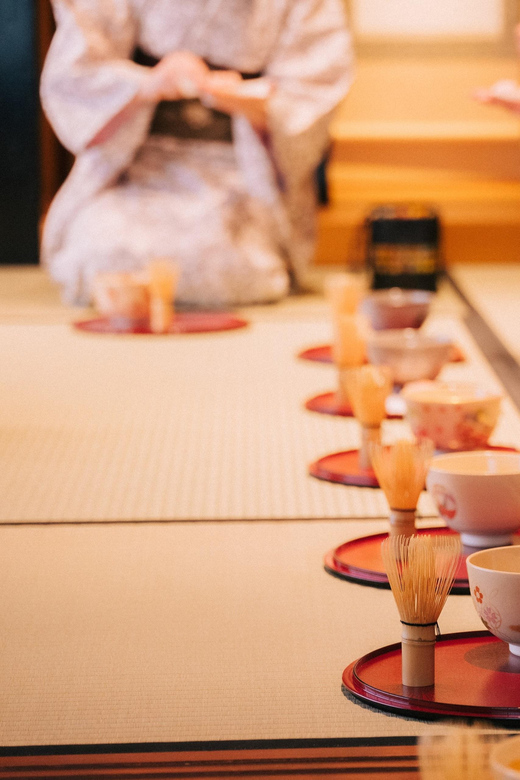
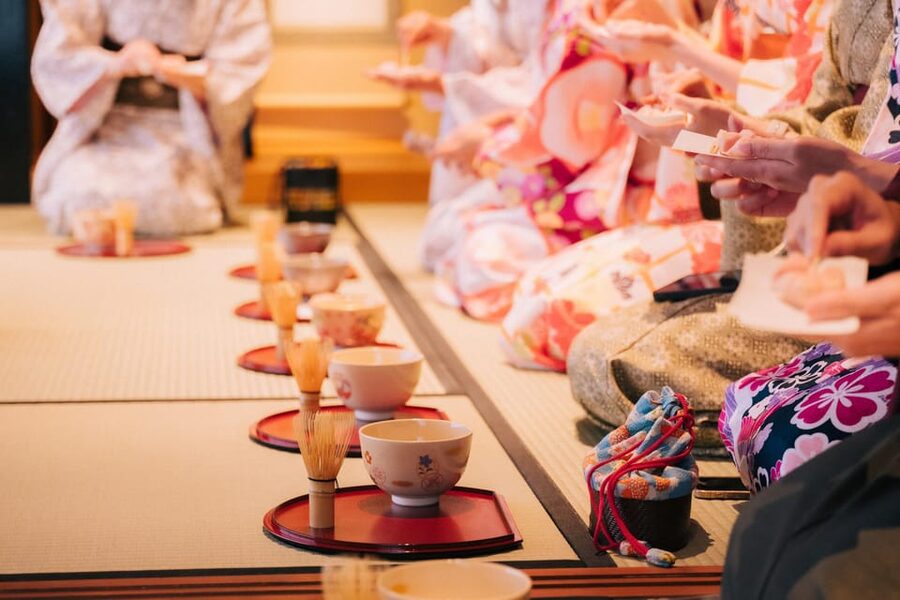
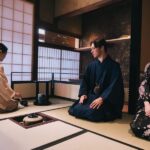
This isn’t a silent “watch-and-clap” performance. You’ll enter the tea room and follow along with a tea ceremony demonstration in English led by a friendly English-speaking tea master.
The focus is on meaning, not mystery. You’ll learn about the history and cultural context of the tea ceremony, and you’ll see how the ritual works step by step. Several people mention the session includes the cleansing and blessing elements, which is the part that makes the ceremony feel more like a respectful practice than just tea drama.
It’s also important that the group is small (limited to 10 participants). That tends to keep the mood respectful and easy to follow—especially if you have questions about etiquette or what you’re seeing. If you like explanations that don’t drown you in details, this format is usually a good match.
And yes, you’ll be in a kimono for it. That changes the experience. Even if you’ve worn cultural clothing before, this setup has a built-in rhythm: dressing first, then the ceremony, then the tasting. It keeps the whole thing from feeling like separate activities glued together.
Making Matcha and Tasting It with Japanese Sweets
After watching the demonstration, you get to do the fun part: you’ll make your own matcha green tea. This is where the tea ceremony stops being a show and becomes something you’ve actually practiced.
The experience includes your matcha and Japanese sweets to eat along with it. That pairing is a big part of why people love this activity: you’re not only whisking tea, you’re experiencing the flavor balance the ceremony is built around.
If you have food allergies, tell the organizers in advance. This is specifically called out for a reason—because the sweets are part of what’s included. Don’t rely on guesswork once you’re there. Send your allergy info beforehand so they can plan accordingly.
One more detail worth keeping in mind: the instructions and flow are part of the cultural practice. You’ll be guided through what to do, but you don’t need to be “good at tea.” The goal is learning through doing.
The Professional Photoshoot: 3 Images You’ll Actually Want
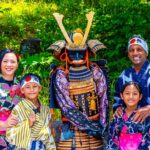
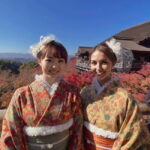
The “photo” part isn’t an afterthought. A professional photographer takes your pictures as part of the experience, and you receive 3 photos as a memento.
You’ll also have time for your own photos while you’re in kimono. That’s a nice balance: your pro shots cover the polished, low-stress results, and your personal photos let you capture angles and moments you care about.
A small timing note: some participants report the photos arrived a couple of hours later by email. That can be handy if you’re planning your next day and want the photos sooner rather than later. The important part for planning, though, is simple: you leave with a specific number of professional images already included in the price, so you’re not paying extra on the spot.
Time in Kyoto After the Ceremony: Use Your Kimono Time Wisely
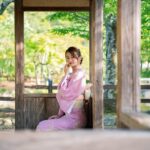
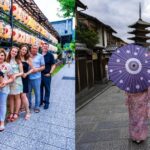
After the tea ceremony, you’re free to stroll around in your kimono and absorb Kyoto’s atmosphere. This is one of the best practical bonuses, because it turns the experience into more than a 90-minute classroom.
But your kimono time has boundaries. You must return the kimono by the same-day cutoff, so don’t plan a long detour that risks making you rush back at the end.
This is also when you’ll want to think about comfort. You’ll be wearing clothing that may feel very different from your usual travel outfit. Plan for slower walking, and keep your route flexible. Also remember the house rules: no shoes indoors, which means you’ll likely remove shoes at least during parts of the ceremony and photo session space.
If you’re hoping for lots of pictures, bring your best mood and your patience. The experience is run like a real ritual, not a casual photo booth. The payoff is that the photos come out with context—kimono, ceremony setting, and a calm pace.
Price and Value: What $127 Covers in the Real World
At $127 per person for 90 minutes, the value comes from stacking three things together:
1) Kimono dressing
2) An English tea ceremony with matcha-making and sweets
3) A professional photographer delivering 3 photos
If you try to piece this together separately, it’s easy for costs and hassle to creep up. A package like this pays for the coordination: the staff manage dressing, the tea flow, the ceremony explanation, and the photos in one tight schedule.
It also helps that it’s a small group (up to 10 participants). That matters for value because it usually means more attention from the tea master and less waiting around.
The reviews also highlight the professionalism and care in the process—especially the attention to detail during dressing and the respectful tone of the ceremony. When an activity gets the “run it well” part right, you end up spending less mental energy and more time enjoying the moment.
Rules That Matter: Timing, Shoes, Allergies, and Where You Start
This experience is straightforward, but you do need to respect the boundaries.
- Shoes indoors are not allowed. You’ll go without shoes in the tea-room setting and similar indoor areas.
- No smoking. Simple rule, but it’s part of the ceremony environment.
- If you arrive more than 10 minutes late to the starting time, you cannot join and there’s no refund. This is a hard cutoff—treat it like a flight, not a casual dinner.
- Select the correct location when booking. You can’t show up at the wrong shop and expect them to “fit you in.”
- Allergies must be shared in advance. Since sweets are included, they need your info ahead of time.
There are also eligibility notes:
- Not suitable for children under 5
- Wheelchair users are not accommodated
The practical takeaway: treat this like a timed cultural appointment. If you build your plan around that, you’ll enjoy it. If you gamble on catching up later, you risk missing the entire experience.
Who This Kyoto Tea Ceremony Is Best For
This is a great fit if you want a meaningful cultural activity that doesn’t require prior knowledge. The ceremony is explained in English, and you’ll be guided through the process rather than left to figure it out alone.
It’s also ideal for you if:
- You want a photo memory that feels authentic, not just a quick selfie in a rented outfit
- You like doing activities that include a hands-on component (matcha-making)
- You want a calm, respectful cultural moment in Kyoto rather than just rushing through sights
If your travel style is super spontaneous, this one might feel less flexible because of the strict timing rules and the “no late arrival” policy. If you can plan your day and get there on time, you’ll likely have a much smoother experience.
Should You Book This Kyoto Tea Ceremony with Kimono and Photos?
Book it if you want a single, well-organized package that gives you kimono dressing, an English tea ceremony, matcha-making with sweets, and a professional photoset. The included 3 photos are especially valuable if you care about remembering the moment without dealing with awkward photo logistics.
Skip it if strict timing is stressful for you or if you know you might be late due to a day of tight sightseeing. Also skip if indoor shoe removal and the ceremony environment are a mismatch for your needs.
If you want a Kyoto experience that feels intentional—kimono on, tea explained, matcha made, photos captured—this is a strong choice.
FAQ
How many people are in the group?
The experience is a small group limited to 10 participants.
Is the tea ceremony explanation available in English?
Yes. The tea ceremony demonstration is provided in English.
What’s included in the price?
Your package includes kimono dressing, a tea ceremony demonstration in English, matcha green tea and sweets, and 3 photos taken by a professional photographer.
Can I cancel and get a full refund?
You can cancel up to 24 hours in advance for a full refund.
What happens if I’m late or go to the wrong meeting location?
If you arrive more than 10 minutes late from the starting time, you’re not allowed to join and there is no refund. Also, if you select the wrong location, you won’t be able to join.
Are there any restrictions related to food allergies?
If you have any food allergies, you need to let them know in advance, since you’ll be served sweets as part of the experience.