REVIEW · KYOTO
Kyoto: Private Gion District Photoshoot Experience
Book on GetYourGuide →Operated by PhoenixJP合同会社 · Bookable on GetYourGuide
Kyoto has a way of slowing you down. A private Gion photoshoot gives you that slower pace, plus photos that actually look like you planned them. You’ll walk Kyoto’s classic sights in Higashiyama while a trained photographer steers the shots, from temple backdrops to old-street corners.
What I like most is the direction. Even if you feel awkward in front of a camera, the photographer helps you pose, decide where to look, and keep moving naturally. I also love that you’re not stuck with cookie-cutter angles; the route can cover major stops like Hōkan-ji Temple and Sannenzaka, plus quieter photo spots if that’s your vibe.
One thing to consider: some locations can involve paid entry (and at least the photographer’s admission fee is on you). Also, edited delivery is typically fast, but busy season can stretch timelines.
In This Review
- Key highlights you’ll care about
- The real value of a private Gion photoshoot in Kyoto
- Where you start: 625 Gionmachi Kitagawa and how the shoot flows
- Icon stops in Kyoto: Hōkan-ji Temple, Sannenzaka, Yasaka Koshindo, and more
- Hōkan-ji Temple: the pagoda view you actually want
- Sannenzaka Street: traditional Kyoto steps and textures
- Yasaka Koshindo: color and character
- Hidden street and “old Kyoto atmosphere”
- Maruyama Park: seasonal beauty for softer portraits
- The kimono-friendly bonus (if you arrange it)
- Pose coaching that feels natural (not forced)
- How long it really takes: 90 minutes to 7 hours
- The photos you get: quantity, edits, and download window
- Price and value: what $109 per group gets you
- Who should book this Kyoto photoshoot?
- Should you book it? My decision guide
- FAQ
- What locations can we visit during the Kyoto Gion photoshoot?
- Where does the photoshoot start?
- How many photos do I receive?
- When do I get the edited photos?
- How long can I download the photos?
- Are temple admission fees included?
- How long is the experience?
- What languages are available for the photographer?
- Is free cancellation available?
Key highlights you’ll care about
- Private, guided shooting: one group, one photographer, clear posing cues.
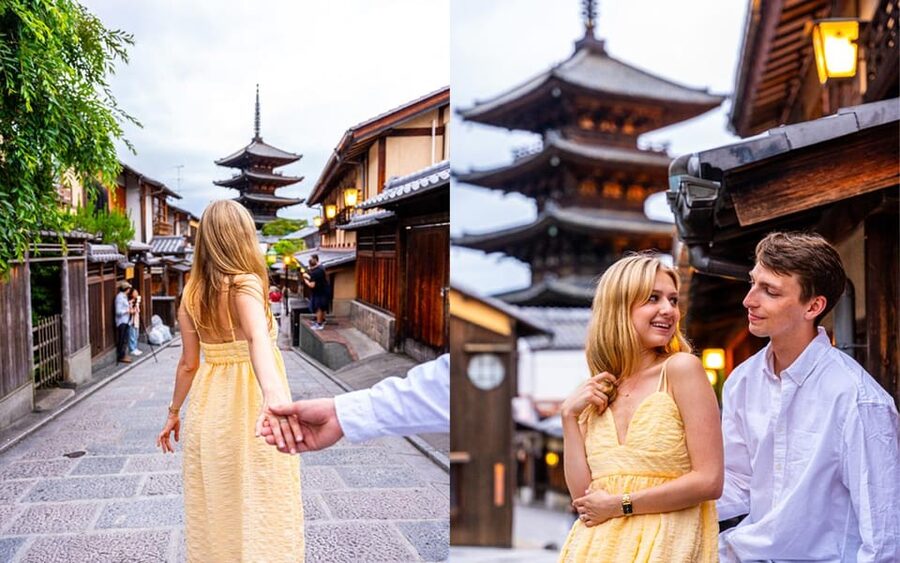
- Iconic Kyoto locations: Hōkan-ji Temple, Sannenzaka, Yasaka Koshindo, plus optional side streets.
- High volume of images: about 200 standard JPGs per hour, not just a handful.
- 30 professionally edited photos: the keepers you’ll post and print.
- Custom route: you can pick your pace and backdrops, usually around 5 locations within about 1.5 hours.
- Fast turnaround with a realistic plan: aim for delivery within 24 hours; photos download for two weeks.
The real value of a private Gion photoshoot in Kyoto
Kyoto photography is tricky. The streets are beautiful, but they’re also busy, narrow, and full of visual clutter. A private shoot fixes that by giving you a plan: where to stand, when to turn, how to keep the background clean, and how to get flattering light without turning your day into a stress test.
What makes this experience especially useful is that it’s not only about pictures. You’re also doing real Kyoto walking. You cover the kind of places that normally take research and guesswork—then you get guidance so you’re not bouncing between landmarks while missing the best angles.
If you’ve ever bought a ticket hoping your “perfect travel photos” would magically happen, this is the antidote. You show up, your photographer handles the pacing and composition, and you end up with a set of images that feel like Kyoto—not just another selfie on a busy corner.
You can also read our reviews of more tours and experiences in Kyoto.

Where you start: 625 Gionmachi Kitagawa and how the shoot flows
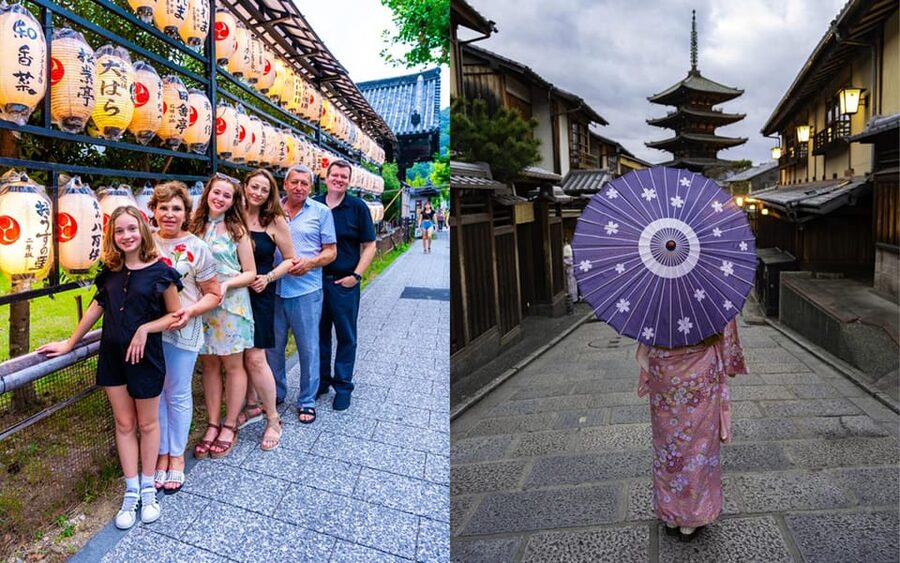
Your session begins at 625 Gionmachi Kitagawa. From there, you’re in the Kyoto sweet spot: the Higashiyama area where old streets, temple tones, and postcard views sit close together.
The flow is practical. You’ll do a warm-up walk and photo stops, with time built in to breathe and look around. The itinerary description includes a mix of break time, guided touring, free time, and sightseeing walk time (about 1.5 hours in the Higashiyama segment). That matters because “photo sessions” that are too rigid can feel mechanical. Here, you can keep it human—like you’re strolling Kyoto with a guide who happens to take great photos.
Also note the language options: English, Arabic, and Japanese. That can be a big deal if you want your posing cues and photo preferences communicated smoothly.
Icon stops in Kyoto: Hōkan-ji Temple, Sannenzaka, Yasaka Koshindo, and more
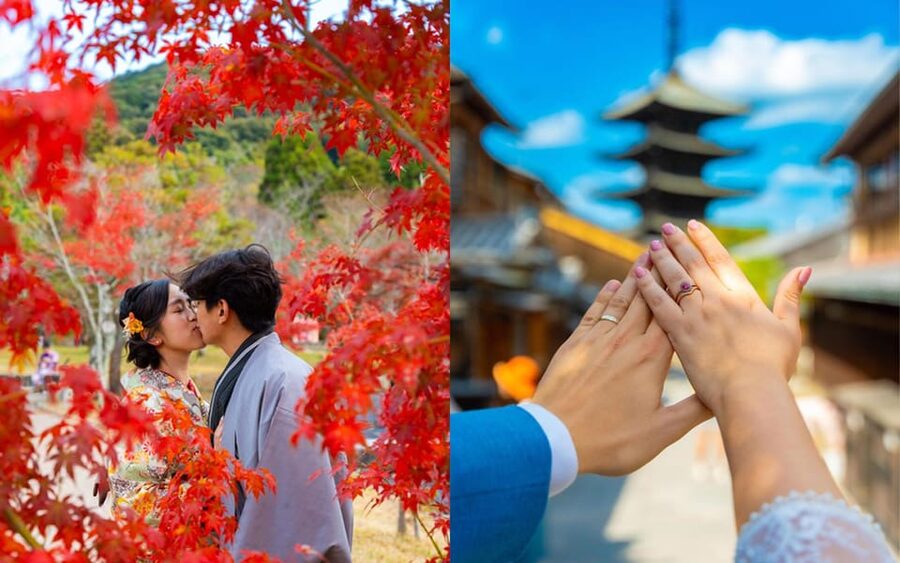
This shoot is built around recognizable Kyoto landmarks, but you’re not limited to just the obvious shots. The plan typically includes about five locations within about 1.5 hours, and you can customize if you want more time on one style (temples, street vibe, or seasonal park scenes).
Here’s what each stop is likely to give you, and what to watch for:
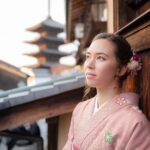
Hōkan-ji Temple: the pagoda view you actually want
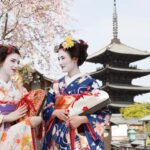
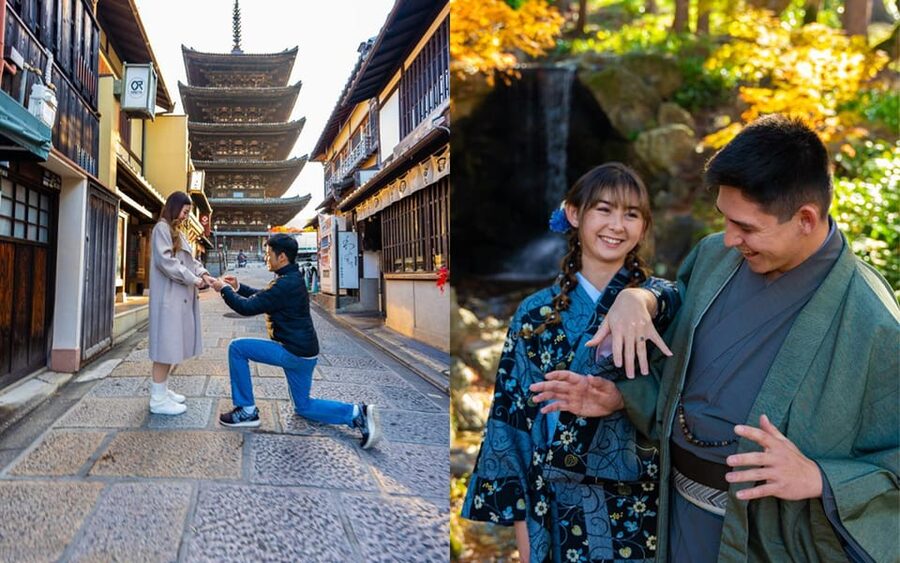
Hōkan-ji Temple is famous for its view and the classic layered look of the pagoda. In a photoshoot, this is your “hero background” location—where everything else becomes the supporting cast.
The benefit for you: it’s one place where a photographer can control your framing and help you avoid the common problem of standing too far back or too close. If you want photos that feel cinematic (without needing Photoshop), this is where you aim to slow down and let the photographer work.
Sannenzaka Street: traditional Kyoto steps and textures
Sannenzaka is the kind of street that makes you want to linger: old walls, stone steps, and that gently layered feel of historical Kyoto.
For your photos, it’s great because you can get both wider shots (showing the street leading lines) and close-ups (capturing hands, fabric details, and your face against textured backgrounds). The drawback: it’s busy in many seasons and times of day, so your best photos will depend on timing and positioning. This is exactly where having a guide helps.
Yasaka Koshindo: color and character
Yasaka Koshindo is described as vivid and colorful, which is a gift for portrait photography. Colorful temple elements add energy to your pictures, even if you’re not wearing traditional outfits.
I’d use this stop when you want a more expressive set—photos that don’t look like the same composition over and over.
Hidden street and “old Kyoto atmosphere”
The itinerary also includes a lesser-known street option, described as a quieter old Kyoto-style scene. That’s valuable because not every location needs to be famous to be photogenic.
If you want photos that don’t feel crowded or overly tour-bus framed, ask for one or two of these side stops. You’ll often get cleaner backgrounds and more intimate mood.
Maruyama Park: seasonal beauty for softer portraits
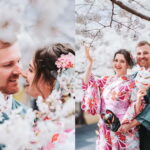
Maruyama Park is included as an option, and the key word here is serenity and seasonal beauty. This is where your photos can shift from sharp temple architecture to softer, calmer portrait settings.
It’s also a good place to slow your pace. If the rest of the shoot is lots of walking and climbing steps, a park stop can reset you and keep your expressions relaxed.
The kimono-friendly bonus (if you arrange it)
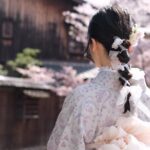
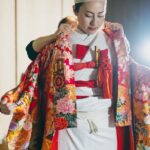
Some photographers have been praised for pointing guests to a kimono rental option. Your shoot details don’t promise kimono rental itself, but you might find the photographer can help with practical guidance. If you’re planning to wear kimono, tell your photographer at the start so they can adjust routes and timing for how fabric moves and how you’ll climb stairs.
Pose coaching that feels natural (not forced)
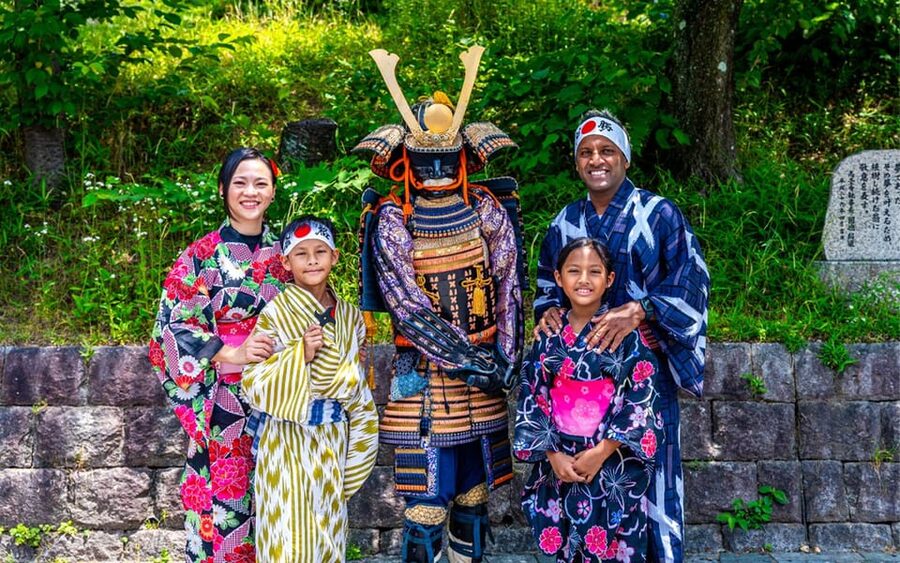
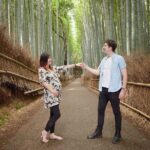
The best photos aren’t only about locations—they’re about people looking comfortable. The repeated theme in the experience feedback is that the photographer helps you feel at ease and guides you like a calm, confident partner.
Here’s what you should expect during the shoot:
- Pose direction without awkwardness: you’re given cues like where to turn, when to raise your head, and what angle looks best.
- Candid moments too: the goal isn’t only stiff portrait shots. You’ll get natural-looking frames that still feel intentional.
- Showing progress: some photographers have been described as showing images during the session so you can see how it’s going and adjust if something feels off.
- Creative ideas, plus your input: photographers are praised for being open to requests and using inspiration pictures, not just running a fixed script.
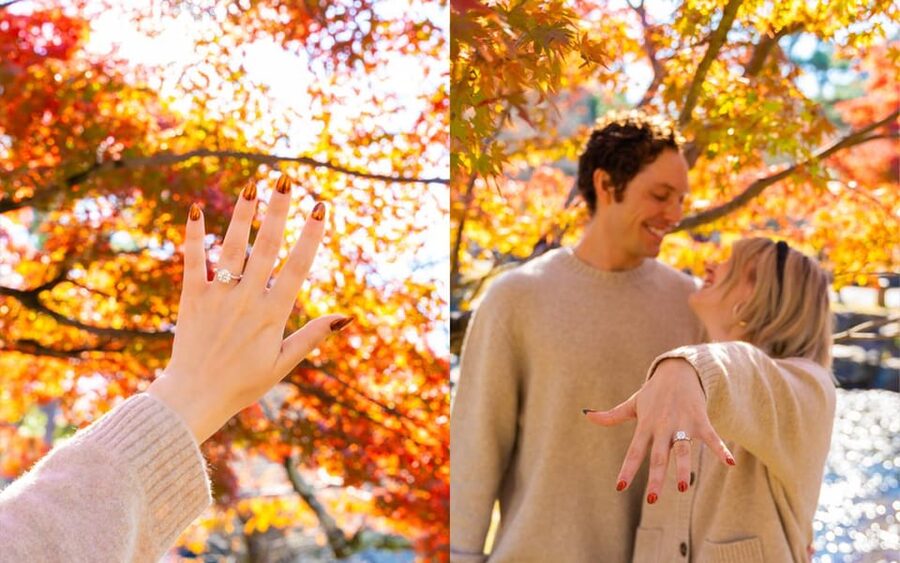
If you’re doing an engagement shoot, solo portraits, or a family session, this coaching matters even more. You don’t need to be a model—you need a path. Your photographer provides that.
And yes, rain can happen in Kyoto. The experience info and feedback suggest the photographer will keep going and adapt rather than treating weather like a full stop. If skies look questionable, wear shoes you can trust and bring something light for cover.
How long it really takes: 90 minutes to 7 hours
The session length ranges from 90 minutes up to 7 hours, depending on availability and what you choose. Most versions center around walking multiple locations quickly, with the description noting you typically visit about five iconic spots within around 1.5 hours.
When you should choose a shorter session:
- You want the main landmarks and a solid set of images.
- You’re pairing the shoot with a larger Kyoto itinerary and don’t want to lose half a day.
- You prefer quick, focused direction.
When longer makes sense:
- You want more outfit changes (even mid-shoot requests have been accommodated in prior sessions).
- You’re targeting specific looks: lots of street scenes, more temple views, or more park portrait time.
- You want time for unhurried breaks and extra photo variations.
One small practical note: the itinerary includes break time and free time. That means your shoot won’t feel like a sprint from viewpoint to viewpoint. But if you book a longer duration, plan breaks so you don’t get tired and start posing with dead expressions. Drink water, use the bathroom early, and treat the shoot like guided walking, not a test.
The photos you get: quantity, edits, and download window
This is where the value really lands.
You receive:
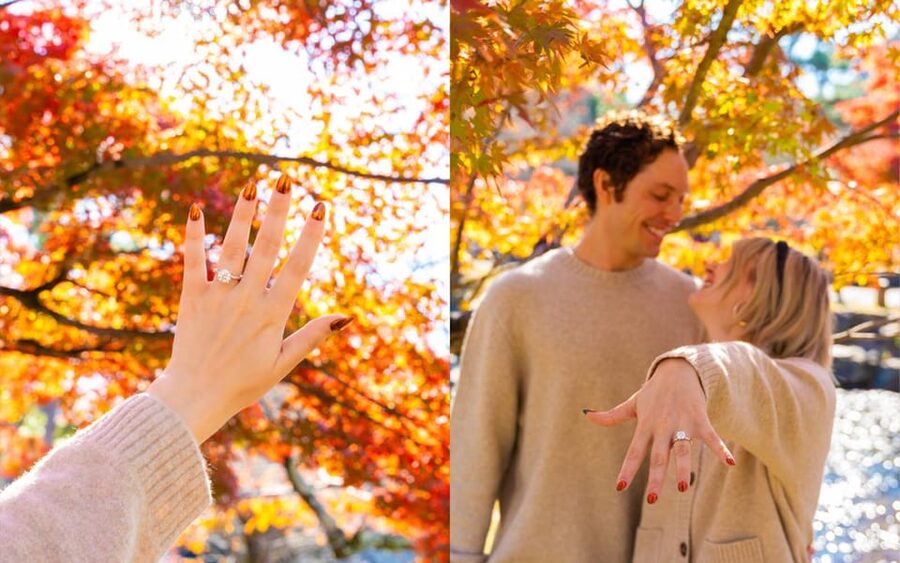
- All photoshoot images (about 200 per hour) in standard-quality JPG format.
- 30 professionally edited, high-quality JPG photos.
Two different “photo sets” is a smart move. The unedited set gives you options and context, while the edited set gives you the polished images designed for profiles, prints, and albums.
Delivery timing:
- The operator aims to deliver edited photos within 24 hours, though delays can happen during busy seasons.
Download window:
- Edited photos are downloadable for two weeks after the link is sent, then they’re deleted.
What I’d do with that:
- As soon as you receive the link, download to your phone and laptop.
- Pick your favorites right away so you can order prints or share while the trip still feels fresh.
Also, admission fees for paid-entry sites are not included. The client is responsible for the photographer’s admission fee in those cases. That’s normal for temple-heavy routes in Japan, but it’s worth confirming if you’re choosing specific paid locations.
Price and value: what $109 per group gets you
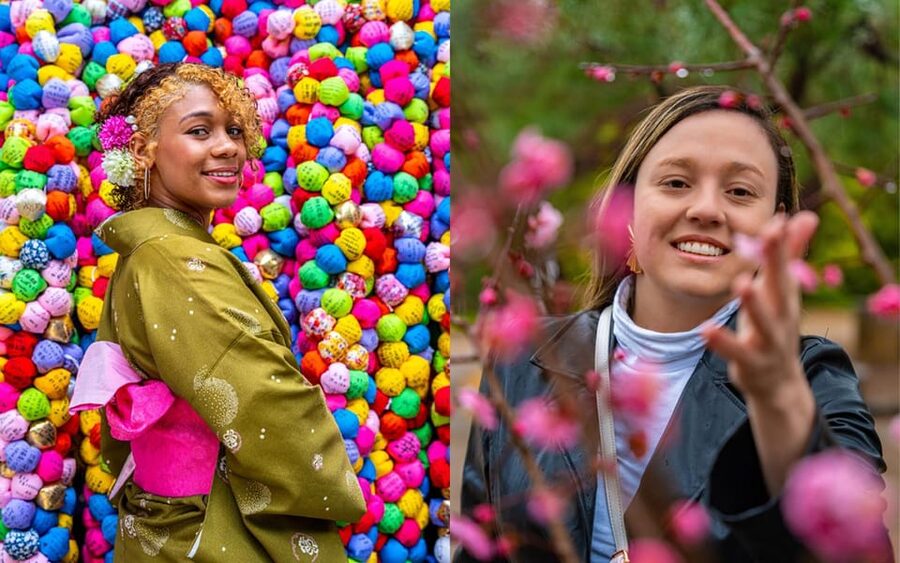
The listed price is $109 per group up to 1, with duration options from 90 minutes up to 7 hours. On paper, that may sound like you’re paying for a person with a camera. In practice, you’re paying for coordination.
Here’s the value math that usually matters:
- You get a lot of raw images (around 200 per hour), which means you won’t run out of choices.
- You still get 30 edited photos, so you don’t need to hunt through hundreds of shots.
- You gain time savings. Instead of figuring out the best angles and best timing on your own, the photographer helps you get it right faster.
This price tends to make the most sense if:
- You care about getting portrait-quality shots, not just documentation.
- You’re traveling solo or as a couple and want images that feel personal.
- You’re short on time and want the “best hits” around Kyoto’s classic streets.
If you’re traveling with lots of time and you already love taking photos yourself, you could do it on your own with a tripod. But if your goal is to leave Kyoto with a set you’ll actually use, this is hard to beat.
Who should book this Kyoto photoshoot?
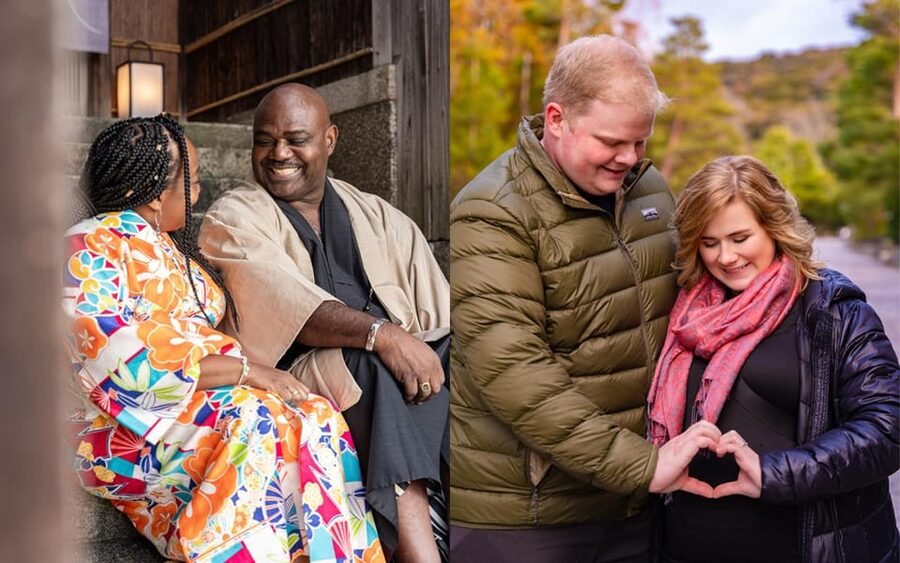
This is a strong fit for:
- Solo travelers who want portraits without relying on strangers to take decent photos.
- Couples doing engagements or anniversaries who want calm posing help and natural emotion.
- Families who need an easy, guided flow so nobody gets separated or bored.
- Groups who want a private setup rather than squeezing into a public tour photo line.
It’s also listed as wheelchair accessible, which can help if mobility needs require a route that’s manageable. Since the exact path can be customized, it’s worth telling the operator your walking comfort level up front.
If you love Kyoto but hate the “tourist photo scramble,” this experience solves that problem.
Should you book it? My decision guide
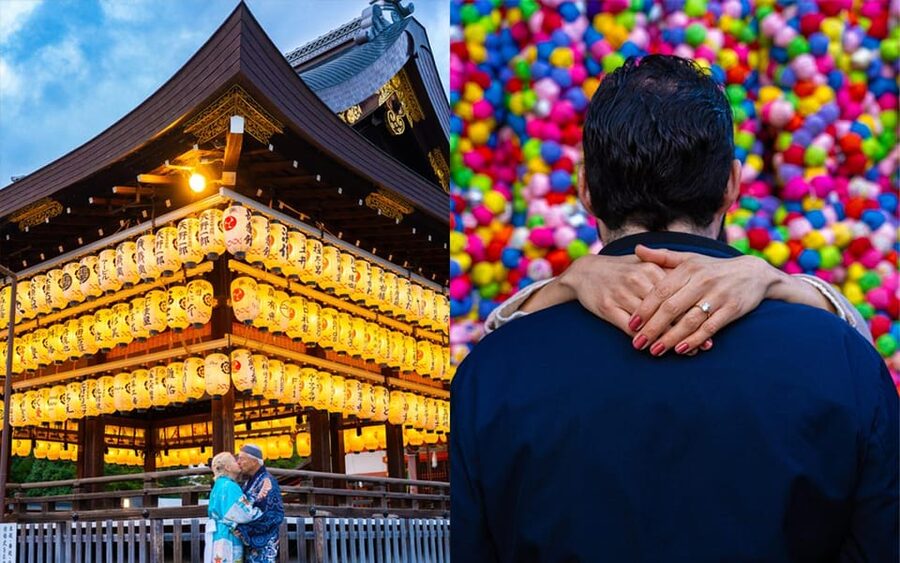
I’d book this Kyoto Private Gion Photoshoot if you want:
- Professional posing direction so you look relaxed.
- Coverage of classic Kyoto areas like Hōkan-ji Temple, Sannenzaka, and Yasaka Koshindo.
- A finished photo set that’s ready to share, with 30 edited winners plus the rest of the images.
I would think twice if:
- You’re expecting temple admissions to be included for everyone (they’re not; the photographer’s admission fee is your responsibility for paid sites).
- You can’t handle a potential delivery delay during peak season.
- You only want one or two photos and plan to post them immediately from your phone camera.
Also, double-check the start and finish plan if you’re mixing Kyoto with another city. The information mentions a Kyoto meeting point at 625 Gionmachi Kitagawa, while another note references Ebisubashi Bridge and Osaka street food. Ask for confirmation of your exact start and end so you’re not surprised on the day.
FAQ
What locations can we visit during the Kyoto Gion photoshoot?
The route can include famous and lesser-known spots such as Hōkan-ji Temple, Sannenzaka Street, Yasaka Koshindo, a hidden street with an old Kyoto atmosphere, and Maruyama Park, plus other options based on your preferences.
Where does the photoshoot start?
The starting location is 625 Gionmachi Kitagawa.
How many photos do I receive?
You receive all photos from the session in standard JPG format (about 200 per hour) and 30 professionally edited high-quality JPG photos.
When do I get the edited photos?
The goal is to deliver edited photos within 24 hours, though delays can happen during busy seasons.
How long can I download the photos?
Photos are downloadable for two weeks after the link is sent, and they’re deleted afterward.
Are temple admission fees included?
Admission fees are not included. For paid-entry sites, the client is responsible for the photographer’s admission fee.
How long is the experience?
The duration can be 90 minutes to 7 hours, depending on the session you choose and availability.
What languages are available for the photographer?
The live guide/photographer supports English, Arabic, and Japanese.
Is free cancellation available?
Yes. You can cancel up to 24 hours in advance for a full refund.