REVIEW · KYOTO
Kyoto Gion, Fushimi Inari, Arashiyama private Photoshoot
Book on Viator →Operated by KYOTO PHOTOGRAPHY AMARE · Bookable on Viator
Three Kyoto icons, one relaxed photo session. This private 1 hour 30 minute shoot guides you through Yasaka Shrine, Hokan-ji, and Kiyomizu-dera, with simple, natural posing so your photos look effortless. Add in cultural context as you move, and you get more than pictures. You get a story you can actually feel.
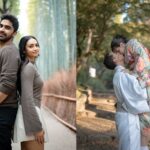
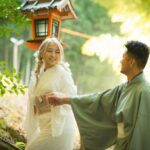
What I like most is the direction. Amare helps you settle into poses that look like you, not like you’re “trying.” I also really like the 30 carefully edited photos delivered fast via Google Drive within two days, so you can share or print without waiting forever.
One possible drawback: the schedule is tight. You’ll cover three major stops in about 90 minutes, and admission tickets aren’t included, so you’ll want to factor that into your plan.
In This Review
- Key highlights at a glance
- Private Kyoto photos: what this is really good at
- Yasaka Shrine in Gion: lantern energy and red torii framing
- Hokan-ji Temple and Yasaka Pagoda: narrow streets that make great photos
- Kiyomizu-dera’s wooden stage: UNESCO views and strong portrait backdrops
- Location swaps: Arashiyama Bamboo Forest or Fushimi Inari
- Kimono or your own clothes: how styling becomes part of the photos
- Photos you’ll actually use: 30 edited images in two days
- Price and value: what you’re paying for in Kyoto
- Who should book this private Kyoto photoshoot
- Should you book this? A simple decision guide
- FAQ
- How long is the Kyoto private photo shoot?
- Which locations are included?
- Can I change the locations?
- Are temple or shrine admission tickets included?
- When will I receive the photos and how many are there?
- Is it a private experience?
Key highlights at a glance
- A true private session with only your group, so you can move at a comfortable pace
- Simple, natural posing with clear guidance (not stiff, awkward positions)
- 30 edited photos sent via Google Drive within two days
- Iconic Kyoto trio: Yasaka Shrine, Hokan-ji (Yasaka Pagoda), and Kiyomizu-dera
- Flexible location options if you’d rather swap in Arashiyama Bamboo Forest or Fushimi Inari
- Patient, un-rushed shooting even when timing gets complicated by crowds or rain
Private Kyoto photos: what this is really good at
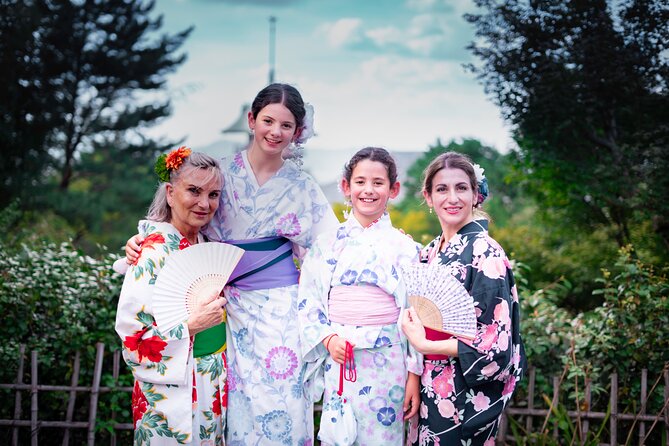
This is the kind of photo experience that solves a Kyoto problem. Kyoto is beautiful, but it can be stressful when you’re trying to take good photos while also navigating crowds, stairs, and narrow streets. Here, you get a focused guide who handles the “where to stand, what to do with your hands, how to angle your body” part.
You’re paying for two things: time and outcome. The time is the 1 hour 30 minute private session. The outcome is the editing and quick delivery of 30 carefully edited photos. That combo matters, because it turns a scenic walk into a set of photos that look intentional.
Also, the tone is practical. You can shoot in your normal clothes, or you can wear a kimono. Either way, you’re guided to feel comfortable and confident, which is huge if you normally hate posing. One of the strongest themes from prior sessions is that Amare keeps you relaxed and makes adjustments until everyone is happy with the results.
You can also read our reviews of more tours and experiences in Kyoto.


Yasaka Shrine in Gion: lantern energy and red torii framing
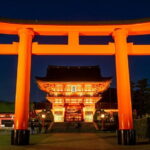
You start at Yasaka Shrine, right in the lively heart of Gion. The big visual hook is the bright red torii gate and the long feel of lanterns, which gives you that classic Kyoto mood fast. This is a strong first stop because the area is instantly photo-friendly and you don’t need a long warm-up.
In practical terms, this is where the posing guidance pays off. Your guide can help you position so you get depth—torii lines pulling the eye, lantern rows creating texture, and your face staying clear and bright. If you’ve ever looked at your own vacation photos and thought, “I look like I was just standing there,” this is the kind of place where you’ll learn how to look present without forcing it.
There’s also a good rhythm here: you’re in a famous setting, but you’re not spending all your time fighting for an angle. You get a focused block of time (about 30 minutes) to work your way through a few natural looks, like solo portraits, couple poses, or simple group shots if you’re traveling together.
Hokan-ji Temple and Yasaka Pagoda: narrow streets that make great photos
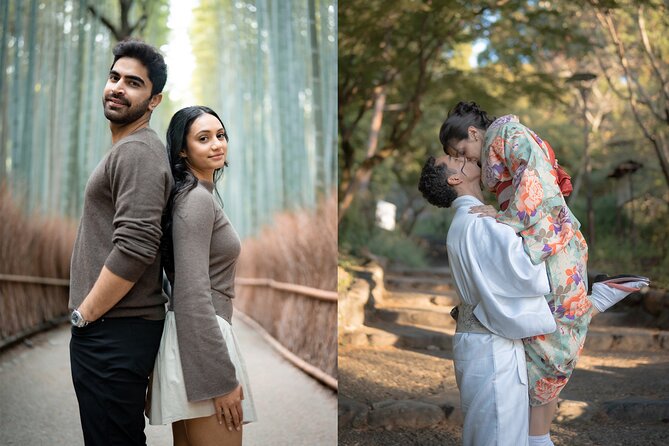
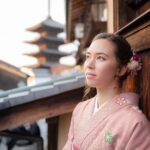
Next you move to Hokan-ji Temple, commonly known as Yasaka Pagoda. The walk matters. You go through quaint narrow streets lined with traditional wooden houses and small shops, which helps your photos feel more like Kyoto street life and not just postcard monuments.
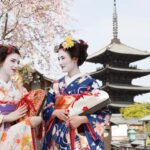
Then comes the main feature: the five-story pagoda, one of Kyoto’s most recognizable silhouettes. This stop is where you often get better “photo variety” because you can play with layers. For example, you can position so the pagoda isn’t just behind you, but framing you within the street’s geometry.
A downside of these classic neighborhoods is crowd pressure. The good news is your shoot is private, and Amare is deliberate about timing. If you’re worried about feeling rushed, this is a relief: the process is paced so you’re not constantly being pushed out of the frame. When weather or crowd flow gets messy, the approach stays calm and you keep working until the shots feel right.
Kiyomizu-dera’s wooden stage: UNESCO views and strong portrait backdrops
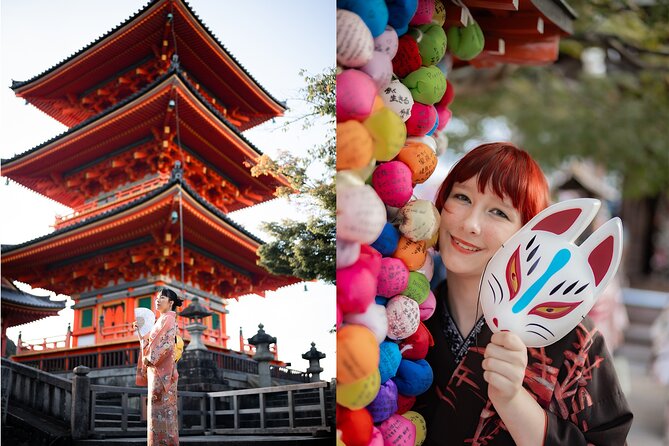
Your final stop is Kiyomizu-dera, a UNESCO World Heritage site. The standout photo element is the large wooden stage, supported by hundreds of wooden pillars. That structure gives you a dramatic background that automatically elevates portraits—your photos won’t look flat even if you’re wearing simple clothes.
This is also a stop where you’ll want to think about comfort. Kiyomizu-dera is visually big and often busy, and the areas around the stage can involve movement and waiting for clear sightlines. The shoot duration here is about 30 minutes, which is enough to capture a few different looks while still keeping the day from turning into an all-day ordeal.
What you’ll like most is how the guide helps you pose in a way that matches the setting. The goal isn’t to “block the view” behind you. It’s to make sure you look connected to the location—standing, turning, and leaning so the stage and pillars create depth behind your face. If you want photos that look like you’re part of Kyoto’s story, this is the stop where that tends to happen.
Location swaps: Arashiyama Bamboo Forest or Fushimi Inari
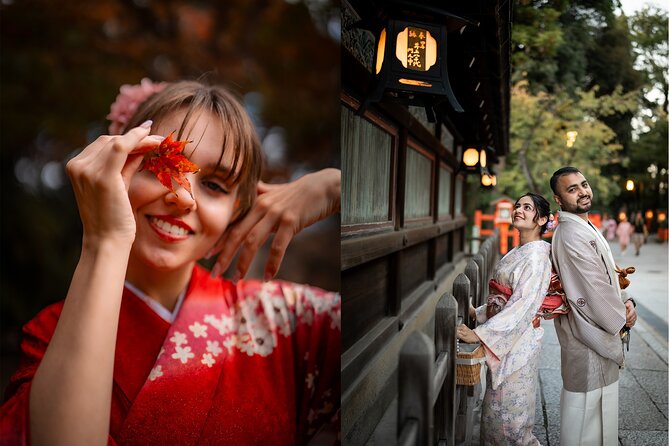
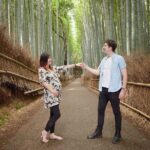
The standard plan focuses on Gion and eastern Kyoto landmarks. But you can adjust the route to include Arashiyama Bamboo Forest or Fushimi Inari instead, depending on what you want your photos to reflect.
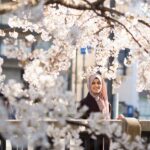
This flexibility is useful if you’re building your Kyoto day around other plans, or if you simply prefer a different mood. Arashiyama is often chosen for a quieter, nature-feeling look, while Fushimi Inari is picked for a totally different visual style. You don’t need to decide based on guesswork—ask your guide what will work best with your timing and what sort of photos you want.
The key point is that a photo shoot is only “worth it” if the setting fits your expectations. A location swap keeps the experience personal rather than one-size-fits-all.
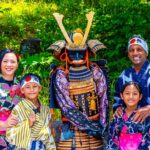
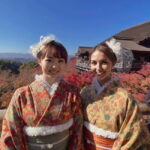
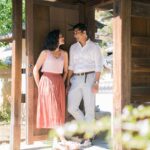
Kimono or your own clothes: how styling becomes part of the photos
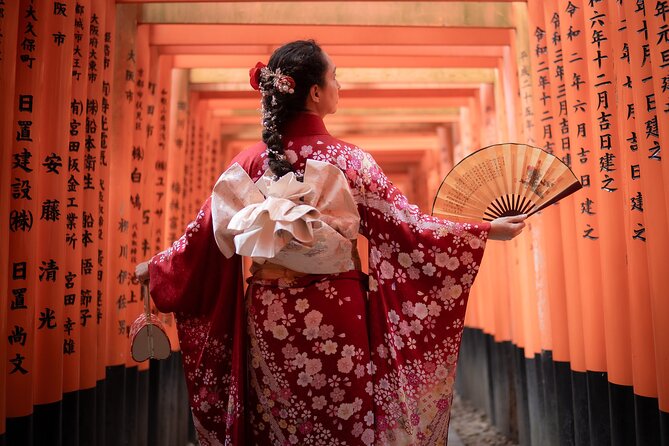
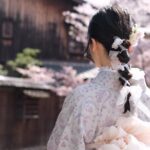
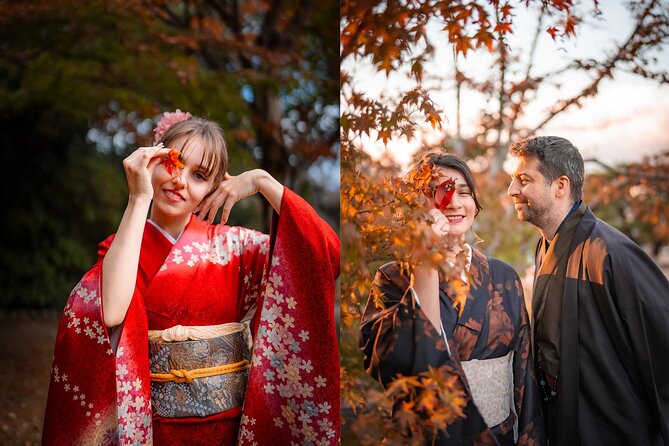
You can wear a kimono or use your own clothing. Either choice can work beautifully, but the real value is that your guide helps you feel at ease in whatever you choose. That matters because clothing changes how you stand, move, and hold your posture, especially in a location with crowds and lots of people passing by.
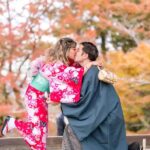
If you’re doing kimono photos in Gion, there’s also the practical side. In past shoots, Amare has helped coordinate kimono timing so it stays compatible with the photo session and the rest of your day. That kind of help reduces the usual stress of “Will I be late, will it fit, will we have enough time?”
Even if you skip the kimono, you’ll still benefit from the same approach: direction for natural poses, advice on how to angle your body, and help getting your face and outfit looking clean in photos.
Photos you’ll actually use: 30 edited images in two days
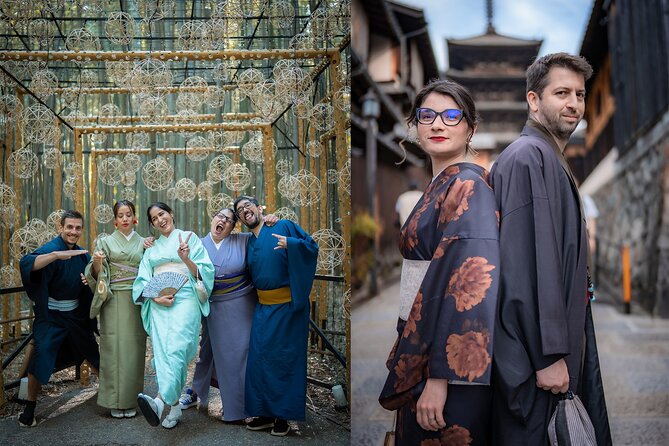
Here’s the part that makes this tour feel modern: you get 30 carefully edited photos delivered to you via Google Drive within two days. That’s fast enough to feel like the trip is still fresh, and enough images that you’re not stuck choosing from a handful of mediocre shots.
The direction also helps you get variety. A good private session usually covers multiple “photo jobs”: one for your face, one for full-body shape, one for the background, and one for couples or small groups. The goal is that you can pick favorites for social posts, printing, or even gifts.
If you’re nervous about how you’ll look in photos, focus on the fact that you’re not on your own. Amare’s style is patient and non-rushed. You’re given guidance, you adjust, and you move on when the result looks right.
Price and value: what you’re paying for in Kyoto
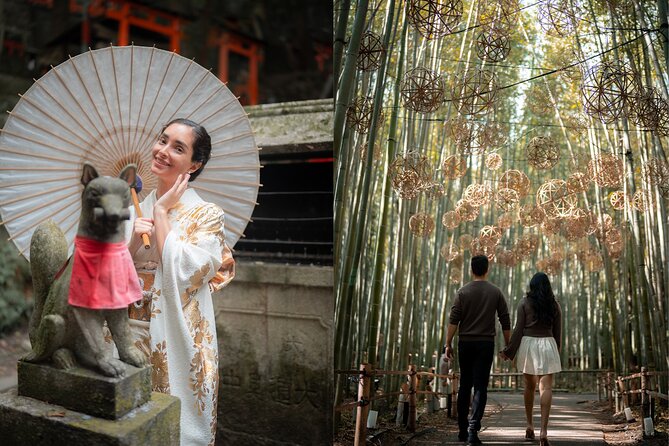
At $71.67 per person, this sits in a category where you’re not just buying “someone with a camera.” You’re paying for a private guide, time at three big Kyoto landmarks, and editing for 30 photos with a fast delivery timeline.
Admission tickets are not included, so there will be a bit of extra budgeting depending on which stops you visit. Still, the overall value is strong if:
- you only have a short amount of time in Kyoto
- you care about photos more than spending hours trying to self-shoot
- you want someone who directs you so you’re not guessing what looks good
Also, private time is practical. You’re not squeezed into a group schedule, and you can manage your pace—especially useful around crowded shrine and temple areas.
Who should book this private Kyoto photoshoot
This works especially well if you fit one of these situations:
- Couples who want natural couple portraits without feeling staged
- Solo travelers who want photos that look more curated than “selfie at an angle”
- Families or small groups who want everyone included without juggling cameras
- Kimono fans who want confident guidance with outfit changes and timing
- Anyone who wants a photo plan that still feels like Kyoto travel, not a long, stiff workshop
It’s also a good match if weather changes your day. In real shoots, the photographer has stayed patient even when rain shows up, keeping the session from feeling chaotic and making sure you still get strong results.
Should you book this? A simple decision guide
If your priority is good photos with minimal stress, I’d book it. You get a private session, clear posing direction, and a fast photo delivery that most people actually care about right away. The route hits major Kyoto landmarks and gives you enough time per stop to create variety.
If you dislike crowds or you’re very sensitive to walking time, it’s worth knowing the schedule is compact: three stops in about 90 minutes means you’ll keep moving. Also plan for admission tickets not included so you’re not surprised at the gates.
If you’re the kind of traveler who likes to get your day right and still come home with something you love, this is a smart use of time in Kyoto. And because it’s often booked ahead (on average about 23 days), don’t wait until the last minute.
FAQ
How long is the Kyoto private photo shoot?
It’s about 1 hour 30 minutes.
Which locations are included?
The standard stops are Yasaka Shrine, Hokan-ji Temple (Yasaka Pagoda), and Kiyomizu-dera.
Can I change the locations?
Yes. You can switch to Arashiyama Bamboo Forest or Fushimi Inari instead of the default locations.
Are temple or shrine admission tickets included?
No. Admission tickets are not included.
When will I receive the photos and how many are there?
You receive 30 carefully edited photos delivered via Google Drive within two days.
Is it a private experience?
Yes. It’s private, so only your group participates.