REVIEW · KYOTO
Kyoto: 2-Hour Maiko Makeover and Photo Studio Shoot
Book on GetYourGuide →Operated by Kyoto Kimono Rental Yumeyakata · Bookable on GetYourGuide
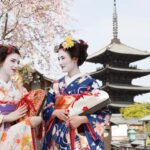
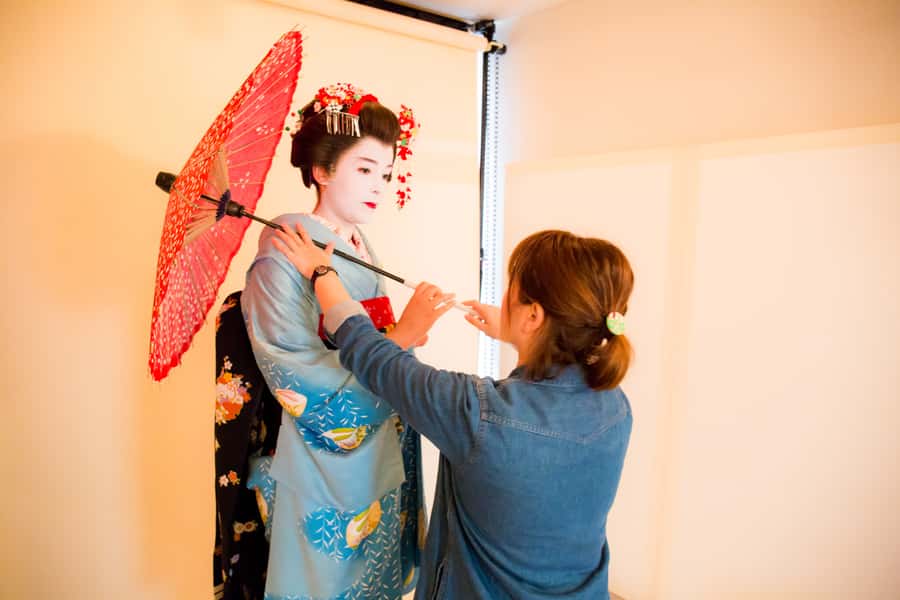
Becoming a maiko takes two hours. This makeover at Yumeyakata Gojo Shop turns you into an apprentice geiko-style character with a real kimono pick, traditional maiko makeup, and wig styling, all before you step into a photo studio. You even get the classic two-stripe look around the back of the neck, plus the eye details that help the whole face read as maiko—not cosplay.
What I like most is how much care goes into the look. You choose a kimono from authentic costumes that were used by real maiko, and the designs often reflect the season, so your outfit feels like it belongs to Kyoto right now.
One thing to think about first: this is a controlled studio experience with strict rules. You can’t record video or use professional cameras, shoes aren’t allowed indoors, and you’re in heavy traditional layers—so it’s not the best choice if mobility is a concern or you’re sensitive to tight clothing.
In This Review
- Key highlights you’ll actually care about
- Meeting Yumeyakata Gojo and getting your transformation started
- Choosing the kimono: the part that makes it feel Kyoto, not generic
- The makeup process: from bare face to the maiko signature look
- Wig, hair accessories, and learning how a maiko moves
- The indoor photo studio shoot: quick, guided, and camera-friendly
- What you get in the photos: value of the included digital files
- Price and value: why $139 can still make sense
- Practical expectations: time, comfort, and the rules you need to follow
- Who should book this maiko makeover (and who might skip it)
- Should you book Kyoto Kimono Rental Yumeyakata?
- FAQ
- Where do I meet for the maiko makeover?
- How long is the experience?
- What’s included in the $139 per person price?
- Can I bring a professional camera or record video?
- Are photos printed for me?
- What languages are offered during the experience?
- Is this activity suitable for children or people with mobility limits?
Key highlights you’ll actually care about
- Authentic costume selection from kimono that were used by real maiko, often season-matched
- True maiko makeup style, including the two-stripe back-of-neck technique
- Former maiko instructors guiding makeup, dressing, and how to pose and move
- Indoor photo studio comfort, so your full look doesn’t fight heat and humidity
- Photo deliverables: 5 digital images included
- Small group setup with sessions limited to 1 participant, plus optional men’s attire add-ons
Meeting Yumeyakata Gojo and getting your transformation started
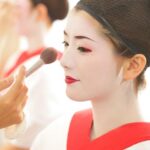
Your 2-hour session starts at the Yumeyakata Gojo Shop. Plan to arrive a little early and check the exact meeting instructions before you go—one past booking had confusion from a mismatch on their form, and it cost them time. When you arrive, you’ll meet your English/Japanese-style instructor team and be walked through the flow.
The best part of starting at a kimono rental shop is that you’re not just “getting dressed.” You’re treated like you’re about to be styled like a performing artist, with the assumption that details matter. That means you’ll talk through what you want visually, then jump into the makeup-and-kimono process that builds the look from scratch.
This is also where the time control helps. Two hours doesn’t sound long, but it’s plenty for a full makeover when someone else handles the hard parts—hair accessories, layers, correct makeup placement, and pacing for the photo shoot.
You can also read our reviews of more tours and experiences in Kyoto.
Choosing the kimono: the part that makes it feel Kyoto, not generic
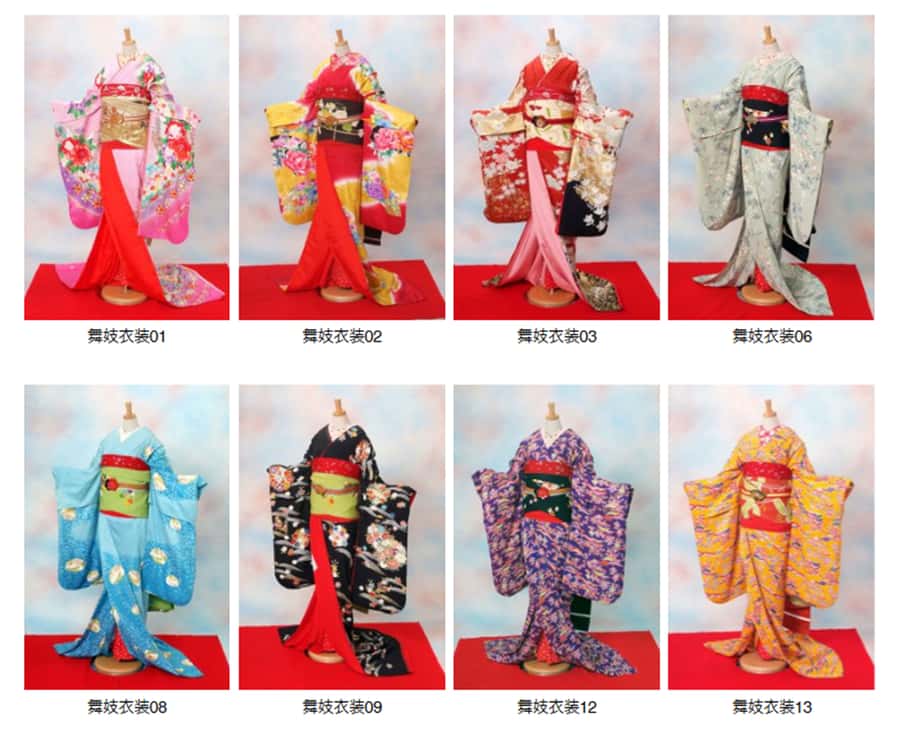
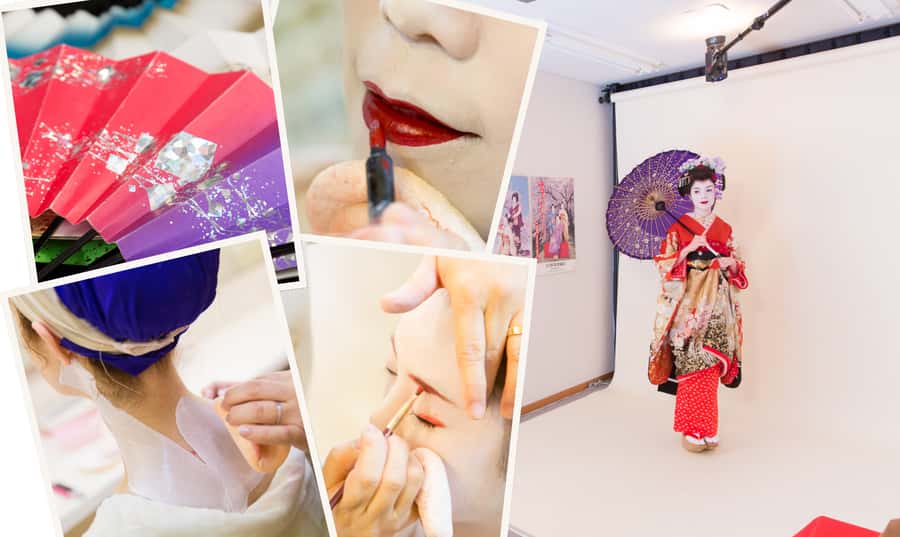
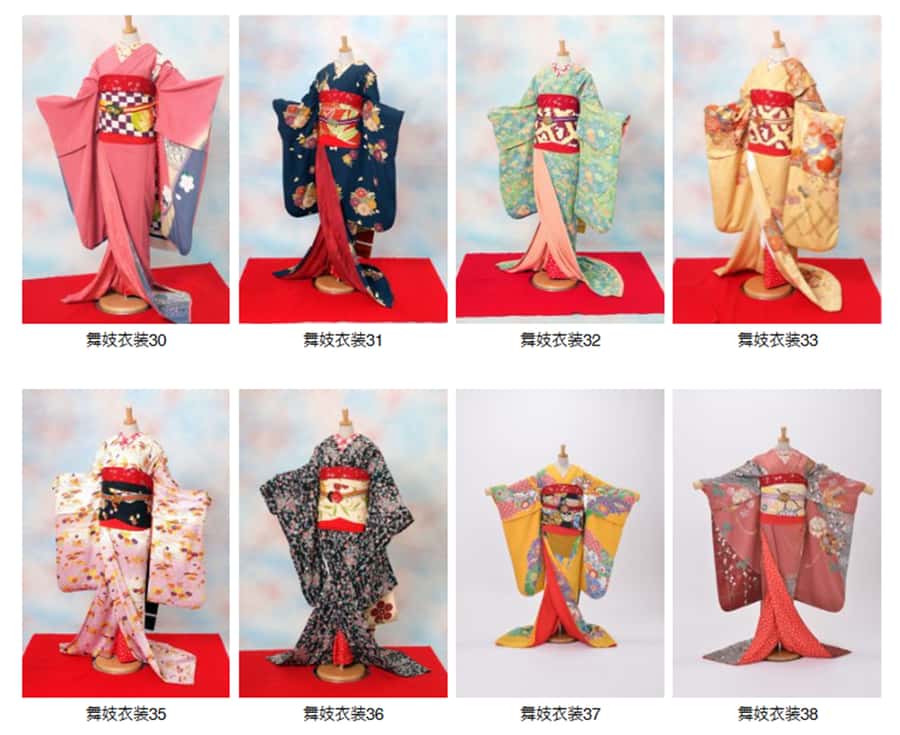
You’ll pick a maiko kimono from a range of colors and designs. Yumeyakata keeps authentic costumes that were actually used by real maiko, and that changes the feel immediately compared with generic rentals. The patterns are often designed to change with the seasons, which is a small detail, but it makes the whole look feel period-correct for Kyoto.
The kimono selection also shapes your photo results. Darker or brighter colors read differently under studio lighting, and the kimono pattern affects how your sleeves and neckline frame your face. If you’re unsure, go with what makes you feel like you’ll look like yourself—but elevated—because you’ll spend the next two hours moving, posing, and smiling as a new character.
You’ll also want to keep your expectations realistic about kimono fit and comfort. Kimono layering is structured by design, and the goal here is traditional presentation, not casual comfort. The good news is that the dressing team focuses on both how you look and how you can move during the session.
The makeup process: from bare face to the maiko signature look
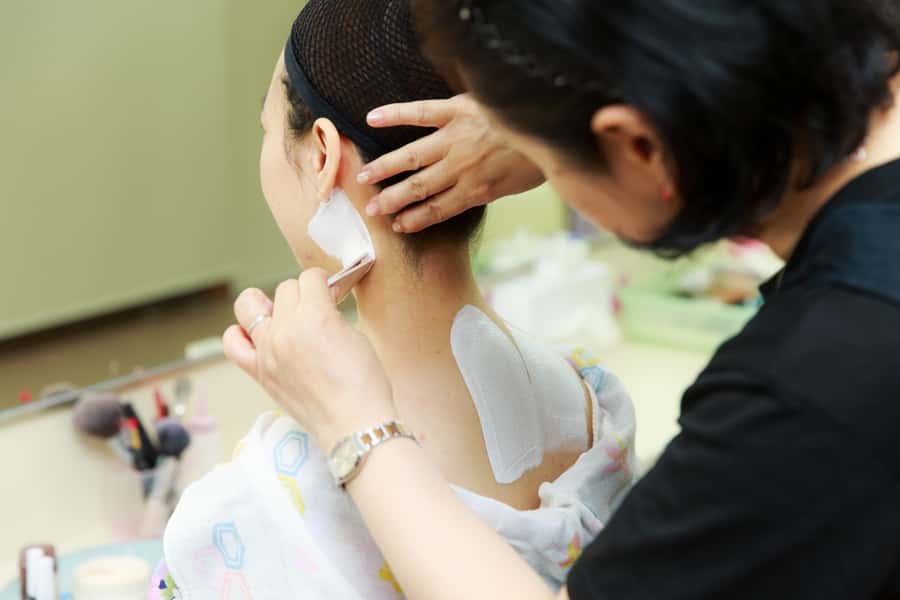
Before makeup starts, you’ll remove any makeup from your face. That’s not just housekeeping—it’s what allows the traditional face paint to sit properly and look even on camera.
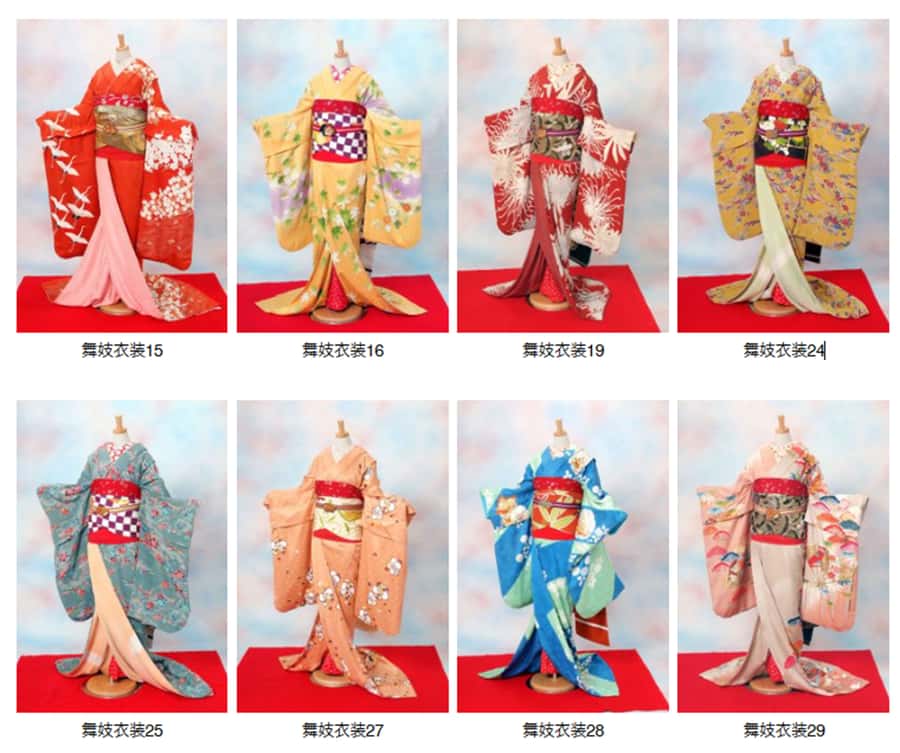
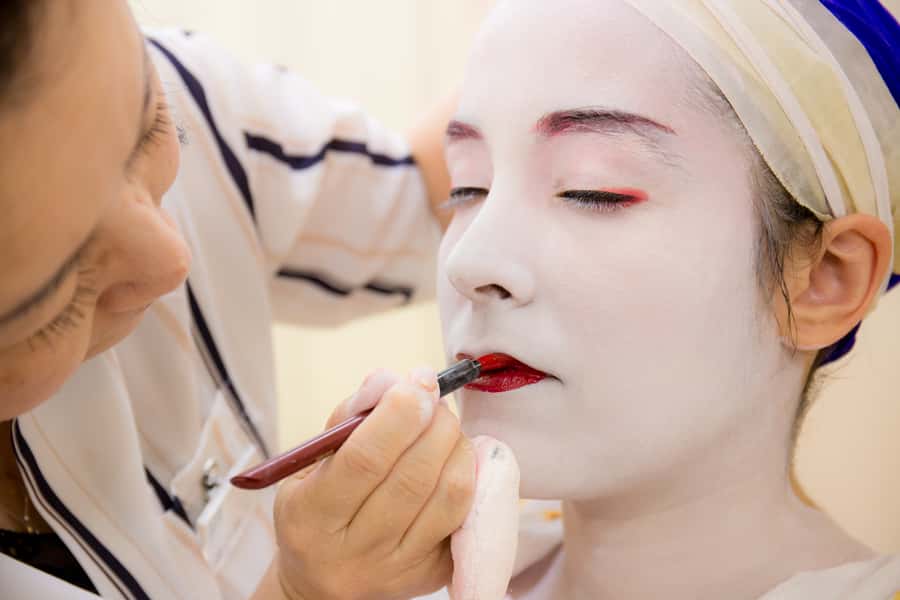
Then the makeup artist applies the white maiko base using cosmetics meant to match what’s used in the real world. You’ll hear (and see) the specific “why” behind the look: maiko makeup is built to create a soft, youthful reading, with details placed for the way faces look in motion and under performance lighting.
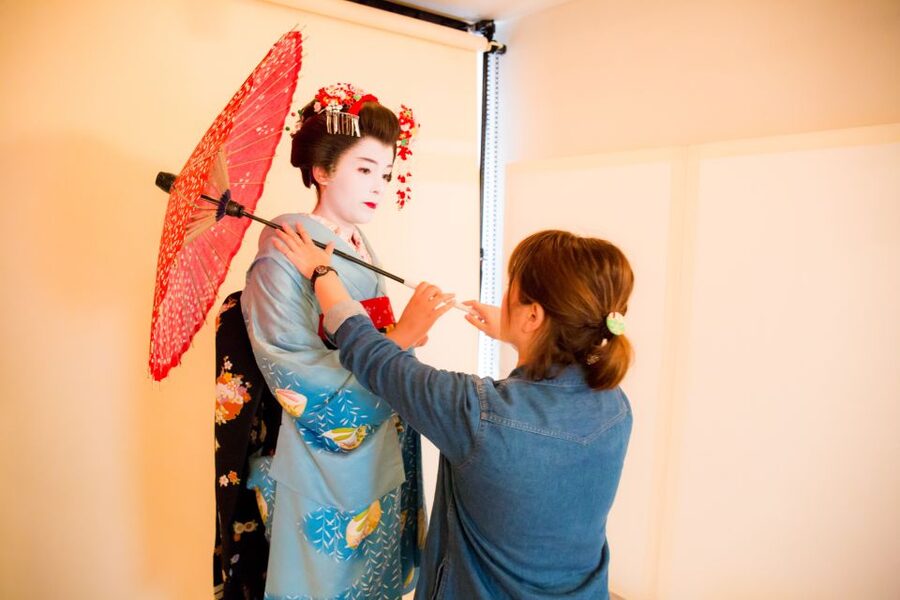
A standout detail is the unpainted back-of-neck technique in the two-stripe style. It’s especially “you’ll notice it in photos” because it breaks up the face-and-neck line in a way that’s very maiko. You’ll also get the subtle pink around the eyes and sides of the nose for softness, plus vivid red at the outer eye corners for protection symbolism.
On top of that, there’s a careful finishing pass: hints of red in the eyebrows, eyeliner for extra eye definition, and a final touch that makes the whole look connect. One thing I’d keep in mind is that the makeup can look unusual before the wig and kimono go on—it’s normal for it to feel “too much” on its own until everything else locks in the final character.
Wig, hair accessories, and learning how a maiko moves
Once the wig is placed, the makeover effect becomes instantly visible. This is the moment where the look stops feeling like makeup and starts feeling like identity. The wig and hair accessories are part of the illusion that makes you read as maiko at a glance.
But the experience doesn’t stop at dressing. The staff includes former maiko who act as instructors, and they’ll guide you on authentic posing and movement for the photo session. That coaching matters because most people don’t naturally know how to stand, angle their head, or walk in a traditional way—especially while wearing kimono layers and a styled wig.
You’ll also get an explanation of what maiko actually are: young female performing artists in training who wear traditional makeup, hairstyles, and costumes. They work in Kyoto’s Gion area and perform arts like classical music, dance, and games. The session frames this as more than a costume change, so your photos look like a character with a role, not a timed photo moment.
There’s also a basic primer in the background of maiko versus geiko differences. Maiko makeup is designed to look younger and cuter, including a rule about lipstick placement tied to debut timing. Geiko makeup is typically more sharply defined and heavier around eyes and brows. Even if you’re not memorizing rules, it helps you understand why your face makeup looks the way it does.
The indoor photo studio shoot: quick, guided, and camera-friendly
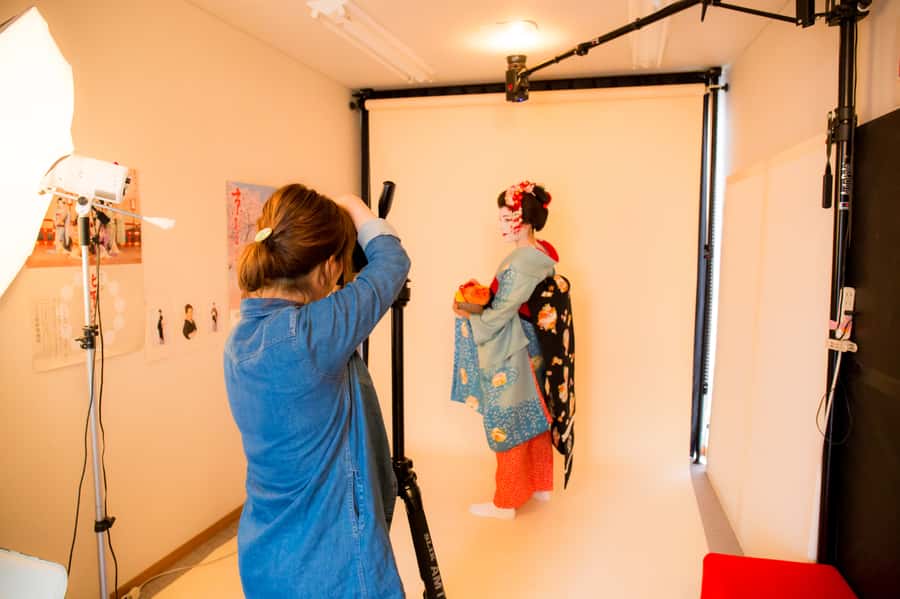
After your hair and costume are in place, you’ll move to the indoor photo studio. One of the smartest choices here is that it’s indoors—when you’re fully made up and dressed in a heavy kimono, heat and humidity outdoors can drain your energy fast. In a studio, you can focus on posing and looking relaxed, which is what makes the photos actually work.
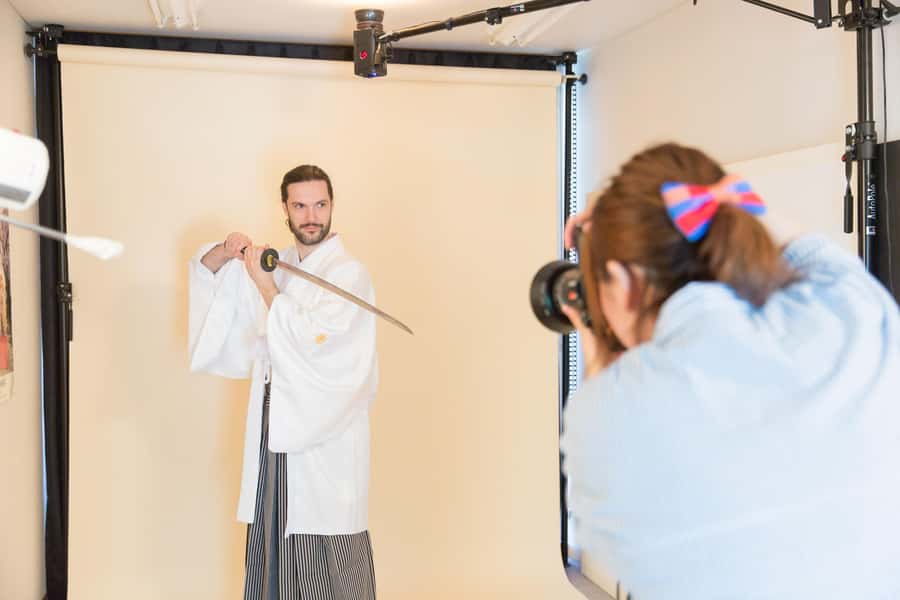
Professional photographers guide the session. Many photo sessions are basically “stand here and hope,” but this one is structured around instructions, so you don’t end up stiff or awkward. The shoot itself can be brief—some participants note it lasts around 10 minutes—but you’re not left without help during that time.
You’ll also have the chance to learn simple pose moves, then try them with feedback. If you’re the type who worries you don’t know what to do with your hands, this part is the relief. The instructions help your body look like it belongs in the kimono silhouette.
Photo policy note: professional cameras aren’t allowed, and video recording isn’t allowed. That’s normal for a studio environment where lighting and workflow are controlled. Still, you may find that the staff can take a few pictures using your cell phone as extra personal shots, which adds variety beyond the provided professional set.
What you get in the photos: value of the included digital files
Your package includes 5 images in digital files. That’s an important value detail, because it tells you exactly what the experience prioritizes: high-impact final shots instead of an overwhelming photo dump.
Most people don’t want to sort through 50 mediocre images anyway. Five well-composed, well-lit images is often the better souvenir—especially when they come from professionals and a controlled studio setup. You’ll also likely receive your results digitally, and at least some sessions have delivered photos earlier than expected.
If you want printed photos, those aren’t included. Same with extra makeup after the session—you’ll need to plan for touch-ups on your own if you’ll go out afterward.
So your decision comes down to this: do you want a single strong “Japan memory” set, or do you want a heavy photo package with lots of prints? This experience leans hard toward the first option.
Price and value: why $139 can still make sense
At $139 per person for a 2-hour transformation, the cost feels steep until you break down what’s included. You’re paying for a full maiko kimono rental, traditional makeup, a wig and hair accessories, a professional indoor photo studio, and the photographer’s time.
That’s also why this isn’t really comparable to a quick “kimono rental plus selfie.” Dressing in a maiko look requires a lot of specialized effort: makeup placement, costume handling, wig fit, and posing coaching. The studio time adds a lot too, because it’s not just a hallway; it’s a controlled setup built for portraits.
Also, the small-group format is a quiet value win. The activity is limited to 1 participant, which usually means more attention from staff and less waiting around. If you hate the feeling of being rushed or ignored, that matters.
If you’re traveling as a man, you may have optional add-ons for men kimono rental and hakama styles (samurai hakama or montsuki hakama). That means the core experience isn’t locked only to one look—it can be adapted for male participants, though you may want to check what options you’re selecting.
Practical expectations: time, comfort, and the rules you need to follow
This is a 2-hour experience. Starting times depend on availability, so check schedules before you anchor other parts of your Kyoto day. The session ends back at the meeting point, so plan the rest of your day with enough time for leaving without stress.
Comfort is a mixed bag, by design. You’ll wear a kimono and full hair styling, and shoes indoors are not allowed. That’s one of the biggest “small detail with big impact” points—because you’ll need to be comfortable being barefoot or in the provided indoor footwear approach. If you dislike being in that kind of environment, think twice.
There are also restrictions: no professional cameras, no video recording, no audio recording, no strong fragrances, and you can’t wear your own costume. The session is designed to keep the studio smooth and focused on the staff’s controlled process.
In terms of who this is for, it’s not suitable for everyone. It’s listed as not suitable for pregnant women, people with mobility impairments, wheelchair users, children under 18, people under 17, visually impaired people, and people over 220 lbs (100 kg). If any of those apply, it’s better to look for a different Kyoto experience that fits your needs.
Who should book this maiko makeover (and who might skip it)
You should book if you want a high-detail transformation where someone else handles makeup, kimono, and photo setup. It’s ideal if you care about authenticity details like the two-stripe style makeup and the idea of seasonal kimono choices. You’ll also like it if you want guidance on posing and walking, because that turns a costume into a believable character.
It’s also a great pick for people who want photos that look like a performance moment. In a studio, you can focus on facial expression and pose technique without fighting weather or uneven lighting.
You might skip it if you want to roam outside in your costume as part of the main event. This is primarily an indoor studio shoot and structured dressing experience, not an outdoor photo tour. You might also skip it if you need accessibility accommodations that the format can’t support, or if you’re strongly uncomfortable with heavy clothing and indoor shoes restrictions.
Should you book Kyoto Kimono Rental Yumeyakata?
If you love Kyoto culture and you want a souvenir that looks like more than a rented outfit, this is a strong yes. The combination of authentic costume sourcing, detailed maiko-style makeup, and a professional indoor studio shoot makes the whole thing feel like a real performance training moment—short, yes, but carefully built.
Book it if:
- you want the full maiko look, not just a quick costume rental
- you appreciate staff guidance for posing and movement
- you value a controlled studio photo setup
Pass if:
- indoor rules and heavy kimono comfort are dealbreakers
- you need accessibility accommodations not listed as supported
- you only want casual, walk-around sightseeing photos
If you’re on the fence, the best tiebreaker is your priority: do you want one great, authentic character photo set? Or do you want time to roam in Kyoto in a costume? This one is for the first goal.
FAQ
Where do I meet for the maiko makeover?
You meet at the kimono rental shop, the Yumeyakata Gojo Shop, at your starting time.
How long is the experience?
The experience is 2 hours. Starting times depend on availability.
What’s included in the $139 per person price?
You get a maiko kimono rental, maiko makeup, a maiko wig and hair accessories, an indoor photo studio session, and 5 digital images. Men kimono rental and men hakama options are available as add-ons.
Can I bring a professional camera or record video?
No. Professional cameras, video recording, and audio recording are not allowed.
Are photos printed for me?
No, printed photos are not included.
What languages are offered during the experience?
Instructors are available in English, Japanese, Chinese, Traditional Chinese, and Korean.
Is this activity suitable for children or people with mobility limits?
It’s not suitable for children under 18 (and also not for people under 17). It’s also listed as not suitable for people with mobility impairments, wheelchair users, and pregnant women.