REVIEW · BERLIN
Private Analogue Photography Experience in Berlin
Book on Viator →Operated by Jason McGlade · Bookable on Viator
Film forces you to slow down.
This private analogue photography experience in Berlin pairs a darkroom tour with real instruction on using a film camera, then sends you out by bike for street-photo inspiration around Moabit and Berlin Mitte. I particularly like the mix of hands-on analog basics plus composition and lighting tips from professional photographer Jason McGlade. One thing to consider: the activity requires good weather, so your plan may shift if Berlin decides to rain.
After the studio start at Salzwedeler Str. 2, you’ll move from learning exposure basics to making images on the street, with the route taking in major sights like Brandenburg Gate, Reichstag, and Tiergarten. You’re not doing this as a crowd experience either. It’s private, so your guide can tailor prompts to your pace and your comfort level with street photography, including how to approach strangers.
In This Review
- Key things you’ll notice right away
- Starting in the darkroom: the analog reality check
- Film camera basics you can actually use on the street
- Contact sheets: why this is a smart learning tool
- Moabit to Berlin Mitte by bike: seeing the city with a camera in hand
- Brandenburg Gate, Reichstag, and Tiergarten: landmark photos without the stiffness
- Street photography coaching: lighting, composition, and talking to people
- Price and value: what $156.28 buys you in a half-day
- Weather, timing, and how to prepare without overthinking it
- Who this analogue photography tour fits best
- Should you book the private analogue photography experience in Berlin?
- FAQ
- How long is the private analogue photography experience?
- Where does the tour start?
- What time does the experience begin?
- Is this a private tour?
- Do I get access to a darkroom?
- What will we do after the darkroom part?
- Is the tour dependent on weather?
- Can I cancel for a full refund?
- Is a mobile ticket provided?
Key things you’ll notice right away
- Darkroom access so you see analog processing in action, not just read about it
- A real film-camera intro that gets you confident enough to keep shooting during the walk
- Bike time with sightline stops from Moabit into Berlin Mitte and past landmarks
- Street-photo coaching on composition, lighting, and how to frame people and places
- Contact sheet time in the darkroom, which is a practical way to learn what worked
Starting in the darkroom: the analog reality check
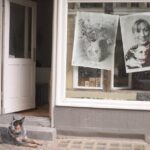
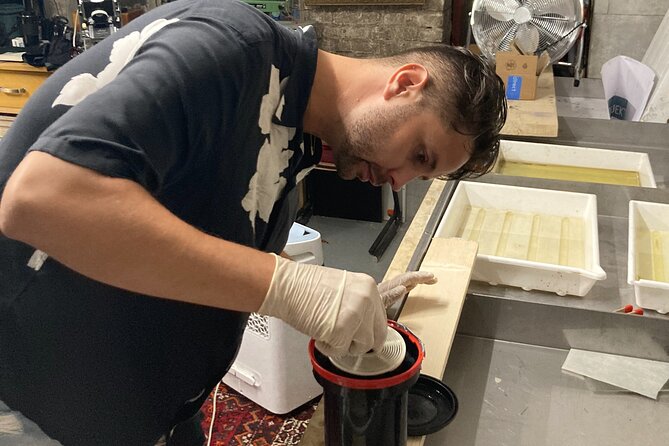
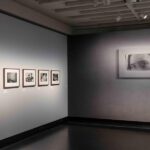
You begin at the studio, where the darkroom is part of the deal, not an optional add-on. Seeing a working darkroom changes how you think about photos. On a smartphone, you review instantly. On film, you have to trust the process and learn by doing.
I like that this tour starts with instruction before you head out. That matters because analog works on a different timeline and a different kind of attention. You’re going to get a tour of the darkroom, an introduction to the guide’s practice, and a basics talk on using a film camera and photographic film.
You should also know this isn’t just a lecture. It’s hands-on learning mixed with time to absorb how images are made on film. The most useful part for many people is realizing that small choices—how you frame, what light you chase, when you press the shutter—really show up in the final results.
Practical note: if you’re used to quick snaps, you’ll need to adjust your rhythm. That slowness is the point.
You can also read our reviews of more tours and experiences in Berlin.
Film camera basics you can actually use on the street
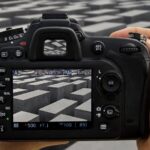
Once you’ve seen the darkroom, you’ll shift to using an analogue camera in a way that supports the walking-and-biking portion. The guide walks you through the basics of using an analog camera and photographic film, so you know what you’re doing before you start working the streets.
From there, the learning continues while you’re moving. Your guide doesn’t keep everything theoretical. You’ll get guidance that connects camera use to real scenes: composition, lighting, and how to spot street-photo opportunities as they appear.
One of the biggest benefits here is that you’ll receive prompts and technical tips tied to what you’re photographing in front of you. That keeps the session from turning into a random sightseeing ride where you barely think about your camera.
And there’s a specific kind of satisfaction when you know what you’re doing. When someone shows you the basics clearly, analog stops feeling intimidating and starts feeling like a new tool you can control.
Contact sheets: why this is a smart learning tool
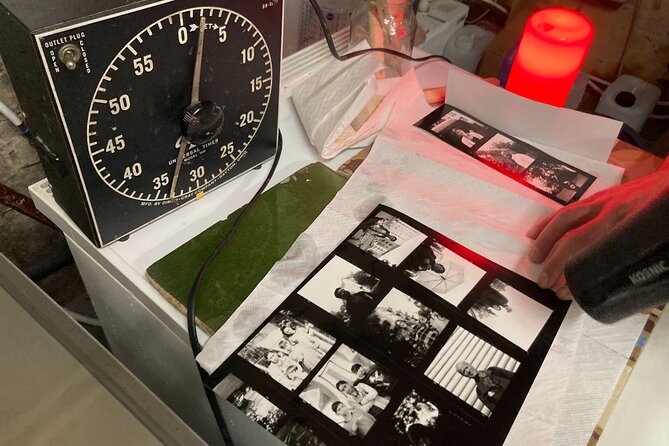
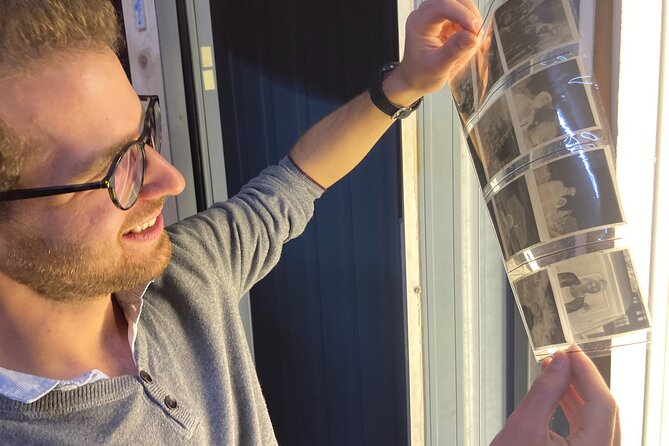
A standout moment, based on the experience itself, is that you can make a contact sheet in the darkroom. This is one of the best ways to learn analog fast, because it’s honest. You can see what you nailed, what’s slightly off, and what you might redo next time.
A contact sheet also teaches you to think like a photographer, not like a phone user. Instead of searching a gallery of best shots, you’re reviewing a sequence. That helps you understand how your choices affected the set.
For me, the contact sheet angle is one of the reasons this tour is worth your time, especially if you’re new. You leave with something you can study. You’re not just collecting memories; you’re collecting evidence of your learning curve.
Even if you’re not aiming to become a darkroom wizard, this part makes the whole analog experience feel practical rather than decorative.
Moabit to Berlin Mitte by bike: seeing the city with a camera in hand
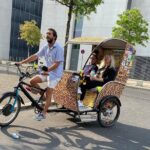
After the studio, you pick up your bikes and start exploring. The route focuses on Moabit first, then heads toward the historical area of Berlin Mitte. You’ll ride past big sights and also through the neighborhoods in between, which is where street photography usually gets interesting.
The bike segment matters more than you might think. It lets you cover more of Berlin in a half day without treating it like a nonstop sprint. It also keeps you positioned for candid street scenes. You’re not stuck only in landmark zones.
As you go, your guide provides photography guidance tied to what you’re seeing. That means you’re not just observing. You’re training your eye: what to include, what to leave out, how to manage light, and how to approach the moment.
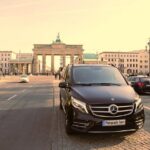
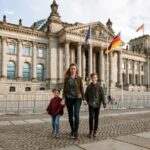
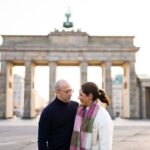
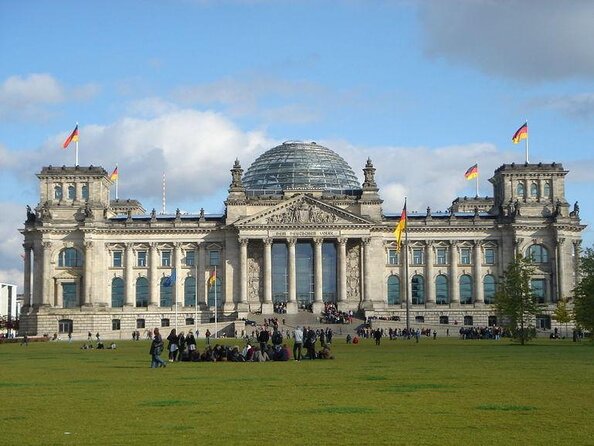
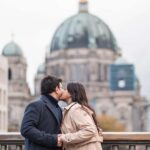
And yes, you’ll pass through areas connected to major Berlin landmarks, including Brandenburg Gate and the Reichstag area. But the tour framing is about photography, not just ticking monuments off a list.
Brandenburg Gate, Reichstag, and Tiergarten: landmark photos without the stiffness
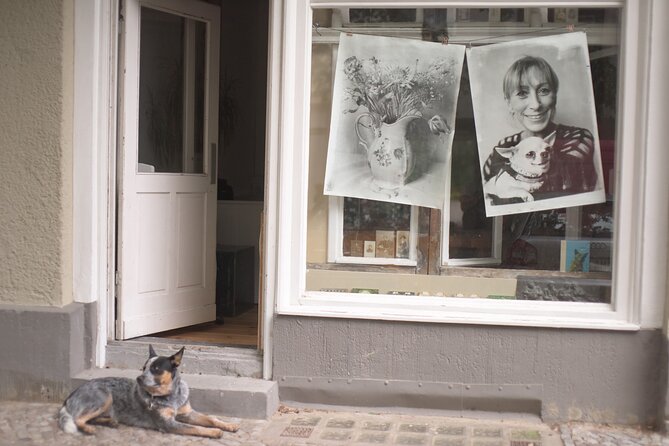
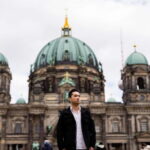
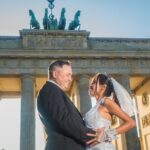
It’s easy to take a cookie-cutter photo in front of Brandenburg Gate. It’s also easy to feel like the job is done once you’ve shot the classic view. This tour pushes you to do something else: use those landmarks as anchors while you still work on composition and light.
When you’re near major architecture, your challenge becomes framing. Your guide’s tips on composition and lighting help you avoid flat, boring results. Instead of only photographing the landmark head-on, you’ll think about angles, sightlines, and how the street environment adds context.
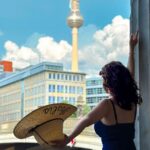
Tiergarten is another key shift. Parks and tree-lined areas change the light quickly. That’s exactly what analog teaching can benefit from, because different light conditions force you to pay attention. Your guide’s guidance helps you make choices you can repeat later, even outside the tour.
Also, biking means you can react. If a moment looks good, you can reposition rather than waiting for a perfect photo window. That’s a real advantage for street work.
Street photography coaching: lighting, composition, and talking to people
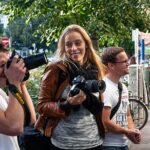
One of the most practical parts of this experience is street-photo guidance, especially advice on how to approach strangers to photograph them. That’s not just a polite tip. It directly affects what kinds of images you can make.
If you’re nervous about people, this kind of coaching is a big deal. You get help thinking through the interaction so it feels more human and less awkward. And you don’t need to be a confident extrovert; you need a plan and some simple steps.
You’ll also get tips on composition and lighting while you’re out on the route. That means you’re constantly translating instruction into action. You might notice how light hits faces in side streets, or how shadows can add structure to a scene. You might learn how to frame motion and stillness in the same area.
The result is that your camera skills and your street skills grow together. That’s a strong combination for anyone who wants to move beyond tourist photos.
Price and value: what $156.28 buys you in a half-day
At $156.28 per person for about four hours, this isn’t a budget “snap a few pictures” activity. It’s closer to a focused workshop with real access. Your value comes from a few things you don’t usually get in a standard city walk.
First, you get private guidance from Jason McGlade and instruction on film camera basics. Second, you receive access to a professional darkroom. Third, you’re guided around Berlin by bike with photography prompts, instead of wandering unguided.
This structure is why the price can feel fair. You’re paying for equipment know-how, darkroom access, and time that’s dedicated to helping you create photos rather than just see sites.
If you already shoot film casually, you’ll likely enjoy the darkroom and contact sheet learning. If you’re brand new, you’ll get a foundation that helps you stop guessing. Either way, the session is designed to make you leave with practical skills and a better eye.
Weather, timing, and how to prepare without overthinking it
The tour requires good weather. That’s the big logistical constraint, and it matters because a bike ride is part of the schedule. If Berlin is wet, you may be offered another date or a full refund.
Time-wise, you start at 10:00 am and return back to the meeting point. That makes the plan easy to fit into a Berlin itinerary. You don’t lose your whole day, but you also get enough time to learn and then apply it.
Preparation is mostly common sense:
- Wear layers you can bike in.
- Bring comfortable walking shoes for whatever short bits happen around stops.
- If you’re new to film, keep your expectations practical: you’re here to learn, not to produce a perfect gallery in one session.
And remember: this experience is private, so you’re not trying to match the energy of a big group. You can go at a pace that helps you absorb instruction.
Who this analogue photography tour fits best
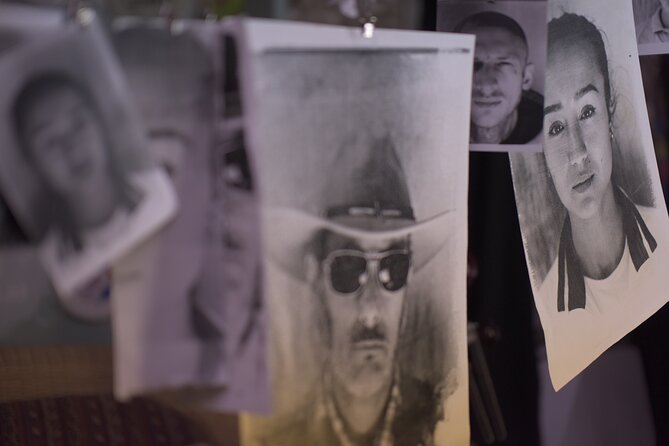
This is a great pick if you want a hands-on analog experience without the frustration of figuring everything out alone. You’ll likely enjoy it most if you:
- Want to learn film photography fundamentals and darkroom basics
- Prefer guided coaching on composition and lighting
- Like street photography but want help with approaching people
- Enjoy mixing photography with neighborhoods and major landmarks
It may feel less ideal if you’re only interested in a quick history lesson or if you strongly dislike bike rides. Also, if you need guaranteed sunshine, plan for the weather requirement.
That said, the overall format is thoughtfully made for learners. It turns analog from a hobby you admire into a skill you can practice.
Should you book the private analogue photography experience in Berlin?
If you’re curious about film and want real darkroom access, I’d book it. The combination of a darkroom introduction, film camera basics, contact sheet learning, and a guided photo ride through Moabit into Berlin Mitte is a strong package for your half day.
The session is private, and that usually means the coaching is more personal. You’re also getting direct street photography guidance, including how to approach strangers, which is often the hardest part for new film shooters.
Only pause if bad weather would mess with your schedule. Otherwise, this is a smart way to learn analog photography while seeing Berlin in a way that feels intentional, not rushed.
FAQ
How long is the private analogue photography experience?
It lasts about 4 hours.
Where does the tour start?
You meet at Salzwedeler Str. 2, 10559 Berlin, Germany. It ends back at the meeting point.
What time does the experience begin?
The start time is 10:00 am.
Is this a private tour?
Yes. It’s private, so only your group participates.
Do I get access to a darkroom?
Yes. The tour includes a darkroom visit and an introduction to using an analogue camera and photographic film.
What will we do after the darkroom part?
You’ll pick up bikes and explore Moabit and Berlin Mitte, including the Brandenburg Gate area, the Reichstag area, and Tiergarten.
Is the tour dependent on weather?
Yes. The experience requires good weather, and if it’s canceled due to poor weather you’ll be offered a different date or a full refund.
Can I cancel for a full refund?
Yes, you can cancel up to 24 hours in advance for a full refund.
Is a mobile ticket provided?
Yes, the tour includes a mobile ticket.