REVIEW · BERLIN
Discover Berlin Underground through Mobile Photography
Book on GetYourGuide →Operated by Smartphones Are Not For Calling · Bookable on GetYourGuide
Berlin underground teaches you to see. This 2-hour photo walk turns the U-Bahn into your classroom, with smartphone photo techniques paired to the city’s artful stations. I especially liked how the guide mixes composition practice with real stories you can’t get from a plain ride, and I also liked the upbeat, hands-on feel that builds confidence fast. The only catch: you’ll get the most out of it if you’re willing to actually shoot a lot—not just watch.
You start by heading underground with a simple goal: make the everyday look intentional. There’s time on the train for mini photo exercises, not just standing around. I found the format works well for both beginners and people who already take photos, because the coaching is practical and paced.
If you’re the type who wants only history or only landmark sightseeing, you might feel slightly out of step. This experience is mainly about mobile photography, with history and station context sprinkled in to support the photos.
In This Review
- Key takeaways before you meet at Paracelsus-Bad
- Why Berlin’s U-Bahn is a photo workshop (not just transit)
- What $57 buys you in real terms
- Meeting at U8 Paracelsus-Bad: start with a simple goal
- The flow of the 2-hour shoot: warm-up, then station lessons
- Phase 1: Quick setup and photo warm-ups
- Phase 2: Station lessons built around visual themes
- Phase 3: Train rides as mini labs
- Phase 4: Portrait practice and “find your photographic voice”
- The best part: station stories that actually help your photos
- Photography tips you can use the same day
- Who this tour is for (and who might not love it)
- Practical expectations: what to bring and how to prepare
- Getting the most from your 2 hours
- Is it worth booking? My honest take
- FAQ
- Do I need a smartphone, or can I use a camera?
- What ticket do I need?
- How long is the experience?
- Where do we meet?
- What language is the instruction in?
- Is it private or small groups?
Key takeaways before you meet at Paracelsus-Bad
- Smartphone-first teaching: any recent phone works, and the focus is on how to shoot better with what you already have
- Practice happens underground across multiple visually striking U-Bahn stations, plus photo drills on the train
- Station design becomes your lesson plan, from bold mosaics to retro artifacts, sculptures, and playful installations
- Personal feedback on your shots helps you correct fast instead of guessing
- Berlin stories make better photos, since you learn what you’re looking at and why it’s there
- Small or private groups keep the energy friendly and the coaching more direct
Why Berlin’s U-Bahn is a photo workshop (not just transit)
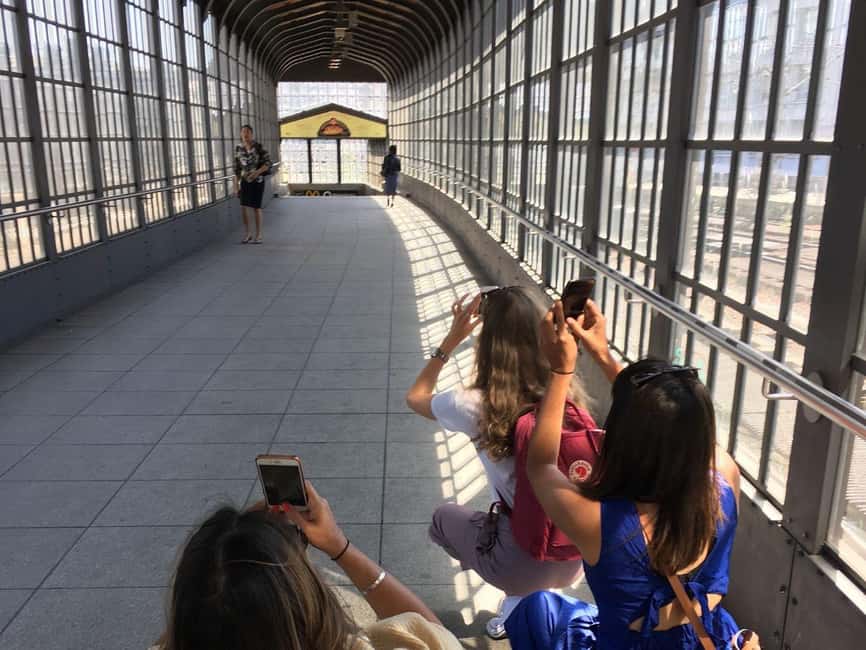
Berlin is a city where design shows up everywhere, and the subway proves it. The U-Bahn stations aren’t quiet, beige “get-on-get-off” spaces. Many are built like mini galleries—color, pattern, lettering, sculptures, and architectural details you’d miss if you rush through.
That’s the core idea here: you don’t just ride trains and hope you stumble on good pictures. You learn a repeatable approach for photographing inside stations—how to spot visual lines, how to frame subjects fast, and how to turn quirky details into something that looks deliberate on your screen.
And because this is smartphone-focused, you’re not asked to carry a camera setup or hunt for the perfect lighting conditions. You’re learning how to work with what’s already around you: overhead light, moving trains, glossy surfaces, and bright artwork that can either flatter your photos or blow them out if you don’t know what to do.
You can also read our reviews of more tours and experiences in Berlin.


What $57 buys you in real terms
At $57 per person for about 2 hours, you’re paying for three things that are hard to replace on your own:
Guided station selection. Instead of wandering the network, you’re taken to hand-picked stops with strong visual character—mosaics, sculptural elements, and playful installations.
Step-by-step technique. You’ll get practical smartphone tips and tricks you can use again the moment you’re out of the tunnel—composition, portrait framing, and quick ways to experiment.
Feedback you can act on. The experience includes personal feedback on your shots. That matters more than you might think, because it turns trial-and-error into faster improvement.
If you enjoy learning by doing, this feels like good value. If you’re only trying to collect a few casual photos with minimal effort, you may wish it were longer—though the 2-hour structure is also what keeps it fun and focused.
Meeting at U8 Paracelsus-Bad: start with a simple goal
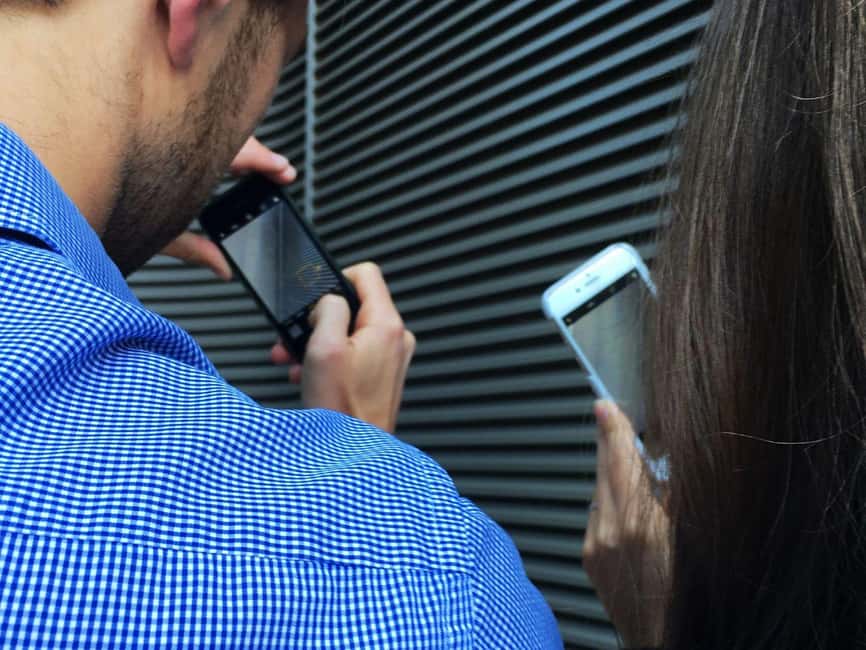
You’ll meet in the middle of the platform at the U8 line Paracelsus-Bad station. Look for the guide holding a smartphone with a red case. The meeting point is set up for an easy start, and it keeps you from spending your first 20 minutes figuring out where to gather.
Right away, you should think of the session like a “shooting rhythm.” Your goal isn’t to capture one perfect photo at each stop. It’s to learn how to spot a photo opportunity, test a technique, and adjust quickly. That mindset makes the whole experience click.
You also need a valid public transport ticket for Berlin’s fare zones. The experience specifically asks for an AB zone ticket for the duration, and a day pass is usually the easiest way to handle that.
The flow of the 2-hour shoot: warm-up, then station lessons
The timing is tight in the best way. You’ll spend time underground in multiple stations, with some of the session happening on the train itself. That train time isn’t dead time—it’s used for photo exercises and quick tips, which helps the session feel like a continuous workshop rather than a series of random stops.
Here’s what the structure feels like:
Phase 1: Quick setup and photo warm-ups
Before you go deep into stations, the guide gets you moving with simple instructions for using your phone more deliberately. Expect coaching on things like how to frame a scene, how to think in shapes and lines, and how to create a subject/background contrast that makes artwork look intentional instead of messy.
If you’re nervous about shooting, this is where confidence starts. You’re doing small exercises, not trying to nail a masterpiece immediately.


Phase 2: Station lessons built around visual themes
Each station visit is selected for its photographic potential. The themes you’ll practice with include:
- Bold mosaics and graphic surfaces, where pattern can overwhelm your frame if you don’t choose a clear composition
- Retro artifacts and design elements, which can become story-based backgrounds for portraits
- Sculptures and three-dimensional details, where your job is to show depth and texture
- Playful installations, which encourage experimentation rather than “perfect symmetry” thinking
Instead of giving you generic advice like “take a photo,” the guide helps you choose a specific target for each stop. That makes it easier to come away with images you actually like.
Phase 3: Train rides as mini labs
On the train, you’ll do quick photo work and learn tips that relate to what you’re seeing in motion and in tight spaces. This is a smart inclusion. It keeps you from waiting only for the next station and it helps you practice control—timing, angle, and framing—even when the environment is moving.
If you’ve ever tried photographing inside subway stations and ended up with washed-out images or awkward blur, this is where you start connecting the dots between technique and results.
Phase 4: Portrait practice and “find your photographic voice”
As you move through the stations, the coaching shifts toward giving your pictures personality. You’ll experiment with unique portrait-style shots against colorful backdrops, and you’ll work with geometric lines and architectural angles that make your images look structured.
The session isn’t just about copying the “right” settings. It’s about learning how to see what the station offers and then choosing your own angle—your own voice.
The best part: station stories that actually help your photos
There’s history in the U-Bahn, but the important twist is how it’s used. You’re not stuck with long lectures. Instead, you learn context that helps you notice what’s in front of you.
The guide talks about Berlin’s U-Bahn like it’s a living archive. With each stop, you get facts and stories that connect the station design to themes you can photograph: the artistic intent, the way people used these spaces, and the meaning behind recurring motifs.
That “why it looks like that” layer is useful because it changes how you shoot. You stop framing for decoration only. You start framing as storytelling—what a viewer should feel when they see the image.
Photography tips you can use the same day
Since the experience is built around mobile photography coaching, you’ll come away with practical habits—not just inspiration.
From what’s emphasized during the session, you can expect skills like:
- Composition tricks for using strong shapes and lines underground
- Portrait framing so backgrounds look dramatic instead of distracting
- Quick experiment methods so you can test angles fast without overthinking
- Personal feedback that helps you correct issues on the spot
Also, the guide’s vibe matters. Danylo (the instructor name that comes up repeatedly) is described as passionate and upbeat, and that kind of energy makes you more willing to try. When someone helps you improve quickly, it turns the phone into a tool you trust instead of a lottery ticket.
Who this tour is for (and who might not love it)
This is ideal if you want:
- A hands-on photo lesson using your smartphone
- A creative way to explore Berlin that’s not only street-level landmarks
- A guided route to U-Bahn stations known for strong visual design
- Personalized feedback and coaching in a friendly setting
It’s also a great fit for bad-weather plans. Being underground means you can still do something fun when the weather in Berlin isn’t cooperating.
You might not love it as much if you:
- Want a purely architectural walking tour with lots of general sightseeing time
- Prefer long, deep historical lectures with minimal photo practice
- Only want to take a couple of photos and move on
Practical expectations: what to bring and how to prepare
Bring your phone (or camera), your curiosity, and your sense of adventure. The experience doesn’t require professional gear. Any recent smartphone works, which is a relief if you’re traveling light.
You should also bring a Berlin transport ticket that covers the AB zones for the duration of the experience. A day pass often makes this easiest, since you won’t be rethinking fares between stops.
One more prep tip: clear some space on your phone before you start. You’ll likely take more photos than you planned, because the session is built around trying options and learning from feedback.
Getting the most from your 2 hours
This is the part people usually skip, and it matters. To make the time feel worth it, show up ready to shoot.
Here’s how I’d do it:
- Pick one or two photo themes for yourself in advance, like portraits or geometric lines
- Be willing to take “test shots.” Not every frame will work, and that’s normal
- Pay attention when the guide corrects framing. Small changes underground can make a huge difference
- Use the train time. It’s planned photo practice, not waiting
Also, if you get stuck, ask questions right away. The session is set up to help you build confidence, not to leave you guessing in a tunnel full of art.
Is it worth booking? My honest take
Book it if you want to improve your mobile photography while seeing Berlin through the U-Bahn’s artistic side. For $57 and roughly 2 hours, the combo of station design + technique coaching + personal feedback is exactly the kind of structured learning that pays off fast.
Skip it if your priority is purely history-heavy sightseeing. This experience is mainly about learning how to photograph better with your phone. The stories are there to support the creative work, not to replace the focus on images.
If you fit the first group, this is one of those “I’ll remember this” Berlin activities because you leave with better photos and a new way to look at the city you thought you already understood.
FAQ
Do I need a smartphone, or can I use a camera?
The experience is smartphone-focused, but it’s described as you can bring your smartphone or camera. Any recent phone model works, and the main guidance is built around using a mobile device.
What ticket do I need?
You’ll need a valid AB zone public transport ticket for the duration of the experience. A day pass is usually the easiest option.
How long is the experience?
It lasts about 2 hours.
Where do we meet?
You meet in the middle of the platform at U8 line Paracelsus-Bad station. The guide will be easy to spot, holding a smartphone with a red case.
What language is the instruction in?
The instructor leads the experience in English.
Is it private or small groups?
Yes—private or small groups are available.