REVIEW · MOAB
Sunrise photography in Dead Horse Point and Canyonlands National Park
Book on Viator →Operated by Rock Light Photo Tours · Bookable on Viator
Sunrise in Moab changes everything. You get guided sunrise photography at Dead Horse Point and Canyonlands, with real help dialing in camera settings and composition. I like that the group is capped at six, so you actually get time with your guide, and the vibe is patient even if you’re new. The main trade-off: you’ll start at 5:00am and some spots involve short hikes under a mile.
This tour is built around timing. You’ll spend about 1.5 hours at Dead Horse Point for multiple viewpoints, then about 2 hours in Canyonlands (often at 1–2 locations depending on weather and time). If you want more, you can request an extension to a full-day add-on at Arches National Park.
In This Review
- Key things to know before you go
- Sunrise Photography in Dead Horse Point and Canyonlands: The big idea
- 5:00am pickup energy and the Moab Information Center start
- Dead Horse Point State Park: 1.5 hours of viewpoints and options
- Canyonlands National Park: 1–2 locations, paced for weather and light
- Corona Arch: a focused sandstone subject
- Learn fast with a patient guide who works with your camera
- What the provided snacks and water do for a 5:00am start
- Price and value: is $250 per person worth it?
- Physical comfort: moderate fitness, short hikes, early mornings
- Optional full-day extension at Arches: who it’s for
- Who should book this sunrise photo tour
- Should you book Rock Light Photo Tours?
- FAQ
- What time does the sunrise tour start?
- Where is the meeting point?
- How long is the tour?
- How many people are in the group?
- What parks are included?
- Is admission included for Dead Horse Point and Canyonlands?
- Do I need to hike?
- What’s provided during the tour?
- Is pickup available?
- What happens if the weather is poor or I need to cancel?
Key things to know before you go
- Small group (max 6) means hands-on coaching instead of hovering from far away
- 5:00am start so you’re shooting in the best early light, not the late-morning rush
- Dead Horse Point admission included, but Canyonlands requires your park pass
- Short hikes (less than 1 mile) for some photo locations
- Cold water and snack bars keep the early wake-up from feeling like a prank
- Guide support for settings and angles helps beginners move faster
Sunrise Photography in Dead Horse Point and Canyonlands: The big idea
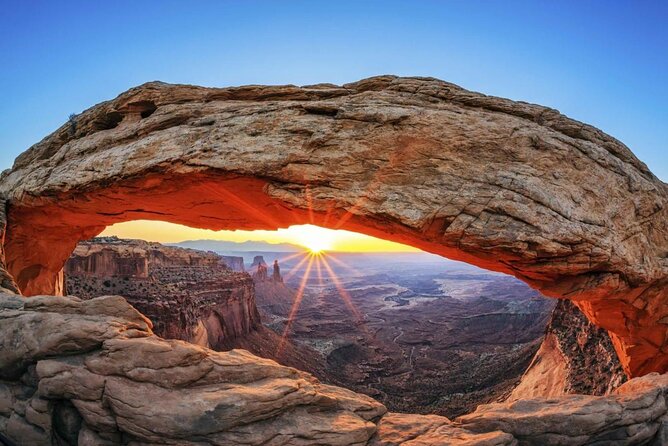
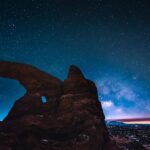
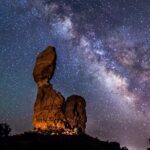
Moab at sunrise is a cheat code for photographers. The air is cooler, the shadows stretch out, and the sandstone textures look more dimensional than they do under harsh midday sun. But sunrise photography isn’t just about being awake. It’s about being in the right place at the right moment—and knowing where to stand once the light starts shifting.
That’s what this tour is really selling: not just a view, but a plan. You’ll start early, work through Dead Horse Point for a set of viewpoints, then head into Canyonlands for a smaller number of focused shooting spots. The pacing is gentler than you might expect for a national park sunrise, because the goal is learning and getting good frames, not ticking off ten stops like it’s a checklist.
You can also read our reviews of more tours and experiences in Moab.
5:00am pickup energy and the Moab Information Center start
The tour begins at 5:00am at the Moab Information Center, 25 E Center St, Moab, UT 84532. It ends back at the same meeting point, which keeps things simple if you’re driving yourself.
Pickup is offered, which is a nice convenience if you don’t want to mess with parking before dawn. You’ll also get a mobile ticket, so you’re not trying to find a printer at 4:30am. If you book close to your travel date, confirmation timing can shift (you’ll receive it either at booking time or within 48 hours subject to availability), so give yourself a little buffer.
One practical note: even though this tour is “only” 4 to 6 hours, it starts before you’ve had the normal breakfast and caffeine routine. Wear layers you can handle in the dark, because early desert temps can be cool and change fast after sunrise.
Dead Horse Point State Park: 1.5 hours of viewpoints and options
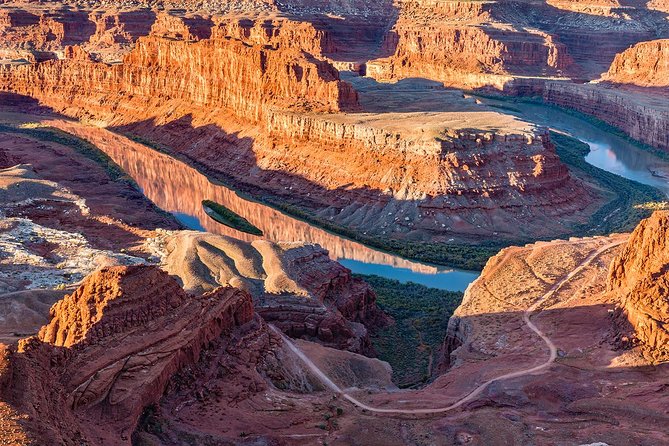
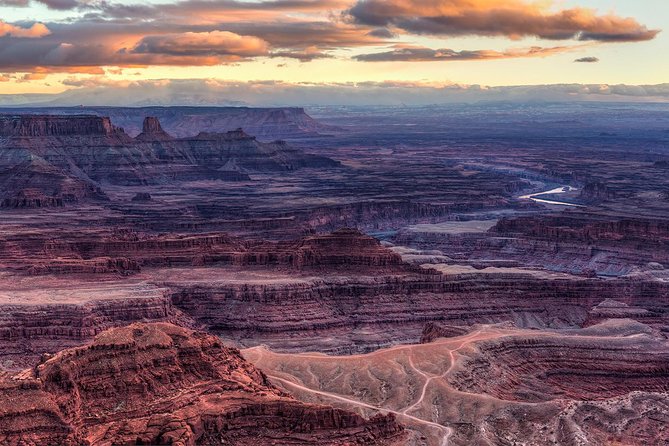
Dead Horse Point State Park is the first shooting stop, and you’ll spend about 1 hour 30 minutes here. The emphasis is on “several viewpoints around Dead Horse Point,” which matters because this area gives you different ways to frame the same big canyon scene.
Why that’s valuable for you: sunrise light doesn’t hit every angle the same way. If you stay glued to one spot, you can miss the moment when a ridge line catches the sun or when a foreground rock becomes a useful anchor. By moving between viewpoints, you get a better chance to build a shot with depth—foreground shapes, mid-distance canyon walls, and that brightening sky.
Another thing I appreciate: the tour includes Dead Horse Point admission. That removes one small decision from your morning and keeps the focus on shooting. You still need to budget for the rest of your park plans, but at least this first entry fee is handled.
Potential drawback: viewpoints can require short walks. Some locations include hikes of less than 1 mile, so pack for comfort even if you’re not doing a full hike day.
Canyonlands National Park: 1–2 locations, paced for weather and light
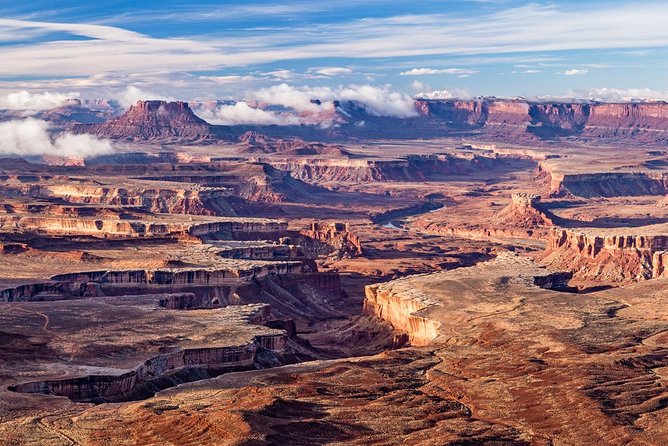
After Dead Horse Point, you’ll head to Canyonlands National Park for about 2 hours. You won’t be sprinting through the park. Instead, you’ll photograph at 1–2 locations depending on weather and time. That flexibility is a real benefit, because sunrise conditions can change quickly—cloud cover, wind, and even the way the light lands on the rocks can affect which spot is worth your effort that morning.
Also, Canyonlands admission is not included. You should bring your park pass. The tour being “free” for admission in one place but not another can confuse people—so treat this as the rule of thumb: if it’s Canyonlands National Park, have your pass ready.
Corona Arch: a focused sandstone subject
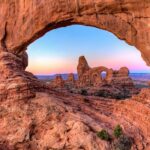
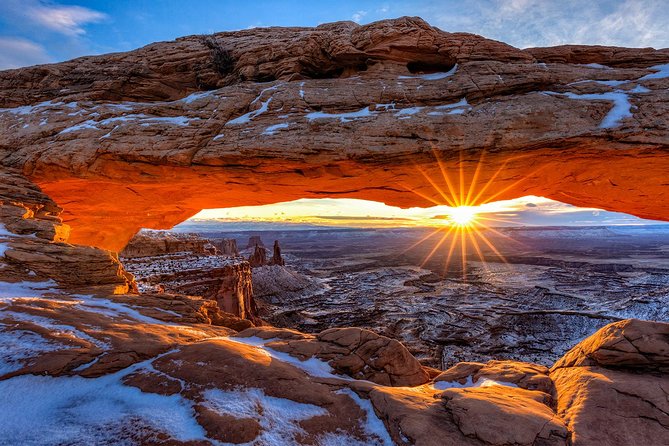
One special stop mentioned is Corona Arch, described as a natural sandstone arch near Moab. It’s located within the same rock formation as Pinto Arch and Bowtie Arch. That’s useful context for photographers because it hints at the shared geology—similar rock character, similar textures—while the composition changes based on your viewpoint.
In practical terms, arch photography is often about timing and framing. The light can make the arch interior pop, or it can flatten it into silhouette. With only 2 hours in Canyonlands, your guide’s job is to pick spots that are workable in the time you have.
Learn fast with a patient guide who works with your camera
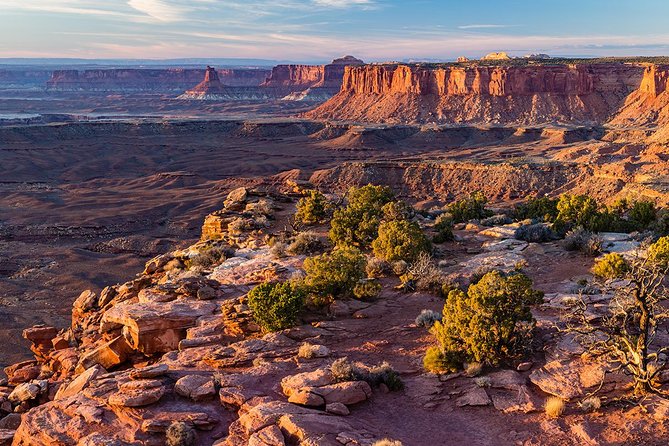
The best part of this tour is the instruction style. In the feedback, the guide Colin gets praised for being patient while walking to different sites and for helping with camera settings. If you’ve ever brought your camera out for a scenic morning and ended up shooting on auto all day, you’ll likely feel the difference here.
The tour is designed for composition coaching. You’ll get tips on photo composition and angles, plus guidance on navigating your camera’s settings. For beginners, this can be the difference between taking pretty photos and taking photos that look intentional: cleaner framing, stronger foreground choices, and settings that match what your eyes are seeing as dawn brightens.
A few ways this instruction usually pays off on a sunrise trip:
- You’ll know what to adjust as brightness changes instead of guessing every few minutes
- You’ll stop spending all your time fiddling and start spending more time aiming
- You’ll learn how to position yourself so the sun and shadows support your shot
Even if you’re an intermediate photographer, having someone local call out angles you might not notice on your own is worth it. Canyon country can be visually overwhelming. A good guide helps you simplify the scene into something you can actually photograph.
What the provided snacks and water do for a 5:00am start
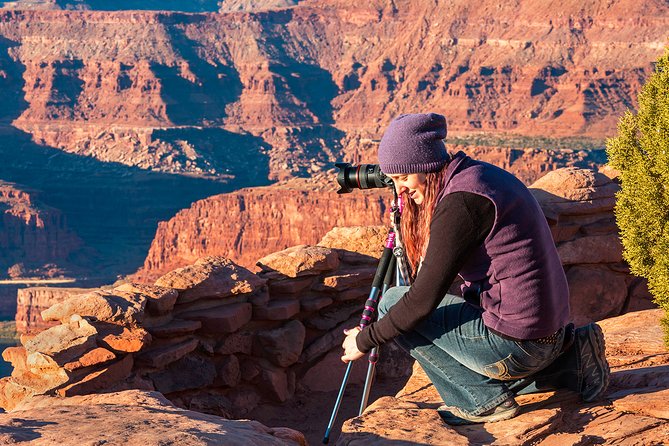
Cold water and snack bars are included. That sounds small, but it’s practical. When you’re up early, waiting for light, and walking between viewpoints, you don’t want to solve the “am I hungry?” problem while you’re also trying to shoot.
It also makes the tour feel more like an actual morning plan and less like a self-guided scramble. You’ll still want to bring your own extras if you have dietary needs, but the basics are covered.
Price and value: is $250 per person worth it?
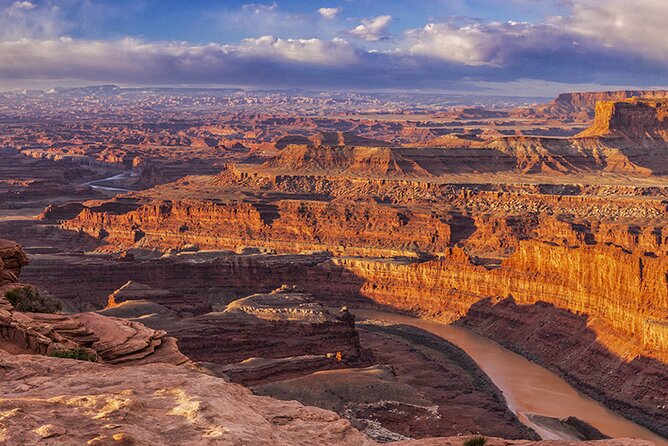
At $250 per person for roughly 4 to 6 hours, this is not a cheap add-on. The value comes from three things that matter more than the raw hours:
1) Small-group attention (max 6)
When the group is capped, you’re more likely to get personalized fixes—like how to tweak settings for a darker foreground or how to frame the arch area. This is exactly what the best feedback highlights: patience and hands-on help.
2) Expert local instruction built around sunrise timing
You’re paying for someone who knows where to take you before the best light is gone. If you’ve ever tried to teach yourself sunrise photography from scratch, you know how many failed shots happen just trying to figure out the right spot.
3) Dead Horse Point admission included + snacks provided
You’re not paying extra for the first park entry. You’re also getting cold water and snack bars, which reduces your own morning expenses.
Your cost consideration: Canyonlands admission isn’t included. Bring your park pass. Also, GST is listed as not included, so depending on where you’re booking from, taxes could adjust the final amount.
If you’re a total beginner who wants the fastest path to better images, this price can feel fair. If you already know your settings and you don’t want guidance, you might prefer a self-drive morning. But for most people, the teaching and the small group are the reason to book.
Physical comfort: moderate fitness, short hikes, early mornings
The tour lists moderate physical fitness as the requirement, and notes that short hikes (less than 1 mile) are required for some locations. That doesn’t mean you’re climbing mountains, but it does mean you should wear shoes you trust on uneven sandstone and rocky ground.
Plan for:
- walking in the dark or early light
- quick transitions between viewpoints
- a few short stretches up to get the best angles
If you’re dealing with mobility limits, I’d think carefully. Even a mile on uneven terrain at sunrise can feel like more when you’re tired and the air is cool. This is the one part of the experience that can catch people off guard.
Optional full-day extension at Arches: who it’s for
You can request an extension to a full-day experience by adding Arches National Park. If you’re the kind of traveler who likes to keep shooting into the day—especially if you’re excited about more sandstone forms—this can be a smart upgrade.
But if you prefer a lean morning plan and then a relaxed day afterward, you can keep it to the core format. The base tour already covers two major areas with focused time. Adding Arches works best when you want more structure and more guidance.
Who should book this sunrise photo tour
This tour fits you best if:
- you want hands-on help with camera settings and composition
- you’re new enough to benefit from a patient instructor at each viewpoint
- you like a small group and don’t want to compete for attention
- you value being guided to strong angles early, not just driving around for your own spots
It might feel less ideal if:
- you only care about the views and already have a solid sunrise photo setup workflow
- you strongly dislike early mornings (5:00am is non-negotiable here)
- you don’t want any short walking at all
Should you book Rock Light Photo Tours?
I’d book it if you want better photos with less guessing. The standout strength is the instruction: practical composition tips, real help with camera settings, and a guide who stays calm and supportive while you move between viewpoints. The small group cap is a big deal for value, because it turns sunrise photography from a bus-tour feel into an actual learning session.
If you’re flexible on early mornings and comfortable with short walks, this is a very solid way to experience Moab’s sunrise without wasting time on trial and error.
FAQ
What time does the sunrise tour start?
The tour starts at 5:00am.
Where is the meeting point?
You’ll meet at the Moab Information Center, 25 E Center St, Moab, UT 84532, USA.
How long is the tour?
It’s listed as 4 to 6 hours approximately.
How many people are in the group?
The tour maximum is 6 travelers.
What parks are included?
The tour includes Dead Horse Point State Park and Canyonlands National Park. There’s also an optional add-on to extend the tour with Arches National Park.
Is admission included for Dead Horse Point and Canyonlands?
Dead Horse Point admission is included. Canyonlands National Park admission is not included, so you should bring your park pass.
Do I need to hike?
You may need to do short hikes (less than 1 mile) for some locations.
What’s provided during the tour?
Cold water and snack bars are provided.
Is pickup available?
Pickup is offered.
What happens if the weather is poor or I need to cancel?
The tour requires good weather. If it’s canceled due to poor weather, you’ll be offered a different date or a full refund. You can cancel for a full refund up to 24 hours in advance of the experience’s start time.