Street life, framed by real feedback. This London street photography workshop on Fleet Street has you shooting with expert guidance from Cyrus and Marc, then refining your eye with critiques and gentle structure. It’s hands-on, fast-moving, and built for people who feel nervous, stuck, or just unsure how to make street photos hit harder.
Two things I like a lot are the way you get personalized feedback in a small group (max 8) and the mix of practical lessons with real shooting assignments. One thing to consider: you’ll need to bring a camera or iPhone, and the day’s pace can feel intense if you were hoping for a slow, casual walk-and-click experience.
In This Review
- What Makes This London Street Workshop Worth Your Time
- Entering Street Photography on Real London Streets, Not Theory
- Your Workshop Day: How the Shooting + Critique Loop Actually Works
- 1) Start at Fleet Street with a street-focused game plan
- 2) Learning blocks that connect technique to real outcomes
- 3) Photo critique with your own images, plus on-the-street feedback
- 4) Assignments that push you beyond your comfort zone
- 5) Wrap-up and finishing back where you started
- Photographing Strangers: What They Teach and Why It Works
- Fleet Street Practice: Finding Vantage Points With Less Crowd Pressure
- Critiques That Build Your Eye, Not Just Your Confidence
- What to Bring, How to Prep, and What to Expect From the Pace
- Bring what you’ll shoot with
- Plan for an intense, full learning block
- Prep mentally for assignments
- Who This Workshop Is Best For (And Who Might Want a Different Option)
- Getting There: Meeting at Fleet Street and Using Public Transit
- Should You Book This Street Photography Workshop in London?
- FAQ
- How long is the street photography workshop?
- Where does the workshop start and end?
- What time does it start?
- What languages are available?
- What is the maximum group size?
- Do I need to bring a camera or iPhone?
- Will I receive feedback on my photos?
- What if I’m uncomfortable photographing strangers?
- What refund options do I have if I cancel?
What Makes This London Street Workshop Worth Your Time
- Small group coaching (max 8): More chances to ask questions while you’re actually out shooting, not just during a lecture.
- Pre-workshop and on-the-day critiques: You review photos you submit ahead, then you’ll critique more during the workshop so your progress is visible.
- Assignments that force good habits: You get sent out with tasks designed to correct common street-photo problems, not just take random pictures.
- Lesser-known vantage points: You head to spots with less crowd pressure, so you can focus on composition and timing.
- Confidence work for photographing strangers: If you feel awkward, Cyrus and Marc show safer, more comfortable ways to approach people and scenes.
Entering Street Photography on Real London Streets, Not Theory
London street photography can feel intimidating. The city is busy, people are moving, and the fear of doing something awkward can stop you before you even lift your camera. This workshop is built to reduce that friction fast, with step-by-step guidance that turns street work into a skill you can practice.
Cyrus and Marc teach in a way that respects your comfort level. They focus on what matters in the frame: subject choice, composition, and how light and colour shape emotion. That’s the difference between collecting street photos and making street photos that tell a story.
You also get a plan, not a vague suggestion to go explore. Even though the format is around 6 hours, it feels packed because you’re bouncing between shooting, lectures, critique, and discussion. If you’re the type who likes one clear workflow, this suits you.
You can also read our reviews of more tours and experiences in London.

Your Workshop Day: How the Shooting + Critique Loop Actually Works
This isn’t just a guided walk. It’s structured around doing, reviewing, and doing again, so each round improves the next.
1) Start at Fleet Street with a street-focused game plan
You meet on Fleet St, London EC4A 2DQ, at 10:00 am, and the group stays centered on the Fleet Street area for the learning block. Starting here matters because it gives you a concentrated “street lab” where you can practice repeatedly in a small radius instead of spending time commuting.
Expect an early shift into thinking like a street photographer. The focus is not gear or settings first. It’s how you see: where you stand, what you look for, and how you decide what the subject should be.
2) Learning blocks that connect technique to real outcomes
Throughout the workshop, you’ll cover:
- Composition (how you arrange the scene so it feels intentional, not accidental)
- The importance of the subject (street images fail when the viewer can’t tell what you want them to notice)
- Light and colour (how mood and clarity change when you time your shots and watch the colour in the scene)
This is practical teaching. You don’t just hear about “good composition.” You get reminded of core ideas, then you apply them right away while you’re walking and shooting.
3) Photo critique with your own images, plus on-the-street feedback
A key part is reviewing photos you send in the night before. That pre-critique is powerful because it sets your starting point before you ever step out. Then, during the workshop, you’ll look at more photos and get additional critique.
The tone is described as friendly and gentle, which is exactly what you want when you’re building confidence. You’ll likely notice that critiques aren’t only about what’s wrong. They also point out what’s working, so you keep your strengths and fix the parts holding you back.

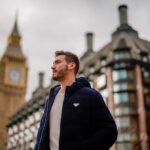
4) Assignments that push you beyond your comfort zone
You’ll be sent out on assignments. This is where most beginners start improving quickly, because the tasks prevent “random shooting.”
Common street-photo problems tend to repeat: you shoot too wide, your subject is unclear, the timing is off, or the light doesn’t support the story. Assignments help you break those patterns one at a time, instead of trying to fix everything at once.
5) Wrap-up and finishing back where you started
The workshop ends back at the meeting point. That keeps it simple logistically and lets the day finish without you needing to figure out a last-mile plan.
Photographing Strangers: What They Teach and Why It Works
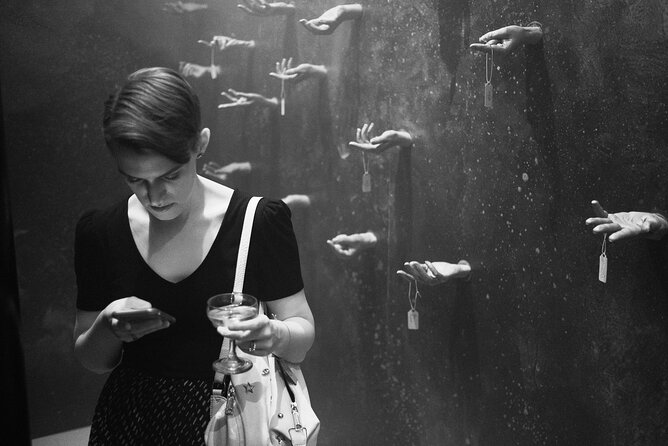
Street photography can come with a specific worry: doing something that feels intrusive. This workshop doesn’t ignore that. It directly addresses the fear, and it offers safer ways to work while you still capture real human energy.
The core idea is that good street photography isn’t about confrontation. It’s about respectful attention. Cyrus and Marc teach you how to approach safely, and they help you get more comfortable shooting strangers instead of avoiding people completely.
That shift matters for your results. If you’re nervous, you tend to shoot only the safest scenes: empty streets, distant architecture, or overly posed subjects. Once you feel comfortable enough to include people, your photos usually gain tension, scale, and story.
In the workshop materials and talks, there’s also an emphasis on the history of street photography alongside technique. That history piece helps some people stop thinking of street photography as a rule-breaking act. It becomes a craft with ethics and a long tradition of learning how to watch and respond.
Fleet Street Practice: Finding Vantage Points With Less Crowd Pressure
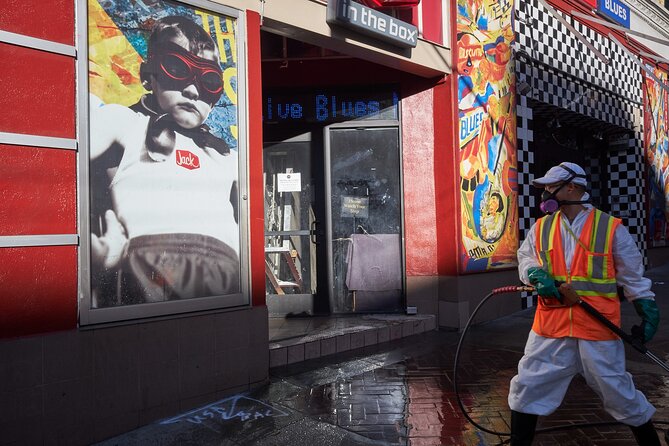
London can be chaotic, and crowd pressure changes how you shoot. You feel rushed, you hesitate, and you start taking whatever comes first.
A smart part of this workshop is that you don’t only rely on the obvious tourist lanes. You head to lesser-known vantage points to snap photos with less crowds. That gives you more time to compose, adjust, and choose the right moment.
Also, because you’re working in the Fleet Street area, you get repeated practice in a consistent environment. You learn how small changes in position can change everything: the angle, the background clutter, and how the subject reads.
If you’ve tried street photography on your own, you might have learned one lesson: there’s never enough time to try again. This workshop builds retry time into the schedule by doing theory, critique, and then new attempts.
Critiques That Build Your Eye, Not Just Your Confidence
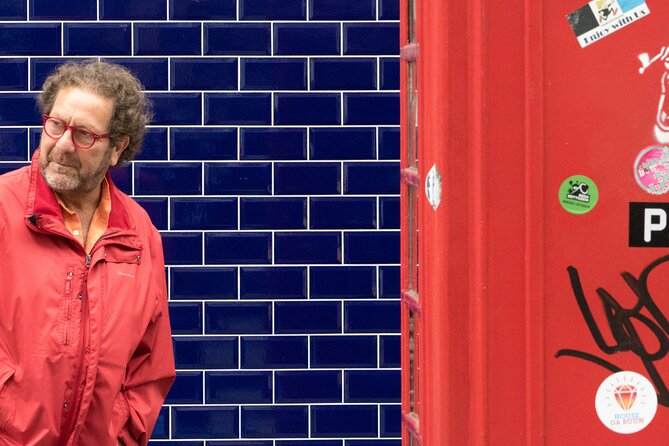
I love when workshops do critique the right way, because that’s where improvement becomes measurable. Here, you’ll go through photographs and get advice on what makes them work and how to make them stronger.
From what you’re taught, the critique approach has three goals:
- Point out what’s already strong so you keep it
- Clarify why something isn’t landing (subject clarity, composition choices, light timing)
- Give gentle, actionable direction so your next frame improves
You’ll also discuss what’s good about your images, and then you’ll get tips aimed at avoiding the problems that plague street photographers. That’s a big deal for beginner-to-intermediate shooters who might not yet know what they’re doing wrong.
One more helpful detail: you’ll also see how others handle critique. Some people participate more, others less, and you’ll still get something out of it because the workshop responds to different personalities. That matters if you’re introverted or if critique makes you freeze. The format doesn’t force everyone into the spotlight, but it still builds a learning environment.
What to Bring, How to Prep, and What to Expect From the Pace
Bring what you’ll shoot with
You need to bring a camera or iPhone. No gear lesson will help if you don’t have a working device in your hands.
Plan for an intense, full learning block
Even though the timing is around 6 hours, the workshop is heavy on shooting plus lectures plus critique. It can feel like a full day because there’s no long downtime.
If you’re thinking this is a relaxed walk, adjust your expectations. This is more like a coaching session with real field time. You’ll likely leave with a stack of new ways to look at street scenes and people.
Prep mentally for assignments
Assignments mean you’ll be asked to do specific kinds of shots, not whatever comes naturally. If you like creativity without constraints, you might feel impatient at first. If you like results, you’ll appreciate how quickly the constraints focus your brain.
Who This Workshop Is Best For (And Who Might Want a Different Option)
This workshop is a strong fit for:
- Beginner to intermediate photographers who want structure and practical feedback
- People who feel unsure about photographing strangers
- Anyone who wants a short, focused training block without spending weeks online
- Street shooters who want their eye refined through critique, not just advice
It may be less ideal if:
- You want a purely observational tour with minimal critique
- You’re allergic to being told what to improve, even gently
- You only want history and no hands-on shooting (this workshop is built around field practice)
The upside is that you can participate even if you’re not overly confident. The workshop is designed for comfort-building, and it aims to turn nerves into habits.
Getting There: Meeting at Fleet Street and Using Public Transit
You’ll start at Fleet St, London EC4A 2DQ at 10:00 am. The area is convenient for transit, and the workshop runs near public transportation, so you shouldn’t need complicated planning.
The group returns to the meeting point at the end, which makes the day simpler. If you’re navigating London on your own, that’s a relief.
Service animals are allowed, which is good to know if that applies to your situation.
Should You Book This Street Photography Workshop in London?
If you want to stop guessing and start improving fast, I’d book it. The biggest value is the loop of learning: practice on the street, get critique, then shoot again with clearer direction. You’re not paying for a scenic walk. You’re paying for a mentor-style workshop with photo feedback and assignments.
I’d especially recommend it if you feel stuck in safe, boring street frames. The combination of confidence coaching for photographing strangers, plus critiques of your actual images, is built to move you beyond that.
On the other hand, if you want a calm, low-pressure experience, the intensity may feel like too much. This workshop is designed for progress, and progress takes focus.
If you’re ready for real feedback and you want to learn how to see London streets with intent, this one earns its strong reputation.
FAQ
How long is the street photography workshop?
It runs for about 6 hours.
Where does the workshop start and end?
It starts at Fleet St, London EC4A 2DQ, UK and ends back at the same meeting point.
What time does it start?
The start time is 10:00 am.
What languages are available?
The workshop is offered in English.
What is the maximum group size?
The group has a maximum of 8 travelers.
Do I need to bring a camera or iPhone?
Yes. You need to bring your camera or iPhone.
Will I receive feedback on my photos?
Yes. You’ll get lecturing and critiquing, and you’ll also review photographs you submit ahead of time plus photos during the workshop.
What if I’m uncomfortable photographing strangers?
That’s a common concern. The workshop includes guidance on safely photographing strangers and aims to help you feel more at ease.
What refund options do I have if I cancel?
You can cancel for free up to 24 hours in advance for a full refund. If you cancel less than 24 hours before the start time, you won’t receive a refund. If the experience is canceled because the minimum number of travelers isn’t met, you’ll be offered a different date/experience or a full refund.