REVIEW · LONDON
Private London Street Photography Workshop
Book on Viator →Operated by London Photo Tours and Workshops · Bookable on Viator
London turns into a photo hunt.
This private street photography workshop in Central London with Fine Art photographer Lou Smith is built for learning by doing, not watching from a distance. You’ll work through short street assignments, then get photo review and coaching to help your images tell a story instead of just recording a scene.
What I like most is how practical it feels: you’ll work on street camera settings and focusing for moving subjects, and you won’t just shoot aimlessly. The second big win is the coaching loop—shoot, then get guidance on what you captured and how to improve—so you can adjust fast while you’re still out there.
The only real drawback to plan for is that it’s outdoors and active, so weather and walking matter. Bring your own camera (or use your phone), get a charged battery, and dress for the day.
In This Review
- Key takeaways before you go
- Why this workshop works for London street photography
- Your instructor, Lou Smith: what to expect from the teaching style
- The camera setup lesson: settings and focusing for fast scenes
- The workshop flow: shoot, practice, and get real feedback
- Stop 1: Charing Cross Road—practice framing where London shows off
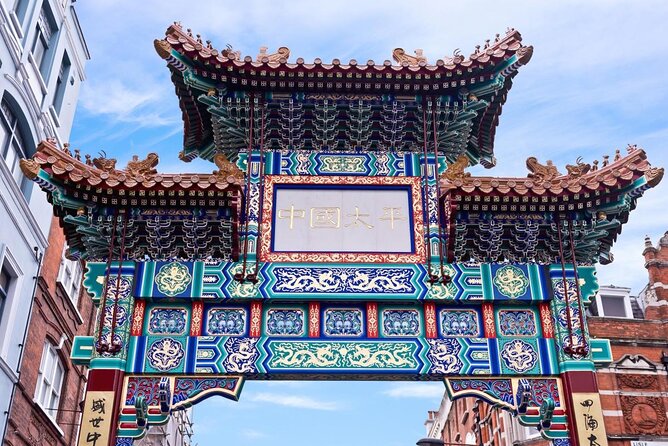
- Stop 2: Chinatown—use color and mood to tell a tighter story
- Stop 3: Soho—build a narrative, not just a photo
- Stop 4: Piccadilly Circus—fast subjects, tough composition, big payoff
- Short assignments: why they make you a better street photographer fast
- Black-and-white and color: use both, don’t just pick a favorite
- Integrating the environment: making London do more than sit in the background
- Who this is best for (and who should consider another option)
- Price and value: why $332.90 can make sense here
- Final call: should you book this private London street workshop?
- FAQ
- What is the duration of the London street photography workshop?
- Where does the workshop start?
- Which places are included during the session?
- Is this a private workshop or a shared group tour?
- What’s included in the price?
- Do I need my own camera?
- Is the workshop only for experienced photographers?
- Is it indoors or outdoors?
- What should I expect that’s not included?
- Is there a cancellation policy?
Key takeaways before you go
- Private coaching with Lou Smith: You get tailored guidance and personalized feedback instead of one-size-fits-all tips.
- Short street assignments: You’ll be pushed to make more candid frames on purpose, not by accident.
- Camera settings and focusing for the street: You’ll learn how to set up and focus for quick-moving people and scenes.
- Black-and-white plus color for mood: You practice both approaches so you can choose a look that matches what you see.
- Central London stop plan for fast learning: Charing Cross Road, Chinatown, Soho, and Piccadilly Circus each bring different street textures and photo opportunities.
Why this workshop works for London street photography
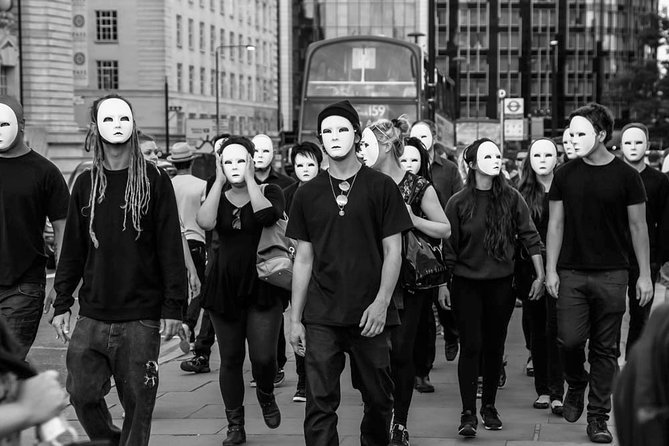
Street photography in London can feel easy at first: there are people, buildings, signs, and constant motion. The hard part is controlling your choices—where to stand, when to press the shutter, what to include, and how to make an image feel like it has a point. That’s where this private workshop earns its keep.
Lou Smith’s focus is on capturing contemporary London as it’s happening, not staging a photo session. The method is built around small tasks you complete on the sidewalk, then practical feedback that helps you refine your approach while the streets are still in front of you.
You’ll also learn a key mindset: planning the image in your head before you take it. Multiple parts of the session point you toward being more selective—what you keep, what you leave, and what makes a frame worth your effort. That usually improves results faster than just taking more photos.
You can also read our reviews of more tours and experiences in London.

Your instructor, Lou Smith: what to expect from the teaching style
Lou Smith is described as thoughtful, methodical, and intentional in her instruction. The tone matters because street photography can be intimidating—especially if you’re new, or if you tend to freeze when something moves quickly.
In this workshop, expect:
- Clear teaching on camera setup for street work
- Hands-on practice with quick turnarounds
- Photo review and coaching on how to develop what you’ve learned
One of the standout takeaways from past participants is that Lou helps you overcome specific hurdles, not just give generic tips. That’s a big advantage of a private format: you can get guidance that matches how you shoot today.
The camera setup lesson: settings and focusing for fast scenes
Street photography lives and dies on setup. If your camera is set up for the wrong kind of focus or exposure behavior, you’ll miss the moment even when you spot a good subject.
This workshop explicitly covers:
- How to set your camera for street photography
- Focusing techniques made for street shooting
- How to frame and compose quick moving subjects with confidence
- How to set exposure to support your creative choices
You can use different digital cameras, including smart phones. The key is that the instructor helps you apply street-thinking to whatever you’re holding. If you normally rely on auto mode, you’ll likely leave with more control so you can react quicker—without losing the mood.
A practical note: bring a fully charged battery, and a spare battery if you have one. In a 4-hour street session, power fades fast—especially if you’re checking images between short assignments.
The workshop flow: shoot, practice, and get real feedback
A good street photo workshop doesn’t just send you out with a camera and hope. This one has a structure that keeps you improving in steps.
Here’s the rhythm you should expect:
- Learn a street technique (how to frame, focus, or control exposure).
- Go shoot with a short assignment.
- Bring images back for review and guidance.
- Apply what you learned to the next streets you encounter.
In past sessions, people have walked away with a set of strong images—one participant specifically called out getting more than 15 strong photos from the day. That’s not a promise, but it hints at the workshop goal: make it possible to walk away with keepers, not just practice shots.
Stop 1: Charing Cross Road—practice framing where London shows off
Charing Cross Road is a smart starting point because it’s full of photo ingredients without being too remote or hard to navigate. You get immediate opportunities to practice fast decisions: subjects passing by, shopfront details, signs, and the mix of pedestrians you usually want for street storytelling.
What I’d focus on here:
- Build your composition habits early: where do you place your subject, and what do you leave out?
- Practice quick focusing for people and movement.
- Try both black-and-white and color thinking—at this stage you’re learning, so test choices.
A small consideration: this area can be busy, and it’s easy to start shooting too wide and too safe. The coaching style in this workshop helps you learn selectivity—so you’re not just collecting random images.
Stop 2: Chinatown—use color and mood to tell a tighter story
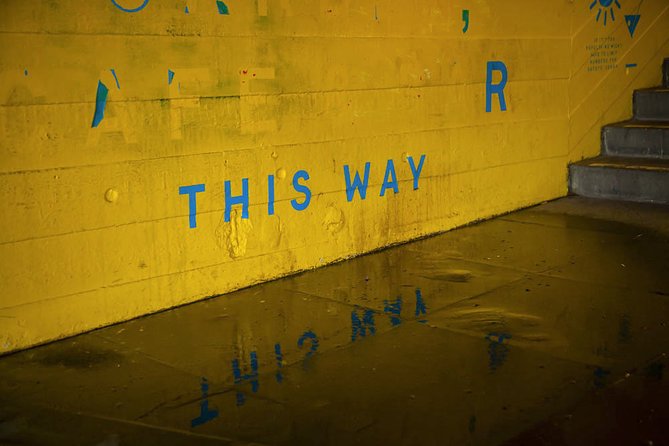
Chinatown brings a different street feel. Instead of broad city scenes, you’ll likely find more chances for close-to-mid framing: signs, entrances, faces, and cultural detail in a way that naturally creates character in photos.
This is where learning about color for mood can click. Color street photography isn’t just about having the feature lights and signs—it’s about deciding what color story you want and using it to guide the viewer.
Try this:
- Look for moments where people and environment connect clearly.
- Choose a color-driven theme: warm tones, contrast with signage, or patterns on walls and doors.
- Don’t only shoot faces; shoot behavior, pauses, and small interactions.
If you enjoy black-and-white, Chinatown is also a good test ground. High-contrast details and strong shapes can work beautifully even when the color story is the obvious draw.
Stop 3: Soho—build a narrative, not just a photo
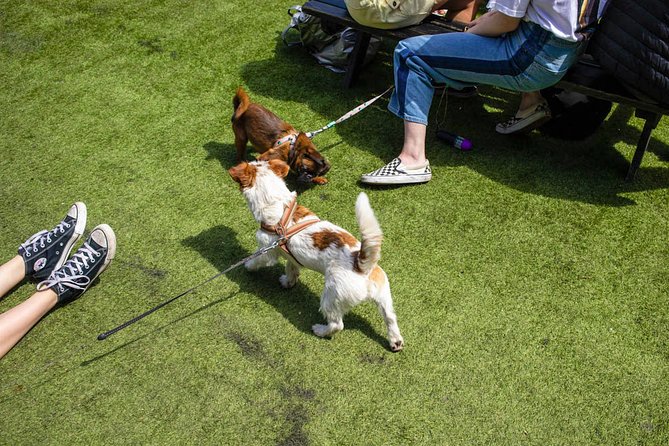
Soho is where street photography becomes more about story structure. You’ll encounter a dense mix of people and small scenes that can turn into a set of images with a theme—late-night energy, quick conversations, or the sense of a place that never fully stops.
One of the most useful lessons in this workshop is adding narrative to images. That means thinking beyond a single shutter click:
- What’s happening right now?
- What happened just before or what might happen next?
- How does the environment support the feeling of the subject?
Practicing narrative also helps you avoid a common street-photo trap: photographing famous landmarks with no sense of relationship between subject and setting. The coaching here pushes you to make your street shots feel connected.
Stop 4: Piccadilly Circus—fast subjects, tough composition, big payoff
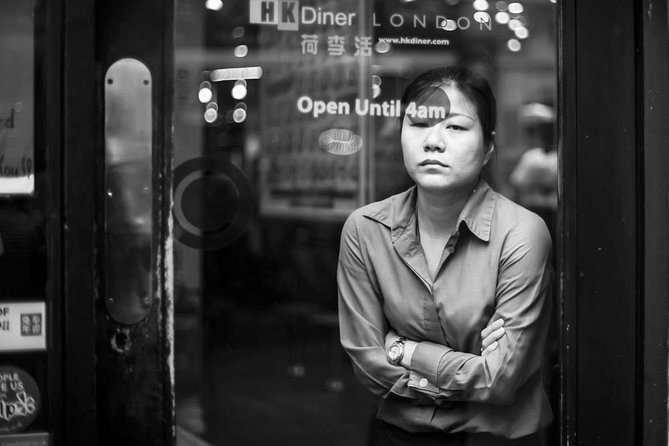
Piccadilly Circus can be visually intense, and that’s exactly why it’s a strong final stop for learning. You’ll be dealing with movement, crowds, and a lot of competing visual information.
This is where the workshop’s emphasis on:
- framing quickly
- composing for moving subjects
- confidence with focusing
really pays off.
You’ll want to choose a strategy before you shoot. For example:
- Look for smaller relationships inside the busy scene (a person against signage, a face turned mid-step, a pause near a corner).
- Use tighter framing if the wider view feels chaotic.
- Decide whether you’re going for color mood, black-and-white shapes, or a blend.
The payoff, when it goes right, is a strong sense of contemporary London with real people in it—not just a spectacle.
Short assignments: why they make you a better street photographer fast
The street assignments are more than games. They force you to practice the exact skill you’re learning instead of drifting into comfort zones.
If you tend to take photographs without a plan, you might find the assignments push you to:
- make quicker decisions
- look longer for a better subject
- think before pressing the shutter
- become more selective about what you keep
One past participant described the workshop as a real personal challenge that changed how they shoot. That’s often what short assignments do: they interrupt old habits.
Black-and-white and color: use both, don’t just pick a favorite
The workshop explicitly includes both black-and-white captures and using color for mood and atmosphere. That matters because street photography often rewards strong intent. If you only shoot in one style, you miss the chance to learn how to translate what you see into a chosen visual language.
Here’s how you can approach it on the sidewalk:
- When you’re in color-rich areas, think about mood first: warmth, cool contrast, or bright signage.
- When you spot strong shapes, textures, and contrast, test black-and-white.
- If you’re unsure, treat it as a comparison exercise. Take the same idea in two styles and see which one feels more honest to the scene.
This dual practice also helps you build a personal look. Over time, you’ll know when color is doing the heavy lifting—and when black-and-white makes the scene simpler and stronger.
Integrating the environment: making London do more than sit in the background
A good street photo doesn’t just include the city. It uses the city. The workshop teaches you to integrate the environment into your photographs, so the buildings, small shops, bars, and backstreet textures become part of the story rather than empty context.
In practical terms, you’ll keep asking:
- Does the environment explain the subject’s mood?
- Does it frame the action or highlight the subject?
- Does the setting add texture that makes the viewer lean in?
That’s also where those small cobbled backstreets and intimate shops come into play. When you’re walking through Central London on foot, you get more chances for real interactions between people and places.
Who this is best for (and who should consider another option)
This workshop is suitable for all skill levels, and you can use smart phones or digital cameras. That’s rare, and it makes it a good choice if you’re traveling with friends who don’t all have the same gear.
It’s especially a great fit if:
- you want a street-aimed shooting approach rather than a general photo walk
- you like one-on-one coaching or small-group guidance
- you struggle with confidence when subjects move fast
- you want clearer camera setup guidance for street shooting
Consider a different option if you want lots of time for leisurely sightseeing breaks. This is active and outdoors, with hands-on practice driving the schedule.
Price and value: why $332.90 can make sense here
At $332.90 per person for about 4 hours, this isn’t a budget activity. But street coaching is one of the categories where the private format can justify the price.
Here’s the value logic:
- Private workshop exclusivity means attention is focused on your group’s learning needs.
- You don’t just get tips—you get practice with short assignments and photo review to develop skills immediately.
- The instructor teaches camera setup and street focusing techniques, which are the kinds of skills that usually take time to figure out alone.
If you’ve ever spent hours shooting with no improvement plan, this workshop can be a fast-track. Even if you only leave with a handful of images that feel stronger than what you normally make, that can be worth it—especially if you plan to keep shooting after the trip.
Final call: should you book this private London street workshop?
If you want to get better at street photography in a real, practical way, I think this workshop is a smart buy. The mix of street-focused teaching, short shooting assignments, and direct photo feedback from Lou Smith is exactly what helps your images level up while you’re still in the streets.
Book it if you’re ready to walk, test your camera settings, and learn by doing. Skip it only if you’d rather focus on landmarks or long sightseeing time, because this experience is built around street shooting first.
FAQ
What is the duration of the London street photography workshop?
It runs for about 4 hours.
Where does the workshop start?
The meeting point is Charing CrossStrand, London WC2N 5HF, UK.
Which places are included during the session?
The stops are Charing Cross Road, Chinatown, Soho, and Piccadilly Circus.
Is this a private workshop or a shared group tour?
It’s a private tour/activity, and only your group participates.
What’s included in the price?
You get instruction from a professional Fine Art photographer, photo review, and expert photography guidance, plus the private workshop experience. You also have the professional photographer’s knowledge across cameras.
Do I need my own camera?
Yes. Bring your own camera with a fully charged battery, and a spare battery if you have one. It’s also suitable for smart phones.
Is the workshop only for experienced photographers?
No. It’s suitable for all skill levels.
Is it indoors or outdoors?
It’s outdoors with plenty of hands-on time, so you should dress for the weather.
What should I expect that’s not included?
Light refreshments aren’t included, and gratuities are left to your discretion.
Is there a cancellation policy?
The experience offers free cancellation. You can cancel up to 24 hours in advance for a full refund, based on local time.