REVIEW · VARANASI
Mobile Photography Street Experience
Book on Viator →Operated by Manoj, Photography Fixer and Guide · Bookable on Viator
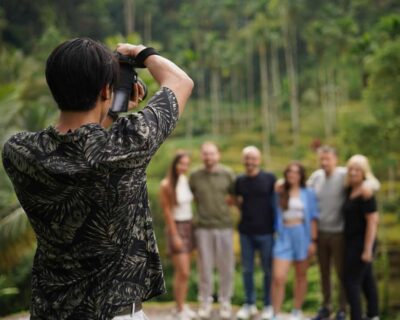
Varanasi turns your phone into a storytelling tool. This 8-hour mobile photography street workshop in Varanasi pairs hands-on practice with a pro instructor, so you’re not just sightseeing—you’re making images. You’ll shoot real daily life and spiritual moments, then tighten up what you captured using practical feedback.
I especially like the focus on phone settings and composition (light, focus, colors, distance, and background). I also like the private format with pickup offered, because you can move at the pace of your group and ask questions when you’re stuck. The guide, Manoj (Photography Fixer and Guide), is there to help you see what the camera is actually doing.
One consideration: it’s a full day, and lunch is not included. Also, the tour doesn’t list an air-conditioned vehicle, so plan for walking and warm conditions depending on when your session runs.
In This Review
- Key highlights you’ll actually feel during the shoot
- Why Varanasi is a phone-camera playground
- Manoj’s role: more than pointing and shooting
- Your 8-hour street session, step by step
- Composition basics for phone cameras in real street scenes
- Photographing people: practice, not luck
- Ghats and spiritual scenes: finding angles while you walk
- Pickup, private pacing, and group discounts: the logistics that matter
- Price and value: is $160 fair for a mobile photography workshop?
- What to bring for a better phone-photo day
- Who this mobile photography experience suits best
- Should you book? My decision guide
- FAQ
- FAQ
- How long is the mobile photography street experience in Varanasi?
- What’s included in the price?
- Does the tour include pickup from your hotel?
- Is lunch included?
- Is an air-conditioned vehicle included?
- Is this a private tour?
- What are the operating hours?
- What’s the cancellation policy?
- How much does it cost?
Key highlights you’ll actually feel during the shoot
- Professional guidance focused on phone photography, not fancy gear
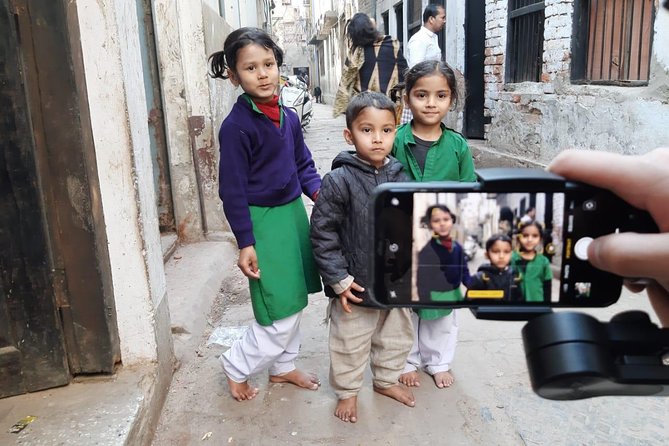
- Real street practice with everyday scenes like work, transport, play, and learning
- Composition coaching (light, focus, color themes, distance, and background)
- Human-subject experience so you can photograph people with intention
- Ghats + spiritual settings for dramatic angles and story shots
- Private pacing with pickup offered for easier start-to-finish logistics
Why Varanasi is a phone-camera playground
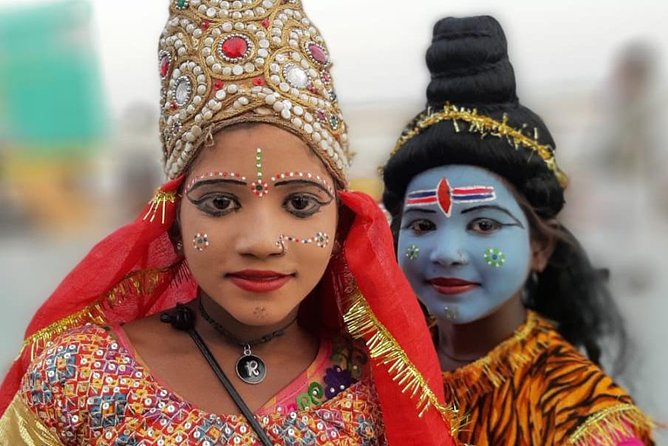
Varanasi is built for strong photos. Not because everything looks perfect, but because the city is always in motion: people cooking, moving goods, talking, praying, repairing, and learning. That kind of energy is exactly what a mobile camera handles best when you know where to stand and what to include.
What I like about this kind of shooting is that it teaches you a transferable skill. Instead of chasing one “Instagram spot,” you learn how to handle the common problems that show up in street photography everywhere—messy backgrounds, harsh light, subjects too far away, and colors that don’t feel organized. When you practice those issues in Varanasi, you’ll be better in any city afterward.
And because the tour is specifically for mobile users, you’re using the tools you already own. Your phone becomes your camera bag, your editing assistant, and your decision-maker all in one.
You can also read our reviews of more tours and experiences in Varanasi.
Manoj’s role: more than pointing and shooting
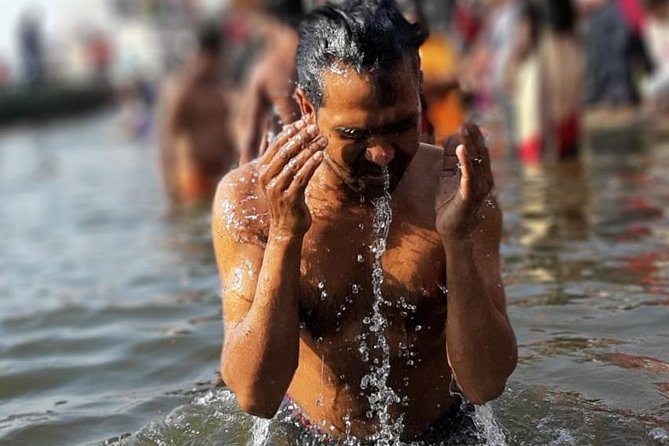
The instructor for this experience is Manoj, listed as Photography Fixer and Guide. That title matters. It suggests someone who doesn’t just lecture, but helps you work through the practical side of getting photos in a crowded, active place.
In a workshop like this, Manoj’s value is in the feedback loop. You’ll try shots, then you’ll look at what worked and what didn’t, using mobile photography principles the whole way. That matters because phone photography can feel mysterious: you tap the screen and the camera “decides” for you. The coaching helps you regain control—especially around focus, exposure, and how close or far you place yourself from your subject.
Another smart part of the format is that you’re not only taught. You also practice, walking through scenes designed to challenge you visually: everyday work and transport, moments of play and education, construction activity, and spiritual practices.
Your 8-hour street session, step by step
The experience runs for about 8 hours (the exact timing is discussed). Most of the learning happens while you’re moving. That’s important in Varanasi, where light and activity change fast, and waiting around too long can cost you the shot.
Here’s what the flow feels like in practice:
First, you start with instruction tied directly to what you’ll shoot next. This isn’t generic “rule of thirds” talk. You’ll learn how to get your phone’s settings more under control and how to compose so your photo reads clearly.
Then you head into streets full of everyday life—cooking, goods transport, play, education, construction, and spiritual practices. In other words, you’re not limited to portraits or landscapes. You’re collecting different story elements: action, context, and faces.
As you go, you’ll identify composition issues in real time: light, focus, colors and themes, distance from your subject, and what’s happening in the background. That last one is a big deal for phone photos. In busy scenes, the background can quietly wreck your image if you don’t notice it.
Finally, you share what worked and what didn’t. That reflection is where you lock in the lesson. It turns your day from “I took pictures” into “I learned how to take pictures.”
Composition basics for phone cameras in real street scenes
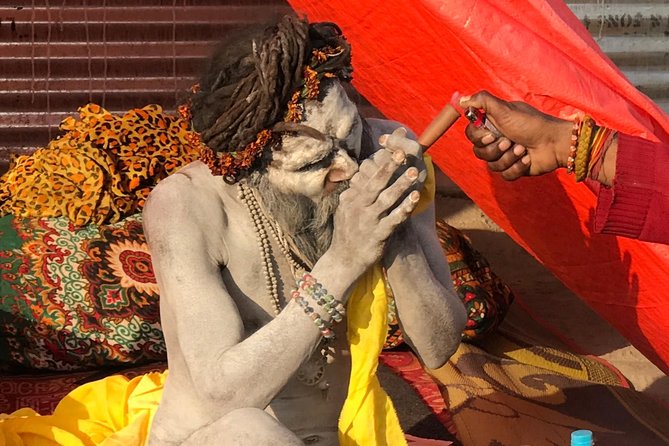
The workshop trains you to see composition problems before you press the shutter. That’s the skill that pays off later, even when you return home and shoot in calmer places.
You’ll practice these core areas:
- Light: Street light in Varanasi can be harsh, directional, or mixed. You’ll learn how to position yourself and adjust your approach so your subject doesn’t get swallowed by glare or darkness.
- Focus: Phones can focus on the wrong thing when backgrounds are busy. You’ll learn how to correct that so your subject looks intentional, not accidental.
- Colors and themes: Varanasi can be color-heavy. The goal isn’t to photograph everything in technicolor—it’s to build a clear visual theme that makes sense in one frame.
- Distance from subject: If you’re too far, your photo can become a crowd shot without a story. Too close, and you lose context. You’ll practice finding the distance that tells the right part of the story.
- Background control: In a packed street, backgrounds are never “blank.” The workshop makes you spot distractions and choose angles that simplify the scene.
What you get from this is practical control. You’ll stop relying on luck. And once you can do that, your photos start looking like you planned them.
Photographing people: practice, not luck
One of the best parts of this workshop is that you’ll learn and practice engaging with human subjects. Street photography often fails for one reason: people feel like obstacles instead of part of the scene.
Training helps you do two things at once: notice expressions and gestures, and still keep your composition clean. When you combine that with coaching on focus and distance, the result is photos that feel like moments, not snapshots.
In human-centered street scenes, you’ll also learn how to avoid the common phone mistake of letting your subject turn into a blurry, overexposed silhouette. The instruction ties directly to what you’re seeing in front of you—so your phone settings aren’t abstract. They become tools for real decisions.
Ghats and spiritual scenes: finding angles while you walk
Varanasi’s ghats are a photo magnet for a reason. They offer layered storytelling: architecture, water, steps, ritual activity, and crowds moving in different directions. Walking and photographing the ghats also teaches you something useful—framing doesn’t happen only at a fixed viewpoint.
In this workshop, you’ll spend time shooting spiritual practices as part of your street day. That means you’re learning how to handle higher-contrast scenes (light hitting surfaces, shadows from structures, and subjects moving along steps).
A nice bonus from the overall experience is that some participants get a chance to switch perspectives with a boat ride. Even if your exact schedule varies, the concept is valuable: a different vantage point can rescue photos that feel too flat from land. If your day includes water, watch for changing light and use it to make your shots feel different rather than repeating the same angle.
Pickup, private pacing, and group discounts: the logistics that matter
This is a private tour/activity, meaning only your group participates. That changes everything about how a photography workshop feels. Instead of competing for the instructor’s attention, you can get help when your frame isn’t working—then fix it right away.
Pickup is offered, which is a big deal in a city where you don’t want to spend the morning negotiating. You get a hassle-free transfer so you can start shooting while your brain is still fresh.
There are also group discounts, which can make the price easier to justify if you’re traveling with friends or family. Since the tour is private, you’re not stuck with a larger group dynamic that often cuts down instruction time.
One caution: the day is long, and lunch isn’t included. Plan your meals accordingly, and be ready to keep moving. Also, an air-conditioned vehicle is listed as not included, so don’t count on AC comforts during transfers.
Price and value: is $160 fair for a mobile photography workshop?
At $160 for about 8 hours, the best way to judge value is what you’re paying for: instruction, guidance through photo spots, and practical critique.
This isn’t a “buy a ticket and wander” experience. You’re paying for:
- A professional instructor (Manoj) who teaches phone photography skills
- A street tour with instruction, designed for cell phone users
- Private pacing and flexibility
- Pickup offered to reduce travel friction
- A mobile ticket for easier entry
You don’t pay extra for the teaching part. That’s where value usually lives in workshops. If you’re the type who wants to go home with sharper photos—and not just souvenirs—this pricing starts to make sense.
Where it may feel less economical is if you’re only casually interested and won’t apply the techniques. The workshop works best when you’re willing to experiment: take shots, adjust, and try again.
Also, remember what’s not included: lunch, and an air-conditioned vehicle isn’t listed as part of the package. Those small add-ons can matter on a long day.
What to bring for a better phone-photo day
Even though the tour focuses on technique, you’ll get more out of it if your phone is ready for street use. I’d bring:
- Your smartphone with a fully charged battery
- A way to keep the phone protected while you’re walking
- If you use them, any phone camera accessories you already own
- Comfortable shoes for an 8-hour street day
- Water and a simple snack plan, since lunch isn’t included
Also, arrive mentally ready to shoot. The workshop is about practicing choices—what to include, what to leave out, how to get focus right—so don’t plan on only photographing in the final hour.
Who this mobile photography experience suits best
This is a strong fit if you:
- Want great photos with a phone, not a separate camera system
- Learn best by walking, trying, and getting feedback
- Like street life and want images that tell a story
- Prefer a private guide who can respond to your questions
Because most travelers can participate and the format is flexible, it can work for a range of skill levels. Beginners often benefit the most, since phone photography has quick wins once you understand focus, composition, and how to read light. Intermediate shooters also like the coaching because it sharpens decision-making—especially on distance and background control.
If your idea of a trip is mostly sitting in a café and photographing only from one viewpoint, this may feel like more movement than you expect. The day is built for walking and practicing.
Should you book? My decision guide
Book it if you want a practical photography education you can use immediately. The combination of Manoj’s instruction, a real street setting in Varanasi, and time spent correcting composition issues is exactly how you get better fast with a mobile camera.
Skip it if you only want a relaxed sightseeing day with casual photos. Because lunch isn’t included and the day runs around 8 hours, you’ll want to be ready to work for your results.
If you do book, go in with a simple goal: choose one or two “photo problems” you want to fix (like focus or background clutter). During the day, ask for help when your frames aren’t working. That’s when this workshop pays off.
FAQ
FAQ
How long is the mobile photography street experience in Varanasi?
It lasts about 8 hours (timing to be discussed).
What’s included in the price?
The included portion is a street tour with instruction about creating spectacular images with a mobile phone.
Does the tour include pickup from your hotel?
Pickup is offered.
Is lunch included?
No, lunch is not included.
Is an air-conditioned vehicle included?
No, an air-conditioned vehicle is listed as not included.
Is this a private tour?
Yes. It’s a private tour/activity, and only your group participates.
What are the operating hours?
Monday through Sunday, 5:00 AM to 5:00 PM.
What’s the cancellation policy?
Free cancellation is available. You can cancel up to 24 hours in advance for a full refund.
How much does it cost?
The price is $160.