REVIEW · VARANASI
Photography Documentary and Street Photography
Book on Viator →Operated by Manoj, Photography Fixer and Guide · Bookable on Viator
Dawn in Varanasi is photo magic. This is a fixer-led day that helps you turn chaos into a story and shoot with confidence, whether you’re behind a DSLR or just your phone.
I like the focus on documentary street photography: you’re not handed a rigid script, you’re guided to the right moments and locations. I also like that the guide is built for both pros and beginners, so you get practical direction on framing and what to watch for in real time.
One consideration: this kind of photography is intense. You’re photographing emotionally heavy and sacred scenes, so you’ll need patience, sensitivity, and flexibility with timing.
In This Review
- Quick highlights you’ll care about
- Why a photo fixer is worth it in Varanasi
- Price and value for an 8-hour documentary photo day
- Start where the ghat world begins: Dashashwamedh Ghat Road
- Manikarnika Ghat: the main subject and why it’s demanding
- Sunrise in Varanasi: how to translate light into photos
- Holy men and saddhus: getting the story without getting in the way
- Ghat life in motion: pilgrims, cremation scenes, fishing, and wrestling
- How Manoj helps with framing and mobile photography
- What’s included and what you’ll likely pay for separately
- Logistics that affect your photos more than you think
- Who should book this, and who should adjust expectations
- Should you book Manoj’s Varanasi photo-fixing day
- FAQ
- How long is the photography experience in Varanasi?
- What’s the main location or stop during the tour?
- Where do I meet the guide?
- Is this a private tour or shared group?
- Can non-professional photographers join?
- What types of subjects can I photograph during the day?
- What’s not included in the price?
- When does the activity run?
- Is cancellation free if I need to change plans?
Quick highlights you’ll care about
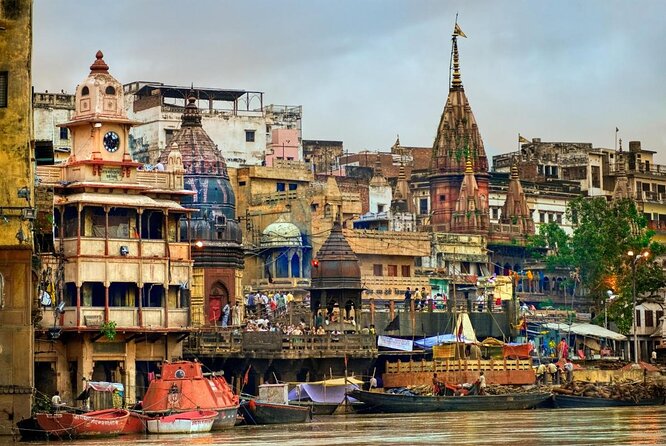
- Manikarnika Ghat as a main stop, for high-impact documentary visuals
- Sunrise included in the day’s rhythm, with early start times available
- Photographic fixing for pros and non-pros, plus help for mobile shooting
- Ghat activity coverage such as pilgrims at the river, cremation scenes, and training-wrestling energy
- Private service for your party, so you’re not shuffled through at other people’s pace
Why a photo fixer is worth it in Varanasi
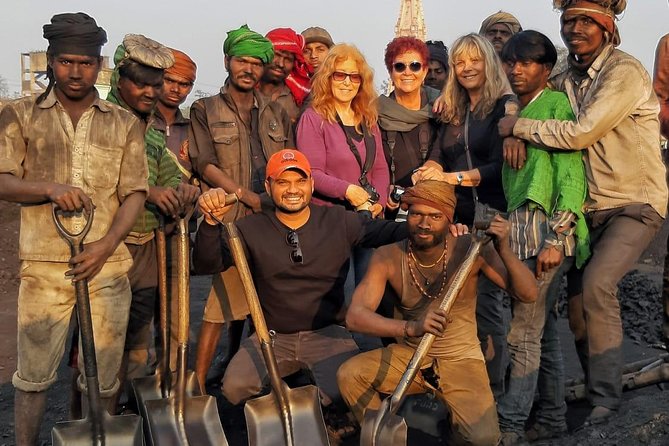
Varanasi is the kind of place where your best photos can happen fast… and your worst photos can happen faster. The street scenes are compelling, but they’re also crowded, layered, and strongly cultural. That’s exactly where a professional fixer earns their keep.
With Manoj as your guide, you’re not just walking around with a camera and hoping for the best. You’re working with someone who knows how Varanasi works day to day and what stories are actually worth photographing. The “fixing” part is practical: helping you build a personal itinerary around your goals, then guiding you through what to look for and where to position yourself for a stronger frame.
I also like the balance here. This isn’t only about chasing dramatic images. You’re guided in understanding current, historic, and cultural aspects of the Holy City, which helps your photos feel grounded instead of random.
You can also read our reviews of more tours and experiences in Varanasi.
Price and value for an 8-hour documentary photo day
At $302 for about 8 hours, this sits in the “serious local help” category rather than a budget walk-and-take-pictures option. The value comes from two things you can’t reliably DIY:
1) Time-saving expertise. In Varanasi, knowing where your subject will actually show up (and how to approach it) matters. A fixer helps you spend less time lost and more time shooting.
2) On-the-spot guidance. You’re not only getting access to places. You’re getting shot ideas and framing help—plus mobile photography tips—so your results improve, even if you’re an amateur.
Also, there’s a nudge toward booking longer if you can. The day you’re offered is already positioned as an all-day style experience, and it makes sense: sunrise plus active ghats life isn’t something you can fully capture in a short block without rushing.
Start where the ghat world begins: Dashashwamedh Ghat Road
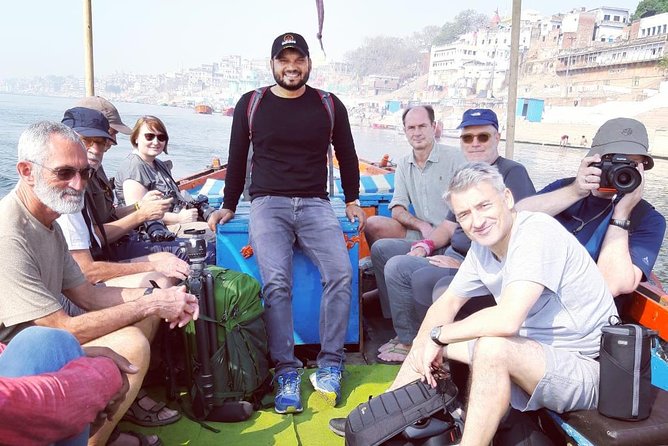
Your day begins at Dashashwamedh Ghat Rd, in the ghats of Varanasi, near Godowlia. Meeting back at the same spot keeps things simple and reduces the risk of being stranded far from where you started.
This is also a smart location to begin because it puts you in the middle of ghat energy early. If you want sunrise shots, being near major ghats helps you stay in position without burning time traveling.
One small practical point: timing is discussed with your guide, and the activity hours run from 5:00 AM to 5:00 PM. Plan around that window. In other words, if you care about sunrise and early action, prioritize an early start in your message.
Manikarnika Ghat: the main subject and why it’s demanding
The tour’s key stop is Manikarnika Ghat. This is one of Varanasi’s most visually powerful and emotionally intense areas, and it’s exactly the kind of location where a fixer makes your work—and your behavior—better.
What you can expect around Manikarnika is the chance to photograph high-stakes documentary content, including cremation activity. That means the day isn’t just about getting a beautiful image. It’s about being respectful in the moment and learning how to frame subjects without disrupting them.
A drawback to keep in mind: you’ll likely want a “perfect shot” that fits your style, but the reality is that sacred activity doesn’t run on your camera schedule. The best results come when you’re patient enough to wait for the right visual relationships—light, gesture, posture, and crowd flow—rather than trying to force a scene into your timeline.
Sunrise in Varanasi: how to translate light into photos
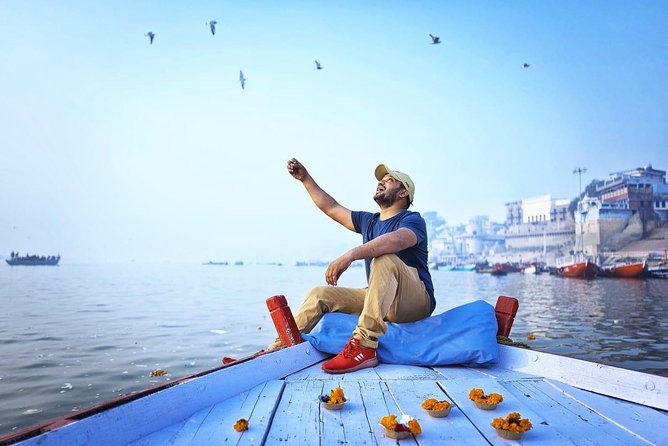
A major highlight is the opportunity to catch the glorious sunrise. That matters because sunrise changes everything about ghat photography: faces catch warm light, smoke and stone become more dramatic, and the whole scene starts to feel more cinematic.
The fixer helps here by steering you toward places and angles where light and subject overlap. Without that local guidance, sunrise shooting can turn into wandering and missed timing.
For your camera approach, think in layers:
- Use the front subject (holy men, saddhus, pilgrims) for the human story.
- Use the ghats architecture and river line as the visual anchors.
- Leave room for movement. Sunrise activity isn’t static, so your best frames often include people mid-action.
If you’re working with a phone, sunrise is still workable. Focus on steady support (a stable stance, bracing your arms, steady tapping on faces) and shoot a burst when the light hits right. The guide can offer tips specific to your device during the day.
Holy men and saddhus: getting the story without getting in the way
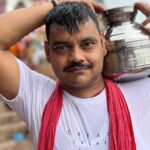
One of the headline subjects is striking imagery of holy men & saddhus. This is classic documentary material, but it comes with a responsibility: these are not costumes you can treat like props.
What the fixer setup does well is guiding you on where to go and how to frame respectfully. Manoj’s role is to help you connect the visual with meaning—so your images don’t just look dramatic, they read like real observations.
In practical terms, you’ll want to:
- Watch for gestures and movement rather than only aiming for a still portrait.
- Capture details (hands, scarves, ornaments, expressions) that show devotion and character.
- Keep your distance and adjust your position rather than pressing closer.
As an amateur photographer, you’ll probably appreciate the structure behind it. The best “fixing” isn’t magic. It’s helping you understand what makes the scene work: alignment, background choices, and when to wait.
Ghat life in motion: pilgrims, cremation scenes, fishing, and wrestling
The day is designed to cover multiple flavors of ghat activity. You have the opportunity to see and photograph:
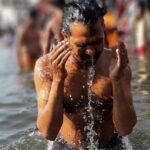
- Pilgrims immersing themselves in the holy river
- Cremation of bodies
- Rural fishing village life
- Wrestling schools
This is a huge reason the tour is structured as a longer day. You’re moving through different types of energy, and each one asks for a different kind of photo.
For example:
- River immersion scenes often reward timing and composition that includes the water line and body posture.
- Cremation scenes demand calm, respect, and a framing mindset that avoids turning grief into a spectacle.
- Fishing village visuals can shift the focus to work, boats, nets, and the textures of daily life.
- Wrestling schools bring motion and structure, which can be easier to shoot for action-focused photographers.
Because these are real activities, expect unpredictability. Crowds change. Light changes. People step aside. This is where having a local who knows where to go helps most.
How Manoj helps with framing and mobile photography
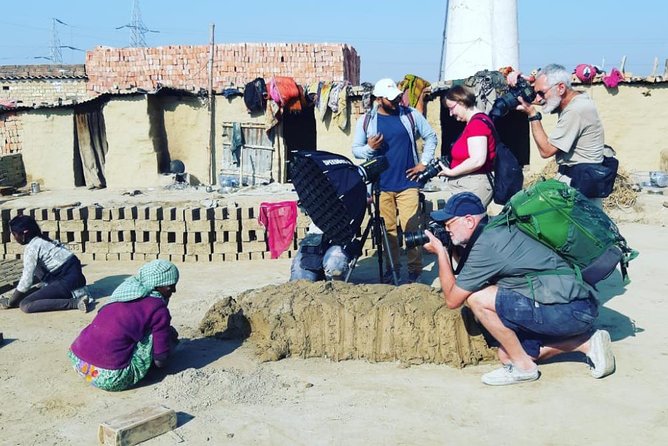
This experience is built around “photographic fixing,” which is essentially a guided conversion from ideas into actual shots. Manoj’s guiding role includes helping you understand current, historic, and cultural aspects, but it also includes tangible photo work.
From what I’d expect from a professional fixer, the core benefits are:
- Shot ideas that make you point your camera with purpose
- Framing guidance that improves your composition fast
- Tips for mobile photography if that’s your tool
Even if you’re not a professional, this matters. Many people visit Varanasi with good intentions and leave with images that feel flat or disconnected. Direction on where to position yourself, how to relate your subject to the background, and when to shoot can flip your results.
If you bring a phone, don’t assume the guide will treat you like a second-class photographer. Mobile shooting can be excellent for street and documentary work, and the tips you get can help with focus, stability, and timing.
What’s included and what you’ll likely pay for separately
You’re paying for photographic fixing and cultural guiding. That’s the heart of the day.
Included:
- Photographic fixing for professional and non-professional photographers
- Guidance to understand current, historic, and cultural aspects
Not included:
- Lunch
- Air-conditioned vehicle
- Fees paid to models when requested
- Boat rental and boat driver service
This list affects your planning. If you want a river angle that requires a boat, you’ll need to arrange it separately since boat support isn’t included. And if you’re hungry, plan for lunch on your own. The day’s full of visual breaks, but food still has to happen.
Also note the vehicle item. Air-conditioned comfort isn’t part of the price. You might spend more time in open-air conditions, so hydration and sun protection are smart.
Logistics that affect your photos more than you think
A few practical details can seriously impact your shooting day in Varanasi:
Timing matters. The opening hours run from 5:00 AM to 5:00 PM, and the exact start time is discussed. If sunrise is a priority, lock in an early slot during booking.
You’ll be walking and repositioning. Ghats are not a place where you set up once and stay. Even with fixing, you’ll likely change positions to follow the best light and activity.
Gear decisions should match the day. For most people, a camera plus one simple lens plan works best. Too much gear becomes extra friction when you’re trying to move quietly and quickly around sacred spaces.
A private setup helps your pace. This is a private tour/activity for your party. That’s a big deal for photography because you can slow down, wait for light, and linger when you find a strong subject relationship—without feeling like you’re holding up a big group.
Who should book this, and who should adjust expectations
This experience is a strong match if:
- You want documentary street and cultural photography with real guidance
- You care about sunrise and ghats life
- You’re open to emotionally intense scenes with a respectful mindset
- You want help for either a camera or a mobile phone
It may not be the best match if:
- You want a casual sightseeing pace only
- You dislike crowds or don’t want to be in crowded, active ceremonial areas
- You’re only interested in relaxed tourist-style photo ops
Still, the “professionals and non-professionals” promise is important. If you’re not advanced technically, the goal is to get you better shots through guidance, not to gatekeep the experience.
Should you book Manoj’s Varanasi photo-fixing day
If you value results over wandering, I’d book it. At $302 for about 8 hours, you’re buying time, direction, and local cultural context. That combination is what turns Varanasi from a place you visited into a story your photos can tell.
Book it especially if:
- Sunrise and Manikarnika Ghat are on your must-photograph list
- You want a fixer’s advice on framing and phone shooting
- You’d rather invest in one focused day with a guide than spread your effort across multiple half-days
Skip it only if your idea of photography is purely safe, posed, and fast. This day is documentary-first, cultural-first, and it asks for respect and patience.
FAQ
How long is the photography experience in Varanasi?
It’s about 8 hours.
What’s the main location or stop during the tour?
Manikarnika Ghat is listed as the main stop.
Where do I meet the guide?
The start point is Dashashwamedh Ghat Rd, Ghats of Varanasi, Godowlia, Varanasi, Uttar Pradesh 221001, India.
Is this a private tour or shared group?
It’s a private tour/activity, so only your group participates.
Can non-professional photographers join?
Yes. The service is available for both professionals and non-professionals, including mobile photography tips.
What types of subjects can I photograph during the day?
You can have the opportunity to see and photograph holy men and saddhus, sunrise, pilgrims immersing in the river, cremation of bodies, rural fishing village scenes, and wrestling schools.
What’s not included in the price?
Lunch is not included, and air-conditioned vehicle, fees paid to models when requested, and boat rental and boat driver service are also not included.
When does the activity run?
The listed hours are Monday through Sunday from 5:00 AM to 5:00 PM.
Is cancellation free if I need to change plans?
Yes. You can cancel up to 24 hours in advance for a full refund.