REVIEW · VARANASI
Banaras Photography Tours
Book on Viator →Operated by Vinay Singh · Bookable on Viator
Varanasi can overwhelm your camera on day one. This 3–4 hour photo outing is built to help you find real compositions fast, moving from iconic river steps to quieter lanes with a guide who knows how to keep it respectful. What I like most is the focus on specific photo opportunities at the places that actually matter, not just a sightseeing walk.
Two big wins for me: Vinay Singh helps you aim your camera at the right moments (rituals, daily bathing, sacred movement), and the tour is flexible enough that you can shape the experience around your interests. One thing to consider is that Manikarnika Ghat involves sensitive, emotional subject matter, so you’ll want to be ready for a heavier atmosphere and follow the guidance on where to stand and when to shoot.
In This Review
- Key things to know before you shoot
- First, the value: why $127 can make sense in Varanasi
- Meet Vinay Singh: the guide who helps your camera behave
- Assi Ghat at first light: boatside ritual energy and alley angles
- Dashashwamedh Ghat: where the old stage keeps generating new frames
- Manikarnika Ghat: sacred cremation fire and the need for respectful shooting
- Timing and route: why a 3–4 hour format works here
- Pickup, mobile ticket, and group discounts: practical perks that reduce friction
- What to expect on the water and in crowded ghats
- Who this tour is best for (and who might want to rethink it)
- Should you book Banaras Photography Tours with Vinay Singh?
- FAQ
- Where does the tour start?
- How long is the Banaras photography tour?
- Is pickup included?
- Do I need to pay for admission tickets during the stops?
- Is this tour private?
- What’s the cancellation policy?
Key things to know before you shoot
- Pickup available so you’re not wrestling with your own transport right away
- Short and focused timing (about 3–4 hours), designed for “get your best shots” rather than a long day
- Assi Ghat first light energy plus walking through narrow lanes for less predictable angles
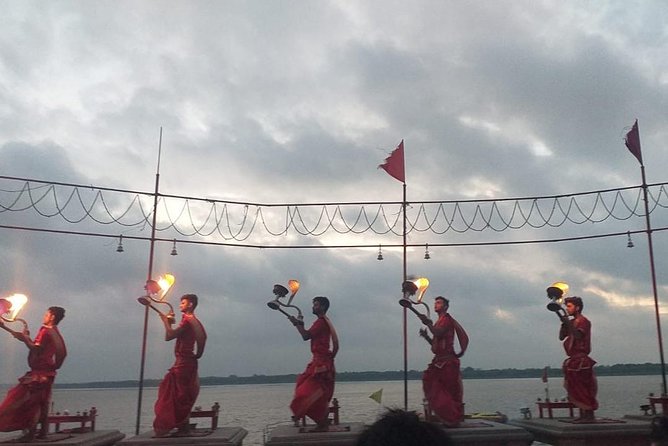
- Dashashwamedh Ghat for movement where pilgrimages, locals, and sadhu monks share the same visual stage
- Manikarnika Ghat for sacred fire moments with an emphasis on respectful observation
- Private group format so your pace and photo needs get attention
First, the value: why $127 can make sense in Varanasi
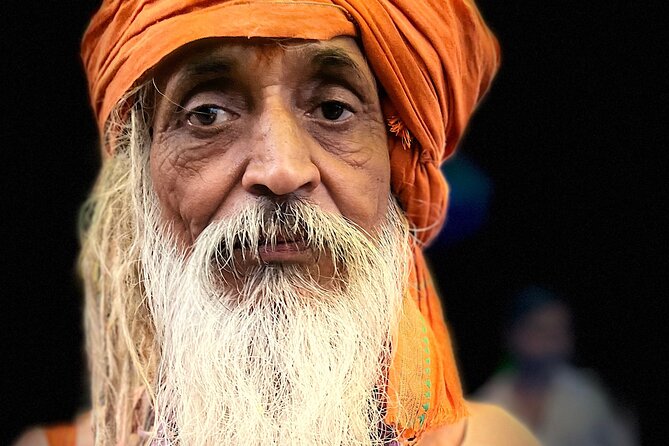
$127 for 3–4 hours in Varanasi is not the cheapest way to move around. But you’re paying for something that’s hard to DIY: someone local who can read the scene and steer you into the moments that create strong images.
One reason the price feels fair is the mix of access and time. You start at Assi Ghat, spend real time around the river activity, then work your way to Dashashwamedh Ghat and Manikarnika Ghat. That means you’re not spending your limited shooting window just figuring out logistics, where to stand, or how to approach busy areas without blocking people.
Also, part of the cost is eased by how admission is handled across stops. The tour includes an admission ticket for Assi Ghat, while Dashashwamedh Ghat and Manikarnika Ghat are marked as free in the tour details. That setup makes the total feel less arbitrary, especially if you’re the type who will pay attention to what’s covered.
You can also read our reviews of more tours and experiences in Varanasi.
Meet Vinay Singh: the guide who helps your camera behave
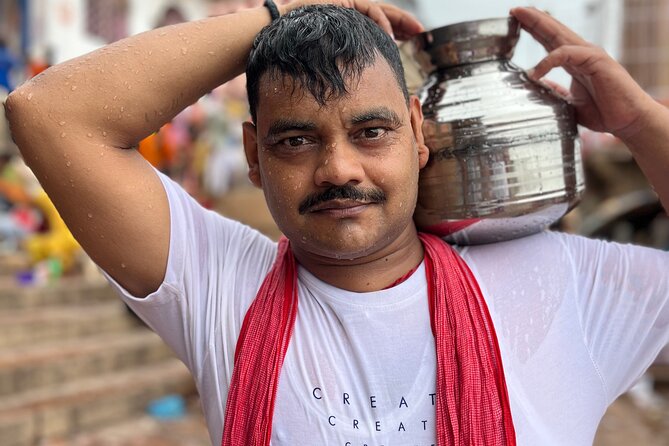
The most praised part of this tour is the guide. Vinay Singh is friendly, and he’s the type who helps you turn “I have a camera” into “I know what to photograph.” That shows in how he guides your positioning and timing, plus how he connects scenes with practical next steps.
A photo tour in Varanasi can go two ways: you either wander and hope, or you get a plan. Here, the plan includes chasing ritual rhythms and human activity, not just photographing architecture from a distance. The result is a more story-driven set of images, the kind that looks like you understood the city instead of only passing through it.
Vinay also offers tailoring. If you want to add a boat portion for sunrise and ghat light, or shift your emphasis toward markets and streets, the tour can adapt. That flexibility is a real value add because it lets you choose your style: river rituals, daily life, or street-level details.
Assi Ghat at first light: boatside ritual energy and alley angles
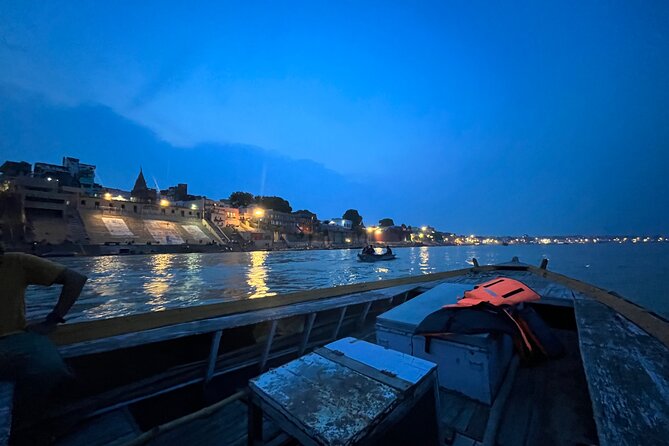
Your tour begins at Assi Ghat near Nagwa Road, and it starts early in the morning with an on-the-water element. The goal here is simple: you want the ghat atmosphere when people are active and the river is doing its thing—pilgrimages, bathing, praying, and yoga-like routines along the waterfront.
This is one of the best places to learn what kind of Varanasi images you like. From the boatside perspective, you can find layers: the waterline, the steps, the people moving in and out of frame. Then, after the river moment, the tour shifts into walking through nearby lanes. Those narrow streets tend to deliver less obvious compositions—angles that feel more intimate and less postcard-like.
Two practical notes. First, boatside conditions can be physically busy—people moving, activity happening fast—so keep your settings ready and don’t overthink framing. Second, alley lanes mean you’ll be closer to the action, so you’ll want to shoot thoughtfully without crowding. If you treat the area like a working place rather than a photo set, your shots usually get better too.
Dashashwamedh Ghat: where the old stage keeps generating new frames
Next up is Dashashwamedh Ghat, one of the oldest and most important ghats in Varanasi. This stop is all about motion and variety: pilgrimages, daily activity, and local people gathering around one of the most recognizable river step scenes.
You also get the chance to photograph sadhu monks and other spiritual figures in the flow of the ghat. That’s key. The best religious images rarely come from stiff posing. They come from being present during real transitions—someone adjusts, someone prays, a group shifts positions, and suddenly your frame has meaning.
There’s also an important practical angle here. The tour details mention that you can ask and take photos, which suggests a respectful approach is part of the process. In practice, that means don’t assume you’re automatically allowed everywhere in a sacred space. If you pause and check in, you’ll often get better cooperation—and your images will feel less like you intruded and more like you witnessed.
Manikarnika Ghat: sacred cremation fire and the need for respectful shooting
The third stop is Manikarnika Ghat, where cremation is part of daily life and spirituality. The tour centers on the holy fire and the idea of death as part of life in Indian culture. You’ll also learn that people from across India come to be cremated here, which adds weight to why the place is treated with seriousness.
This is the stop that will define your emotional experience, whether you’re chasing a photograph or simply trying to understand what you’re seeing. The images you’ll be capable of capturing tend to be powerful, but they also require restraint. The best approach is to be quiet, patient, and focused on your exact spot—so you don’t disrupt grieving families or the ritual flow.
For photography, think of this stop as a lesson in humility. Look for strong light and meaningful human silhouettes, not only close-ups. The tour notes suggest that there are better nearby subjects—so you don’t need to take the riskiest angle. Let the guide help you find positions that respect the moment.
If you’re not comfortable with intense subjects, this is where you should reflect before booking. You don’t need to avoid the tour entirely—but you should go in knowing the atmosphere is not light.
Timing and route: why a 3–4 hour format works here
This tour is designed for about 3 to 4 hours, and that matters more than it sounds. Varanasi is sensory overload. If you try to plan a full day of ghat wandering on your own, you’ll lose energy, focus, and time. A shorter session keeps you concentrated on the places that deliver the strongest photo storytelling.
The route also builds a visual arc. Assi Ghat gives you early-morning river life and calmer movement. Dashashwamedh Ghat ramps up with one of the city’s most active gathering scenes. Manikarnika Ghat brings the emotional weight and the most serious ritual context.
There’s also a simple advantage: you return to the meeting point at the end. That helps if you’re pairing your photo tour with other plans later in the day. You’re not stuck figuring out how to get home after you’ve worked up to your most intense stop.
Pickup, mobile ticket, and group discounts: practical perks that reduce friction
The experience includes pickup offered, which is a big deal in Varanasi. If you’re staying farther from the river steps, starting on your own can turn into a time sink. Pickup helps you arrive with your gear ready and your head in the right place.
You’ll also receive a mobile ticket, which is convenient in a city where you don’t want to be hunting for paper confirmations. And there are group discounts, which can lower your cost per person if you’re traveling with friends and want to shoot together.
One more practical note: the tour is listed as a private tour/activity. That means only your group participates, which usually helps with pacing. For photography, that peace is underrated. You can move as needed, wait for the right moment, and avoid the “everyone’s standing in your way” problem that can ruin a shot.
What to expect on the water and in crowded ghats
Even with a guide, these are busy public spaces. A lot is happening quickly, especially near the river. The tour includes a boatride early morning at Assi Ghat, and then walking through lanes and ghats where people gather for bathing, prayer, and rituals.
So plan for fast changes. If you’re shooting seriously, keep your workflow simple:
- quick setup and minimal lens swapping
- steady shooting rather than perfecting one frame
- be ready to move a few steps to catch the next moment
Crowds also mean you should treat your camera behavior like a courtesy system. Don’t hold up the same spot longer than needed. If you need to shoot, do it efficiently, then step aside. The guide’s job is to help you find usable positions—your job is to keep the scene flowing.
Who this tour is best for (and who might want to rethink it)
This tour fits best if you fall into one of these buckets:
- You want serious ghat photography with guidance on where to stand and when to shoot
- You like documentary-style images—people, rituals, real daily movement
- You want a local guide who can also suggest safe places to eat and drink in the city
The tour overview also hints at tailoring options. You might be able to add elements like a sunrise boat for ghat light, or focus on markets. There’s also mention of subject matter like Aghori sadhus and traditional wrestling as possible interests, depending on what you want to emphasize.
If you’re the kind of traveler who wants only scenic views and zero discomfort, think twice about the Manikarnika stop. If you’re curious, respectful, and ready to handle intense subject matter, this tour can be unforgettable in the best way.
Should you book Banaras Photography Tours with Vinay Singh?
I’d book this tour if you want to come away with images that feel like Varanasi, not just photos of Varanasi. The biggest selling point is the guide-led approach to photo opportunities—helpful for first-timers and also worthwhile if you’re more serious about documentary work.
I would not book it if you absolutely hate emotionally heavy scenes. Manikarnika Ghat is part of what makes the city meaningful, but it’s also the hardest stop. If that doesn’t work for you, you might still want a different, lighter photo plan.
If your priority is getting the right shots quickly, having a plan for crowded spaces, and being guided through sacred areas with respect, then this is a strong choice for the money. At $127, it’s not just a walk with a camera. It’s a guided route through the places where the story actually happens.
FAQ
Where does the tour start?
The tour starts at Assi Ghat, Nagwa Rd, Assi Ghat, Shivala, Varanasi, Uttar Pradesh 221005, India. It ends back at the same meeting point.
How long is the Banaras photography tour?
It runs for about 3 to 4 hours (approx.).
Is pickup included?
Pickup is offered as part of the experience.
Do I need to pay for admission tickets during the stops?
Admission ticket details are included in the tour notes: Assi Ghat has an admission ticket included, while Dashashwamedh Ghat and Manikarnika Ghat are listed as admission free.
Is this tour private?
Yes. It’s a private tour/activity, meaning only your group participates.
What’s the cancellation policy?
You can cancel for a full refund up to 24 hours before the experience starts. If you cancel less than 24 hours in advance, the amount paid is not refunded.