REVIEW · HOI AN
Sunset photo tour with the farmers
Book on Viator →Operated by Hoi An Photo Tour & Workshop · Bookable on Viator
Golden hour turns work into art.
This sunset photo tour takes you out of Hoi An to farming villages with a photographer guiding what to look for and how to shoot it, then brings you back for night photos in the Old Quarter. I like the small-group feel (max 8) and the way the relationships with local farmers lead to more personal, respectful access than a quick drive-by. One thing to consider: it runs on good weather, so cloudy or rainy conditions can change plans.
You’ll spend the afternoon in warm light photographing real farming actions, from planting to ploughing to harvesting, with hands-on coaching on framing, timing, and camera basics. I also like that it caters to different comfort levels with your camera, because you get practical direction instead of vague inspiration. The only real drawback is that since it’s photography-focused, you’ll want to be ready to stand, walk a bit, and shoot consistently over about four hours.
In This Review
- Key highlights at a glance
- Hoi An farmers at sunset: what makes this tour worth it
- Meet-up at 3:00 pm and the ride to the villages
- Rice paddies in warm afternoon light: photographing real work
- Entering a traditional river village: respectful candid photos
- Old Town lights and the night workshop: shooting after sunset
- The photographers and small-group coaching that make the difference
- Price and value: what $55 buys you in Hoi An
- Who should book this sunset farmers photo tour
- Common concerns: weather, timing, and what to bring
- Should you book this tour?
- FAQ
- How long is the sunset photo tour with the farmers?
- What time does the tour start?
- Where do I meet for the tour?
- How many people are in the group?
- Do I need a mobile ticket?
- When will I get confirmation after booking?
- Is the tour suitable for beginners?
- What kinds of photos will I take during the tour?
- What if the weather is bad?
- Is the tour refundable if I cancel?
Key highlights at a glance
- Golden-hour timing for farmers, rice paddies, and river scenes around Hoi An
- Expert photo coaching aimed at improving shots, even if you’re a beginner
- Max 8 people for more direct attention and easier questions
- Strong local connections that help you photograph people at work in a respectful way
- Old Quarter night workshop for lights and reflections after sunset
Hoi An farmers at sunset: what makes this tour worth it
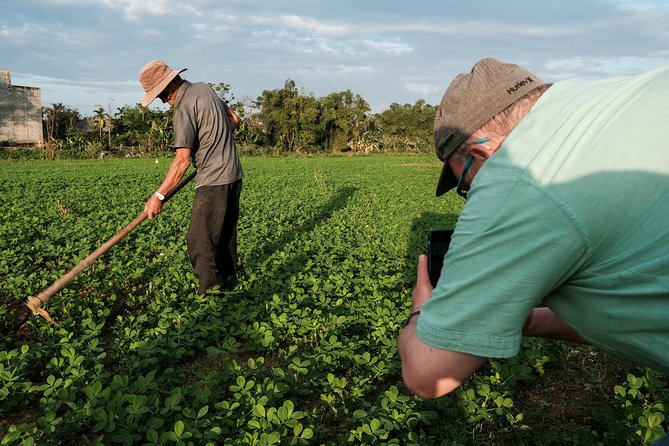
Hoi An has that classic slow-travel charm, but this tour adds a specific job to do: make photos that feel alive. Instead of only photographing buildings, you turn your camera toward the people doing the work—planting, ploughing, and harvesting rice—while the light softens and the colors shift toward sunset.
What I love here is the clear learning angle. The photographers don’t just point and shoot; they give you guidance so you can translate what you see into something you can repeat later. If you’ve ever felt stuck taking the same flat photos, this kind of coaching is the difference between collecting pictures and getting better.
There’s also an emotional payoff. Watching farming life with the sun low in the sky feels different than photographing it at noon. The shadows stretch, faces show more texture, and the paddies turn into a reflective patchwork. This is the kind of scene where your photos can look both documentary and artistic, without you needing fancy tricks.
You can also read our reviews of more tours and experiences in Hoi An.
Meet-up at 3:00 pm and the ride to the villages
The tour starts at 3:00 pm at 42 Đường Phan Bội Châu, Cẩm Châu, Hội An, Quảng Nam 564070 and ends back at the same meeting point. That start time matters: you’re heading out while daylight is still warm, then you’re positioned to shoot as it turns golden. If you’re used to sunset tours that begin too late, this one gives you real working time in the field.
You’ll ride with the group to the farming areas with the photographer’s company. The group size is capped at 8, which usually means less waiting and more time with your guide and camera setup. The meeting point is also near public transportation, so it’s easier to reach if you’re staying outside the most tourist-packed streets.
Tip: arrive a few minutes early. You don’t want to be fiddling with your strap, charger, or phone settings when the light is already changing.
Rice paddies in warm afternoon light: photographing real work
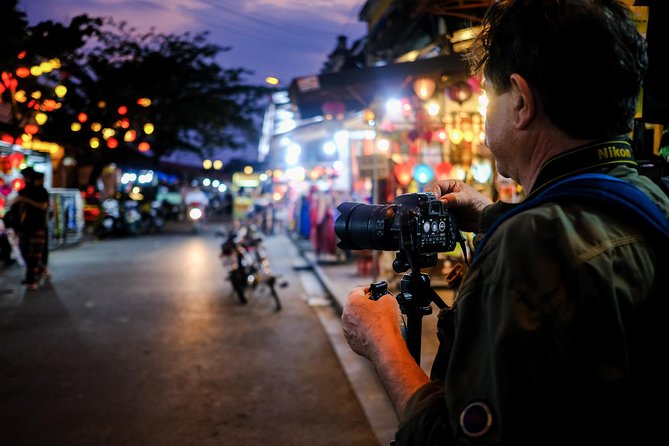
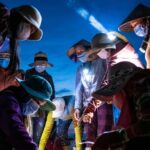
Most photo tours promise “great shots.” This one focuses on the subjects that actually create great photos: workers in action. You’ll spend time exploring rice paddies in the warm afternoon light and photographing tasks like planting, ploughing, and harvesting.
This is where the photography coaching pays off. You’ll get pointers on what to watch—body position, hands at work, and the relationship between people and the rows of plants. Rice fields give you strong leading lines, repetition, and reflections, but only if you frame them with intention. The guides help you avoid the common mistake of photographing the scene without capturing the human moment inside it.
Practical idea for your shots: work on one “story” per stop. For example, try a tight portrait of someone’s hands, then a wider frame showing the action in the paddies. Doing that helps your set of photos look planned instead of random.
You might also encounter other farmers and crops along the way, since the area isn’t only one kind of work. Some participants have noted seeing peanut farmers at work too, which can add variety to your photo mix.
Entering a traditional river village: respectful candid photos
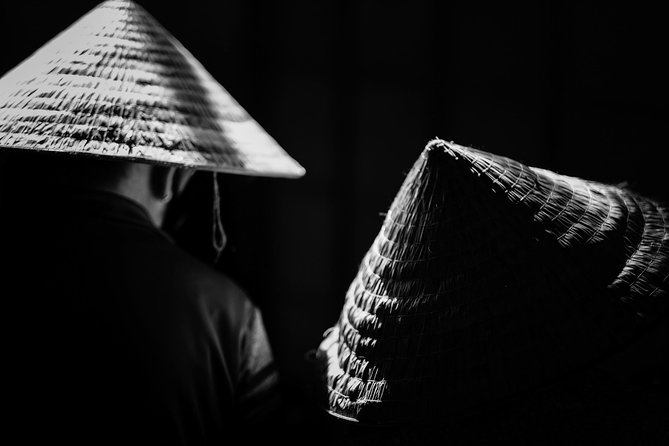
After the paddies, you head into a traditional village along the river. This part matters because it’s not just a background for photos—it’s a living place with people, routines, and privacy boundaries. The tour’s strong relationships with the local farmers are part of why this feels more personal and less extractive.
Photographing in a village setting can be tricky if you treat it like a theme park. Here, the tone is learning-focused: you’re guided on how to approach your subjects and how to frame what you see without turning people into props. That approach is exactly what makes the photos feel more honest.
In practical terms, a river village gives you easy composition options: water reflections, boats and fishing-related color cues (if you spot them), and lines created by paths and walls. If you’re using a phone, the guide’s framing tips help a lot; small adjustments in where you stand can make reflections sharp instead of messy.
If you want variety in your portfolio, this stop is your chance to get photos that aren’t just “pretty fields.” Aim for moments that show daily life—people at work, small gestures, and the river’s light shaping the scene.
Old Town lights and the night workshop: shooting after sunset
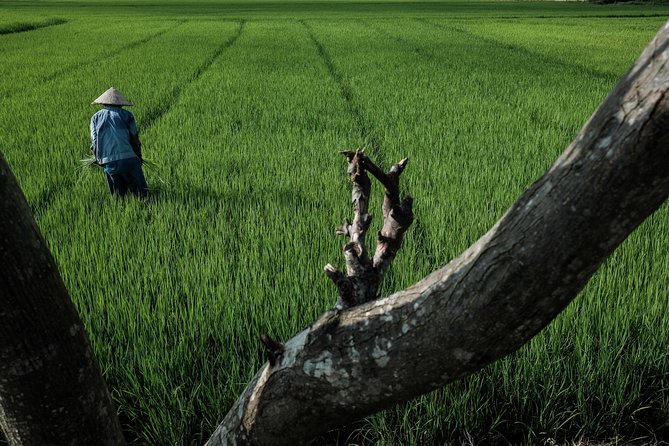
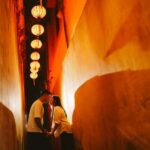
Hoi An’s Old Quarter is where the vibe shifts. After you’ve spent the late day photographing farming life, you come back to the city to photograph the Old Town’s magical lights. Then there’s a night photography workshop in the Old Town, which is a huge value add if you want to improve your low-light shots.
Night photography is where beginners often struggle. Your biggest enemies are camera shake, blown highlights, and guessing exposure. A workshop format helps because you can ask questions while you’re seeing results in real time. The tour doesn’t just drop you into darkness and hope you figure it out.
What you’ll likely focus on during night time:
- How to stabilize your phone or camera for sharp results
- How to balance bright signs or lamps with darker areas
- How to compose reflections and glowing streets
If you’ve ever gotten night photos that look like bright blobs, this is the part where coaching can turn them into readable scenes.
Also, think about your photo set for the whole tour. The sequence from golden rice paddies to warm village light to Old Quarter night scenes gives you a natural storyline. That’s the kind of structure that makes photos feel like a journey, not just a pile.

The photographers and small-group coaching that make the difference
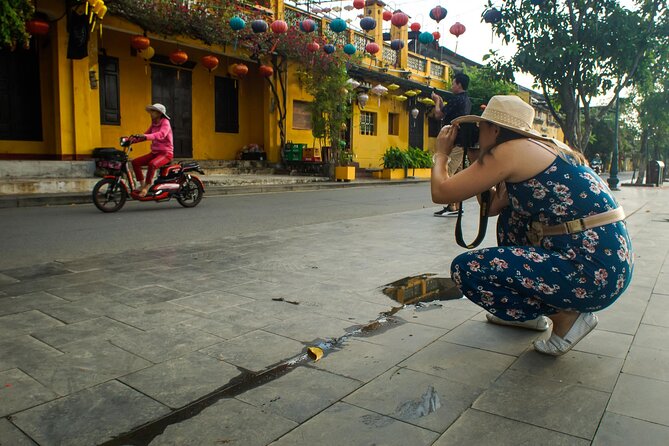
This is the main reason the tour works. It’s not a “follow the group and hope” setup. You get photography tips from expert photographers while you’re actively shooting.
Names show up clearly in participants’ experiences. Some guides mentioned include Etienne, Jean Ramiere, and Andy Barker. What comes through is not just technical knowledge, but a friendly teaching style that adjusts to the person holding the camera.
One of the strongest themes from people who joined is that the tour doesn’t punish you for being new. A photography beginner can still learn basics and get pointed in the right direction. That matters, because you don’t need to arrive with perfect settings. You need a coach who helps you understand what to change and why.
Because the group is limited to 8 travelers, it’s easier for the photographer to notice when your framing needs a tweak or when your settings are drifting. In larger groups, questions often get lost. Here, you’re more likely to get direct answers.
Gear note: you can go with smartphones or cameras, since participants have arrived with mixed setups. Bring what you know how to use, and let the guide help with the part you’re stuck on.
Price and value: what $55 buys you in Hoi An
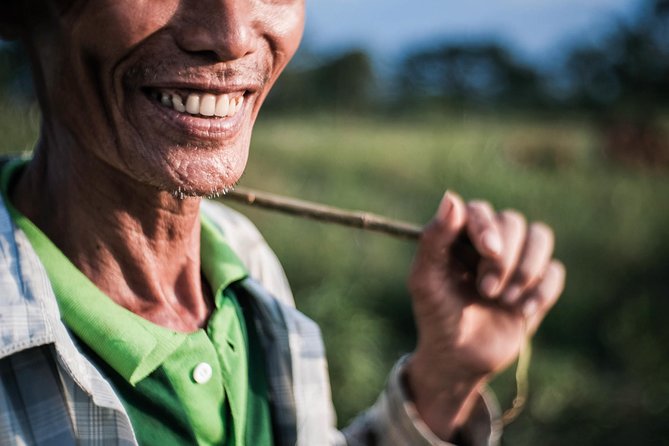
At $55 per person for about four hours, this tour is fairly priced when you factor in what’s included:
- transport to farming villages
- expert photography guidance
- time in multiple settings (paddies, river village, Old Quarter at night)
- a night photography workshop
This is not just a scenic walk. You’re paying for instruction and for access. The relationships with local farmers are also part of the value. That kind of access is hard to replicate on your own unless you’re already connected or you’re comfortable asking the right questions respectfully.
In plain terms: if you enjoy photography and want your shots to improve in one evening, this is a good use of money. If you’re only looking for a casual countryside ride with zero interest in learning, you might find it more focused than you expected.
Who should book this sunset farmers photo tour
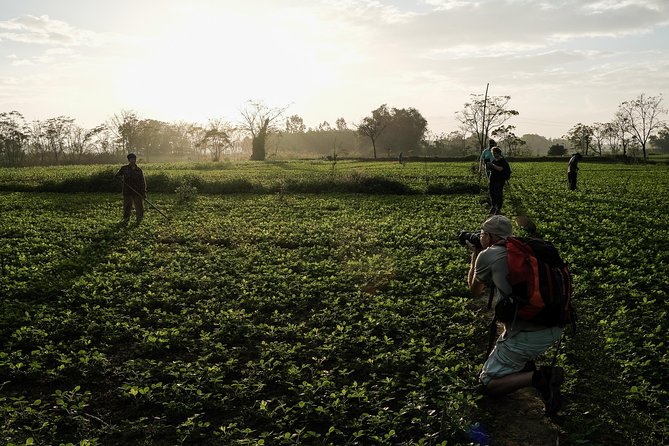
I’d put this tour near the top of your list if any of these are you:
- You want photos with real subjects, not only buildings
- You’re interested in photography tips but don’t want a dry class
- You like small groups and quick feedback
- You want both countryside light and Old Quarter night light in one outing
It’s also a solid choice for mixed camera users, since the group can include smartphones and DSLRs. The tour is designed for most travelers, and the structure is built around walking and shooting rather than intense physical activity.
If you hate standing around waiting for light, tell yourself that four hours goes by fast once you’re actively photographing. The afternoon schedule is designed to use changing light, not just fill time.
Common concerns: weather, timing, and what to bring
Weather matters here. The tour requires good weather, and if it’s canceled due to poor conditions, you’ll be offered a different date or a full refund. Because you’re shooting outdoors and transitioning to night, rain can quickly ruin the photography experience.
Timing-wise, don’t plan a late dinner right after. The experience ends back at the meeting point, but you’ll likely be in Old Town for the night portion. Build in time to decompress and review your photos.
What I’d bring based on the nature of the stops:
- a charged phone or camera with enough storage
- comfortable shoes for uneven village paths
- a light layer for late evening
- a small cloth or towel if you’re dealing with humidity or camera smudges
Also, bring a curious mindset. The best photos usually come from watching how people work and responding to what’s happening, not from forcing a pose.
Should you book this tour?
Yes, if you want a practical photography session built around real farming life and actual coaching. The mix of rice paddies in warm afternoon light, a traditional river village, and an Old Quarter night workshop gives you variety without feeling scattered. The small-group size helps you get attention and questions answered, and the teaching style seems to work for both beginners and experienced shooters.
Skip it only if your main goal is purely sightseeing with no interest in learning camera basics or photographing at night. For the $55 price, you’re paying for instruction and for access to subjects that most visitors can’t easily photograph well on their own.
If you like photos that tell a story, this is the kind of Hoi An evening that turns a camera into a tool, not just a souvenir machine.
FAQ
How long is the sunset photo tour with the farmers?
It lasts about 4 hours.
What time does the tour start?
The start time is 3:00 pm.
Where do I meet for the tour?
The meeting point is 42 Đường Phan Bội Châu, Cẩm Châu, Hội An, Quảng Nam 564070, Vietnam.
How many people are in the group?
The tour has a maximum of 8 travelers.
Do I need a mobile ticket?
Yes, the tour uses a mobile ticket.
When will I get confirmation after booking?
Confirmation is received within 48 hours of booking, subject to availability.
Is the tour suitable for beginners?
Most participants can participate, and the experience includes photography tips from expert photographers, including basics that can help beginners.
What kinds of photos will I take during the tour?
You’ll photograph farming activities like planting, ploughing, and harvesting in rice paddies, plus the Old Quarter lights during the night photography workshop.
What if the weather is bad?
The tour requires good weather. If it’s canceled due to poor weather, you’ll be offered a different date or a full refund.
Is the tour refundable if I cancel?
You can cancel for a full refund if you cancel at least 24 hours before the experience’s start time.