REVIEW · NEW DELHI
Unlock Delhi’s Secrets: Food and Photography Full Day Tour
Book on Viator →Operated by Explore Routes · Bookable on Viator
Your camera will earn its keep in Delhi. This full-day route mixes food tastings with photo-ready stops from a historic Jain temple to Old Delhi lanes like Chandni Chowk, plus calmer New Delhi viewpoints for contrast. I also like the small-group feel (up to 10 people), which makes it easier to stop for shots without getting lost in the crowd. The one thing to plan for: Old Delhi streets are narrow and busy, so expect real walking and a lot of sensory overload.
You’ll move around using a smart mix of transportation: Delhi metro for the jump between areas, plus included local rides like a tuk tuk and a cycle rickshaw. That means you spend more time eating, looking, and photographing, and less time stuck in traffic or figuring out routes on your own.
The tour runs about 7 hours, starting at Lajpat Rai Market in Chandni Chowk (Old Delhi) and ending at the Shah Tomb area on Lodhi Road in New Delhi. There’s no hotel pickup, but it is near public transportation, so you can show up ready to go.
In This Review
- Key things worth knowing before you go
- Getting Oriented at Lajpat Rai Market in Chandni Chowk
- Chandni Chowk in Four Hours: Food, Textiles, and Photo-Friendly Chaos
- Jain Temple Pause: A Quiet Moment That Improves the Whole Day
- Khari Baoli Spice Market: Getting Color Without Getting in the Way
- Switching Gears to New Delhi: Metro Ride Plus Local Tuk Tuk and Rickshaw
- Sikh Temple Serenity, Leafy Avenues, and Lutyens Zone Architecture
- The Food Moment: What Those Snacks Really Do for the Day
- Photography Coaching in Motion: How to Get Better Shots on a 7-Hour Route
- Price and Value: Why $113.33 Can Be a Good Deal Here
- Should You Book This Delhi Food and Photography Tour?
- FAQ
- Where does the tour start and end?
- How long is the tour?
- What is the price per person?
- What’s included in the tour?
- Do I need to pay for admission tickets?
- Is hotel pickup included?
- What kind of group size should I expect?
- Is the tour near public transportation?
- Is it okay for most travelers?
- What is the cancellation policy?
Key things worth knowing before you go
- Starts early around Chandni Chowk so you see the market waking up, not just the peak crush
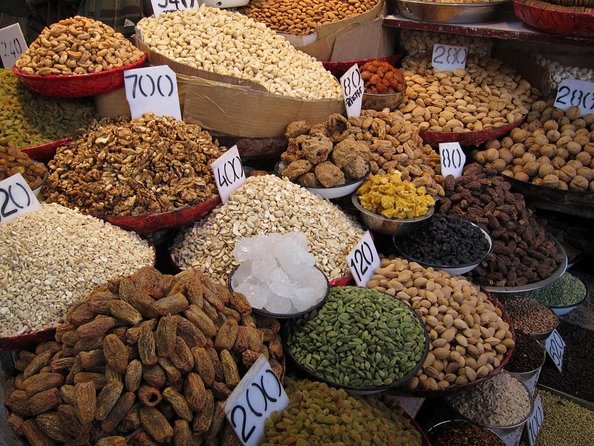
- Khari Baoli spice market is built for color, texture, and close-up photography
- Temple visits give you quick calm breaks between the loudest streets
- Old to New Delhi by metro, plus included local rides, keeps the pace doable
- Snacks and bottled water are included, so your camera hunt doesn’t turn into a hunger spiral
- Guided by storytellers like Faizy (name seen in feedback) who focus on off-the-radar stops
Getting Oriented at Lajpat Rai Market in Chandni Chowk
I like tours that give you an easy start, and this one does. You meet at Lajpat Rai Market in Chandni Chowk, right where Old Delhi begins to make sense. The early timing matters. When you arrive as shops are opening, the street feels like a place with a rhythm—people moving, vendors setting out items, and the lanes still readable before they turn into a wall of bodies.
You’ll be with a group capped at 10 travelers, which changes the vibe. In a big group, you end up playing tag with your guide. Here, you can actually follow closely, ask questions, and step aside for a photo without holding everyone hostage.
One practical note: bring the right kind of energy. Old Delhi is not quiet and it isn’t polite. Expect loud calls, strong smells, and lots of movement. That’s part of the point. But wear comfortable shoes and keep your phone secure while you walk through tight lanes.
You can also read our reviews of more tours and experiences in New Delhi.



Chandni Chowk in Four Hours: Food, Textiles, and Photo-Friendly Chaos
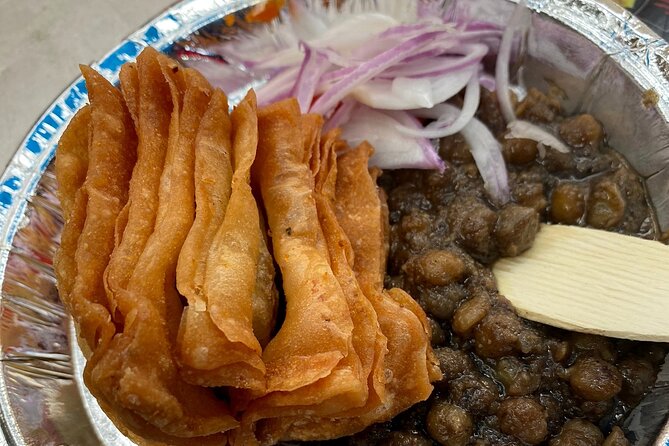
Chandni Chowk is your first long stretch, around 4 hours. This is the classic Old Delhi experience, but what I like about doing it with a guide is you don’t just wander—you get pointed toward places you’d miss on your own.
Here’s what you can expect in the market area:
- Spice and dry goods stalls that make great close-up shots (think sacks, powders, and carved containers)
- Textiles, jewelry, and general bazaar shopping that adds visual texture to your photos
- Old Delhi sweets and street food stops, where your guide helps you taste without guessing
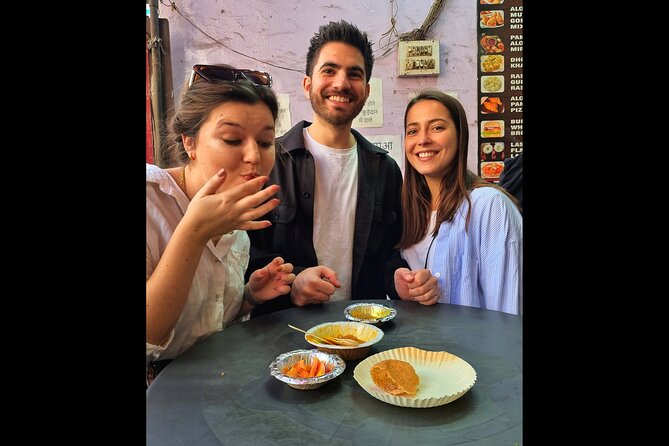
This is also where the tour’s food focus really kicks in. You’ll sample hot, crisp Delhi-style delicacies as you go, plus bottled water. The tour doesn’t aim to make you full; it aims to keep your energy up while you explore.
Possible drawback: Chandni Chowk can feel overwhelming if you hate crowds. If that’s you, use the guide’s cues. Don’t fight the flow—pause for photos when your guide indicates it’s safe, and keep moving when the lanes compress.
Jain Temple Pause: A Quiet Moment That Improves the Whole Day
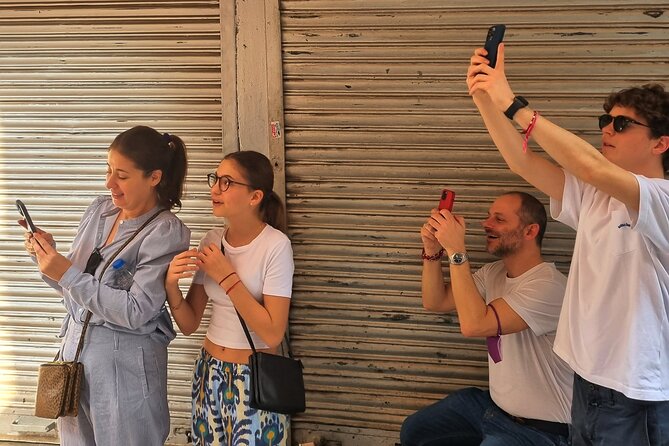
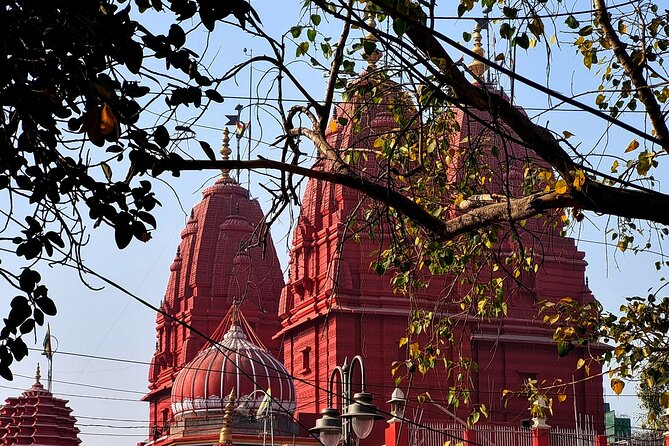
The best part of mixing temples into a market day is that it resets your brain. Before you get fully swallowed by Old Delhi, the tour starts with a historic Jain temple visit.
Why this stop matters for your trip:
- It gives you a clear cultural anchor before the senses go into overdrive
- It’s a natural moment to slow down, lower your camera pace, and pay attention
- It helps you understand what you’re seeing in the streets after you return to the bustle
You’ll likely be in a calmer environment with different expectations for behavior—talk quietly, be mindful of where you stand, and follow your guide’s lead. If you’re focused on photography, treat this stop as practice for respectful shooting: look for angles, but don’t crowd worshippers.
Khari Baoli Spice Market: Getting Color Without Getting in the Way
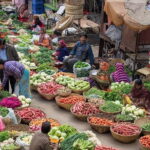
Next comes Khari Baoli, known as Asia’s oldest spice market. This is the kind of place where your camera will go into automatic mode. Piles of spices, bright powders, metal containers, and the way light hits the textures—this is strong visual material.
What I like about this stop is that it’s not just sightseeing. It’s designed for the senses. The smell of spices is part of the experience, and your photos will look more interesting when you’re actually paying attention to what’s in front of you.
Practical photography advice that works well here:
- Shoot in small bursts so you don’t block people or slow your group
- Use tighter framing for powders and hands at work; avoid trying to photograph the whole market at once
- Be ready for strong contrast; adjust exposure if your photos blow out the bright powders
Also, remember this is a working market. If you see a vendor actively serving or moving goods, step aside and wait for a clean shot. Your guide can help you time it.
Switching Gears to New Delhi: Metro Ride Plus Local Tuk Tuk and Rickshaw
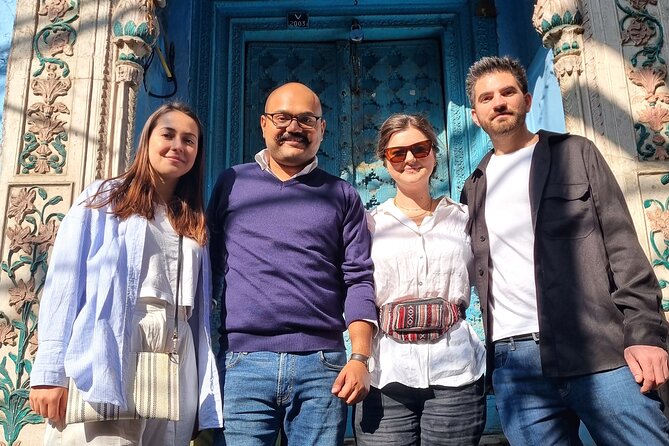
Old Delhi and New Delhi can feel like two different cities. This tour handles the jump the smart way: you travel from Old to New Delhi using the Delhi metro. Then, within the day’s movements, you also use included local rides—a tuk tuk ride and a cycle rickshaw ride.
I like this mix because it controls your fatigue. All-walking tours are fine until you’re tired and your photos start getting blurry from exhaustion. Here, you get breaks that still keep you close to street level.
Two value points for you:
- You’ll spend less time stuck with no plan
- You’ll spend more time in the places that matter for food and photography
If you’re carrying a camera bag, keep it manageable. Tight lanes plus lots of stops mean you’ll want quick access without constantly shuffling gear.


Sikh Temple Serenity, Leafy Avenues, and Lutyens Zone Architecture
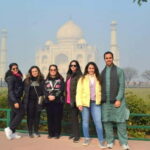
New Delhi is the calmer counterweight to the noise of Old Delhi. After the metro ride, your New Delhi portion runs about 3 hours and focuses on places that add atmosphere and visual range.
Key elements you’ll see and experience:
- A Sikh temple visit, where the mood shifts toward quiet community space
- A well-manicured garden and leafy avenues, giving your photos more greenery and softer light
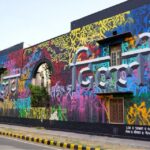
- The Lutyens Zone, where you can photograph the stately colonial-era architecture
This part is great for anyone who wants a day that’s not only about street life. You get clean lines, impressive façades, and calmer walking paths where you can compose your shots without weaving around carts.
Possible drawback: the architecture and gardens can make you assume you’ll move slowly. You still need to keep your pace with the group. If you want extra photo time, plan to take it at the guide-approved stops rather than drifting off.
The Food Moment: What Those Snacks Really Do for the Day
This tour includes hot and crisp snacks (an assortment of Delhi’s delicacies) plus bottled water. That inclusion matters more than it sounds. Street-food days fail when you’re hungry, dehydrated, and distracted by hunting for a place to eat.
Based on what the route emphasizes, you’ll be tasting classic flavors like:
- Fried breads dipped in potato gravy
- Chaat, with that mix-and-match explosion of flavors people love in Delhi
You don’t need to understand every dish name ahead of time. The real win is that your guide helps you taste a range of textures and flavors while you’re also moving through the city. You get the food context and you keep your schedule.
My practical tip: try things in the order your guide recommends. When you’re eating while photographing, it’s easy to take too much at once. Pace yourself, and save your camera energy for the parts of the day where you’re walking less and shooting more.
Photography Coaching in Motion: How to Get Better Shots on a 7-Hour Route
This is billed as a food and photography tour, and that shows in how the day flows. You’re not only standing in front of monuments—you’re walking through markets, then switching to architecture, then returning to calmer spaces where composition gets easier.
A few tactics I’d use on this exact kind of itinerary:
- Plan your camera breaks: take photos when your guide pauses the group, not while you’re still moving
- Use tighter angles in crowded areas: close-ups of hands, spice containers, and storefront details usually outperform wide shots
- Switch lens mindset between Old and New Delhi: markets reward detail; Lutyens Zone rewards wider frames and straight lines
- Watch the light in gardens and temple areas: it tends to be kinder to skin tones and architectural shadows
Don’t try to capture everything. Pick themes:
- Spices and color in Khari Baoli
- Food texture in Chandni Chowk
- Calm architecture and garden geometry in New Delhi
That way you end up with photos that tell a story, not just a pile of images.
Price and Value: Why $113.33 Can Be a Good Deal Here
At $113.33 per person for around 7 hours, the price makes sense if you value two things: guided navigation and included transportation.
Here’s what you’re getting for the money:
- A storyteller/guide leading you through Old and New Delhi
- Delhi metro included for the main transfer
- Tuk tuk and cycle rickshaw rides included
- Snacks and bottled water included
- A small group size of up to 10 travelers
- Mobile ticket
You might easily spend similar money on a self-guided day just in transit and snacks, then still lose the advantage of having someone point out where to go and what to notice.
Also, admission tickets are listed as free for the main tour blocks, which helps keep the day predictable.
The only value question for you is whether you truly want a guided experience. If you love getting lost and already know where you want to eat and shoot, you can DIY it. But if you want your time to feel intentional and your photos to actually improve, this price is reasonable.
Should You Book This Delhi Food and Photography Tour?
Book it if you want:
- A guided path through Old and New Delhi without spending hours planning
- A day that includes temples plus markets, not only one side of the city
- Real food stops with enough structure to keep you moving
- Photo time at Khari Baoli and architecture time in Lutyens Zone
Skip it if you:
- Hate crowds and tight lanes in markets
- Want a slow, unstructured day with zero schedule
- Are looking for a hotel pickup or a start time so late it feels like brunch
If you want a full day that mixes taste, culture, and photography with smart transportation, this one is a strong match.
FAQ
Where does the tour start and end?
It starts at Lajpat Rai Market, Chandni Chowk, Delhi and ends at Shah Tomb, Lodhi Road, Lodhi Gardens, Lodhi Estate, New Delhi.
How long is the tour?
The duration is about 7 hours.
What is the price per person?
The price is $113.33 per person.
What’s included in the tour?
Included are snacks, bottled water, tuk tuk ride, cycle rickshaw ride, Delhi metro ride, and a storyteller/guide.
Do I need to pay for admission tickets?
Admission tickets are listed as free for the tour’s main blocks.
Is hotel pickup included?
No. Hotel pickup and drop off are not included.
What kind of group size should I expect?
The group maximum is 10 travelers.
Is the tour near public transportation?
Yes, it’s listed as near public transportation.
Is it okay for most travelers?
The tour says most travelers can participate.
What is the cancellation policy?
You can cancel for a full refund up to 24 hours in advance of the experience start time.