REVIEW · NEW DELHI
Delhi: Heritage Photography Tour
Book on GetYourGuide →Operated by Yo Tours · Bookable on GetYourGuide
Some cities hand you great photos on a plate.
This one does it fast, with a focused route through Safdarjung Tomb and the Lodhi sights, plus real coaching on how to frame what most people rush past. I also love that the guides lean into stories you can photograph, including the Muhammad Shah Sayyid Tomb relics and the meaning behind the sites. One drawback to plan around: it’s a walking tour, and you’ll want comfortable shoes because you’re moving for the full 2 hours (and large bags aren’t allowed).
You’ll get a guided loop that feels like Delhi’s backroads meets landmark culture. The route mixes grand stone, calm garden paths, and wall-to-wall creativity, so you’re never stuck photographing the same type of scene twice. I’d just consider that there’s a small chance of a no-show, like one past booking reported—so it’s smart to double-check you’re at the Safdarjung Tomb ticket gate at the start time.
Key moments worth your attention
- Safdarjung Tomb as your starting anchor for architectural shots
- Muhammad Shah Sayyid Tomb for relic-focused storytelling and historic details
- Lodhi Garden and Rose Garden for trees, flowers, and calmer composition
- Bara Gumbad tomb and mosque for that 15th-century texture and scale
- Athpula Bridge to cross toward a lake view
- Lodhi street art with themes like life and death, and the origin of the world
In This Review
- Why This Delhi Photo Walk Works for Real Photographers
- Meeting at Safdarjung Tomb: Set Your Shot Before You Walk
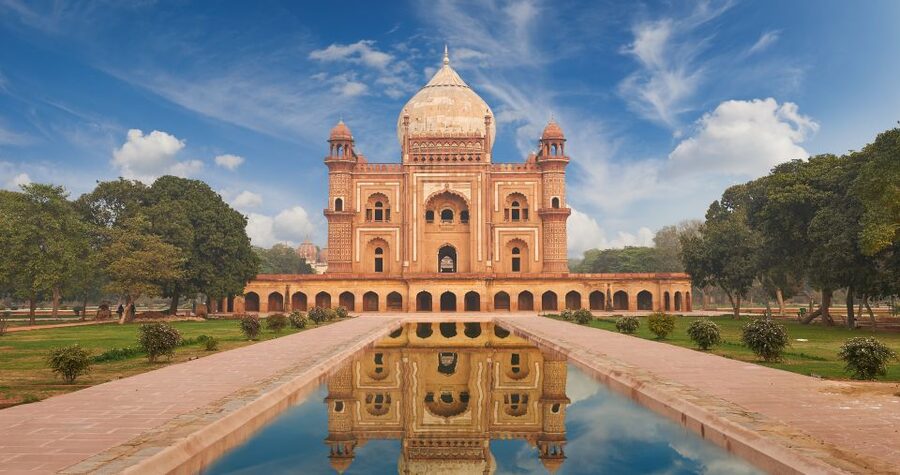
- Safdarjung Tomb Photo Stop: Architecture With a Photographer’s Plan
- Muhammad Shah Sayyid Tomb: Relics and Photo-Ready Storytelling
- Moving Through Lodhi Garden: Nature, Architecture, and Easy Composition
- Bara Gumbad Tomb and Mosque: The 15th-Century Feeling in Your Frame
- Athpula Bridge and the Lake View: Add Depth to Your Photo Story
- Shish Gumbad, Sikandar Lodi Tomb, and Finishing at Rose Garden
- Lodhi Street Art: Turn Walls Into Meaningful Frames
- Price and Value: What $14 Buys You in 2 Hours
- Logistics That Affect Your Photos (More Than You Think)
- Is This Tour for You? Best Fit and Who Might Skip It
- Should You Book This Delhi Heritage Photography Tour?
- FAQ
- Where do I meet the guide?
- How long is the tour?
- What’s included in the price?
- What should I bring?
- Is luggage allowed?
- Who is the tour not suitable for?
Why This Delhi Photo Walk Works for Real Photographers
Delhi can feel like sensory overload, and that’s exactly why a route like this is useful. You’re not wandering with no plan. Instead, you’re moving through places that naturally give you variety: tomb architecture, garden light, bridge angles, and painted walls. In two hours, you get a full portfolio range instead of a single-theme day.
What makes it practical is the photo focus. You’re not just “seeing” Delhi—you’re learning where to stand, what to watch for, and how to translate details into strong frames. Even if you’re an amateur with a phone or a basic camera, tips help you avoid the common trap: photographing a monument without capturing the moment around it (shadows, perspective, or small story details).
You also get a guide who functions like a storyteller first. The tour explicitly includes conversation about religious beliefs and local importance, which matters for photography. When you understand what you’re looking at, your images stop looking like postcards and start looking intentional—like you knew why that spot mattered.
Meeting at Safdarjung Tomb: Set Your Shot Before You Walk
The whole tour begins at the Safdarjung Tomb entrance gate, at the ticket counter. That’s a good setup for two reasons.
First, you’re starting right where the first photo opportunities are. No bus ride. No vague “go meet us somewhere downtown” confusion. Second, you’re already at a landmark, so your guide can start giving direction immediately.
In the real world, this matters more than people think. On a short 2-hour tour, every minute spent getting oriented is a minute stolen from your photos. Starting at Safdarjung Tomb also helps you get a feel for the pace: you’ll be moving, but you’ll have points where you can stop and work the scene.
You can also read our reviews of more tours and experiences in New Delhi.

Safdarjung Tomb Photo Stop: Architecture With a Photographer’s Plan
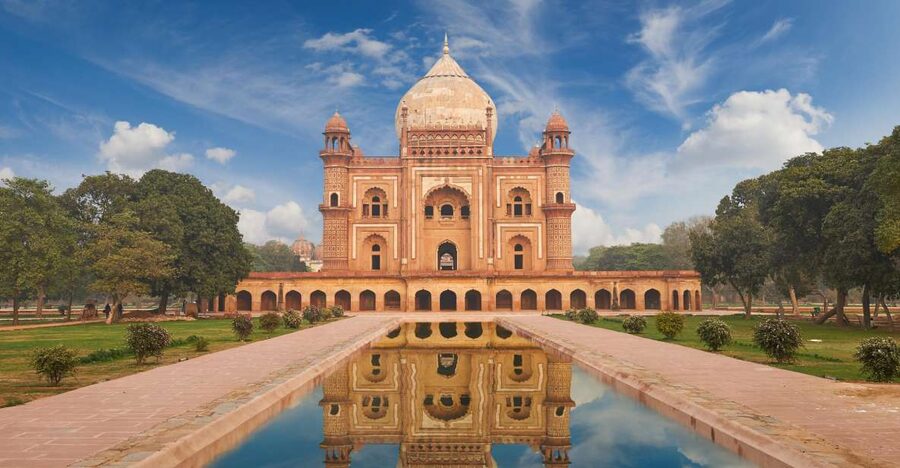
Safdarjung Tomb is your first big subject, and it works well because tombs reward structure. You can build shots around symmetry, arches, and clean lines without needing perfect weather. A good guide also helps you find camera positions you might not think of on your own—corners for context, angles for depth, and viewpoints that include the surrounding atmosphere.
This is where you’ll likely use your first set of photography tips from the guide. Those tips are included, and the best part is how they’re delivered: designed for working photographers, not just people who want a casual “look around.” One guide from past tours, Ameesha, was praised for staying patient and letting photographers do their own thing instead of micromanaging every click. That kind of freedom helps you experiment, especially if you’re trying multiple focal lengths or framing styles.
If you’re going for dramatic light, timing matters. One past booking specifically highlighted evening light, so if your start time lines up with softer daylight, you’re likely to get more flattering shadows and a warmer mood in stone.
Muhammad Shah Sayyid Tomb: Relics and Photo-Ready Storytelling
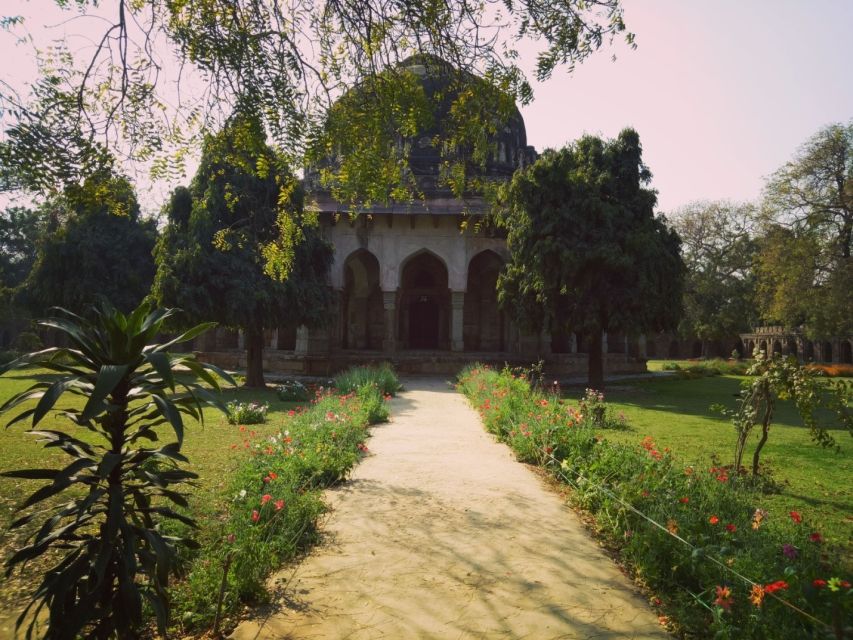
Next comes the Muhammad Shah Sayyid Tomb, where you’ll see relics connected to Delhi’s past. The key here is that this isn’t only a visual stop—it’s designed to give you story context that you can turn into photographs.
When relics are involved, your photos need more than wide shots. You’ll probably want close framing, detail-focused compositions, and a sense of scale. A guide’s explanation can help you decide what to emphasize: the object itself, the setting around it, or how people move through the space.
The tour explicitly encourages conversations about religious aspects and local importance, which can make a difference with tomb photography. Instead of photographing only the stonework, you learn what these locations represent, so your images feel grounded. It’s the difference between an impressive shot and a meaningful one.
Moving Through Lodhi Garden: Nature, Architecture, and Easy Composition
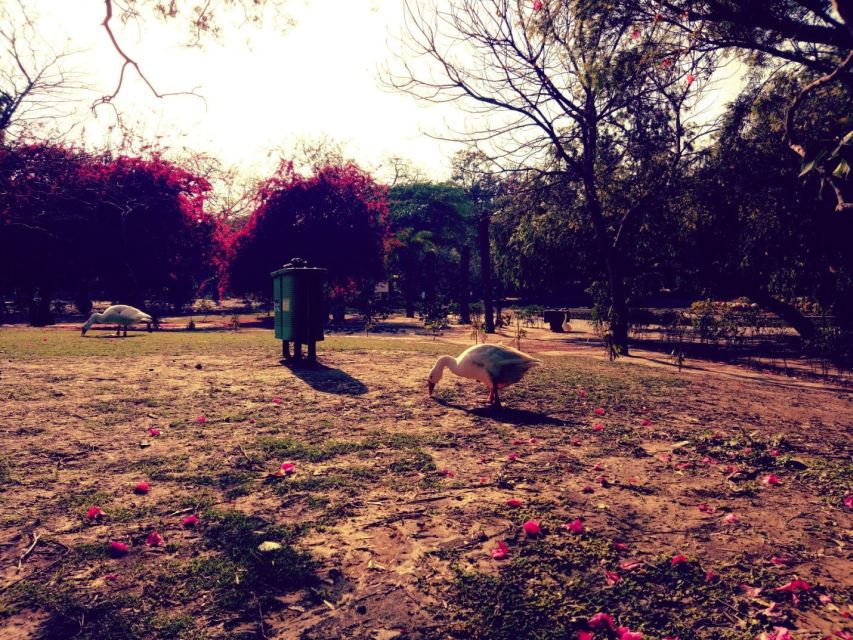
After the tomb focus, the route shifts into Lodhi Garden, described as the city’s loveliest park for capturing nature and architecture together. This is a smart pairing on a photo tour. Gardens let you slow down and clean up your composition.
Expect a walking stretch built for multiple subjects:
- different varieties of trees and flowers
- park paths and open spaces
- architectural edges where buildings peek into the greenery
This part of the tour is also psychologically helpful. Delhi can be hectic, and a garden gives you a chance to reset. Even if you’re photographing nonstop, you’ll likely appreciate the contrast: stone and relics earlier, greenery now.
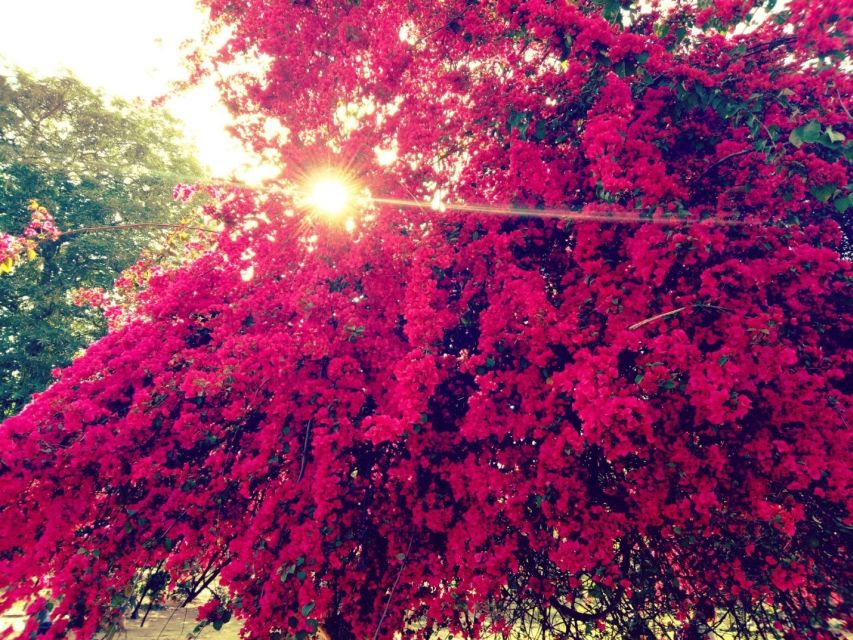
If you like photographing texture—bark, petals, patterned shade—or if you want portraits-with-environment style frames, this section is where you can work without feeling like you’re chasing the next landmark.
Bara Gumbad Tomb and Mosque: The 15th-Century Feeling in Your Frame
The tour then passes centuries-old buildings, wide lanes, and embassies of different countries, before arriving at the 15th-century Bara Gumbad tomb and mosque.
Even without getting technical about history, “15th-century” signals a different visual texture: older proportions, distinct design elements, and a sense of presence that modern structures don’t give you. These kinds of buildings are especially good for photographers who like context shots—where the architecture is the main subject, but the surrounding environment adds scale and authenticity.
One practical benefit: you’ll be walking through lanes that look like everyday Delhi, not just cleaned-up tourist zones. That can mean fewer “perfect postcard” compositions and more real city atmosphere in the background. If you’re trying to photograph Delhi as it actually feels, this mid-tour section helps.


Athpula Bridge and the Lake View: Add Depth to Your Photo Story
Next up is the Athpula Bridge, used to cross a lake. Bridges are underrated for photography because they naturally create leading lines and a change in perspective.
Here’s why this matters for your set of images: earlier stops give you mostly vertical subjects (tombs, structures). A bridge-and-lake view adds horizontals, reflection possibilities, and a calmer scene rhythm. It’s also a break that can help you recover your stamina before the final stretch.
In practical terms, this is where you can shoot from multiple spots without changing the whole tour. Move a few steps left or right, adjust your height, and you’ll often get noticeably different compositions—something that’s hard to do at tightly enclosed sites.
Shish Gumbad, Sikandar Lodi Tomb, and Finishing at Rose Garden
Near the end, you’ll visit Shish Gumbad, described as the last lineage of the Lodhi Dynasty. Then there’s Rose Garden and the Sikandar Lodi Tomb.
This final sequence is built like a photography closing act:
- Shish Gumbad brings dynastic identity and architectural focus.
- Rose Garden gives you color and softness that can balance the harder stone images.
- Sikandar Lodi Tomb keeps the “tombs and heritage” thread consistent right to the end.
If you’re building a themed album—architecture first, then nature, then back to heritage—this flow makes it easy. You end with variety, not repetition.
Rose Garden is also a strong bet for detail photography: leaves, blossoms, and framed paths. Even if you’re not a macro shooter, parks let you practice cleaner framing and simpler backgrounds, which often makes your photos look more polished.
Lodhi Street Art: Turn Walls Into Meaningful Frames
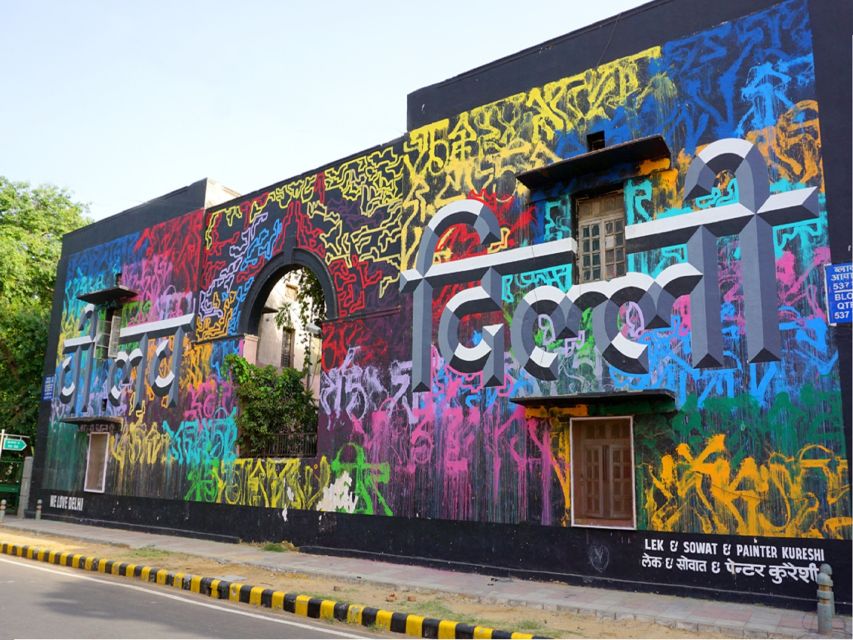
The tour finishes with Lodhi street art, using painted walls for graffiti themes such as nature, the origin of the world, and life and death.
This is a big deal if you want more than monuments. Delhi’s identity isn’t only stone and tombs—it’s also modern expression layered onto public space. Street art lets you photograph human creativity in the middle of heritage settings, which makes your whole tour feel more like Delhi and less like a checklist.
To shoot street art well, you’ll want to think like a composer:
- include enough context to show the wall as art
- look for layers and contrast in the colors
- decide if you want a close detail or a wider environmental shot
Because the tour ends here, it’s also a good time to review your own photos on the fly. If you find a composition you like, you can repeat it with small changes before the tour wraps.
Price and Value: What $14 Buys You in 2 Hours
At about $14 per person for a 2-hour tour, this is priced for value, not luxury. The key is what’s included.
You get:
- entry to the photographic destinations
- photography tips
- one hot beverage
- a guide who’s English-and-Hindi-speaking (and the tour runs with English, Hindi, Spanish)
That’s important because entry fees and wasted time add up fast in a city like Delhi. By bundling access and coaching into a short walk, you avoid the “I paid for a tour but I still had to figure out everything myself” feeling.
What’s not included is also worth knowing. There’s no hotel pickup or drop-off, and water bottle isn’t included. Plan to travel light and bring your own water if you’ll need it. Also, the tour doesn’t allow luggage or large bags, so this is best for day-trippers traveling with a small pack.
The biggest question is whether you’ll use the photography guidance. If you enjoy making photos (not just taking quick snapshots), the tips and curated stops are where your money turns into better images.
Logistics That Affect Your Photos (More Than You Think)
This is a short walking tour, so your physical setup matters.
Bring:
- comfortable shoes (you’ll be on your feet for the full experience)
Plan to:
- meet at the Safdarjung Tomb ticket counter entrance gate
- keep luggage minimal since large bags aren’t allowed
Also note the tour isn’t listed as suitable for pregnant women or wheelchair users, so choose based on your comfort and mobility needs.
If you like to shoot handheld at multiple focal lengths, you’ll appreciate that one praised guide, Rajeev, was described as informative and experienced with working photographers—letting them do their own thing without conflict. That style tends to keep a tour calm, which you’ll feel immediately once you’re trying to frame a shot while others are moving through the same space.
Is This Tour for You? Best Fit and Who Might Skip It
You’ll probably love this if:
- you want a 2-hour route with real photographic variety
- you like architecture, details, and story-driven stops
- you want guidance on how to photograph, not just where to stand
- you enjoy ending with a modern element like street art
You might skip it if:
- you need a slower pace with lots of sitting breaks
- you’re traveling with bulky luggage
- tomb-and-heritage photography isn’t your thing at all
Should You Book This Delhi Heritage Photography Tour?
If your goal is better photos with less wandering, I’d say yes—with one caveat: show up on time at the Safdarjung Tomb ticket counter entrance gate and keep your expectations aligned with a walking, short-stop format.
The value is strong at $14, especially with entry included, photo tips, and a guide who can translate religious and local meaning into the kind of frames photographers actually want. The garden-to-tombs-to-street-art mix gives you a complete visual story instead of a single repeat theme.
If you love light, also try to match your start time to softer evening conditions when possible, since that kind of timing has been specifically praised.
If you want a compact, guided way to photograph Delhi beyond the obvious stops, this is a solid booking.
FAQ
Where do I meet the guide?
Meet at the entrance gate of the Safdarjung Tomb at the ticket counter.
How long is the tour?
It runs for 2 hours.
What’s included in the price?
Entry to all photographic destinations, photography tips, one hot beverage, and a storyteller/guide who speaks English and Hindi (the tour also runs with English, Hindi, and Spanish).
What should I bring?
Comfortable shoes. Water bottle isn’t included, so plan accordingly.
Is luggage allowed?
No. Luggage or large bags aren’t allowed.
Who is the tour not suitable for?
It’s not suitable for pregnant women or wheelchair users.