REVIEW · NEW DELHI
Delhi Street Photography Tour
Book on Viator →Operated by Delhi Photo Tour · Bookable on Viator
A good photo starts with the right guidance. This 4 to 4.5 hour Delhi street photography tour mixes Chawri Bazar textures with the chaos of Chandni Chowk, so you get both close-up detail and full-on street life. You’ll go with a photography guide, and you’re not just wandering—you’re learning how to see light, shape, and people in the frame.
I especially like the way the tour uses rickshaw rides to keep you moving between scenes, instead of spending the whole time stalled in traffic. The other big win: you’re working in markets where everyday characters do the heavy lifting for your photos, which makes learning composition feel practical fast. The main drawback to consider is that the experience is weather-sensitive and very street-focused, so if you’re not comfortable in busy, narrow lanes, this may feel intense.
In This Review
- Key highlights worth your attention
- Delhi Street Photography: Why This Route Feels Like a Real Photo Assignment
- Price and What You Actually Get for $73.71
- Chawri Bazar Start: Where Texture and Light Meet a Market Crowd
- Pasar Chandni Chowk: Spices, Silvery Details, and People Shots You Can Learn From
- Rickshaw Rides and the 4 to 4.5 Hour Pacing Strategy
- Pickup, Meeting Points, and the Start-Right-Here Factor
- Guides Who Teach You How to See: Aditya, Jaidev, and Raj
- What You’ll Learn on This Tour (Even If You Feel New)
- Practical Tips for Your Camera and Your Feet
- Weather and Comfort: The One Big Real-World Variable
- Who This Tour Is Best For (and Who Might Prefer Something Else)
- Should You Book This Delhi Street Photography Tour?
- FAQ
- Is this a private tour?
- How long is the Delhi street photography tour?
- Where does the tour start and end?
- Are rickshaw rides included?
- Do I need to buy tickets for the market stops?
- Is pickup included?
- What places are covered during the tour?
- What kind of guide will I have?
- Is there a mobile ticket?
- What if the weather is bad?
- Can most travelers participate?
Key highlights worth your attention
- Rickshaw rides included to move between photo zones without wasting your time
- Chawri Bazar market scenes with brass, copper, and paper textures for close-ups
- Chandni Chowk spice and jewelry lanes for portraits, color, and motion
- Photographer guide mentoring with lighting and composition tips
- Private group only (your group stays together throughout)
Delhi Street Photography: Why This Route Feels Like a Real Photo Assignment
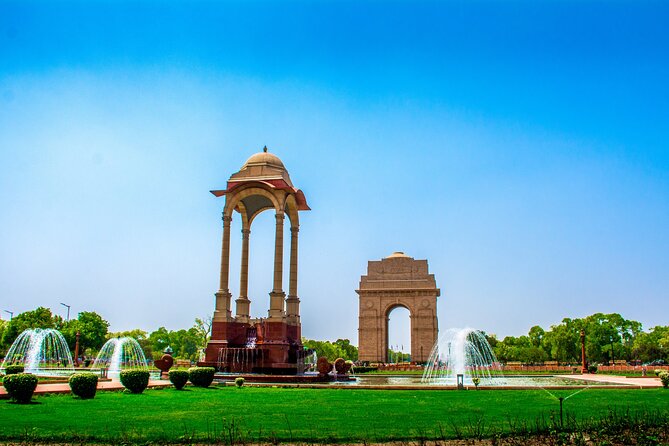
Delhi can be visually loud. That’s part of the appeal, but it can also overwhelm you if you’re holding a camera and hoping for miracles. This tour sets you up with two different kinds of subjects in one morning/afternoon: one stop where you can hunt for material details, and another where you’re photographing crowds, shops, and personalities in motion.
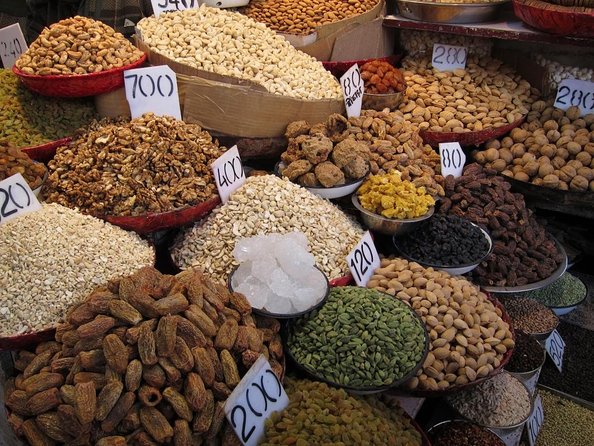
At Chawri Bazar, you’ll be surrounded by wholesale goods—brass, copper, and paper items—so it’s easier to build a shot around texture and repeating shapes. Then Chandni Chowk shifts the tone. Think spice piles, dried fruit, silver jewelry, vivid saris, and side streets with tiny shops selling oils, stationery, and sweets. You’re not just photographing objects; you’re photographing the way people trade, talk, and move through the market.
You can also read our reviews of more tours and experiences in New Delhi.
Price and What You Actually Get for $73.71
At $73.71 per person, this sits in the category where you’re paying for expertise and time, not for entrance tickets. The standard market entries on this route are free, and what you’re paying for is the guided process: a photography mentor, a tight route, and rickshaw rides between locations.
Here’s how I look at value for tours like this:
- You save planning time because the guide already knows how to stitch together a strong photo route.
- You get guidance while you shoot, so your learning isn’t delayed until you’re back at your hotel.
- You avoid friction. In crowded Old Delhi areas, knowing where to stand and when to move makes a big difference.
One caution: this is not a long cultural sightseeing bus tour. It’s a camera-first tour, so if you want lots of big monuments and long explanations, you might feel slightly underfed on that front. The guide may be able to customize with other sights, but the built-in strength is market street photography.
Chawri Bazar Start: Where Texture and Light Meet a Market Crowd
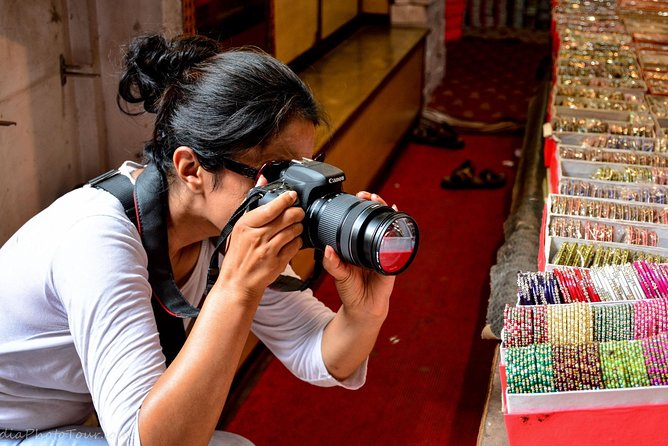
The tour begins at Chawri Bazar in Delhi’s 110006 area. You start in a wholesale market known for brass, copper, and paper products. That matters for your photos because it gives you a lot of predictable visual elements—metal surfaces, handmade paper, layered stacks, and shop displays.
This is a great place to practice a few core street skills:
- Close-up framing: metal highlights and paper patterns can give you variety without needing big landmarks.
- Using reflections: copper and brass can act like tiny mirrors if the lighting hits right.
- Finding small stories: a repeated shape across shelves can turn into a strong series.
It’s also a practical warm-up. After you’ve shot a chunk of detail, you’ll be more confident about what your camera can do when the scene gets busier later.
Pasar Chandni Chowk: Spices, Silvery Details, and People Shots You Can Learn From
Next comes Chandni Chowk, specifically the Pasar area. This is where your photos shift from textures to theater. The market is known for spices and dried fruit, and you’ll also see silver jewelry and vivid saris. Side streets add another layer with smaller storefronts selling essential oils, stationery, and traditional Indian sweets.
What makes this stop especially useful for photographers is that you get layered subjects:
- Shopfront products that fill the frame
- People who create motion and expression
- Narrow lanes that force you to decide: wide context or tight portrait
A helpful note from guides in this kind of tour format: you’re not just photographing what’s in front of you—you’re learning how to position yourself so you’re not blocking foot traffic. You’ll often get cues about where to step and how to wait for a better moment.
Also, yes, you may hear practical advice about local wildlife. In Old Delhi, my favorite tip from a guide perspective is the kind that sounds funny until you need it: one guide stressed staying away from monkeys while you’re shooting along tighter paths. That’s the kind of real-world street advice you only get when someone’s done the route many times.
Rickshaw Rides and the 4 to 4.5 Hour Pacing Strategy
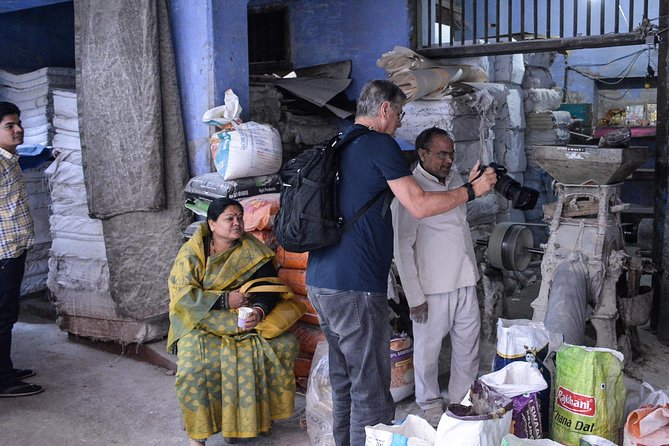
The tour includes rickshaw rides between places, which is a big deal in a city like Delhi. Walking everywhere would be possible, but rickshaws help you cover more photo ground and reduce the time you spend in slow-moving traffic or long distances between subjects.
The total time is around 4 hours to 4 hours 30 minutes, with about 2 hours at each main stop. That pacing works well because it prevents decision fatigue. You’re not constantly wondering what to do next—you’ve got a clear rhythm: shoot detail, then shoot street life.
If you want the best outcome, treat each stop like a mini-project:
- For the first stop, shoot a mix of close-ups and mid-range frames.
- For the second stop, shoot more sequences and moments—people react, sellers gesture, and color changes as you move.
Pickup, Meeting Points, and the Start-Right-Here Factor
You’ll meet at Chawri Bazar / Chandni Chowk (meeting point area), and the tour ends back at the meeting point. The experience indicates pickup can be arranged from select areas, but pickup and drop isn’t included for the Old Delhi street photography portion. So plan around arriving near the meeting point rather than expecting a door-to-door start.
This is good news for budget and flexibility, but it does mean your timing matters. If you’re late, the tour won’t wait around because street scenes move on quickly—shops open and close, and the best lighting shifts.
If you like control, this structure is easy: show up near Chawri Bazar, start shooting with a guide, then head back where you started.
Guides Who Teach You How to See: Aditya, Jaidev, and Raj
A street photography tour is only as good as the guide’s eye. The names I saw associated with this experience—Aditya, Jaidev, and Raj—all point to a similar style: they focus on practical camera thinking and local storytelling, not just pointing at sights.
Here’s what stood out in the guide approach:
- Aditya was praised for taking people to places they wouldn’t normally find and for having a strong sense for composition.
- Jaidev was described as great with lighting and composition as you turned corner after corner through small streets and alleyways.
- Raj was noted for an experienced street mentor vibe, mixing street scenes with local context, like history of buildings and religious ceremonies.
And the best part? The teaching isn’t abstract. It happens while you’re shooting. You’ll get feedback that helps you make your next frame better immediately—so you leave with usable improvement, not just a folder full of photos.
What You’ll Learn on This Tour (Even If You Feel New)
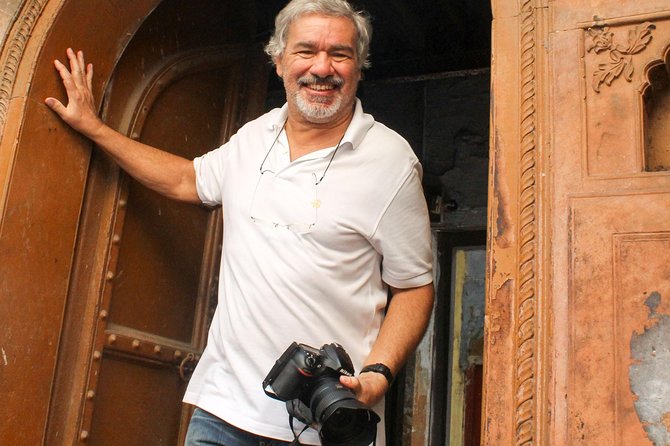
You don’t need fancy gear to get results here. What you need is a method: where to stand, how to frame, and what to watch for when the street gets chaotic.
Based on the focus of this tour format, you’ll likely practice:
- Lighting awareness: how brightness, shadow, and reflections affect what looks good
- Composition choices: leading lines in lanes, repetition in market shelves, and subject isolation
- Story framing: capturing the vibe of trade, people, and daily life rather than only product shots
Even if you’re a beginner, this works because the environment does half the work. Markets offer color, movement, and variety without you forcing it.
Practical Tips for Your Camera and Your Feet
Street photography can be easy to mess up with one small mistake: holding still too long. You’ll usually get better results by moving slightly, waiting for moments, and adjusting your angle.
Here are practical, low-stress things you can do before you go:
- Wear comfortable shoes. You’ll be in market lanes that don’t feel like a promenade.
- Keep your camera settings simple enough to adjust quickly.
- Aim for a shot mix: detail close-ups at Chawri Bazar, then more human and motion shots at Chandni Chowk.
Also, remember you’re in active commercial streets. If you take a few seconds to step aside between frames, you’ll get better shots and you’ll feel better doing it.
Weather and Comfort: The One Big Real-World Variable
This experience requires good weather. That’s not a tiny note—it’s a comfort and photo-quality issue. If conditions are poor, the route may not feel pleasant, and street photography gets harder when rain, wind, or poor light changes the scene.
So if you’re flexible, watch the forecast for your day and be ready to change plans if needed.
Who This Tour Is Best For (and Who Might Prefer Something Else)
This is ideal if you want:
- A guided way to shoot Old Delhi street scenes
- Market-based photography practice without spending days planning
- A private group experience with a photographer guide
It’s also a great fit for first-timers because your subjects are close and varied. Repeat visitors can still benefit because guides tend to spot photo angles and lesser-typical photo routes that you might not notice on your own.
If what you want most is classic monument sightseeing with long stops, you might find this tour too street-focused. But if you like photos with people, textures, and daily life, this route makes sense.
Should You Book This Delhi Street Photography Tour?
I’d book it if you want a camera-guided Old Delhi experience with a real learning focus and a route built around strong visual subjects. The combination of Chawri Bazar textures and Chandni Chowk street energy is exactly how you grow as a photographer in a single afternoon.
I’d think twice if you’re not comfortable in very busy markets, or if you need a relaxed, low-movement sightseeing style. And since pickup for the Old Delhi portion isn’t included, make sure you’re actually able to get to the meeting point area easily.
Bottom line: if you want street photography that teaches you how to see while you shoot, this tour is a smart value.
FAQ
Is this a private tour?
Yes. This is a private tour/activity, and only your group participates.
How long is the Delhi street photography tour?
It runs about 4 hours to 4 hours 30 minutes.
Where does the tour start and end?
It starts at the Chawri Bazar / Chandni Chowk area and ends back at the same meeting point.
Are rickshaw rides included?
Yes. Rickshaw rides between places are included.
Do I need to buy tickets for the market stops?
Admission ticket is listed as free for both Chawri Bazar and Chandni Chowk stops.
Is pickup included?
Pickup is offered from select areas, but pickup and drop is not included for the Old Delhi street photography tour. The standard plan is to meet at the meeting point.
What places are covered during the tour?
The main stops are Chawri Bazar and Pasar Chandni Chowk in Old Delhi, with a focus on markets and street scenes.
What kind of guide will I have?
You’ll have a photography guide.
Is there a mobile ticket?
Yes. A mobile ticket is part of the experience.
What if the weather is bad?
The experience requires good weather. If it’s canceled due to poor weather, you’ll be offered a different date or a full refund.
Can most travelers participate?
Yes. Most travelers can participate.