REVIEW · TENIKWA WILDLIFE REHABILITATION AWARENESS CENTER
Plettenberg Bay: Private Guided Wildlife Photography Tour
Book on GetYourGuide →Operated by Tenikwa Wildlife Rehabilitation Center · Bookable on GetYourGuide
Big cats, close enough to photograph, quietly. At Tenikwa Wildlife Rehabilitation & Awareness Centre near Plettenberg Bay, you get a private guide and a camera-friendly route built around rehab animals and on-the-spot learning. You’ll also get time for a guided walk through multiple big-cat areas, with a chance to revisit a favorite cat zone at the end.
Two things I especially like: the focus on wild cat identification (not just random sightings) and the way the tour pace gives you room to set up shots. One consideration: you’ll do meaningful walking on pathways, and it’s not a hands-on experience—touching animals isn’t allowed, and selfie-sticks are off-limits.
In This Review
- Key highlights worth your time
- Tenikwa’s rehabilitation mission, in plain terms
- Your 150-minute schedule: safety first, then photo time
- Starting at reception: what to do before the first cat
- Meerkat Meander: small stars that reward patience
- Entering the leopard walkway: your challenge begins
- Cheetahs and changing numbers: conservation talk with your camera ready
- White cats, caracals, and servals: building a varied big-cat set
- The life-enrichment exercise: when photography turns into purpose
- Breaks and snacks: why a short pause helps your photos
- The lion walkway: the high vantage point for white lion viewing
- A second chance at your favorite cat
- What to bring (and what to skip) for better wildlife photos
- Price and value: where $41 per person really goes
- Who this tour is best for
- Final call: should you book the Tenikwa private wildlife photography tour?
- FAQ
- How long is the Tenikwa private guided wildlife photography tour?
- What’s included in the price?
- Is hotel pickup and drop-off included?
- Are selfie sticks allowed?
- Can I touch or feed the animals?
- What should I bring?
- What language is the tour guide?
Key highlights worth your time
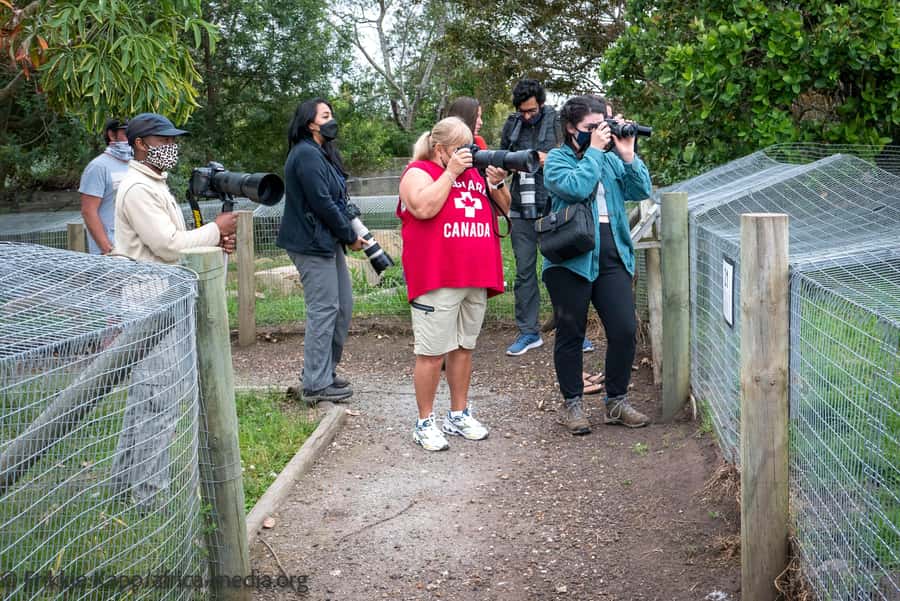
- Private guide pacing keeps the experience relaxed and photo-friendly.
- Meerkat Meander lets you see permanently housed confiscated meerkats.
- Leopard Walkway challenges you to spot well-camouflaged cats.
- White lion, cheetah, leopard, caracal, and serval stop points for variety in your portfolio.
- Life-enrichment moments with non-releasable animals add meaning beyond photos.
- Second look option means you can return to your best viewing area after the main loop.
Tenikwa’s rehabilitation mission, in plain terms
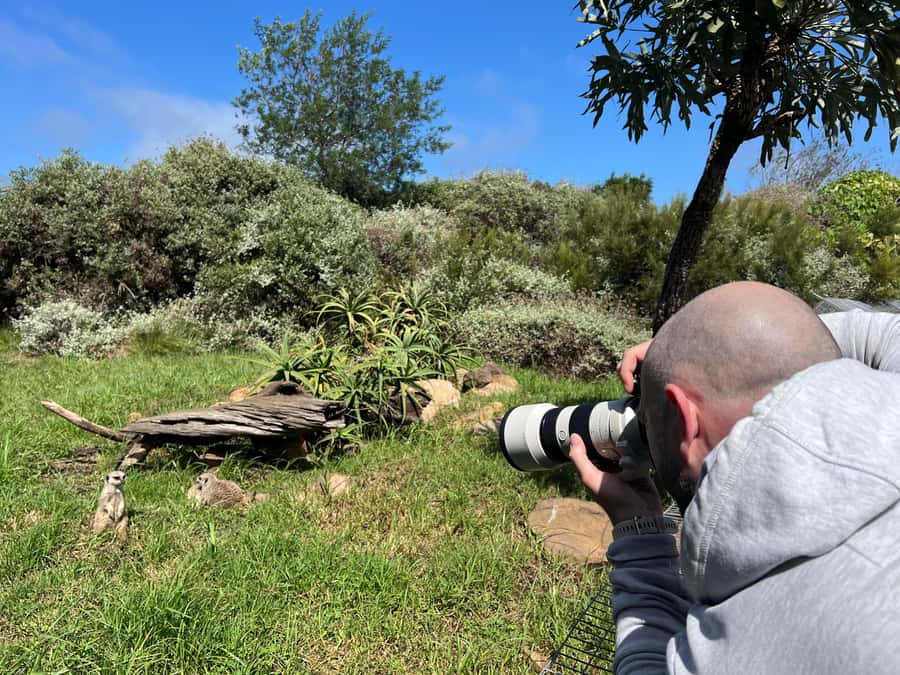
Tenikwa isn’t a zoo where animals are staged for entertainment. It’s a working wildlife rehabilitation and awareness center, which changes what you see and how you’ll understand it. On this private tour, that mission is explained as you go, so the wildlife viewing comes with context instead of just spectacle.
That matters for you if you’re a photographer, because you’ll start looking differently. You’re not only chasing faces and fur patterns; you’re watching behaviors, habitats, and conservation issues the guide talks through as you move between areas.
Your 150-minute schedule: safety first, then photo time
The tour runs about 2 hours to 150 minutes, and it’s structured like a steady walk with intentional pauses. You start at Tenikwa reception, then you’ll have a short 5-minute safety briefing before you head out. It’s quick, but it sets expectations: no touching, no feeding, and no selfie-sticks.
From there, most of your time is spent walking and viewing with your personal guide. You’ll also get a break period (and a small snack/coffee stop), plus a dedicated photo stop, and a short shopping window to round things out.
Why the pacing is a plus: you’re not rushed from one enclosure to the next, and the guide can slow down when you’re trying to frame a shot or ask a question.
Starting at reception: what to do before the first cat
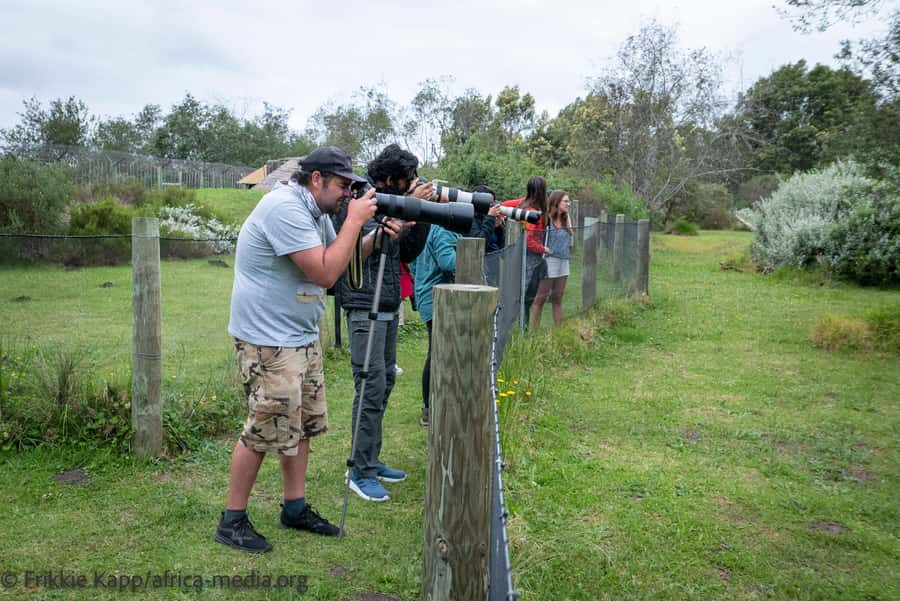
Arrive 15 minutes early. That buffer helps you check in, get your bearings, and be ready when your guide starts the intro. At check-in, you’ll follow the center’s rules and start the visit from the right place instead of feeling flustered early on.
The tour includes an educational video at the start. Even if you think you know the basics, it’s useful prep for what you’re about to see, especially with the wild cats of South Africa.
Practical tip: lock valuables and backpacks in your vehicle. The tour data flags this for a reason, and it’ll keep you relaxed once you’re out on the walk.
Meerkat Meander: small stars that reward patience
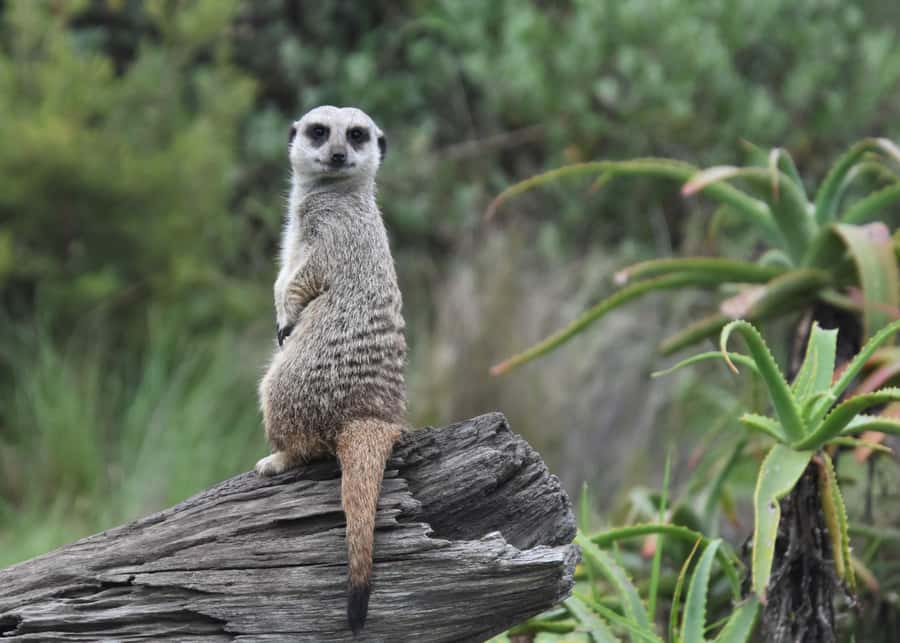
After the introduction, you’ll go to Meerkat Meander. These aren’t just casual wildlife sightings. The meerkats here have been confiscated and have found a permanent home, so your viewing comes with a conservation story.
This is also a smart stop for photographers who want a less intimidating subject. Big cats can be slow and camera-shy (or simply out of position), while meerkats often give you quick, animated moments. If you like variety in your shots, this section helps balance the heavier big-cat focus later.
What to watch for: how they move through their space. Even when you don’t get a perfect portrait, you can still come away with behavior shots that tell a story.
Entering the leopard walkway: your challenge begins
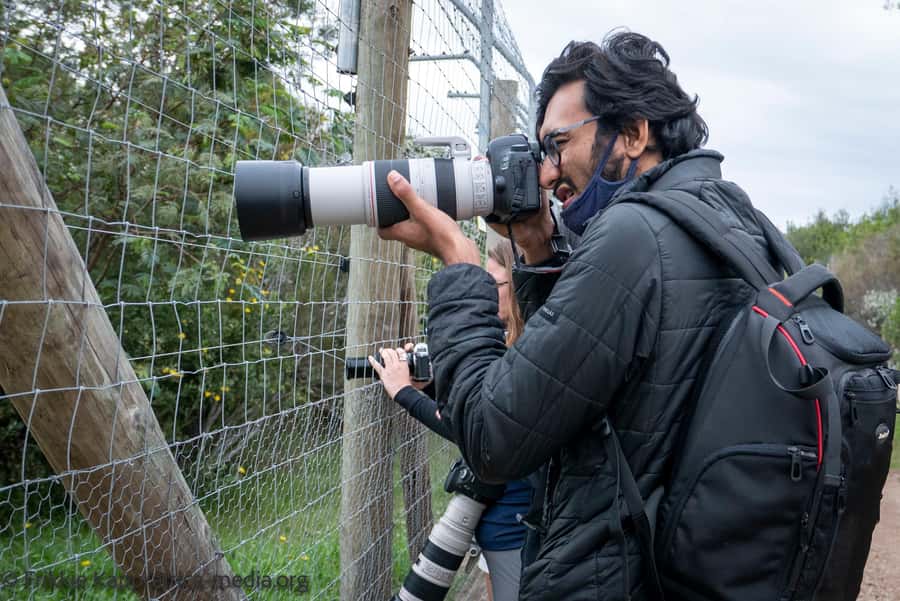
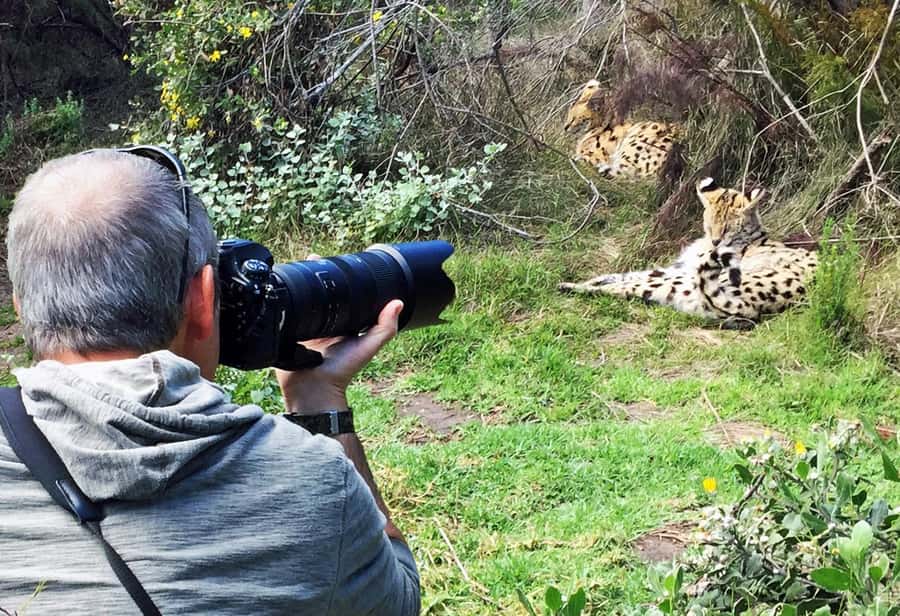
The leopard walkway is one of the most memorable parts of the route because you’re told up front you’ll need to look. The guide will take you into the area, but these cats are well-camouflaged, so spotting them becomes part of the activity.
That’s a big deal for a private tour. Instead of feeling like you’re scanning blindly with a group, you’ve got a guide who can point you toward likely sight lines and explain what you’re seeing as it happens.
Photo reality check: with camouflaged cats, not every minute will produce a clear view. This is where the value of private pacing shows up. You can slow down, adjust, and wait without worrying that you’re holding everyone else up.
Cheetahs and changing numbers: conservation talk with your camera ready
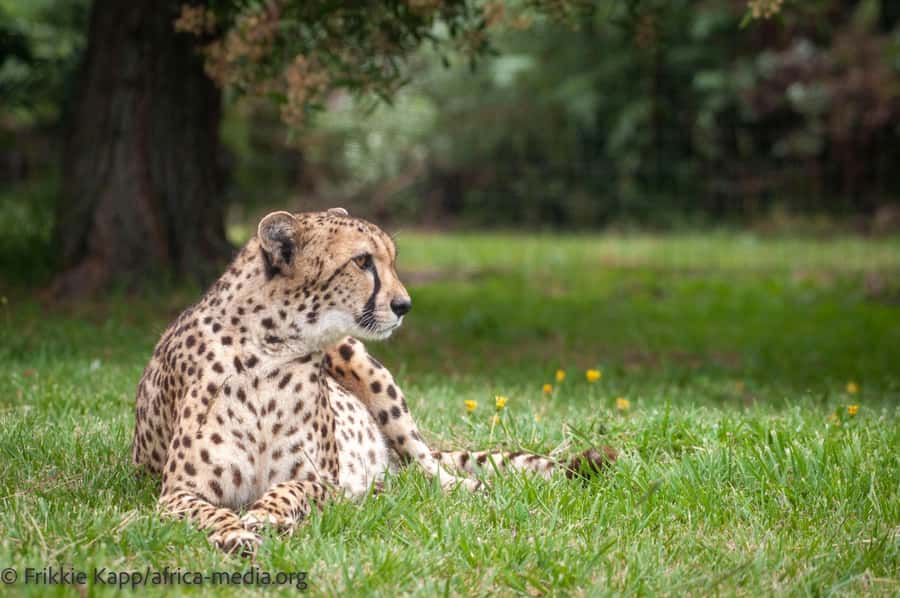
Next you’ll see the cheetahs and hear why their numbers are diminishing in the wild. That’s not just a sad fact to tuck away. It changes your perspective while you’re photographing, because the guide connects what you’re viewing to the pressures animals face outside the center.
Cheetahs also give you a different kind of photographic target than the heavier big cats. Even if you’re not capturing speed, you can focus on posture, markings, and eye lines. And since you’re with a guide, you’re not wasting time figuring out where the best safe angles are.
From the tour format, you’ll find there’s a lot of room to talk. If you care about conservation issues, this is one of the best times to ask questions because the guide can tie the message directly to the animals in front of you.
White cats, caracals, and servals: building a varied big-cat set
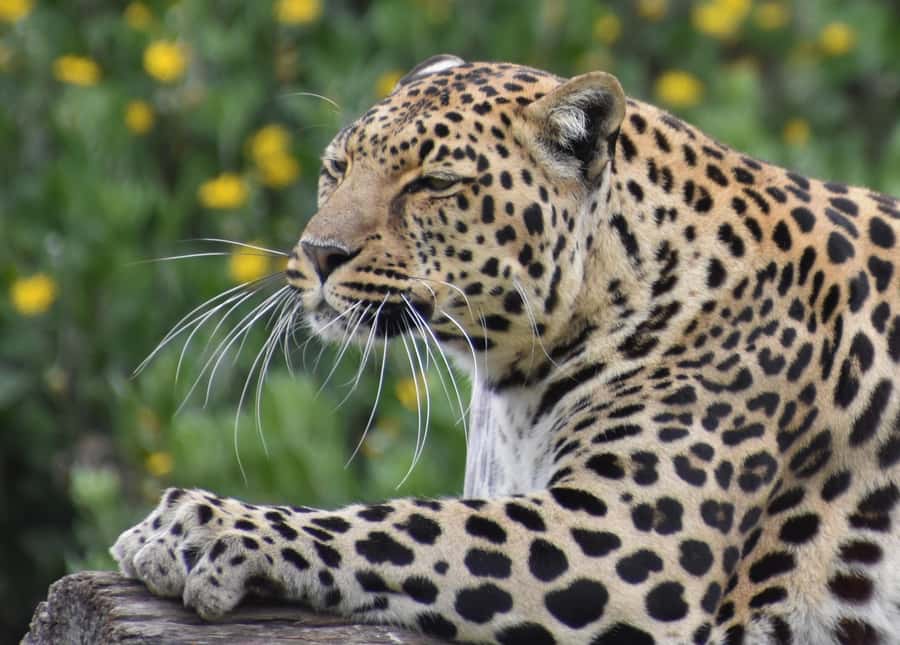
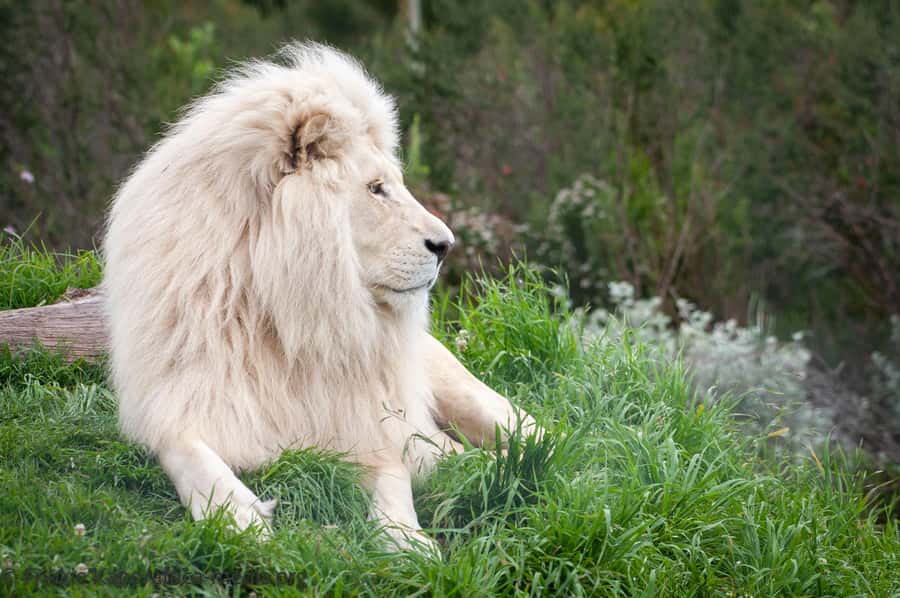
The tour is built around multiple species, which is what you want if you’re trying to leave with a set of photos, not just one great image. In your route, you’ll have opportunities to photograph white lions, cheetahs, leopards, caracals, and servals.
Some of the most exciting moments come when the guide helps you connect the dots on what makes each species distinct—behaviorally and visually. That’s also where learning pays off. You’ll notice differences faster, and your shots tend to improve because you’re anticipating the right moment.
You may also get the chance to go inside some of the enclosures where it’s safe. That’s a meaningful upgrade from just standing behind a barrier, because it brings you closer to the animals (without breaking the rules). Still, the tour data is clear: no touching and no posing with wildlife.
The life-enrichment exercise: when photography turns into purpose
One of the tour highlights is a life-enrichment exercise with non-releasable animals. This is valuable even if you’re only there for photography, because it shifts the experience from passive viewing to understanding animal welfare.
Watch how the animals respond. You’ll often get more natural behavior during these moments than in a standard “wait and hope” session. From a photo standpoint, that can mean better expressions, more movement, and a stronger sense of personality.
Also, it helps you photograph with respect. When you understand the goal of the exercise, you’re less likely to think like you’re just taking pictures and more likely to capture what’s actually happening in the animal’s world.
Breaks and snacks: why a short pause helps your photos
Your itinerary includes a 15-minute break, plus coffee and local snacks for about 10 minutes. It might sound small, but it’s practical. Wildlife photography can be mentally demanding—you’re watching for signals while staying ready to shoot.
This stop gives you time to refuel, check your camera settings, and clear your head. It also helps you avoid that classic mistake: rushing the serious photo moments because you’re tired or dehydrated.
There’s also a 10-minute shopping window near the end. It’s not the focus of the tour, but it’s there if you want a souvenir or a small purchase.
The lion walkway: the high vantage point for white lion viewing
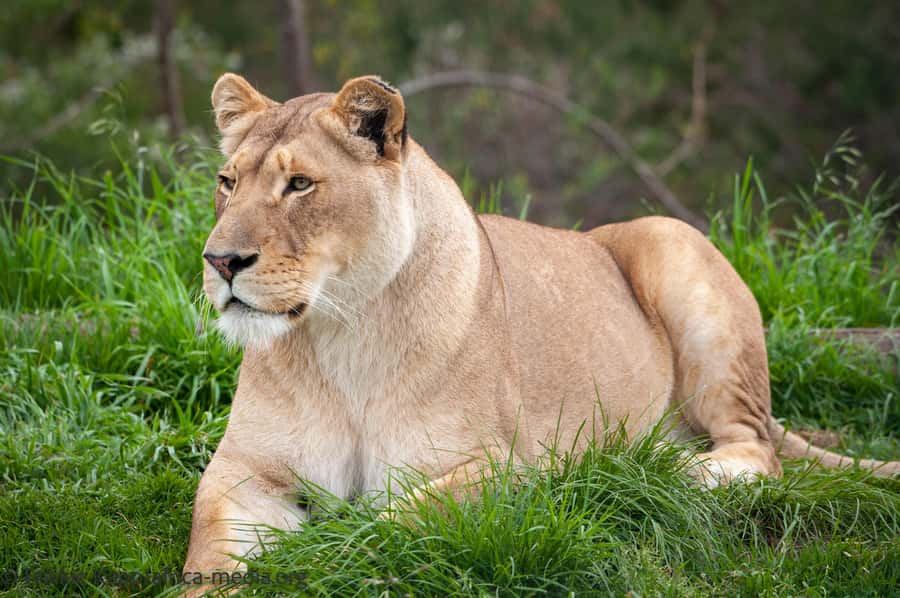
To finish, you’ll visit the white lion when you take a walk high above on the lion walkway. This elevated viewpoint changes everything. It can improve your angles and reduce the background clutter that often ruins big-cat portraits.
For photographers, lion scenes are usually about composition: choosing a background that doesn’t fight the subject. With an elevated walkway, you can often frame more cleanly and keep the focus where it belongs.
And if you fell in love with one cat earlier, there’s a bonus built in.
A second chance at your favorite cat
After the main tour ends, you can revisit one part of the program a second time if you’d like. This is a smart feature because wildlife viewing is unpredictable. Maybe you spotted the leopard briefly but didn’t get the shot you wanted. Maybe the white lion was out of view until later. The option to return means you’re not stuck with a single chance.
In practice, this is where private tours become extra worth it. Your time is tailored to your interests, not just the group schedule.
One note from the experience vibe: the guide’s job includes time for photography, and that matters for anyone who hates feeling rushed. In one case, the guide even allowed ample time for photos while explaining how the facilities work.
What to bring (and what to skip) for better wildlife photos
Bring comfortable walking shoes, sun protection like a sun hat, and sun lotion. The route is not described as strenuous, but it does involve walking between areas and viewpoints, including a walkway.
For camera setup, the rules are simple:
- No selfie-sticks
- No touching animals
- No posing with wildlife
- Cameras are allowed on tour
So plan your shots like a wildlife photographer: keep your distance, use a lens that lets you frame safely, and be ready to adjust quickly when a cat appears.
If you’re photographing from a walkway, treat your body position like part of the tripod. Stable stance, steady breathing, and quick focus changes will do more than trying to force a shot with a stick.
Price and value: where $41 per person really goes
At $41 per person for a private guided 2-hour tour, value comes from what’s included. You’re paying for the guide, the entrance fee, and the structured route across multiple habitats. You’re also not doing this as a cattle-line group, which is a big deal when you’re trying to photograph.
A few value levers matter:
- Skip the ticket line so you lose less time once you arrive.
- You get a personal guide to answer questions and talk conservation issues as you go.
- The tour includes options like revisiting a favorite section.
- Entrance is included, so you’re not adding another basic cost.
What’s not included is food and drinks beyond the coffee/snack stop during the schedule. Also, there’s no hotel pickup and drop-off, so you’ll need your own transport to reach Tenikwa and check in at reception.
Who this tour is best for
This tour is a strong match if you:
- love wildlife photography and want species variety in a short time
- enjoy learning how rehab and conservation work connect to animal welfare
- want a private, calm pace instead of walking with a large group
It’s also a great choice for people who are drawn to specific cats, because your route includes leopards, cheetahs, caracals, servals, and white lions rather than only one or two highlights.
If you’re someone who hates waiting and watching quietly, you might find the leopard camouflage portion a bit challenging. But that’s also the charm: the tour isn’t built around guaranteed action; it’s built around giving you the right conditions to see what’s there.
Final call: should you book the Tenikwa private wildlife photography tour?
I’d book this tour if you want a focused photo experience with a conservation message that actually ties to what you’re seeing. The private format, the multiple cat species, and the structured viewpoints (including the high lion walkway) make it a practical use of time in Plettenberg Bay.
I’d think twice only if you dislike walking outdoors in the sun or if you’re expecting hands-on animal interaction. This is a respect-and-distance kind of encounter—no touching, no posing—and you’ll get the best results by bringing your patience and your camera setup.
If you’re aiming for stronger wildlife photos plus real context, this is a solid value pick at $41 per person.
FAQ
How long is the Tenikwa private guided wildlife photography tour?
The tour lasts about 2 hours, or approximately 150 minutes.
What’s included in the price?
You get the entrance fee, a guide, the private guided tour, and the option to revisit one part of the program after the tour.
Is hotel pickup and drop-off included?
No. Hotel pickup and drop-off are not included.
Are selfie sticks allowed?
No. Selfie sticks are not allowed during the tour.
Can I touch or feed the animals?
No. Touching or feeding of wildlife isn’t allowed.
What should I bring?
Bring comfortable shoes, a sun hat, and comfortable clothes. Sun protection like lotion is also advised, since you’ll be outside.
What language is the tour guide?
The tour is in English. You should also plan to arrive about 15 minutes before the start time.