REVIEW · ASAKUSA
Asakusa Kimono Photography Tour (Private Option Available)
Book on Viator →Operated by MagicalTrip Inc. · Bookable on Viator
A kimono makes your Tokyo photos look different. This Asakusa photo tour pairs a professional photographer with a small, guided walk through the temple area and shopping streets, so you don’t just pose once and hope for the best. I like that you get real guidance while you’re there, and I especially like the promise of 20 edited photos within three days. One thing to consider: it’s still a guided route with set stops, so if you want total free roaming, this may feel a bit structured.
The biggest win is the “you’re dressed, you’re guided, you’re moving” formula. You’ll put on a special kimono or hakama, get hair set if you’re a woman, and then follow the photographer’s direction for angles and poses at places like the Kaminarimon gate and Nakamise Street. I also love that the group stays small, with a maximum of four people, which usually means more attention and less waiting around in a crowd.
If there’s a drawback, it’s timing and meeting-point sensitivity. One past guest mentioned a meeting-point mix-up that caused a wait, so I’d show up early at the exact starting spot and confirm your pickup location before you go.
In This Review
- Key Highlights You Can Actually Use Before You Go
- Why This Asakusa Kimono Photo Route Feels Worth It
- Dressing Up: Kimono, Hakama, and Hair Set That Saves You Time
- The Photo Deliverable: 20 Edited Shots in Three Days
- Step-by-Step Through Asakusa: Kaminarimon to Nakamise Street
- Senso-ji and Asakusa Shrine: Two Different Photo Moods
- The “Small Group” Advantage: More Attention, Less Waiting
- Hair, Poses, and Getting the Angles Right
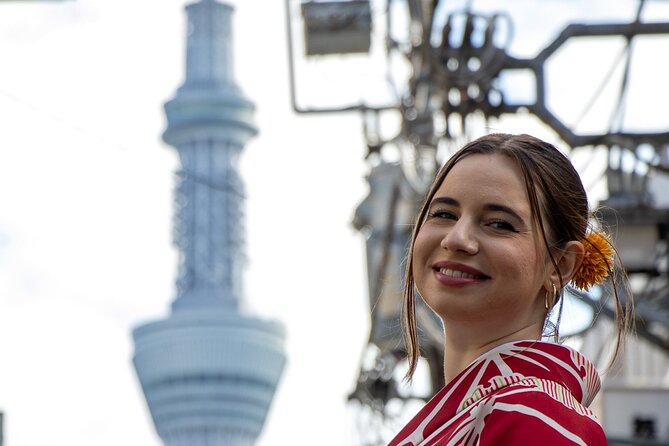
- Finishing at Tokyo Skytree: The Big View for Your Last Shot
- Price and Value: What $124.81 Really Buys You
- Logistics That Matter: Starting Time and a Clear Meeting Spot
- Private Option vs Small Group: Who Should Choose What
- Who This Tour Fits Best
- Should You Book This Asakusa Kimono Photo Tour?
- FAQ
- How long is the Asakusa Kimono Photography Tour?
- What is included in the tour besides the photographer?
- How many edited photos do I get, and when will I receive them?
- What places do we visit during the photo session?
- Is this a private tour or a group tour?
- Where does the tour start and what time does it begin?
- Is there an admission fee for the sights?
- What is the cancellation policy?
Key Highlights You Can Actually Use Before You Go
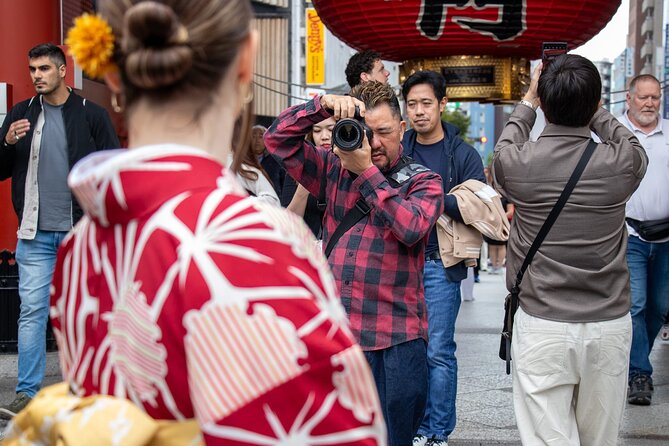
- 20 edited photos within three days sent by email, so you get something shareable fast.
- Max group size of 4, which helps when you want pose direction and time for photos.
- Kimono rental plus (women’s) hair set, so you’re not scrambling to do it yourself.
- Senso-ji and Nakamise Street photo stops, including Kaminarimon and Asakusa Shrine.
- Tokyo Skytree observation deck finish for a big “we did it” view.
Why This Asakusa Kimono Photo Route Feels Worth It
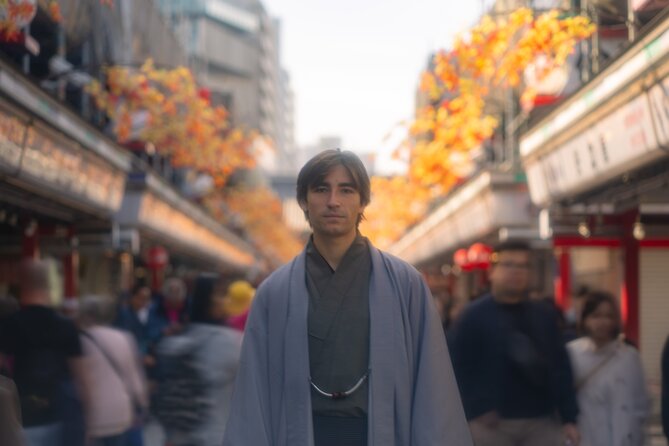
Asakusa is one of those Tokyo areas where the streets do half the work for you. You get classic sights close together, from temple approaches to snack-and-souvenir lanes, so your photos look like a story instead of random snapshots. Put on a kimono, and suddenly the whole day reads as a “Tokyo” moment, not just a checklist.
What makes this tour practical is the pacing. The photographer leads you from spot to spot, and you stop where the views and backdrops do the most. That matters because Tokyo gets busy fast, and waiting around in the wrong place usually means blurry photos and missed angles.
Dressing Up: Kimono, Hakama, and Hair Set That Saves You Time
This experience starts with dressing in a special kimono or hakama. The tour includes kimono rental, and women get hair set as part of the package. There’s also a choice based on season, with yukata offered in summer, which helps you stay comfortable instead of suffering through the wrong fabric for the weather.
Here’s why that detail matters: you’re spending your limited travel time actually taking photos, not figuring out how to get dressed correctly and on time. And having a professional handle the setup usually means you’ll look put-together in photos from the first stop onward, including the places where everyone else is still adjusting their sleeves.
If you’re worried about fit, the tour doesn’t promise anything beyond that rental and hair set are included, so you’ll want to treat the first minutes like a prep window. Go in with a little patience while they get you styled, and you’ll be rewarded with a smoother shoot right after.
The Photo Deliverable: 20 Edited Shots in Three Days
The photo payoff here is clear: you receive at least 20 edited photos by email within three days. That’s not just a nice-to-have. Edited images matter because they handle common travel issues like harsh lighting, distractions in the frame, and uneven exposure that can happen when you’re walking quickly between spots.
Also, you’ll get a set of images that’s meant to look coherent. A guided shoot tends to produce a mix: some full-body shots, some angle-and-gesture photos, and some temple-street backdrops. You’re not left with ten near-duplicates that all look like the same moment from the same distance.
One small consideration: “edited” doesn’t mean “every photo you take.” The tour promises at least 20, so if you’re hoping for a huge gallery of every click, plan on using the final set as your curated highlights for social media and gifts.
Step-by-Step Through Asakusa: Kaminarimon to Nakamise Street
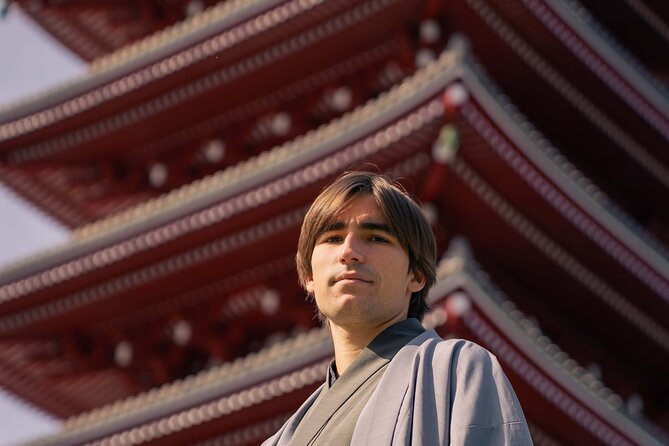
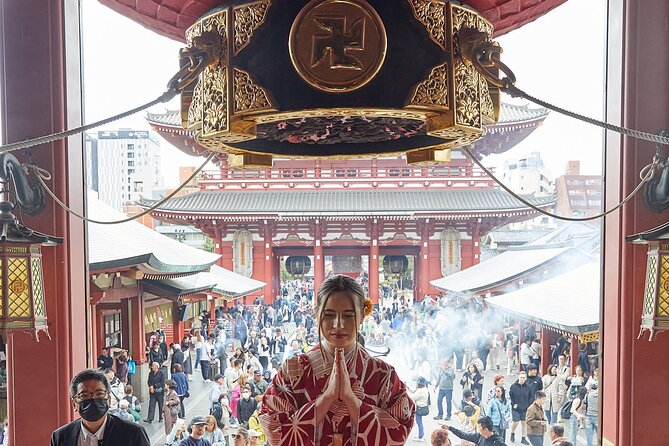
Your route begins with the Asakusa area’s most recognizable greeting: the Kaminarimon gate of Senso-ji. From there, you head into the shopping streets, which is where the kimono effect really pops. Think: people in summer sandals and umbrellas everywhere, and you in traditional clothing framed by lanterns, signboards, and old-style storefronts.
Nakamise Street is the next big stop. This shopping lane has a long run as a souvenir and snack corridor, with origins dating back to the Edo period. Practically, that means lots of photo texture: flags, small stalls, and narrow perspectives that create depth. You’ll get short photo sessions, so you don’t get stuck in one busy spot for too long.
A tour like this also helps you avoid a common photo mistake. If you wander on your own, you might pick a spot that looks good but gets clogged instantly. With a guide and photographer leading the timing, you can often secure better angles before the foot traffic peaks.
Senso-ji and Asakusa Shrine: Two Different Photo Moods
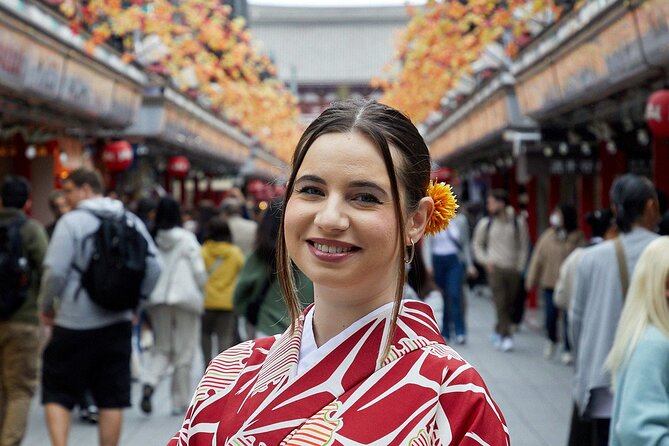
Senso-ji Temple is the classic anchor, with a history that stretches back more than 1,300 years. That kind of age shows in the approach and details around the grounds, and it gives your pictures a sense of place beyond “standing in front of something famous.” You’ll have a dedicated photo window here, so the focus stays on getting images right, not just passing through quickly.
Next comes Asakusa Shrine, which shifts the mood. It’s tied to local beliefs connected with the development of Asakusa, and that context gives your photos a bit more meaning than a generic tourist stop. The shrine area also tends to feel different from the shopping lanes, so your set of photos won’t all look like the same kind of street scene.
Here’s a useful way to think about these two stops: Senso-ji gives you the big iconic structure and temple energy, while Asakusa Shrine adds a calmer, more sacred feel. Together, they help your photo set look balanced.
The “Small Group” Advantage: More Attention, Less Waiting
This is one of the best parts of the format: the tour caps the group at no more than four people. In practice, that usually means you’re not standing around while the photographer works with a long line of strangers. You can get pose direction faster, and your timing between shots stays tighter.
In the reviews that informed my view, photographers named Kentake and Gota came up as friendly, patient guides who taught posing and gave clear directions. I take that as a strong sign that the shoot isn’t just about clicking a camera. You should expect gentle coaching—especially if you feel awkward standing still in front of a lens.
If you’re shy or nervous about being photographed, this setup is exactly what you want. You’re in a tiny group, the photographer leads where to stand, and you have a simple script: dress, walk, stop, shoot, move on. It turns “I don’t know what to do” into something manageable.
Hair, Poses, and Getting the Angles Right
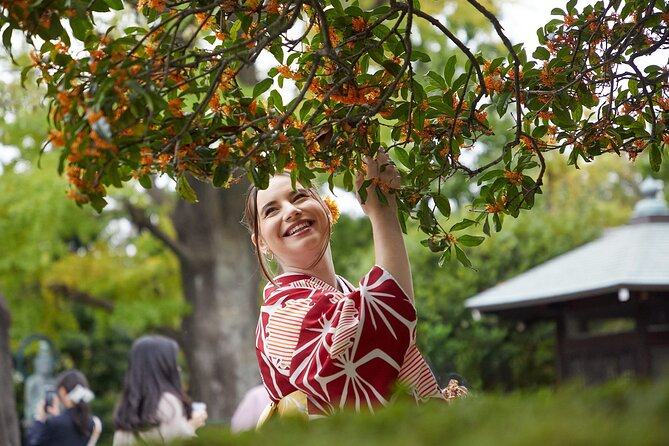
A lot of kimono photo experiences fail at one basic thing: your outfit looks great, but your posture and camera angle don’t. This tour is built around solving that. You’re not just walking past landmarks; the photographer helps you with poses and takes charge of where you stand for the best view.
Women get hair set included, which matters because hair style can make or break your kimono look in photos—especially when you’re taking shots near temple entrances and crowded streets. Men don’t get that same specific item listed, but the overall kimono rental still helps you avoid the “I look like I rented something, not like I’m wearing it” problem.
For your part, keep things simple. Wear comfortable shoes under your kimono setup, and plan to follow directions quickly. The faster you cooperate with the photographer’s positioning, the more variety you’ll get in your final set.
Finishing at Tokyo Skytree: The Big View for Your Last Shot
The tour ends with a visit connected to the Tokyo Skytree observation deck, where you overlook the streets of Asakusa along with a view that includes Skytree. This is a smart ending choice. You start in old Tokyo vibes and finish with a modern, recognizable skyline.
Even if you’ve seen Skytree from a distance before, getting a vantage point after you’ve already collected “kimono + temple + street” photos helps your album feel complete. It also gives you a final moment to stop moving and just take in where you are.
One thing to consider: you’ll want to plan for typical observation-deck crowds. The tour promises a visit, but the time you arrive can still affect how long you wait for the best angles.
Price and Value: What $124.81 Really Buys You
At $124.81 per person, this is not the cheapest thing you can do in Asakusa. But it also isn’t just “rent a kimono and take a few pics.” You’re paying for several value drivers that are hard to replicate on your own:
- Kimono rental, plus hair set for women
- A guided photo route through major Asakusa spots
- An English-speaking photographer and local guide
- At least 20 edited photos delivered within three days
- A small-group limit that helps the experience stay personal
If you try to DIY this, you’d likely spend money on kimono rental anyway, then pay for a photographer (or struggle with self-timed photos), then spend extra time coordinating. This tour packages the whole thing into a tight schedule, which is great if your Tokyo days are packed.
Group discounts are mentioned as a feature too, which can make it a better deal if you’re traveling with friends and want coordinated photos in matching outfits.
Logistics That Matter: Starting Time and a Clear Meeting Spot
This tour starts at 1:30 pm and meets at a specific 7-Eleven in Asakusa. The meeting point is listed as 1-chōme-1-16 Asakusa, Taito City, Tokyo. It ends back at the meeting point, so you can plan the rest of your day without guessing where you’ll end up.
The best move is to arrive early enough to handle the kimono dressing with zero stress. If you’re late, you’ll probably feel it immediately because the photo windows at temples and shopping lanes can be short.
Also, you get a mobile ticket, which is helpful for keeping things simple on your phone while you’re walking around.
Private Option vs Small Group: Who Should Choose What
You can book a private option, and you can also join this small group experience. If you’re a couple or a family who wants more flexibility in pacing—like lingering longer at one spot or adjusting photo styles—a private option can make the shoot feel less like a set route.
If you’re traveling solo, the small group can be a plus because you’re still in a low-stress environment, not a big mass. In the reviews, people also praised the comfort level for shy first-timers, which tells me the photographer style tends to be supportive.
My rule of thumb:
- Choose small group if you want structure, quick photo windows, and good attention.
- Choose private if you want control and you’re okay paying extra for that freedom.
Who This Tour Fits Best
This Asakusa kimono photography experience is a strong match if you want:
- A dressed-up Tokyo day without the hassle of coordinating outfit and photos
- Iconic stops like Senso-ji, Nakamise Street, and Kaminarimon without sprinting through
- A quick photo turnaround, with edited images arriving within three days
- Clear direction from an English-speaking photographer
It may not be the best fit if you hate schedules, don’t want any pose coaching, or only care about buying snacks and browsing shops at your own pace. The tour is designed around getting images, not around open-ended shopping time.
Should You Book This Asakusa Kimono Photo Tour?
Yes, if you want a high-success kimono day with guidance and a real photo payoff. The combination of kimono rental + hair set (women) + a small group + edited photos in three days is exactly what turns this from a “nice idea” into an efficient Tokyo memory-maker.
Before you book, do two things:
- Show up early at the listed 7-Eleven and double-check you’re at the exact meeting point.
- Be ready to follow pose directions quickly. The shoot gets better the moment you cooperate with the photographer’s plan.
If that sounds like your style, this is a smart way to make Asakusa look like you planned it for weeks.
FAQ
How long is the Asakusa Kimono Photography Tour?
It runs for about 2 hours 30 minutes.
What is included in the tour besides the photographer?
Kimono rental is included, and women also get hair set. You also receive an English-speaking photographer and a local guide while you explore.
How many edited photos do I get, and when will I receive them?
You’ll get at least 20 edited photos by email within three days after the tour.
What places do we visit during the photo session?
The tour includes stops around Asakusa such as Kaminarimon Gate of Senso-ji, Nakamise Street, Senso-ji Temple, and Asakusa Shrine, with additional photo spots in the area. It also includes a visit connected to the Tokyo Skytree observation deck.
Is this a private tour or a group tour?
It’s a group tour with a maximum of four travelers, and there is also a private option available.
Where does the tour start and what time does it begin?
The start time is 1:30 pm, and the meeting point is a 7-Eleven at 1-chōme-1-16 Asakusa, Taito City, Tokyo.
Is there an admission fee for the sights?
The stops listed for Nakamise Street, Senso-ji, and Asakusa Shrine show admission ticket free for those photo windows.
What is the cancellation policy?
Free cancellation is available up to 24 hours before the experience’s start time for a full refund.