REVIEW · VENICE
Photo workshop in Venice with a local photographer!
Book on GetYourGuide →Operated by KYellow Photography · Bookable on GetYourGuide
Venice teaches you how to frame a scene. This 2-hour photo workshop in Veneto turns everyday sights into teachable moments, with hands-on guidance from a local pro. You’ll shoot Venice’s canals, bridges, and quieter alleys using either your phone or your camera.
What I like most is the one-on-one style feedback. You’re not just walking around with a camera in hand; you’re learning why a shot works. I also love that the focus stays on light and composition, not just finding pretty backdrops, so you leave with skills you can use again on future trips.
One consideration: it’s short. If you want heavy, technical training on camera settings, you may wish it went deeper, especially since one participant said they wanted more on the photography itself. The good news is that there’s an in-depth option for experienced DSLR or mirrorless users by request.
In This Review
- Key things that make this Venice photo workshop worth your time
- Venice photo walk value: what this experience actually teaches
- Meeting outside Caffe Florian: a quick start, then you’re shooting
- The Venice streets you’ll target: alleys, bridges, and canals in real light
- Golden hour practice: how to time shots when Venice changes by the minute
- Camera vs iPhone: the workshop keeps it simple without killing your creativity
- Composition and storytelling: the two skills that make your photos feel intentional
- Food breaks that don’t ruin the momentum
- Who this works best for (and who might want a longer workshop)
- Price and logistics: is $77 a smart deal in Venice?
- Should you book this Venice photo workshop?
- FAQ
- How long is the Venice photo workshop?
- What is the price per person?
- Where do I meet the photographer?
- Do I need to bring a camera?
- Is this workshop only for beginners?
- What languages are the instructors available in?
- What food and drinks are included?
- Is it wheelchair accessible?
Key things that make this Venice photo workshop worth your time
- Konstantina-style, professional guidance that helps you refine what you’re doing, not just where to point your lens
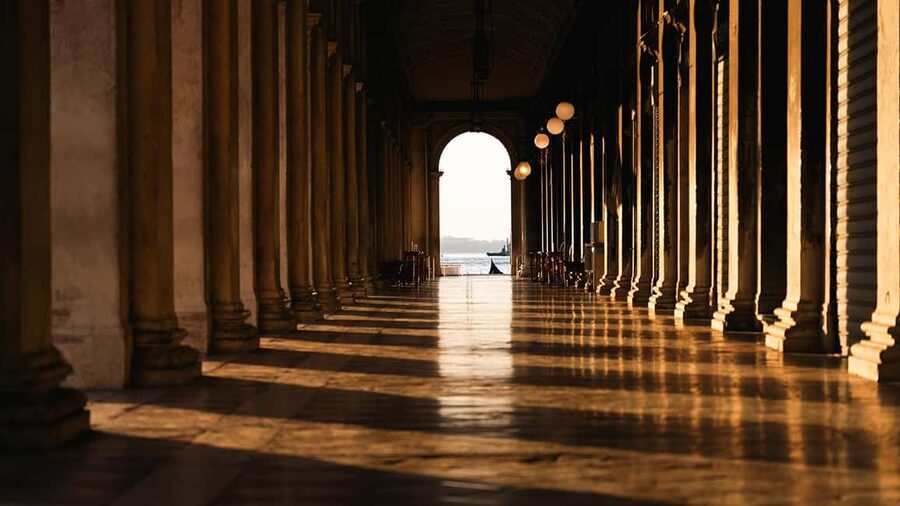
- Golden hour photography practice, aimed at getting the best natural light rather than fighting harsh conditions
- Secret corners and quieter canals, so you’re shooting Venice beyond the postcard crowd
- Camera and phone friendly, with simple instruction for both shooting styles and editing apps
- A small included food-and-drink rhythm, with coffee/snack and later wine/cicchetti to keep the walk enjoyable
- Private or small-group format, which makes it much easier to get feedback on your own shots
Venice photo walk value: what this experience actually teaches
This is a practical Venice workshop for people who want better photos without turning the trip into a camera seminar. The pitch is simple: Venice is already photogenic, but you still need to learn how to see it. In this 2-hour walk, you work on composition, light, and storytelling while you move through real streets and water-level scenes.
The biggest value for me is that it’s not just about capturing icons. You’ll also spend time on the less obvious views that often get missed, then connect those views to the fundamentals that make a photo feel intentional. That means your results depend less on luck and more on choices you can repeat.
You can also read our reviews of more tours and experiences in Venice.
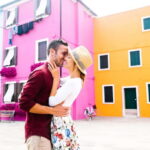
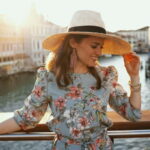
Meeting outside Caffe Florian: a quick start, then you’re shooting
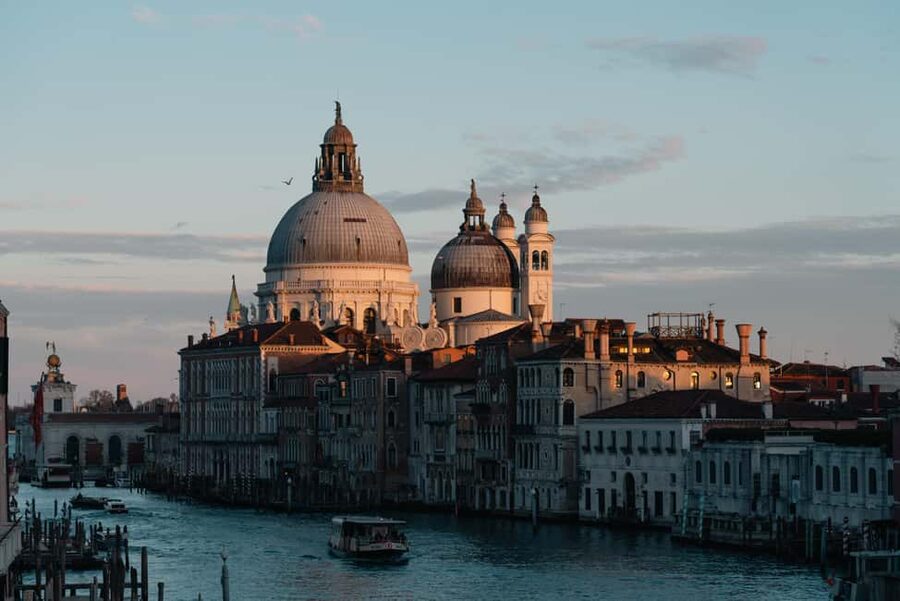
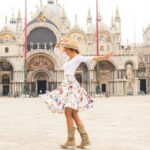
You meet outside Caffe Florian, right where it’s easy to orient yourself in central Venice. Starting at a known landmark helps because the first few minutes of any photo walk matter. You want to feel set up, not wandering with a camera while everyone else already has ideas in motion.
This kind of workshop also benefits from early momentum. One recent participant pointed out that the very early start was worth it, and that fits the logic here: light in Venice changes fast. When the group gets moving early, the city looks softer on the eyes, and your photos have a better chance of balancing bright highlights with detail.
If you’re using your phone, keep it ready like you would for a short tour with a guide: charge it, clear space if you can, and be set to shoot quickly when the photographer gives prompts.
The Venice streets you’ll target: alleys, bridges, and canals in real light
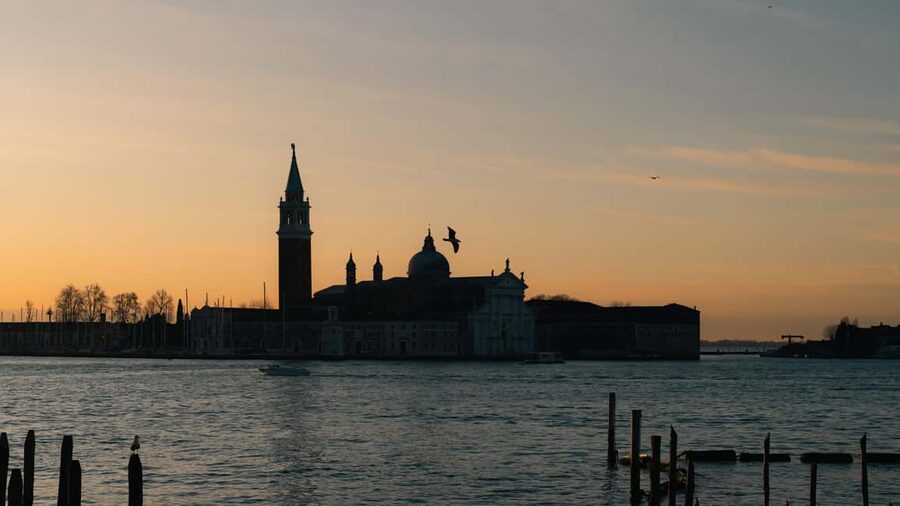
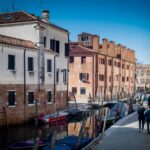
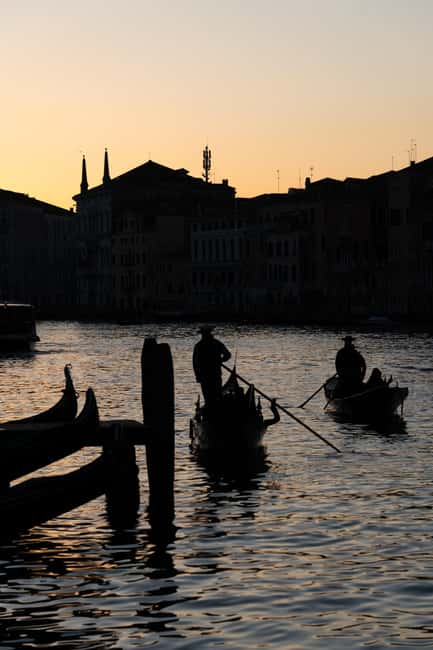
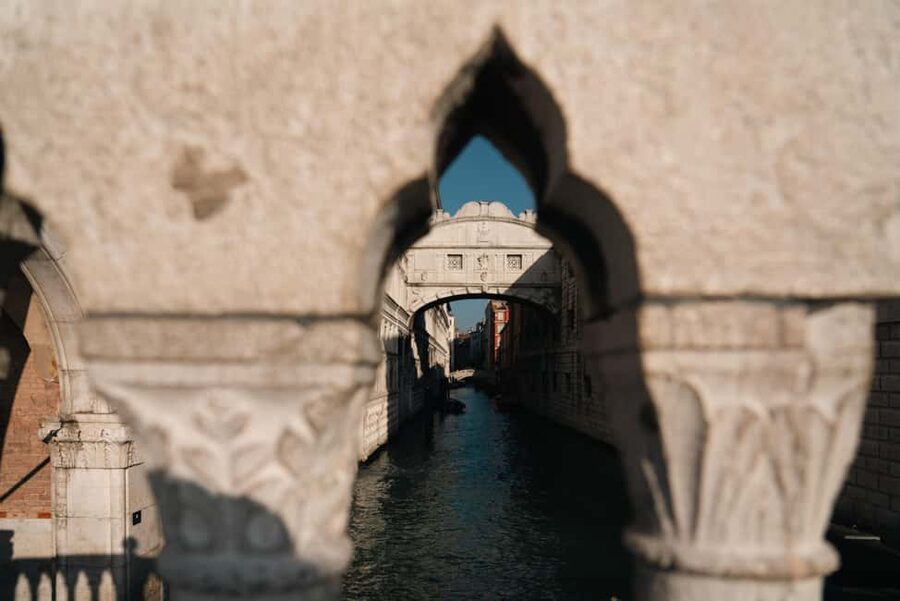
The walk is built around Venice’s visual ingredients: shadowy alleyways, historic bridges, and canal views. The goal isn’t only to stop at a few famous spots. It’s to help you notice what makes one angle stronger than another.
Here’s how that translates into photos you can actually make:
- You’ll practice composition by framing architecture and reflections so they lead the eye.
- You’ll learn to work with natural light, especially when buildings create alternating bright and dark bands.
- You’ll get guidance on storytelling, meaning your picture should suggest a moment, not just show a view.
Venice’s famous scenes are tempting, but they’re also crowded. The workshop is designed to avoid that feeling as much as possible and hunt for quieter corners where your camera has breathing room. That’s the difference between a photo that looks nice and a photo that looks like you were there on purpose.
Golden hour practice: how to time shots when Venice changes by the minute
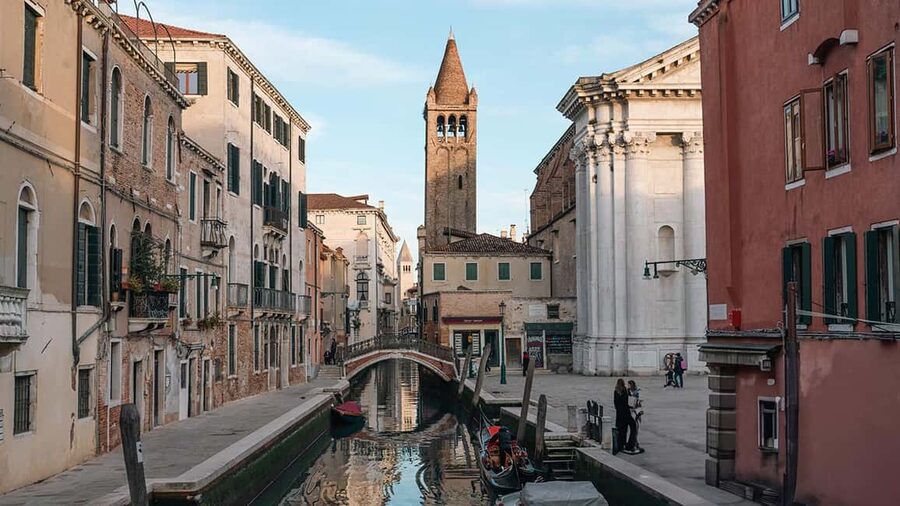
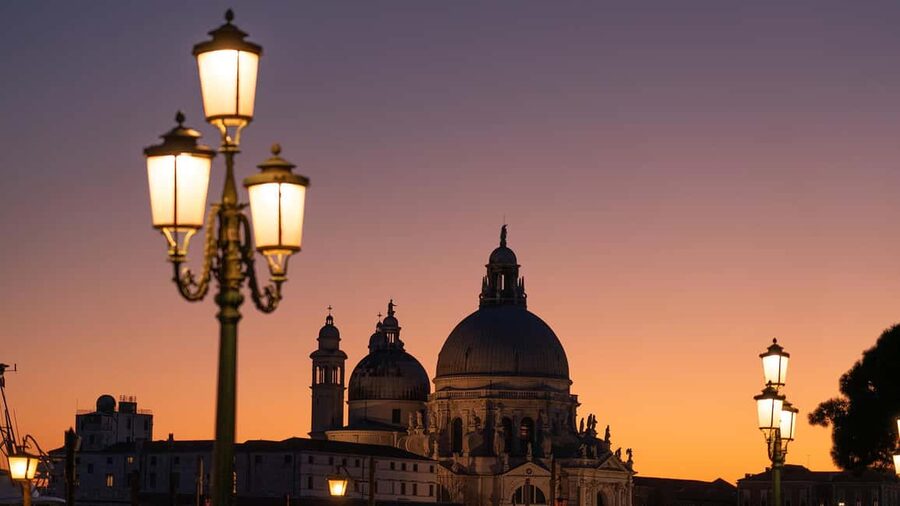
The highlight list calls out golden hour photography, and that matters because Venice is the kind of city where the sky, reflections, and stone tones shift constantly. Golden hour isn’t only about warm light. It’s also about how long you have to shape a scene before it changes again.
In a short workshop, you don’t want vague advice like Try to catch golden hour. You want direction that helps you act during those minutes. This experience focuses on exactly that, with the professional photographer teaching you how to spot the best moments of light-and-shadow and then adjust your framing as conditions shift.
A useful mindset for you: during the walk, treat each stop like a mini assignment. Ask yourself what the light is doing. Then ask how your angle changes what you’re showing. When you do that, you’ll start seeing Venice the way a photographer sees it, not just as a place you’re passing through.
Camera vs iPhone: the workshop keeps it simple without killing your creativity
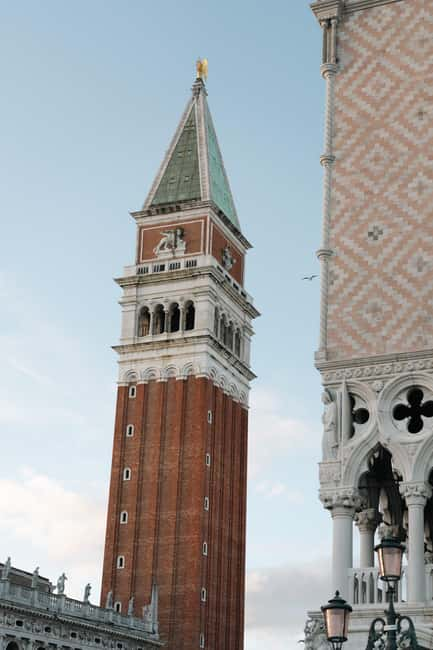
You can shoot with a camera or with your phone, and the instruction is designed to stay practical. The walk is hands-on, with ideas that work whether you’re using a dedicated camera or relying on phone features and editing apps.
If you’re a phone shooter, you’ll appreciate how the guidance keeps things grounded. One participant, who had only a smart phone, still got fantastic results and left with new skills about light and composition. That’s a good sign that the workshop isn’t secretly built for DSLR users only.
If you’re a more advanced photographer, there’s mention of a separate, in-depth workshop available on request for DSLR or mirrorless users, tailored to style and vision. So you’re not stuck with a one-size-fits-all experience.
One extra detail worth noting from a real session: Konstantina brought a tripod for at least one participant to use. That’s not a guarantee for every group, but it tells you the guide pays attention to practical needs when someone wants steadier framing.
What to bring is straightforward: the information lists a camera, and if you’re shooting on your phone, bring that phone fully ready. In practice, your best tool is whatever you can actually use confidently when the guide calls for a shot.
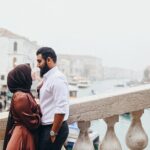
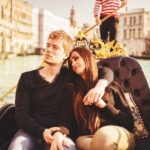
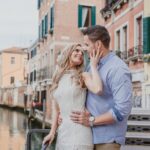
Composition and storytelling: the two skills that make your photos feel intentional
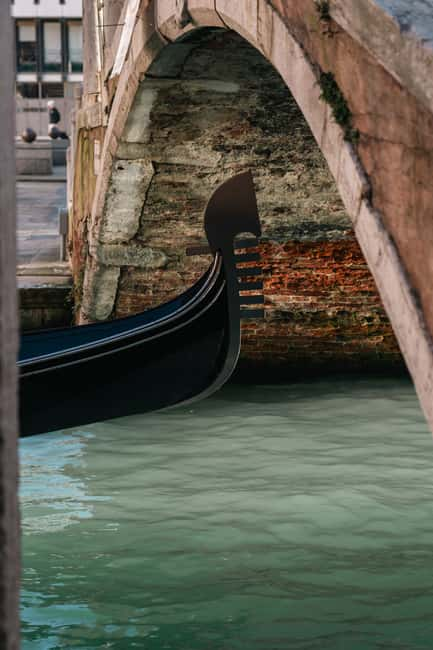
Plenty of photo walks show you where to stand. This one teaches you what to do once you’re standing there. The core lessons are composition, light, and storytelling, and the real benefit is how they combine.
Composition is what prevents your photos from feeling accidental. You’ll get coaching on framing choices, angles, and how to arrange what’s in the frame so the viewer’s eye lands where you want it to land.
Storytelling is what prevents your photos from feeling like postcards. Venice can easily turn into a collection of pretty shots. The workshop steers you toward images that communicate emotion or a small narrative—something you can feel when you look at it later.
If you want a quick way to apply this during the walk: shoot one frame where the scene is clear, then shoot another frame where you concentrate on a detail, a reflection, or a leading line. When you do that, you’ll start seeing the city’s personality instead of only its architecture.
Food breaks that don’t ruin the momentum
This workshop includes coffee and a snack in the morning, plus wine and cicchetti in the afternoon. In a city like Venice, that pairing is more than a nice bonus. It gives you a human pause while the guide keeps the group chatting about what makes certain shots work.
One recent participant described a cafe stop that timed well with local morning opening, with freshly cooked pastries. That kind of break does two things: it keeps you energized and it gives you a chance to review what you just shot while the light is still in your mind.
So yes, there’s food. But it’s also part of the learning experience, because it slows the pace just enough to help you connect your photos to what you’re seeing.
Who this works best for (and who might want a longer workshop)
This is beginner-friendly, and it’s also useful if you already know your way around a camera. The common thread is that you want a guided structure. You don’t want to spend your Venice time guessing at settings or scrolling tutorials. You want a local pro to point out what matters and why.
You’ll get the most from this workshop if:
- you want practical feedback while you’re still shooting
- you enjoy learning by doing, not reading
- you want phone-friendly instruction that improves results fast
You might want a different option if:
- you’re looking for deep technical training on camera controls in a single session
- you want something longer than 2 hours to practice and refine in multiple rounds
Short workshops are great for getting unstuck. They’re just not the same thing as a multi-session photography course.
Price and logistics: is $77 a smart deal in Venice?
At $77 per person for about 2 hours, this isn’t a bargain in the cheap sense. Venice rarely is. But it’s solid value because you’re paying for a working local photographer who teaches you composition, light, and storytelling, while also guiding you through the city’s best photo opportunities.
What you’re also getting:
- Instruction from a professional living in Venice
- A small-group or private format (so you can actually get feedback)
- Included food and drink: coffee/snack, plus wine and cicchetti later
The camera itself isn’t included, so you’ll need to bring your own device. But the workshop is set up for both phone and camera shooting, so you’re not forced into a specific gear setup.
My bottom line: if you want a guided photo strategy that fits into a normal Venice day, this price makes sense. If you’re only after wandering with a camera and no instruction, you’d probably do better spending that time and money on something else—or pairing self-guided shooting with a basic photography book. Here, the teaching is the product.
Should you book this Venice photo workshop?
Book it if you want to come home with photos that look made on purpose. You’ll likely enjoy the hands-on pace, the quiet corners, and the way a professional helps you translate Venice’s beauty into repeatable photo choices. The inclusion of coffee/snack and later wine/cicchetti also makes the experience feel like a real day out, not a cold, rushed tutorial.
Skip it or consider the in-depth DSLR/mirrorless option by request if you’re specifically hunting for deeper technical training in one sitting. And if you need wheelchair access, this isn’t suitable based on the provided information.
If your goal is to learn how to see—composition, light, and storytelling—this is a smart, fun way to do it in Venice’s streets and canals.
FAQ
How long is the Venice photo workshop?
The duration is about 2 hours (listed as 1.5 to 2 hours).
What is the price per person?
It’s $77 per person.
Where do I meet the photographer?
You meet outside Caffe Florian.
Do I need to bring a camera?
Yes. The activity notes that a camera is not included, and what to bring lists a camera. If you’re using your phone, bring your phone and be ready to shoot.
Is this workshop only for beginners?
No. It’s beginner-friendly, and experienced photographers can also benefit, with an in-depth option available by request for DSLR or mirrorless users.
What languages are the instructors available in?
English, German, and Greek.
What food and drinks are included?
Coffee and a snack are included in the morning, and wine and cicchetti are included in the afternoon.
Is it wheelchair accessible?
No, it is not suitable for wheelchair users.