REVIEW · LONGYEARBYEN
Longyearbyen: Wildlife Safari & Hiking Photography Tour
Book on GetYourGuide →Operated by See & Explore · Bookable on GetYourGuide
Svalbard wildlife starts on the hike. This 5-hour Longyearbyen wildlife and photography tour mixes driving, a flat walk, and real time with animals so you can focus on shots, not schedules. It’s run by a local company and guided by people who live with these animals every day.
I love that the tour is built around photography help, not just a generic nature walk. You also get practical comforts like warm drinks and snacks during the day’s pauses, which matters in Arctic weather. Best of all, the guide-led approach prioritizes staying near reindeer, birds, and foxes until you feel you got the images you came for.
One thing to plan for: the hike can keep you outdoors for up to 3 hours, and you’ll need the right layers. If you show up in the wrong footwear, warm boots won’t save you when the ground is wet or cold.
In This Review
- Key things to know before you go
- Longyearbyen wildlife, guided for photos (not just sightseeing)
- The 5-hour flow: pickup, secret viewing, then a flat hike
- Wildlife priority: reindeer, Arctic foxes, and ptarmigan are the targets
- How the photography focus actually helps your pictures
- The hike in cold weather: what you’ll do outdoors, and when you warm up
- Gear and clothing: ice spikes, wet ground, and the layers you actually need
- Transportation and comfort: van pickup rules and safe movement
- Price and value: is $246 worth it for 5 hours?
- Who this tour suits (and who should skip it)
- Should you book this Longyearbyen wildlife safari & photography hike?
- FAQ
- How long is the Longyearbyen wildlife safari & hiking photography tour?
- What’s the group size?
- Is pickup and drop-off included, and where does it happen?
- What language is the tour guide?
- Does the tour include hiking?
- What’s included during the tour?
- What should I bring for this tour?
- Is it okay if the weather is windy or rainy?
- What are the main limits for who can join?
Key things to know before you go
- Photo-first guiding with hands-on help so you can work fast when animals pop into view
- Small group size (max 8) for quieter spotting and less rushing between stops
- Wildlife-focused pacing with time spent waiting near reindeer, birds, and Arctic foxes
- A mostly flat hike that can still run up to 3 hours outdoors
- Warm drinks, snacks, and warming breaks built into the schedule
- Winter gear support when needed (ice spikes and a headlamp if the conditions call for it)
Longyearbyen wildlife, guided for photos (not just sightseeing)
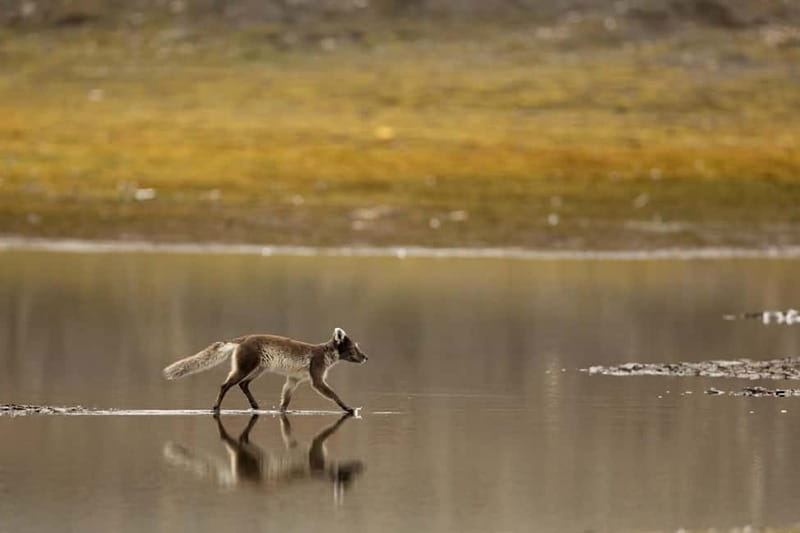
This tour is for people who want more than a quick glance at Svalbard. You’ll drive in and around Longyearbyen, stop for wildlife viewing, then take a hike where the whole point is giving you time to photograph what’s out there.
The small group size is a big deal in the Arctic. Fewer people means you can spread out a bit, change camera angles without stepping on each other, and get steadier results when the guide tries to help everyone at once.
You’ll also feel the local touch in how the day is run. The guide (for example, Ivar—known from the local wildlife and birder world) brings a practical sense of where animals are likely to be and how to read the scene without spooking anything.
You can also read our reviews of more tours and experiences in Longyearbyen.
The 5-hour flow: pickup, secret viewing, then a flat hike
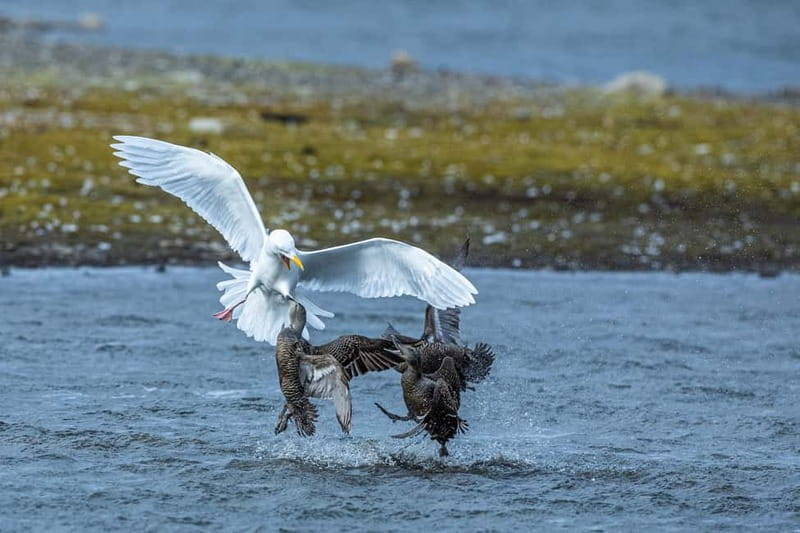
The experience runs for about 5 hours, and it’s built around hotel pickup and drop-off. Pickup starts at your hotel at a confirmed time, but the route begins with one location and moves to others—expect 5 to 15 minutes between early and late stops.
This is important: they won’t wait more than 15 minutes if you miss the pickup. Your best move is to step outside at the pick-up time and watch for the blue van with the logo SEE & EXPLORE.
Once everyone is aboard, the van heads out of town for wildlife spotting. You’ll have a “secret stop” wildlife viewing moment, and the driver and guide will position you so you can shoot while still staying safe on uneven ground.
Then comes the hike. It’s described as flat and easy, but the time outdoors can stretch up to 3 hours. You’ll keep moving when you need to, and you’ll pause when the guide wants everyone focused on a likely subject.
Wildlife priority: reindeer, Arctic foxes, and ptarmigan are the targets
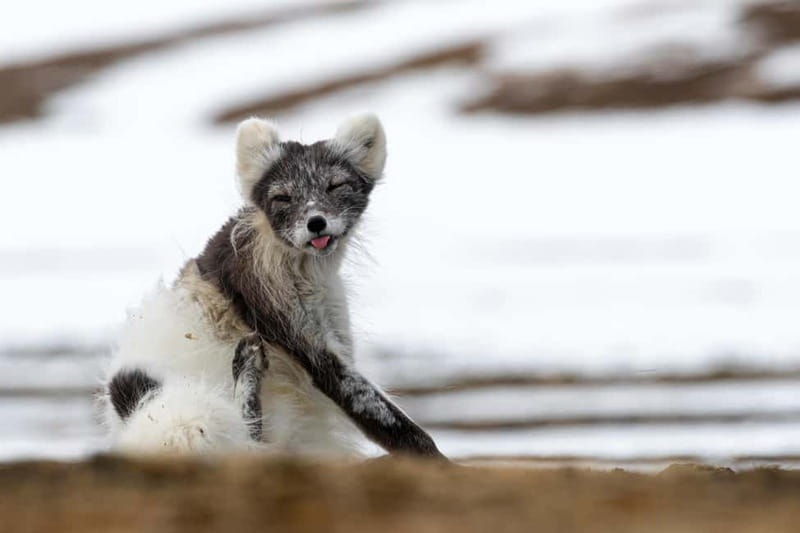
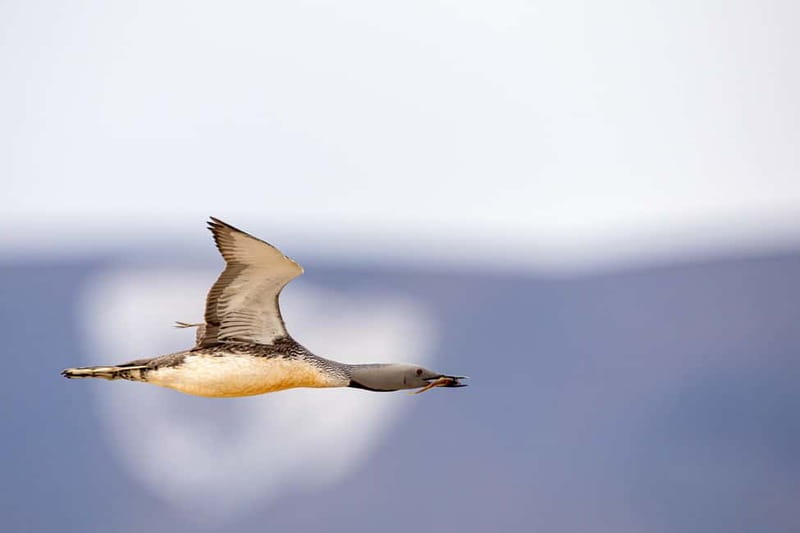
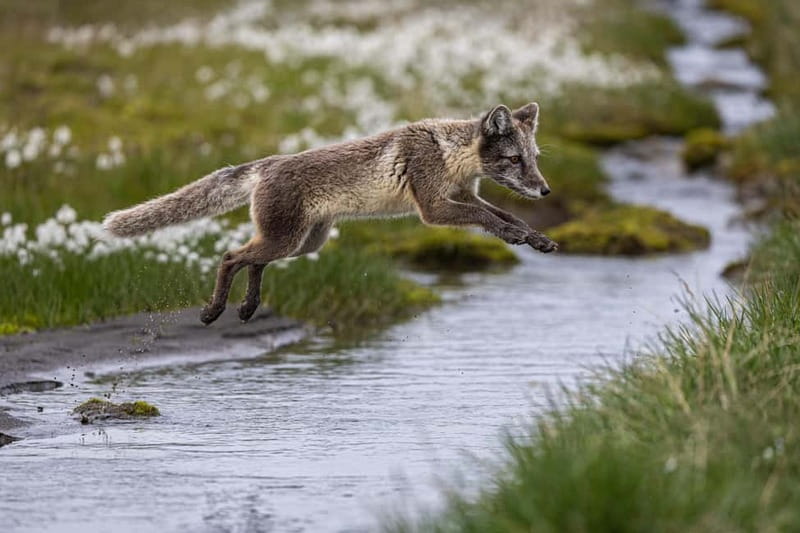
This isn’t a tour where the animals are an afterthought. Wildlife is the focus, and the guide’s plan is to keep you near reindeer, birds, and Arctic foxes until you get the shots you’re after.
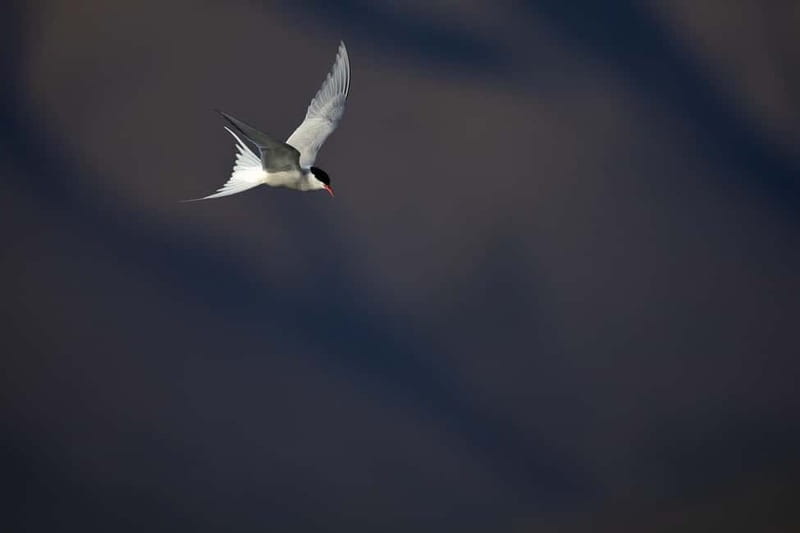
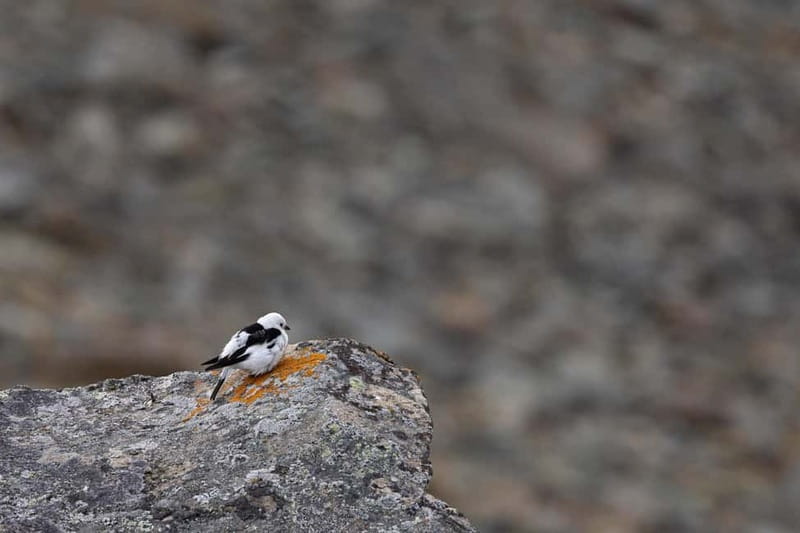
The headline targets include Svalbard reindeer and Arctic foxes. You’re also aiming for Svalbard Rock ptarmigan, and bird life is said to be particularly active from late May through mid-August.
That timing matters because Svalbard changes fast by season. If you go in shoulder season or later in the year, you might find wildlife spotting is tougher, and you may spend more time on birds and landscape details while the guide works the area for movement.
In one real-world example of what a strong guide can do, Ivar helped identify multiple seabirds and even the call of Snow Bunting. That kind of bird knowledge can turn a “maybe we’ll see something” day into a day with actual species you can name and photograph with confidence.
How the photography focus actually helps your pictures
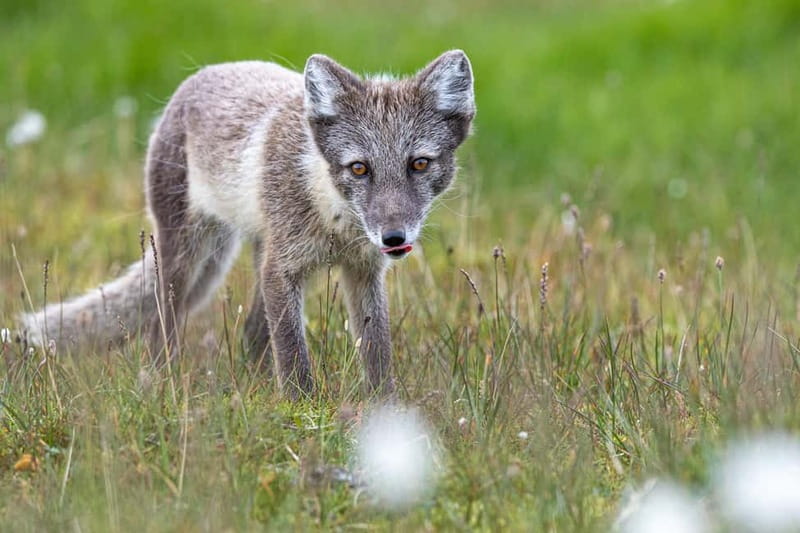
This tour is photography-first in a very practical way. The guide doesn’t just point at wildlife; they guide you toward better angles, steadier positioning, and smarter timing—especially when an animal suddenly appears and you have only a short window.
You’re not expected to be a professional photographer. The support is about helping you make the most of the conditions you get: the light, the distance, the wind, and the animal’s behavior.
Expect that the guide will keep an eye on the group’s needs. If someone hesitates or gets stuck navigating rocky ground, guidance is there so you don’t lose the whole moment waiting. That matters a lot when the subject is alert and moves quickly.
Another detail I like: they explicitly give priority to seeking wildlife over rushing to “hit” a checklist. That means your best images come from time spent with a subject, not from bouncing through more stops than your camera can handle.
The hike in cold weather: what you’ll do outdoors, and when you warm up
The hiking part is mostly flat, but don’t underestimate how Arctic weather changes your comfort. Sometimes you may be outdoors up to 3 hours before you return to the car for warmth and something hot to drink.
They also build in a real-world rhythm for conditions. The tour doesn’t cancel just because wind or rain shows up. When the weather is rough, you’ll often spend more time inside the van and keep moving around the area to keep wildlife chances alive.
That approach can feel different from a typical tour, where the plan is fixed. Here, the plan bends based on what the environment gives you, which is usually the only sane way to run a wildlife day in Svalbard.
Gear and clothing: ice spikes, wet ground, and the layers you actually need
What you bring will decide whether the day feels comfortable or miserable.
For September to May, the guidance is clear: warm clothing and warm boots are especially important. For May to September, the ground is often wet, and waterproof hiking boots are necessary.
If you’re worried about traction, there’s a helpful included safety add-on: ice spikes for shoes when it’s necessary. If daylight is limited or conditions require extra visibility, a headlamp may also be provided.
What’s not included is the basics you’d expect for Arctic hiking. Warm clothing, boots, and hand protection (hat, mittens, gloves) are not included. So if you’re traveling light or buying gear in Norway at the last minute, plan ahead.
Quick sanity check: waterproof outer layers and gloves aren’t optional comfort items here. If you can’t keep your hands warm and dry, photography gets harder because you fumble and you stop shooting.
Transportation and comfort: van pickup rules and safe movement
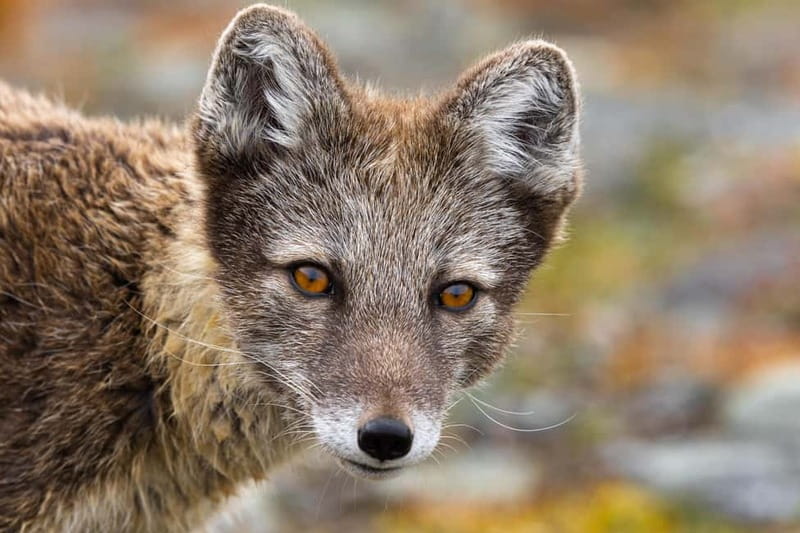
The van is part of the experience. You’ll drive around Longyearbyen to reach wildlife areas, and you’ll return to the vehicle for warming breaks when needed.
Comfort is generally fine for a small group, but one practical note: you’re riding in a shared van with multiple stops. If you’re sensitive to cramped seating or short, bumpy roads, this may feel less comfortable than a private transfer.
Safety and stability matter during the hunt for wildlife. One of the best signals from Ivar’s style is how he can help someone stay steady in strong wind. That’s not just courtesy—it’s practical when you’re trying to shoot on uneven ground.
Also, no smoking in the vehicle and no alcohol or drugs. It keeps the experience focused and avoids turning a cold wildlife day into something unpleasant.
Price and value: is $246 worth it for 5 hours?
At $246 per person for roughly 5 hours, you’re paying for several things at once: hotel pickup and drop-off, local guiding, wildlife-focused driving, a guided hike, warm drinks and snacks, and photography help.
If you were to do this solo, you’d still need transportation, your own guide-level knowledge of where to look, and the right gear for staying outside long enough to get usable photos. You’d also have to manage the timing of when to pause, where to stand, and how to react when wildlife appears suddenly.
The small-group factor adds value too. With a limited group size, you’re more likely to get personal help with positioning and camera angle—especially when the guide is actively trying to keep everyone engaged.
The best value usually comes when you show up prepared and ready to spend time outdoors. If you expect a quick, guaranteed wildlife sighting with minimal walking, the day might feel like you’re waiting more than you’d like.
Who this tour suits (and who should skip it)
This tour is a good match if you want:
- wildlife encounters as the main event
- a flat, guided hike with photography help
- small-group attention instead of a big bus experience
It’s not a fit for:
- children under 6
- wheelchair users
- people over 287 lbs (130 kg)
- people with low level of fitness
Because the hike can reach up to 3 hours outdoors, even when it’s flat, your body has to handle cold and time outside. If that’s a stretch, consider shorter or less hiking-focused options.
Should you book this Longyearbyen wildlife safari & photography hike?
Book it if you’re serious about getting better wildlife photos and you’re comfortable dressing for cold conditions. The combination of hotel pickup, small group size, photo-first guidance, and time spent near real wildlife is the whole point of the day.
Skip it if you’re hoping for effortless comfort or a no-walking, guaranteed wildlife sighting. The tour works the way real wildlife days work: you go out, you wait, you adapt, and you keep searching until the animals give you the chance.
FAQ
How long is the Longyearbyen wildlife safari & hiking photography tour?
The tour lasts 5 hours.
What’s the group size?
It’s a small group limited to 8 participants.
Is pickup and drop-off included, and where does it happen?
Yes. You get pickup and delivery to your hotel (not AirBnB). You’ll also be dropped back at your selected drop-off location.
What language is the tour guide?
The guide speaks English.
Does the tour include hiking?
Yes. It includes a main hike that’s described as flat and easy, and you may be outdoors up to 3 hours at times.
What’s included during the tour?
Included items are hotel pickup and drop-off, warm soft drinks, snacks and biscuits, local guides, photography-focused help, driving and wildlife time, ice spikes when necessary, and a headlamp when necessary.
What should I bring for this tour?
Bring warm clothing, a hat, gloves, waterproof shoes or warm boots, and warm shoes. They specifically recommend warm boots and warm layers for colder months.
Is it okay if the weather is windy or rainy?
The tour does not cancel because of wind and rain. You may spend more time inside the van while still searching for wildlife.
What are the main limits for who can join?
It’s not suitable for children under 6, wheelchair users, people over 287 lbs (130 kg), or people with low level of fitness.